|
| sent on 31 Maggio 2021
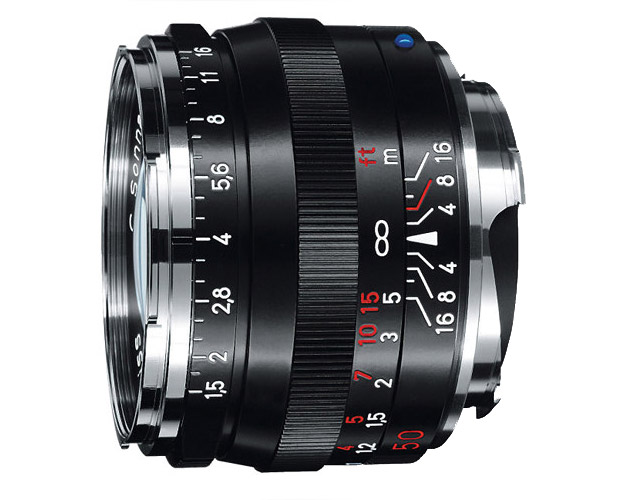
Pros: Compactness and weight, three-dimensionality, construction quality, softness of the blurred, resweath to reflections
Cons: Lampshed to buy apart and at a high price; focus variability at short distances and more open diaphragms (up to f:2.8)
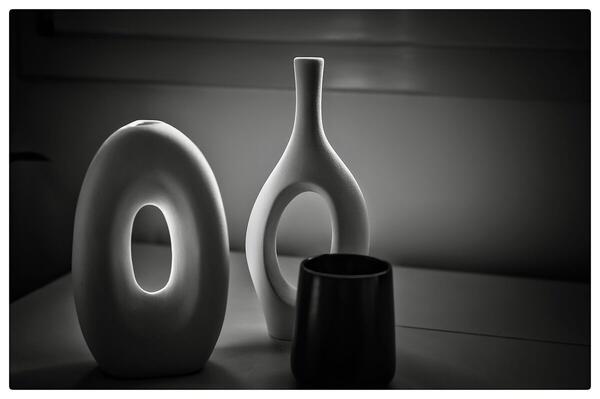
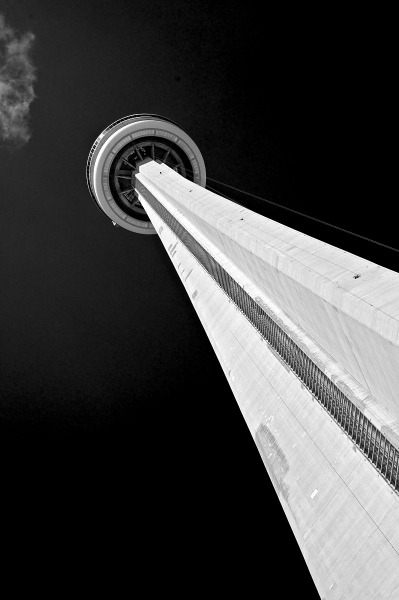
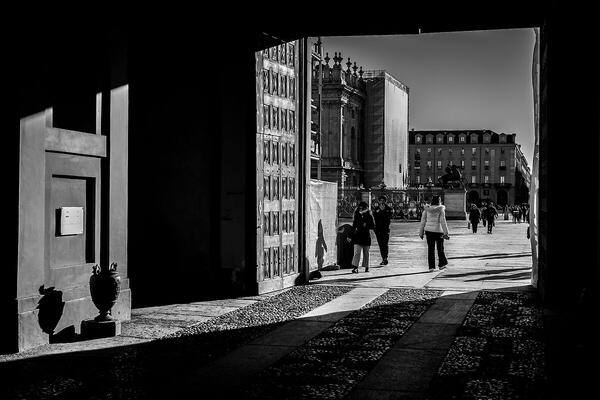
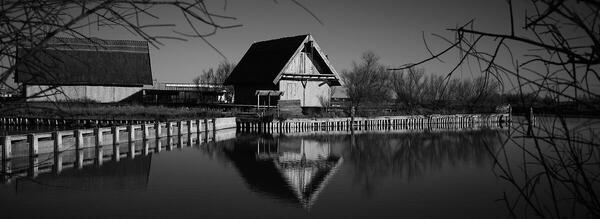
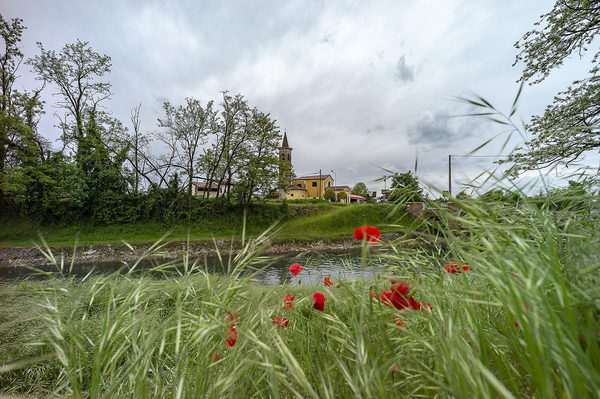
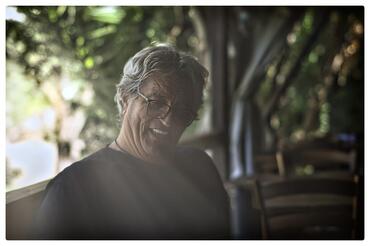
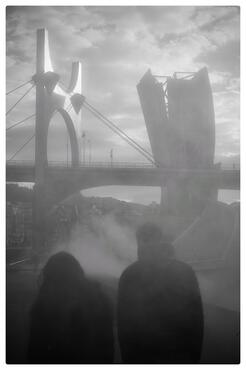
Opinion: I share piefranco Fornasieri's thought; it is an optics that may or may not please you at all or, vice versa, excite. Zeiss itself has issued an official note inviting photographers to take into account the particular characteristics of this objective and advising those suffering from extreme sharpness from edge to edge on board the frame the purchase of the 5omm Planar, being instead advisable the Sonnar to lovers of portrait and any other genre in which a progressive and particularly soft blurred yield can be served. In fact, this lens is not the best for architectural photography, nor does it excel when shooting flat surfaces such as walls, posters, etc., as the edges of the frame, even closing the diaphragm at f:8, are lower in sharpness than the center (5.6 to f:11 you notice less, of course). But when it is important to make the three-dimensionality of the subject, in portraits as in street photography, it ensures an excellent, almost magical rendering. It reminded me a lot, in this respect, of the Nikkor 58mm f:1.4. With regard to the variability of the focus plan to the various diaphragms, a problem also known, using the rangefinder it is necessary to make tests and with experience it becomes easy to remedy. With the EVF viewfinder, moreover, using peaking focus at the actual diaphragm of work, the problem does not even exist. Finally, the resistance to reflections, the extreme compactness and lightness of this optics, whose color rendering is completely consistent with the Zeiss specifications, are commendable. |


 The following opinions have been automatically translated with Google Translate.







































 JuzaPhoto contains affiliate links from Amazon and Ebay and JuzaPhoto earn a commission in case of purchase through affiliate links.