|
| sent on 16 Maggio 2026
Pros: Sharpness and IQ in general, low distortions, stabilizer, versatility
Cons: What was technically necessary to make a lens of this excursion, aperture and QI, so basically nothing, except perhaps not having it.
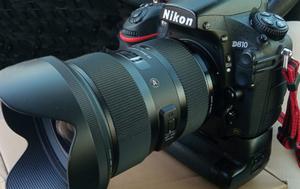
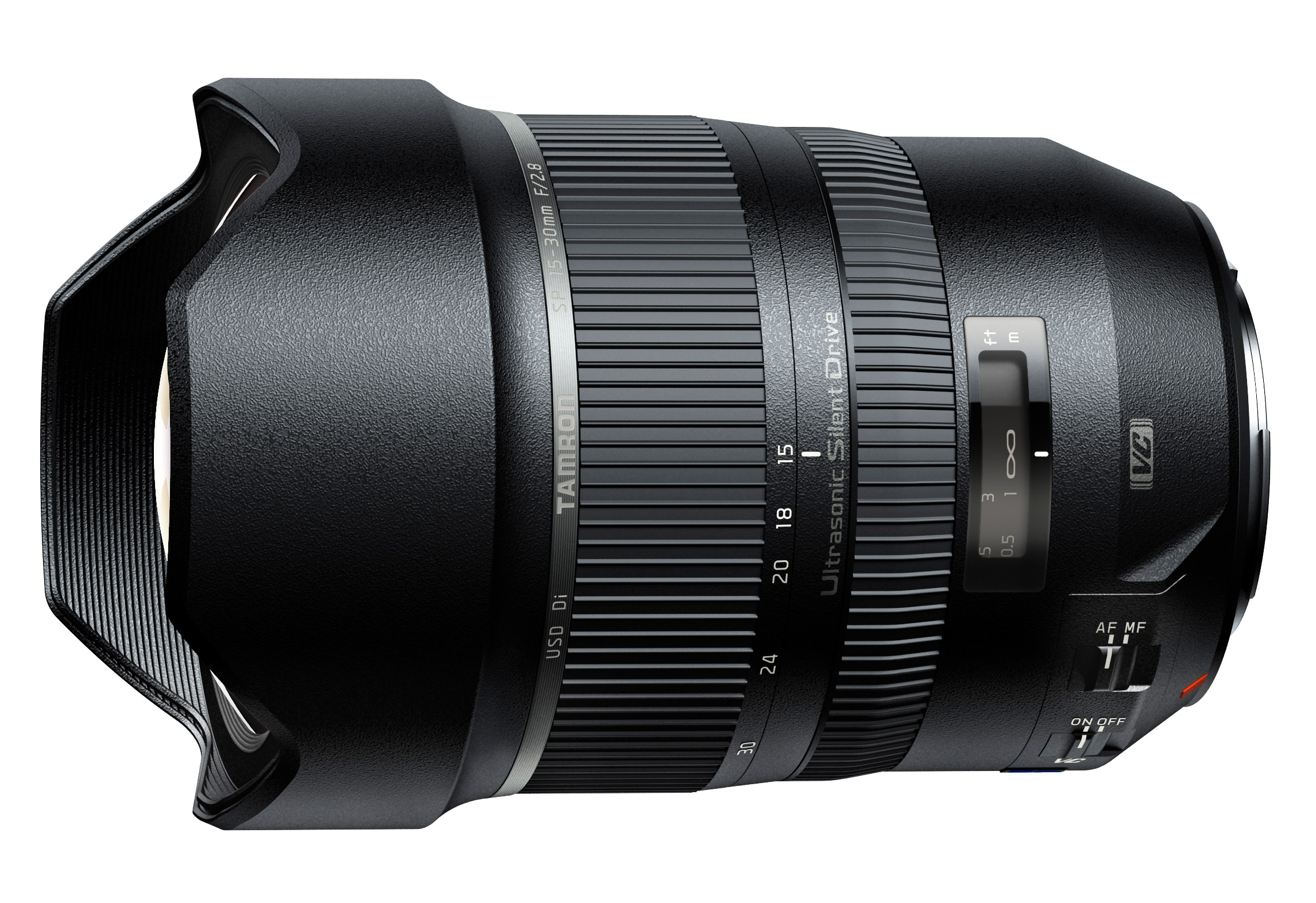
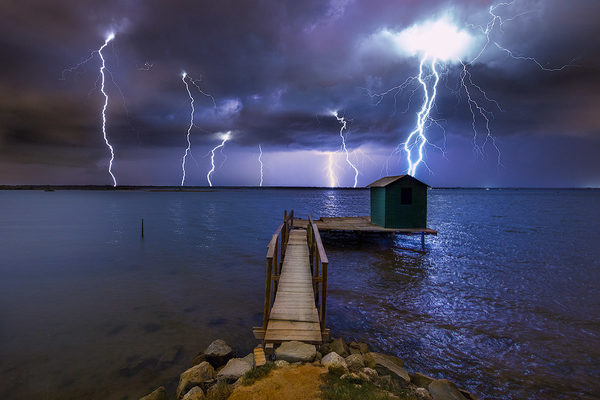
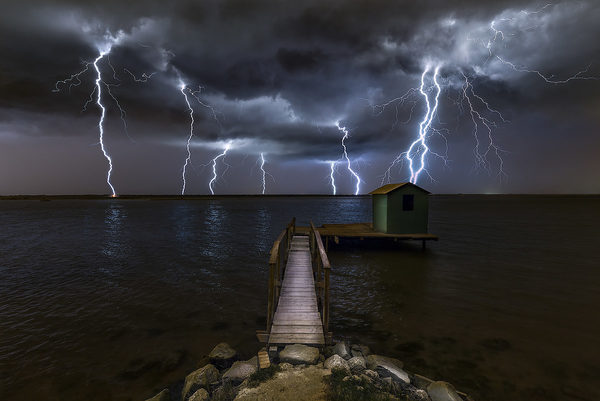
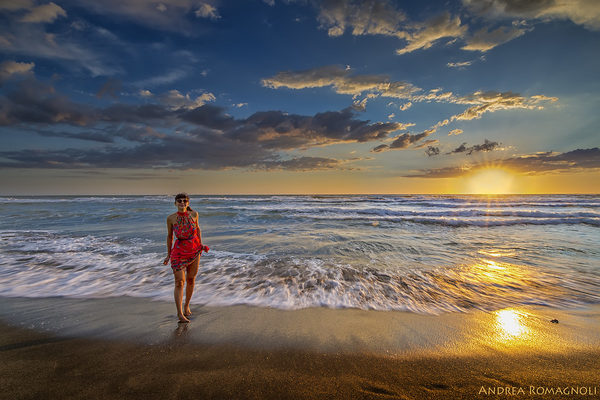
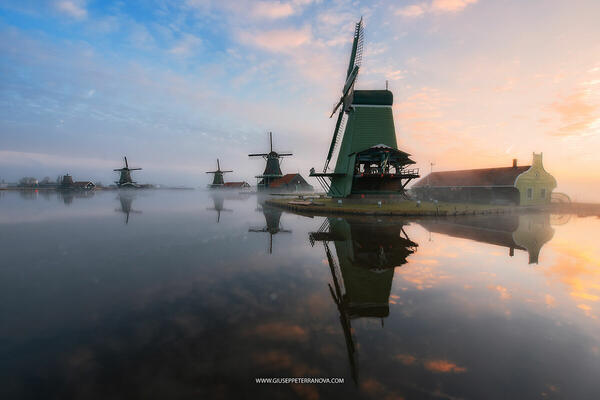
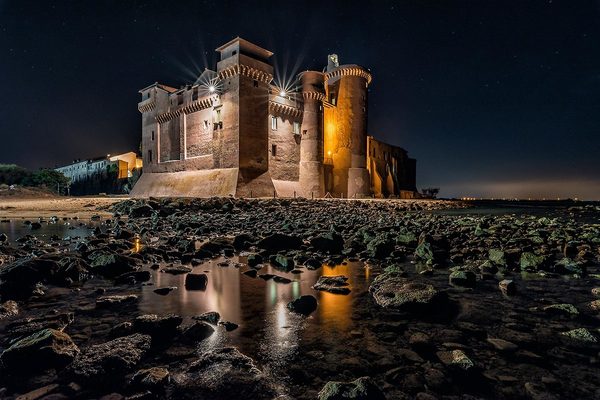
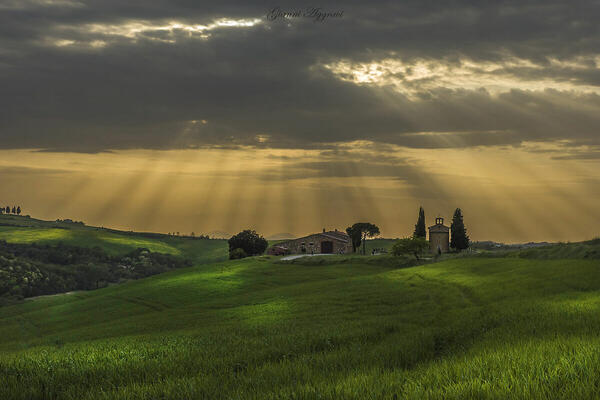
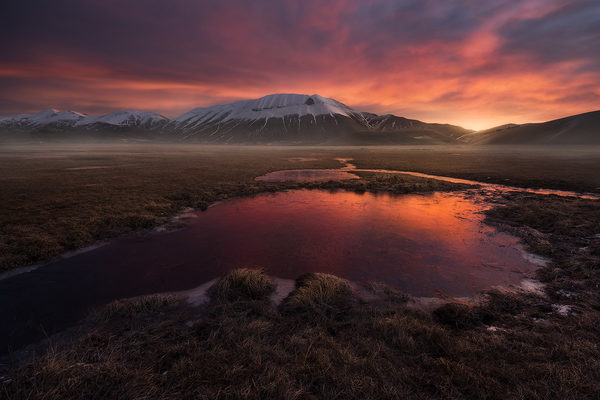
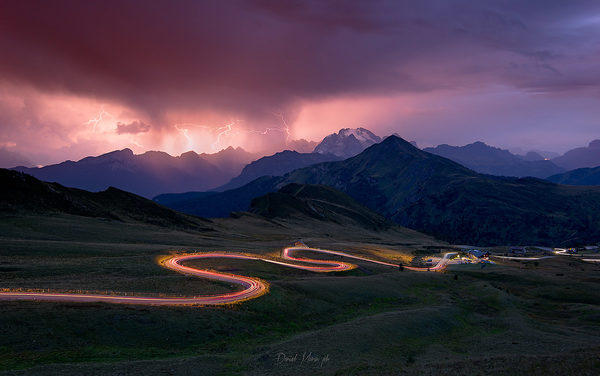
Opinion: Always finding myself a bit long with zooms that on FF stop at 24mm, I have a couple, the need arose to recover a good wide angle. There were many doubts, starting with the unapproachable costs of the usually most popular models, even in the second-hand sector. Then I realized the existence of this 15-30, which I initially looked at with some uncertainty having never used a Tamron. After a while the classic opportunity that you can't miss presented itself and so I took it, I must say with great satisfaction. For me weight and bulk were not this big problem, being used to Sigma Art of which I own three examples. Of course, the need to use plate filters, always an expensive solution, can be a limit, but if you want the 15 mm at f2.8 with this IQ, there are no other possibilities. The quality of the colors and the ability to focus while practically attached to the subject, be careful not to scratch the lens in this way, are other aspects that pleasantly surprised me. Many have talked about flare, but personally I have never seen any, even with full sun in the frame in mornings with a particularly clear sky. Others spoke of difficulty in focusing. Personally I have not encountered it but perhaps it depends on the combination with the camera body. On Nikon D 810, sometimes squeamish, just use group focus and you are protected from any uncertainty, even framing subjects substantially lacking the visual elements that allow the best locking, such as white marble surfaces. The stabilizer works excellently, which together with the f 2.8 allows you to shoot handheld with excellent results even where with other lenses you would feel you should give up. Although it involves some small sacrifices compared to the more extreme wide-angle lenses, which however hardly offer such contained distortions, the extension is such as to make it almost a kind of all-rounder, as in fact it has become in a short time since the moment of purchase. The only real flaw, perhaps, lies in the poor resistance of the cap to come off, not being of the spring type but simply to be slipped on the external surface of the lens hood, which in turn is fixed. In essence, there is no real locking of the cap, which nevertheless extends quite significantly along the barrel. This means that when you take it out of your bag or backpack, you have to be very careful to grab it firmly from the barrel. Otherwise, thanks to the weight of the lens, you could find yourself with only the cap in your hand, while the rest falls to the ground with the imaginable results. In this regard, one could perhaps have thought of a bayonet cap coupling, but positioned outside the lens hood, so as to avoid potentially catastrophic events. Apart from this I would say that there is nothing else to report, except the large curvature of the front lens, which together with the reduced protrusion of the lens hood makes it rather exposed to accidental contact. The impossibility of mounting screw filters requires you to use the lens with due care. In short, for me the 15-30 was a big surprise that aroused the desire to try other lenses from this manufacturer. Maybe right on the focal lengths to which the products of other brands are unapproachable for my pocket. I therefore hope to recover an 85 f1.8 and maybe even a 70-200 f2.8 which are the missing lenses at a reasonable completion of my kit. |


 The following opinions have been automatically translated with Google Translate.
![[editors pick]](shared_files/layout/ep_badge.jpg)
































 JuzaPhoto contains affiliate links from Amazon and Ebay and JuzaPhoto earn a commission in case of purchase through affiliate links.