|
| sent on 24 Maggio 2023
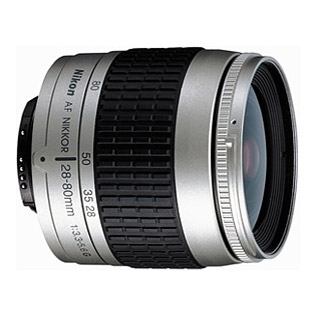
Pros: Non-existent weight and cost, excellent clarity and overall optical quality
Cons: Cheap
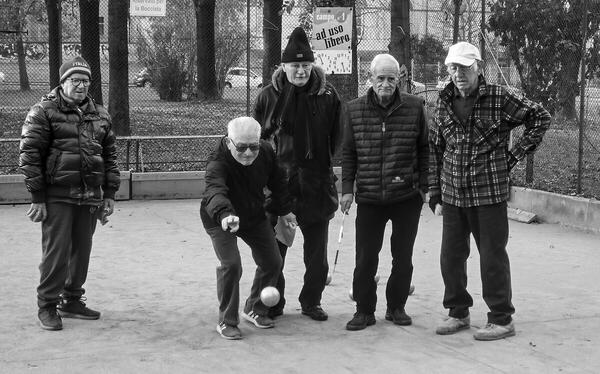
Opinion: I made an empirical comparison of this lens to focal lengths 35 and 50, aperture 5.6, iso 200, on nikon D700 (12.1 Mp) and D780 (24.1 Mp) with the following lenses: NIKKOR 28-105 f/3.5-4.5 D, 28-300 f/ 3.5-5.6 G ED VR, 28-200 f/3.5-5.6 ED G, 35-80 f/4-5.6 AF D, 28-70 f/3.5-4.5 D, 28-80 f/3.5-5.6 D, 35 f/2 AF-D, 50 f/1.8 AF-S G, 50 f/1.4 AF D, ZEISS ZE/ZF.2 Distagon 35mm f/2, ZENITH HELIOS 58 F/1.2, SIGMA 24-70 f/2.8 EX DG MACRO. I filmed a strongly contrasted scene. I considered sharpness (also) at the edges, opening of the shadows and tightness to the highlights, color rendering. In this personal ranking, with all the limits of the case, with both 35 mm sensors win the 35 f / 2 and 28/80 G here in comment, followed by the 28/80D and the 35/80 D (also featherweights from the negligible cost), in third place is the excellent but heavy sigma 24/70; The all-rounder 28/200 and 28/300 come last for mediocre results at the edges, but still good in the middle part of the frame. Beat the zeiss, which weighs three times and costs 10 times as much. The result at 50 mm is more complex. Considering the D780, the 35/80 achieves results almost indistinguishable with the benchmark, i.e. 50 f/1.4. Immediately behind are the 28/80 G and D and the 28-300. The solid and heavier 28-105 and 28-70 are less performing. The helios is a world apart: it is very sharp in the central area, it is manual, it requires an adapter that interrupts any automatism, and has a very particular blur, which you may like or not. With the D700 wins the 50 G f / 1.8, continues to do well in all parameters the 35-80, the sigma is slightly softer but holds the highlights well, the 28/70 D, the 28/80 D and G the 28/105 and in a very accentuated way the all-rounders burn the highlights. The 35-80 is an incredibly light lens (180 gr) with excellent performance even on Nikon D850 (45.7 Mp). The exceptional performance of the 28/80 also leaps to the eye, both D and the even more compact G, referred to in this topic, also a featherweight (less than 200 grams!), at 35 mm of optical yield substantially equivalent to the fixed. In response to these results, these very light, cheap lenses of excellent image quality returned, bring out not only the doubts about the policies of the producers, to which some comments that preceded me have effectively mentioned, but also the absurdity of dragging behind in street or heavy and expensive beasts travels. A nikon D780, plus the 28-80 in question, plus the very light 80-200 f/4.5-5.6 D, plus a bright fifty, you are on the kilo and six hundred grams in all, better than mirrorless. Of course, these products are certainly cheap and fragile, but they cost a few tens of euros! It may make sense to combine a zoom of these with one or two light and bright fixed ones for low-light situations or for blurred portraits. Obviously, then, those who do safaris, birdlife, sports, astronomy, architecture and design, weddings, advertising, catalogs of paintings, journalism, studio portraits will use something else, but it is 1% of cases, and perhaps less, and in any case it is a profession, where professional fatigue and the need to monetize do not coincide with the amateur dimension of simple fun and creative exploration. Lightness is freedom. Elliott Erwitt and Henri Cartier-Bresson used a small rangefinder leica with only the summicron 50 f/2: for them photography, more than an exercise in technical perfection, was to capture the revealing moment, the synthesis of a situation, the expressive simplicity. I think you are more ready to take a good picture if light and identify with the situation, than by fiddling with pounds and pounds of glass intent on assembling and reassembling them continuously. Excessive equipment is counterproductive, while a not excellent resolution at the edges or some small vignetting or chromatic aberration have never diminished a photo that tells something. |


 The following opinions have been automatically translated with Google Translate.






 JuzaPhoto contains affiliate links from Amazon and Ebay and JuzaPhoto earn a commission in case of purchase through affiliate links.