|
| sent on 20 Settembre 2021
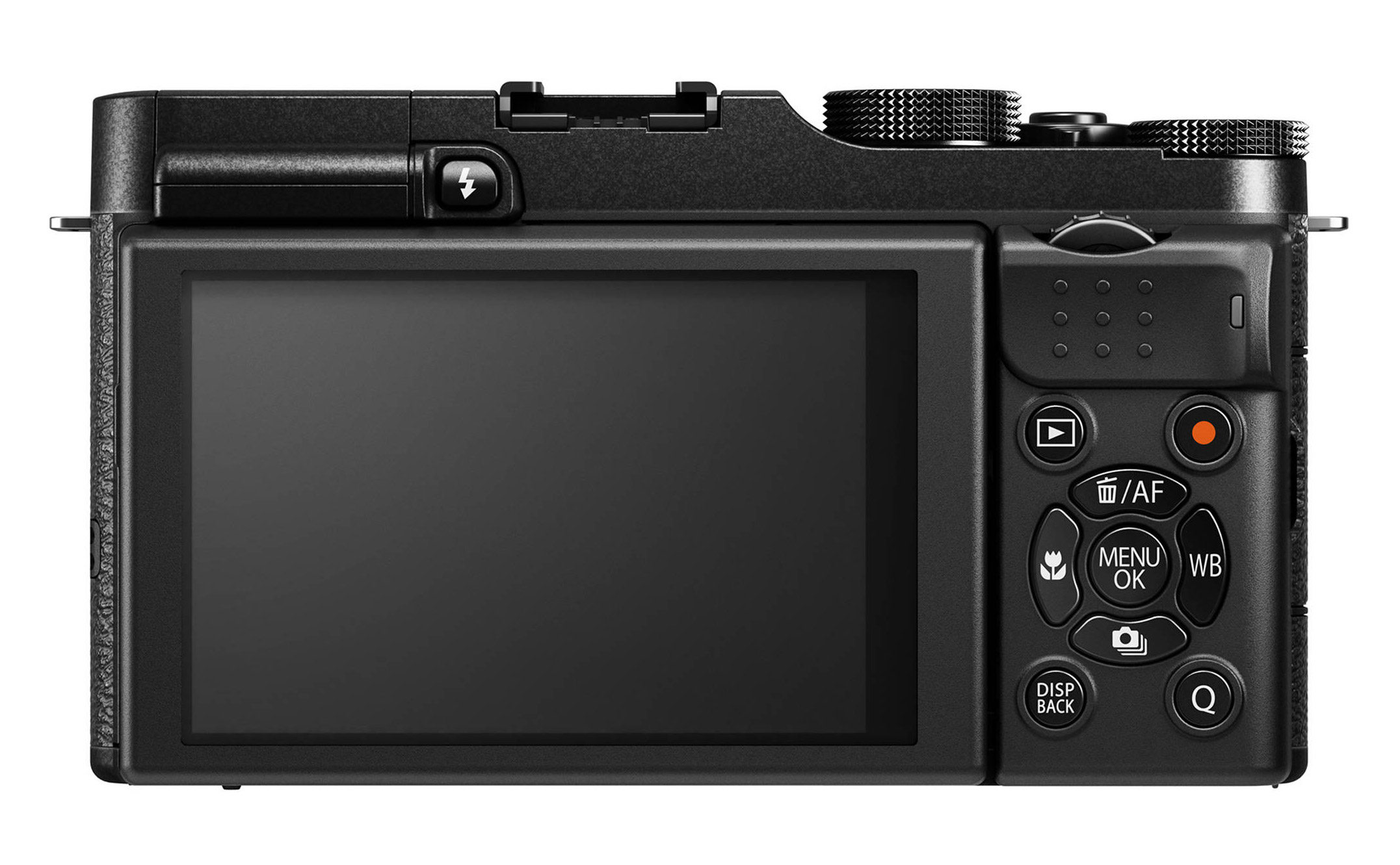
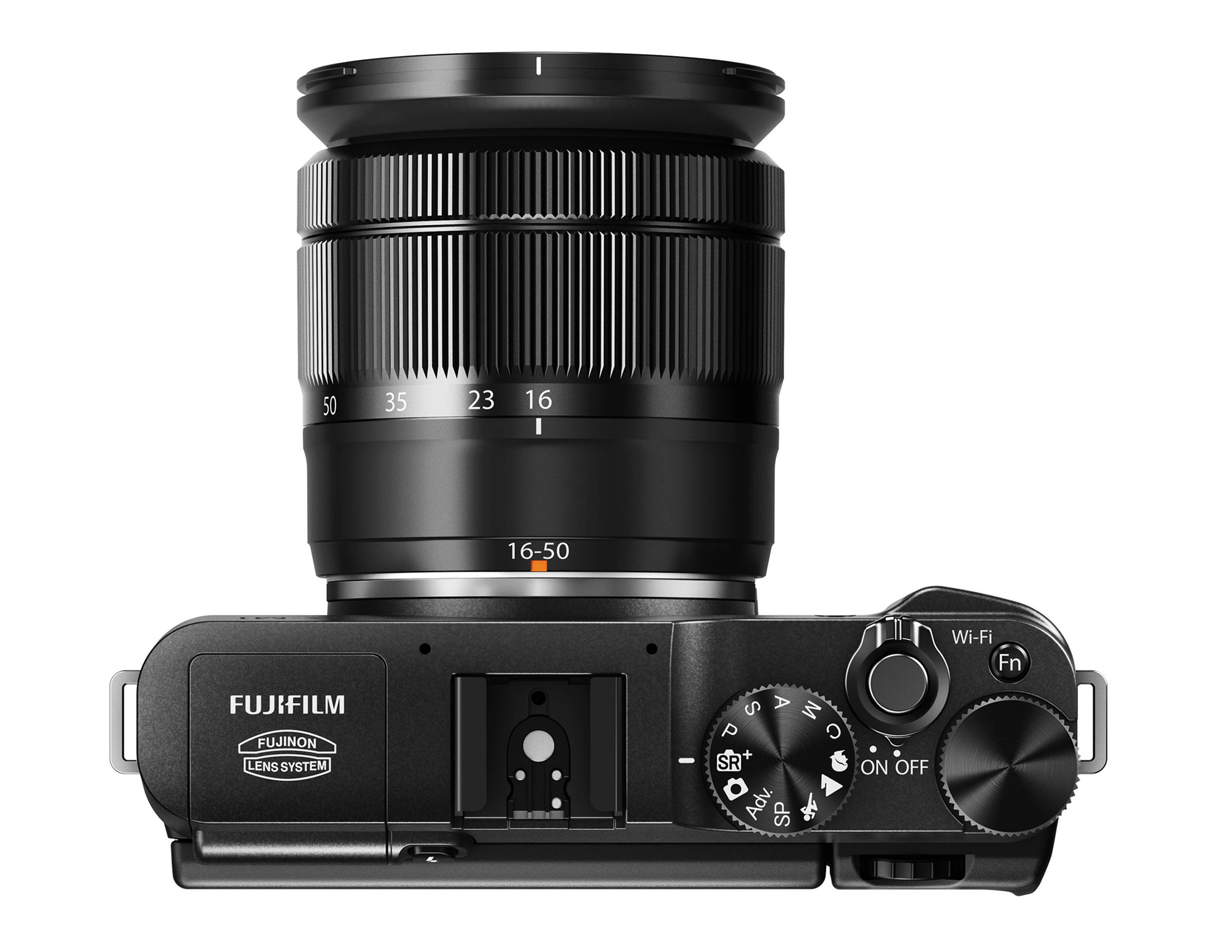
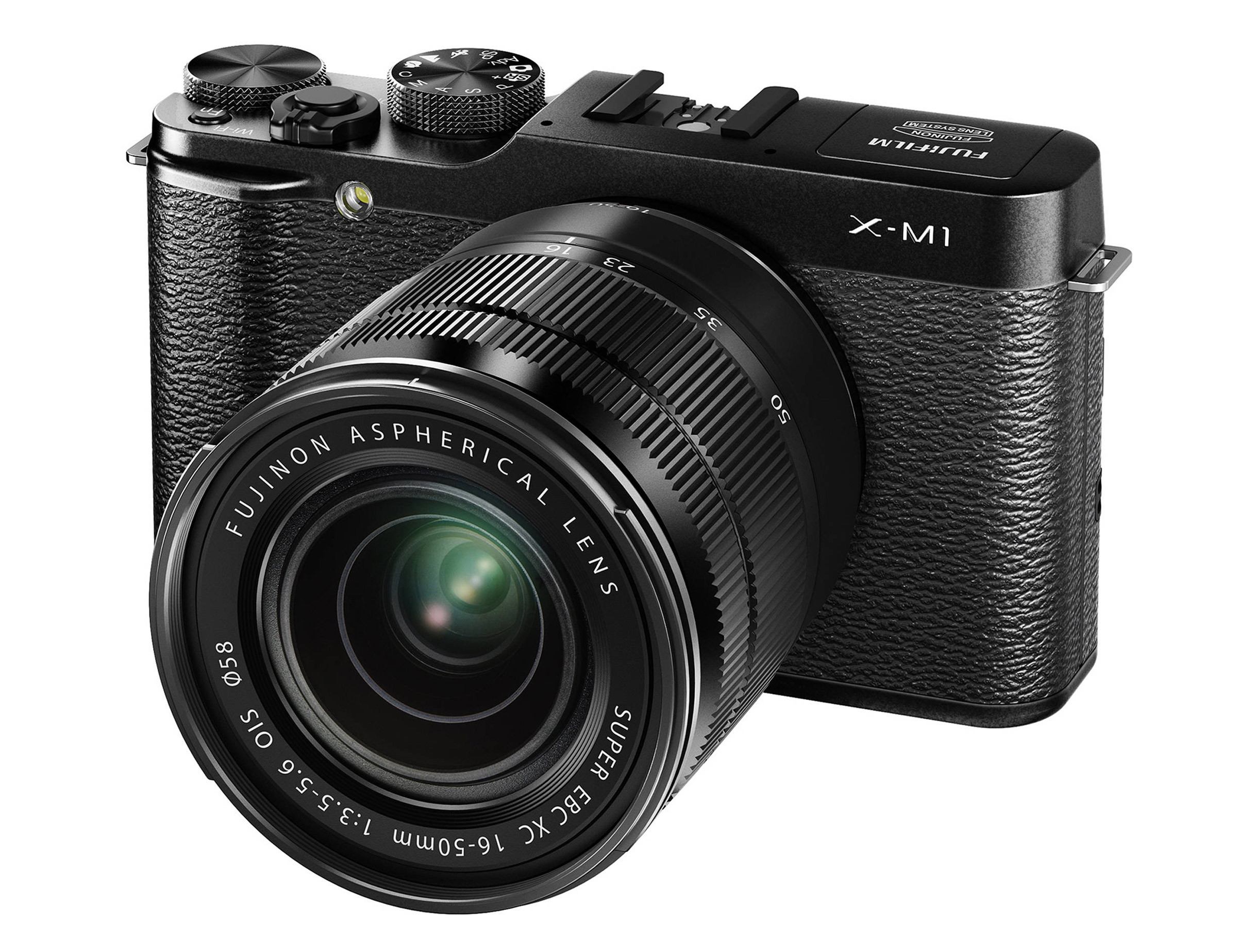
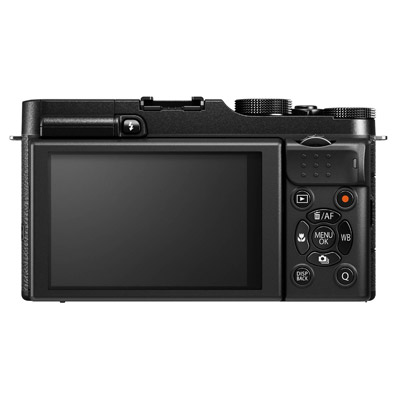
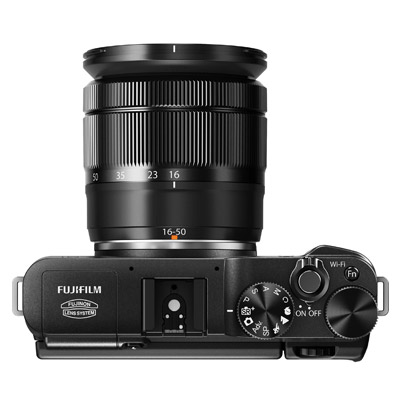
Pros: X-trans 1st generation, small and lightweight, tilting monitor and (for those who use them) Scene
Cons: No level, no noisy shutter, no electronic shutter.
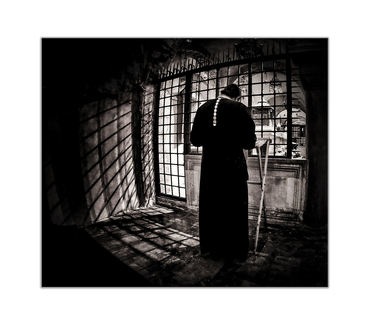
Opinion: A machine from which you get everything you want from an X-Trans sensor, closed in a body reduced to the essentials (from which the X-A1 and all subsequent Bayer models later departed), very light. If desired, they can also add the heaviest lenses, but of course its best use is with light and, if possible, small optics. The sensor of the X-M1, if I am not mistaken, unlike that of the X-E1, is already an evolution of that of the X-pro1 with the inclusion of pixels dedicated to phase detection autofocus, anticipating in this the development of the subsequent X-T1; unlike the latter, raw files fully maintain the qualities of the first generation of X-Trans sensors. For those who love the Biancoenero a bit '"strong", mount the 27mm and set the machine on the Monochrome with a little' contrast means creating a small street monster. The preparation of a machine with the specifications of the X-M1 meant having the tilting monitor and, above all, the Scenes that, although far from the purist philosophy of the first Fuji, represent a nice curiosity. The complete package has unfortunately provided for the elimination of the Level, which especially with machines of casual use I consider necessary, and the adoption of a shutter with a dry and evident sound; nothing scandalous, but in machines that make their elegance and discretion an important component it seems inappropriate to me, given, among other things, that the X-M1 does not even have the electronic shot. Having said all this, I had it, sold and bought it again recently and in double version, too, because the silver & leather one, with the 27 silver, is really too much, too beautiful. |


 The following opinions have been automatically translated with Google Translate.
![[editors pick]](shared_files/layout/ep_badge.jpg)

































 JuzaPhoto contains affiliate links from Amazon and Ebay and JuzaPhoto earn a commission in case of purchase through affiliate links.