|
| sent on 12 Aprile 2021
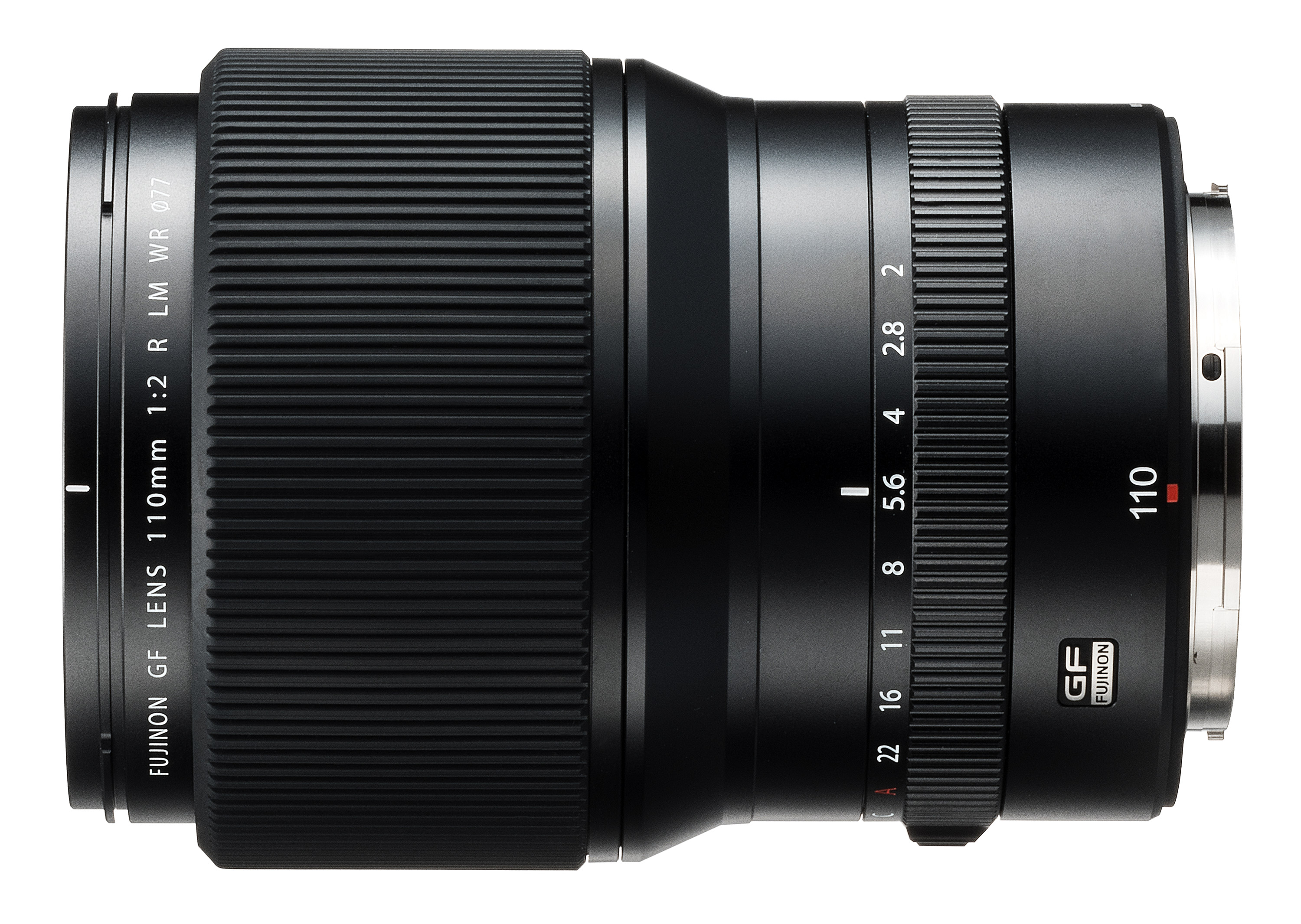
Pros: Very bright, very good optical quality, focal well usable in portraiture.
Cons: Slow and inaccurate autofocus with the GFX 50R, even with static subjects; much better with the GFX 100, but it still goes into crisis as soon as the brightness drops and the subject moves a bit. Ghost Images very evident in certain situations. Certainly the fact of being built with as many as 14 elements in 9 groups, despite being a fixed focal lens and not a zoom, does not help. The only thing you can do is move the device to try to move the stain to an area that you can then cut or correct more easily. The rotation of the focus ring does not directly control the mechanical displacement of the lens elements, but is a digital command, so much so that the targetses do not show a metric scale. You can set the focus in linear or nonlinear mode, rotating clockwise or counterclockwise, but in fact there is too much to turn, it has nothing to do with a classic lens. Except when using the device on tripods with static subject, manual focus is not a great alternative to autofocus, even for those who were used to manually focusing medium-format devices in event photographs, such as weddings. With subjects in constant motion or when you don't have useful references to set the early focus, you are in great difficulty, even trying to use the digital rangefinder in the viewfinder, if you have set it, because there is too much to rotate and in fact you have no reference to the position of the ring.
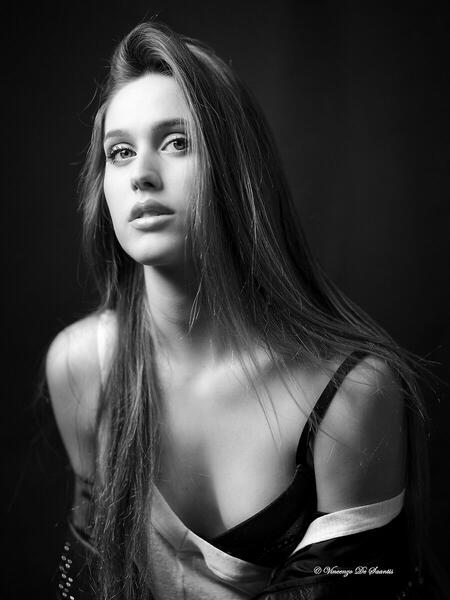
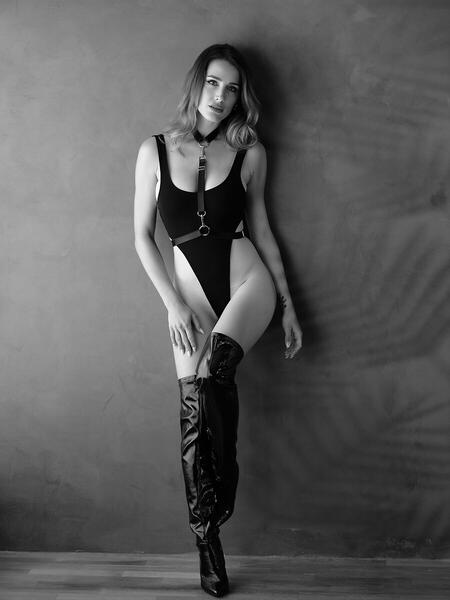
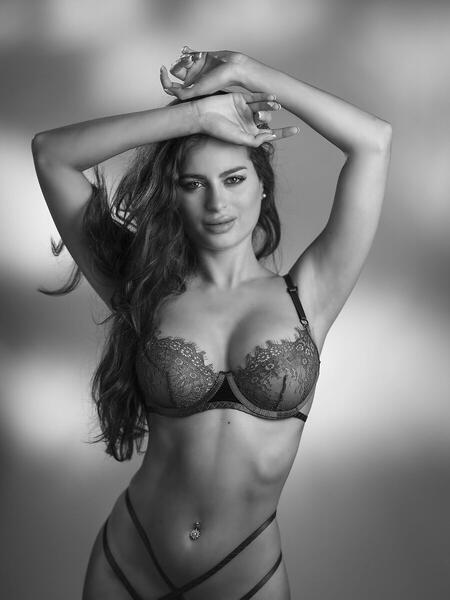
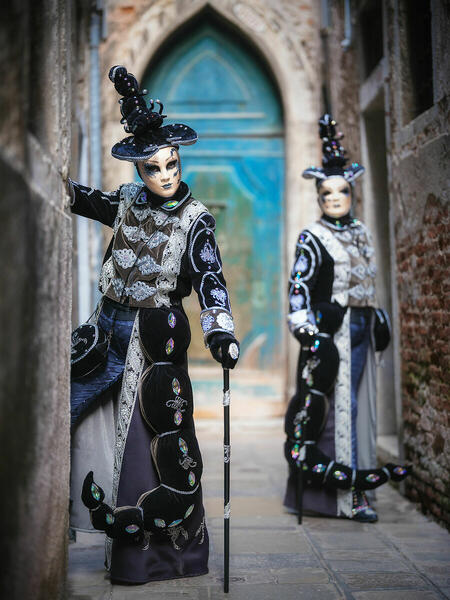
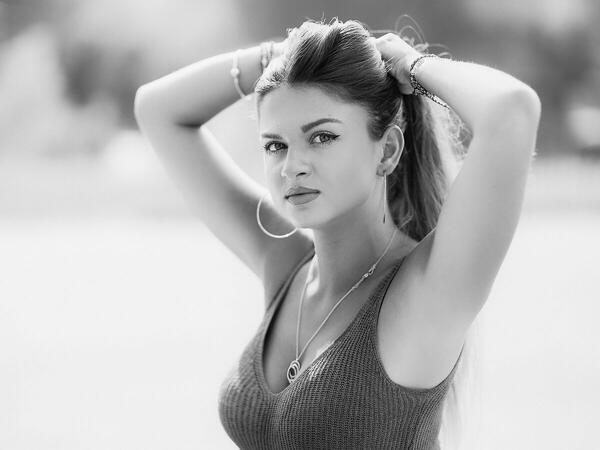
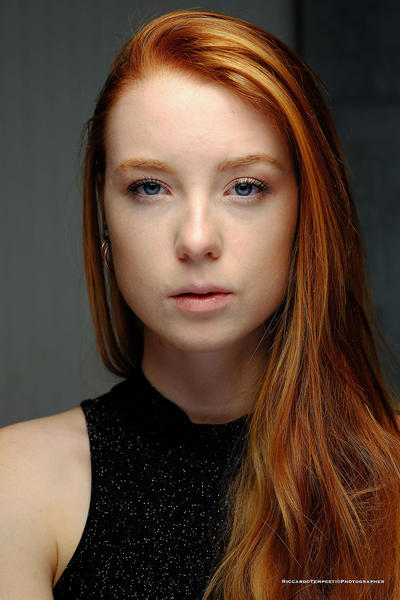
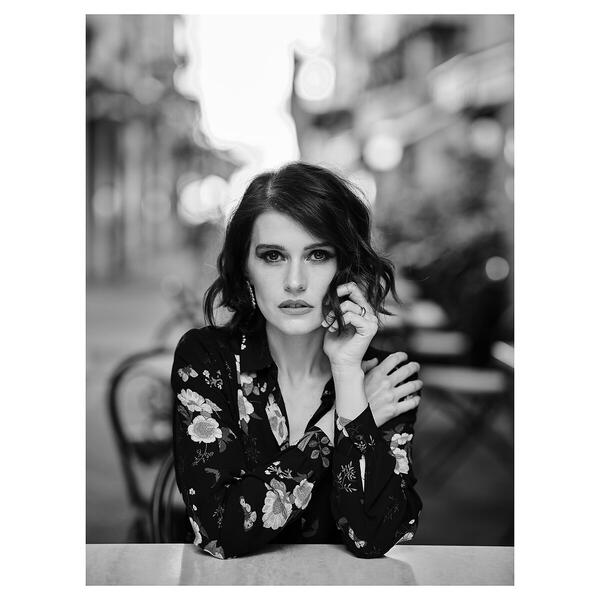
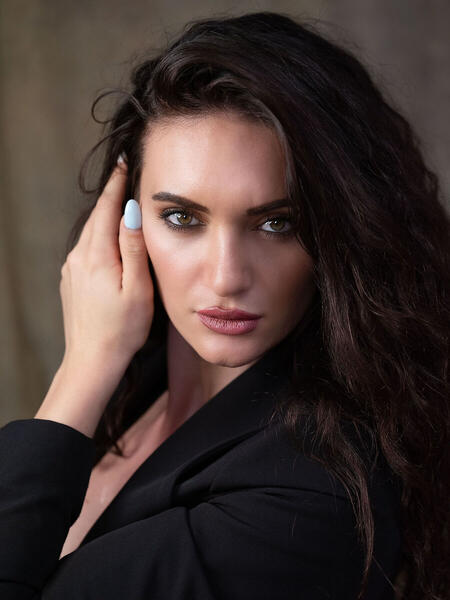
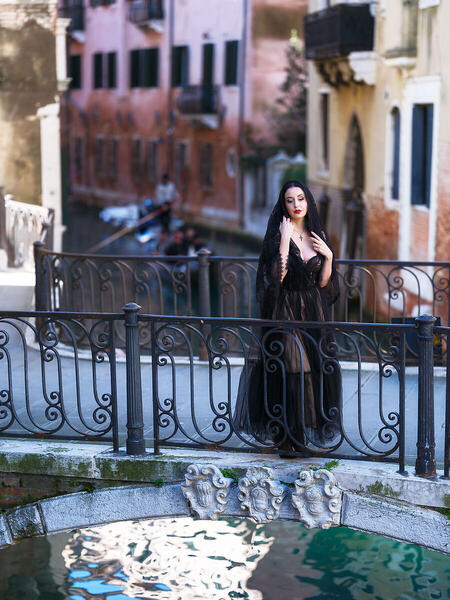
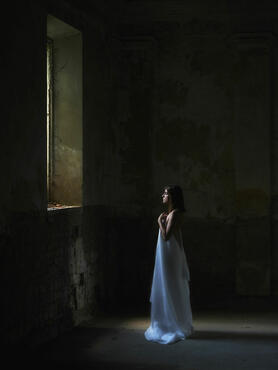
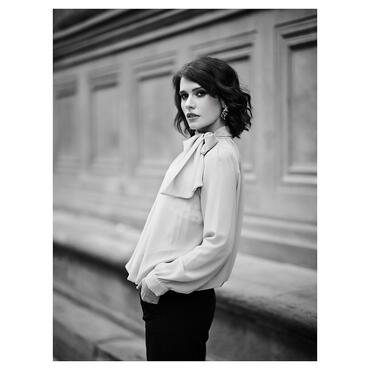
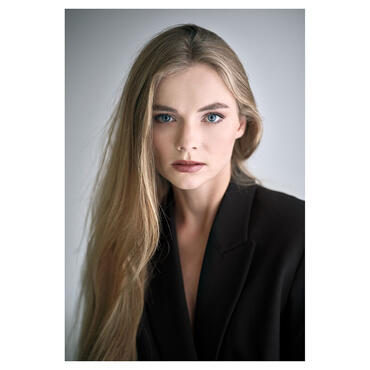
Opinion: With this lens I got images that I really like. At full aperture, F2, it is a soft hair and, in portraiture, the vignetting is negligible. Using the F2.8 lens for a half-figure portrait, the bottom is completely blurry, although it is only one meter from the subject, which is ideal even in relatively narrow spaces. To be used wisely, because especially 100MP do not forgive, they give you everything back: merits and defects, wise or random choices. Even a slight blur compromises the usability of the image. Most often with female subjects I use a filter to soften the image, while with male subjects I use it as it is. Obviously I also work in post production, but in the shooting phase I already try to optimize the images by taking great care of the lights, the exposure and possibly using filters to soften, so that when I show the shots on the monitor people can already have a vague idea of what will be the final result and not be afraid for the resolution often exaggerated in portraits. Warning: Filters that soften images can affect autofocus, making it even unusable. We need to study the situation well, bearing in mind how the autofocus of the device you intend to use works and the different types of filters that help to soften the images. As for the focus, with the GFX 50R it was quite slow and inaccurate, especially with not particularly intense light. With the GFX 100 it is discreetly fast and precise to shoot relatively firm subjects, but loses many shots as soon as there is some action and the light intensity drops. Especially caution when using filters to soften images. The GFX system is designed to use curtain shutters and not mounted central shutters. This promotes the brightness of the lims and contains the costs, but due to a synchro time of 1/125 it places limits in outdoor flash photography with daylight and also in the studio with pilot lamps that produce a color temperature different from those of flash tubes. The GF 110 lens can help produce high-quality images. Very suitable for portraiture. The fundamental question is upstream: is the GFX system suitable for the subjects to be resumed and the scope of work? |


 The following opinions have been automatically translated with Google Translate.


































 JuzaPhoto contains affiliate links from Amazon and Ebay and JuzaPhoto earn a commission in case of purchase through affiliate links.