|
| sent on 23 Aprile 2025
Pros: Image quality, dynamic range, autofocus
Cons: Ergonomics, lack of second memory slot, sensor not stabilized.
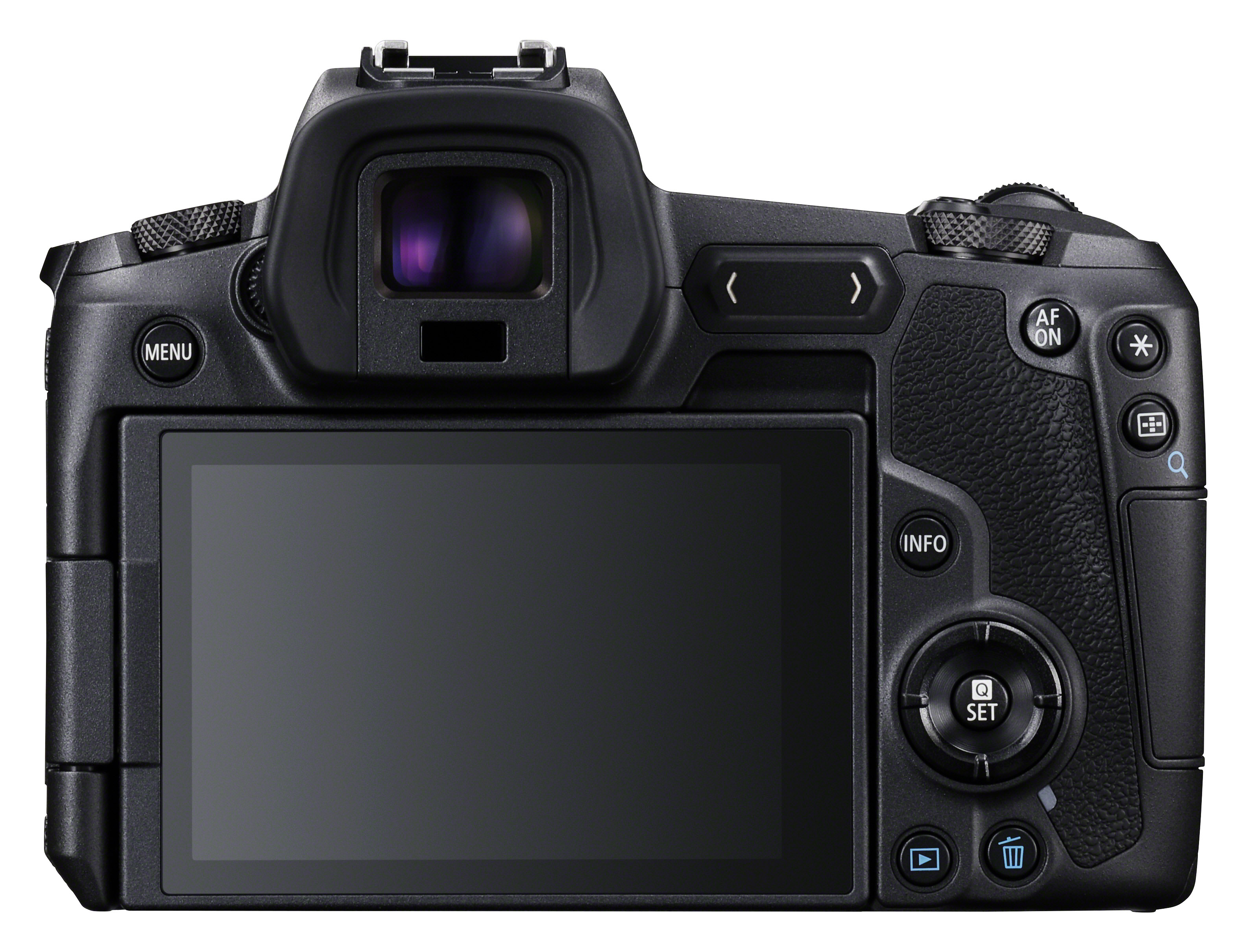
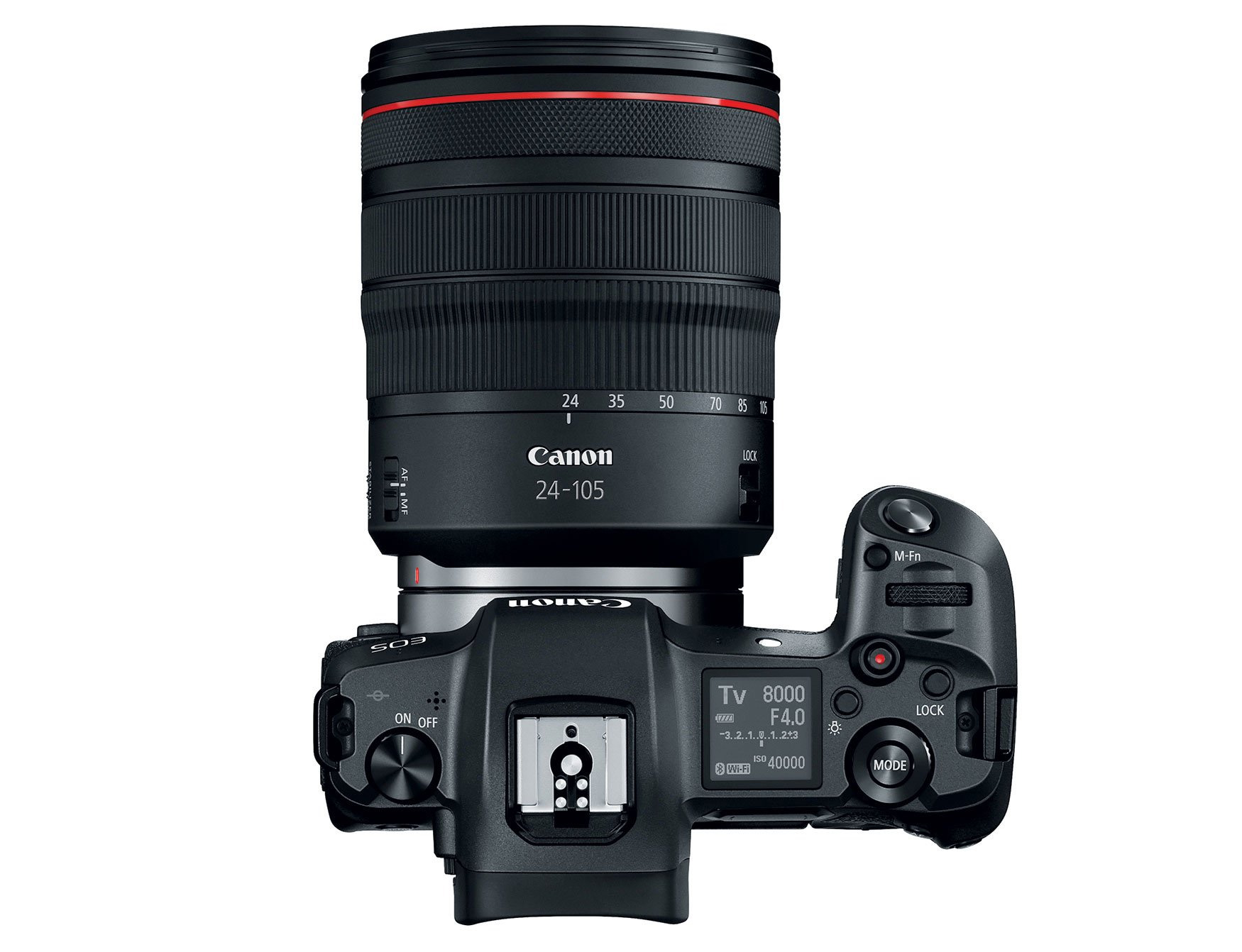
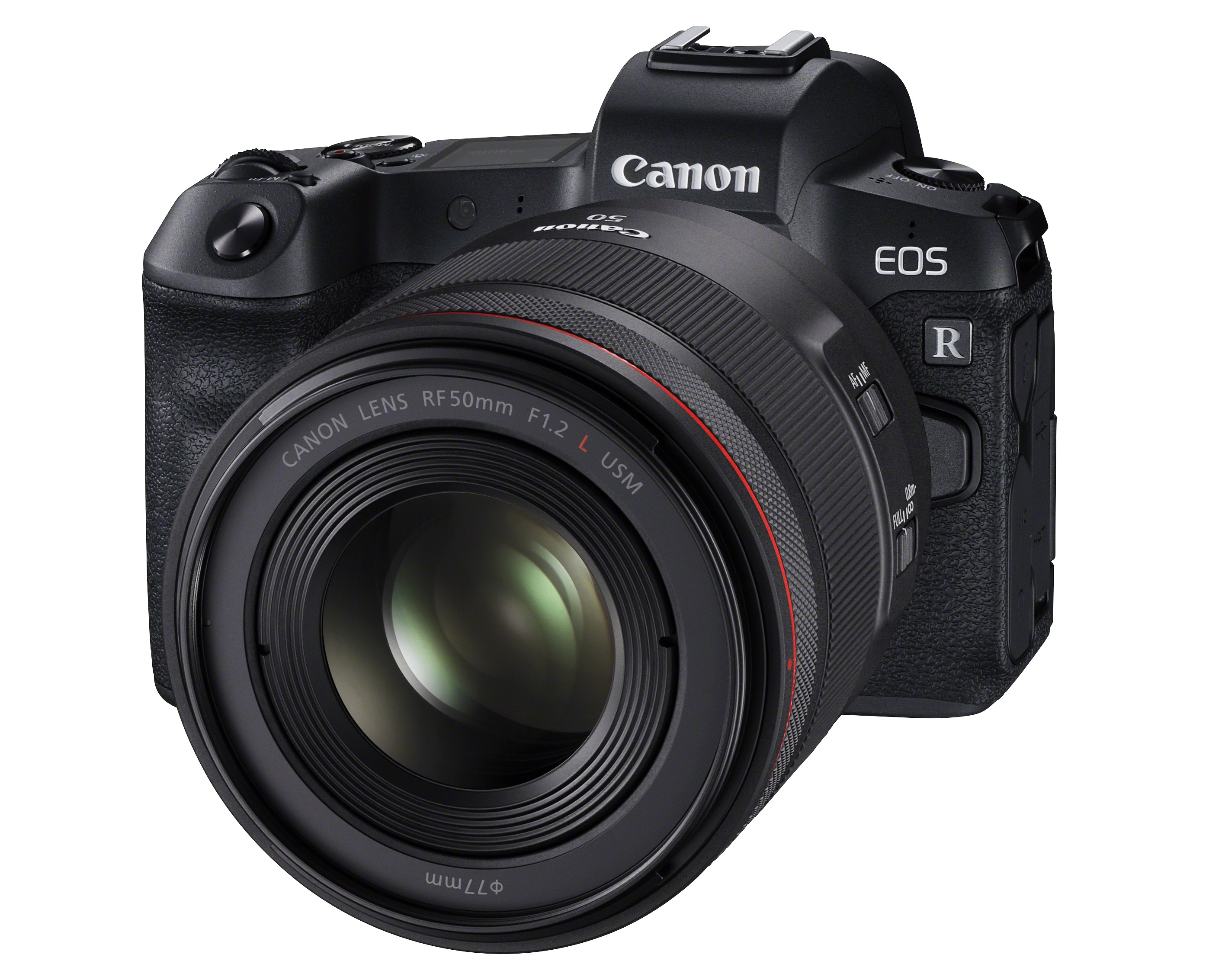
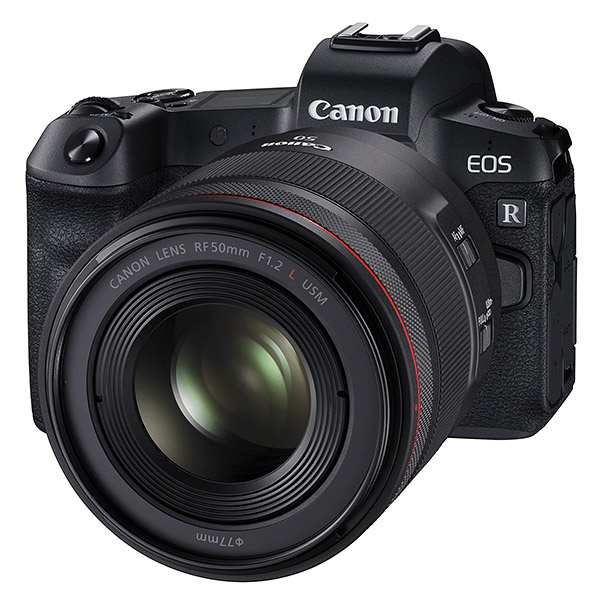
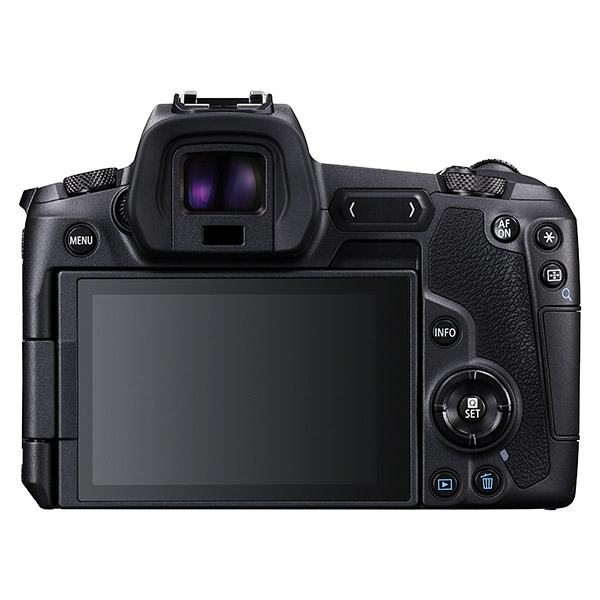
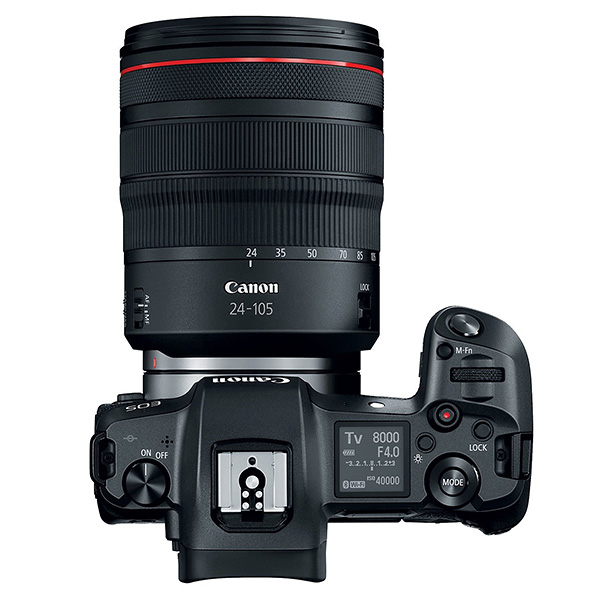
Opinion: After about two months of use I make the comparison with the previous camera, Panasonic G9, for the benefit, I hope, of those who are thinking of making the transition from an advanced micro 4/3 to this FF. I say right away that the EOS R comes out defeated for a lot of things: ergonomics, understood above all as the number and arrangement of the buttons, lack of the joystick, absurd forced ignition with the left hand, absence of the physical button to change AF mode; on the function side, the lack of the double slot, the sensor not stabilized, and I leave out the differences on the video side because personally they have a marginal importance, but even here there is an abyss. The G9 is, in all respects, a flagship that fears no comparison with any camera in terms of ergonomics and functions, an enormous versatility that justifies its volume and weight. So I made a sensational leap backwards? Yes, for almost everything. After that, once I have become familiar with at least the basic functions necessary for me, I look at the final product of the EOS R, which is the substance: the files. And here the music changes, The EOS R shows warm and three-dimensional 30M RAW, that typical Canon color that I have always loved and admired to canonists. A fine but not hyper-sharp detail, very nice for portraits. Then an excellent AF management, even if less functionally evolved than the G9; a dynamic range that before I could only dream of, testifying to the fact that with the FF you can have a high quality even if you make mistakes, within certain limits. The micro 4/3, as we know, is much less forgiving, so it remains a formidable gym But after 10 years I felt the need to change, without regret. |


 The following opinions have been automatically translated with Google Translate.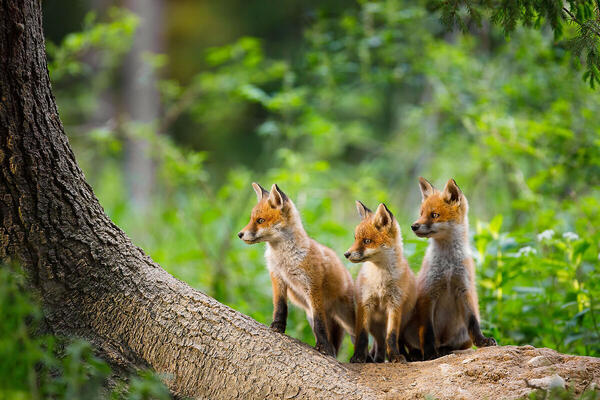
![[editors pick]](shared_files/layout/ep_badge.jpg)































 JuzaPhoto contains affiliate links from Amazon and Ebay and JuzaPhoto earn a commission in case of purchase through affiliate links.