
| Accept Cookies | Customize | Refuse Cookies |
|
 |
 The following opinions have been automatically translated with Microsoft Translator.
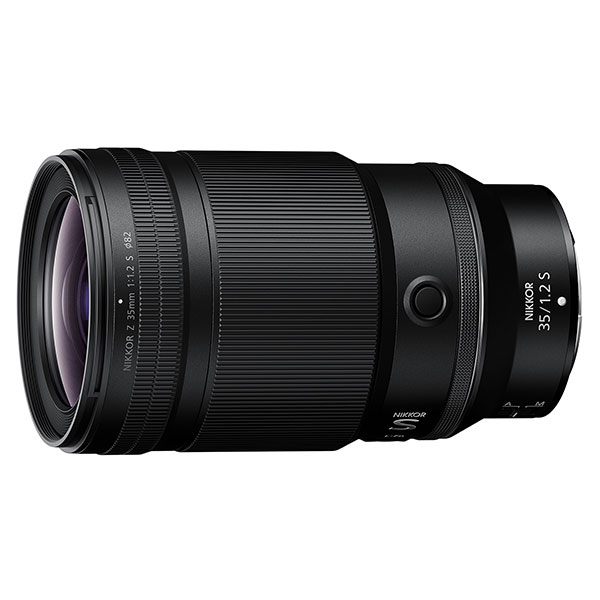 |
Nikon Z 35mm f/1.2 S Pros: Resolution, bright but controlled colors, fairly gradual and mellow out of focus; very high flare resistance, much more than its older brothers, excellent AF and absent focus breathing on the Z8 and ZR. Nice lens hood. Cons: Made in Thailand, totally useless and also quite ugly microfiber case. No fluorine coating on the outer lenses for no one knows what reason. Opinion: Lens with a cinema lens core for full frame. Having also the Sigma 35mm f/1.2 DG Art II and the Viltrox AF 35mm f/1.2 LAB that I use on Sony A7V and which are two excellent lenses at a much lower cost than the Nikkor, I wondered, initially, why Nikon had thrown itself into such a complex (17 lenses in 15 groups with exotic elements such as aspherical low dispersion) and expensive that made this lens so uncompetitive on the market compared to the other two. The answer came on the general balance of the optics, on the painstaking control of the rendering and on the video: there is no comparison with its competitors and it must be tested in the daily workflow to understand it. If your main field of work is photography, the Sigma probably covers everything you need very well, even if with eddy lights it has some problems, if you also make videos and want cinematic quality and not the 'camera clip' look, on the other hand, Nikon is the best choice. sent on 29 Aprile 2026 |
 JuzaPhoto contains affiliate links from Amazon and Ebay and JuzaPhoto earn a commission in case of purchase through affiliate links.
May Beauty Be Everywhere Around Me

