|
| sent on 29 Aprile 2026
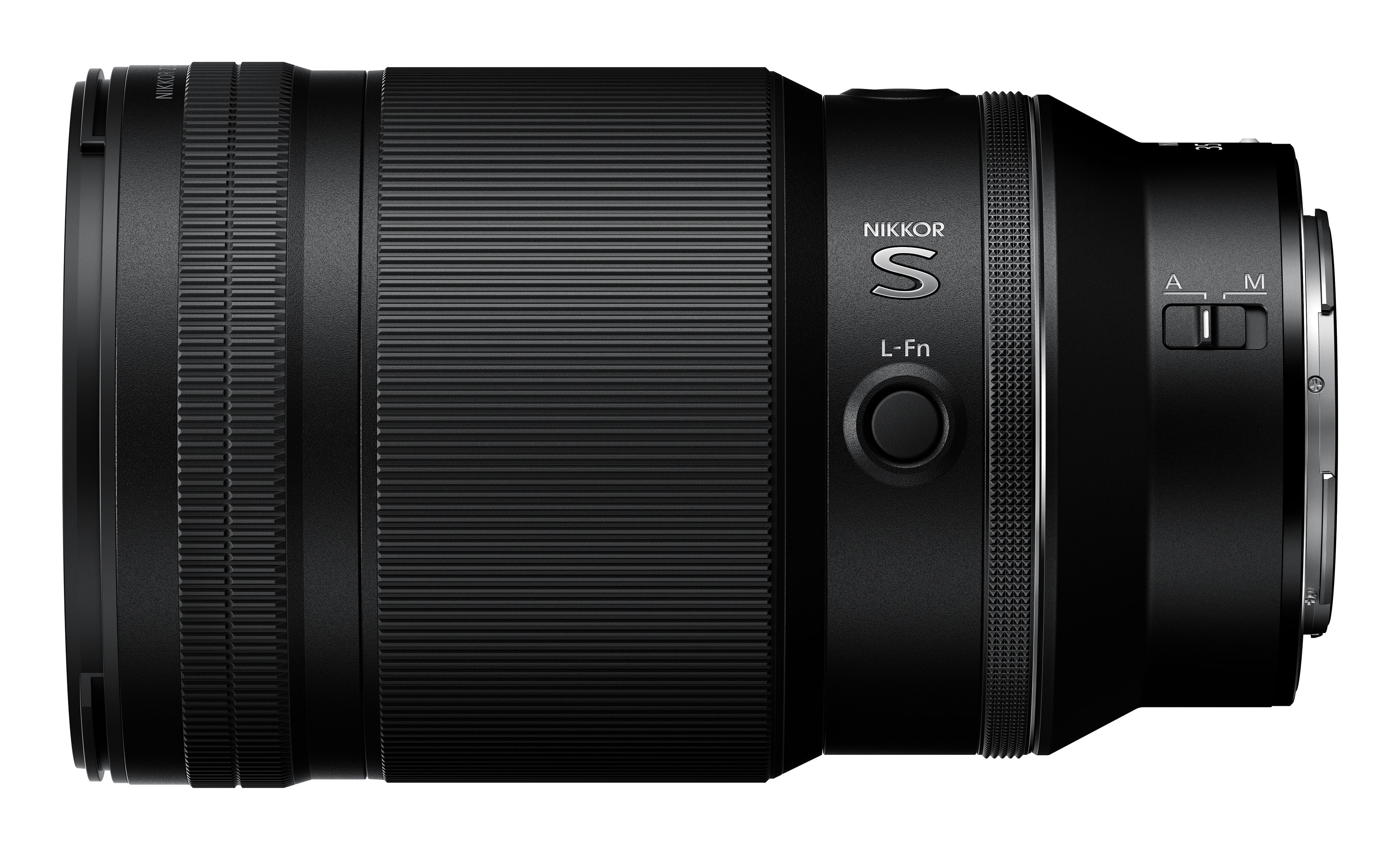
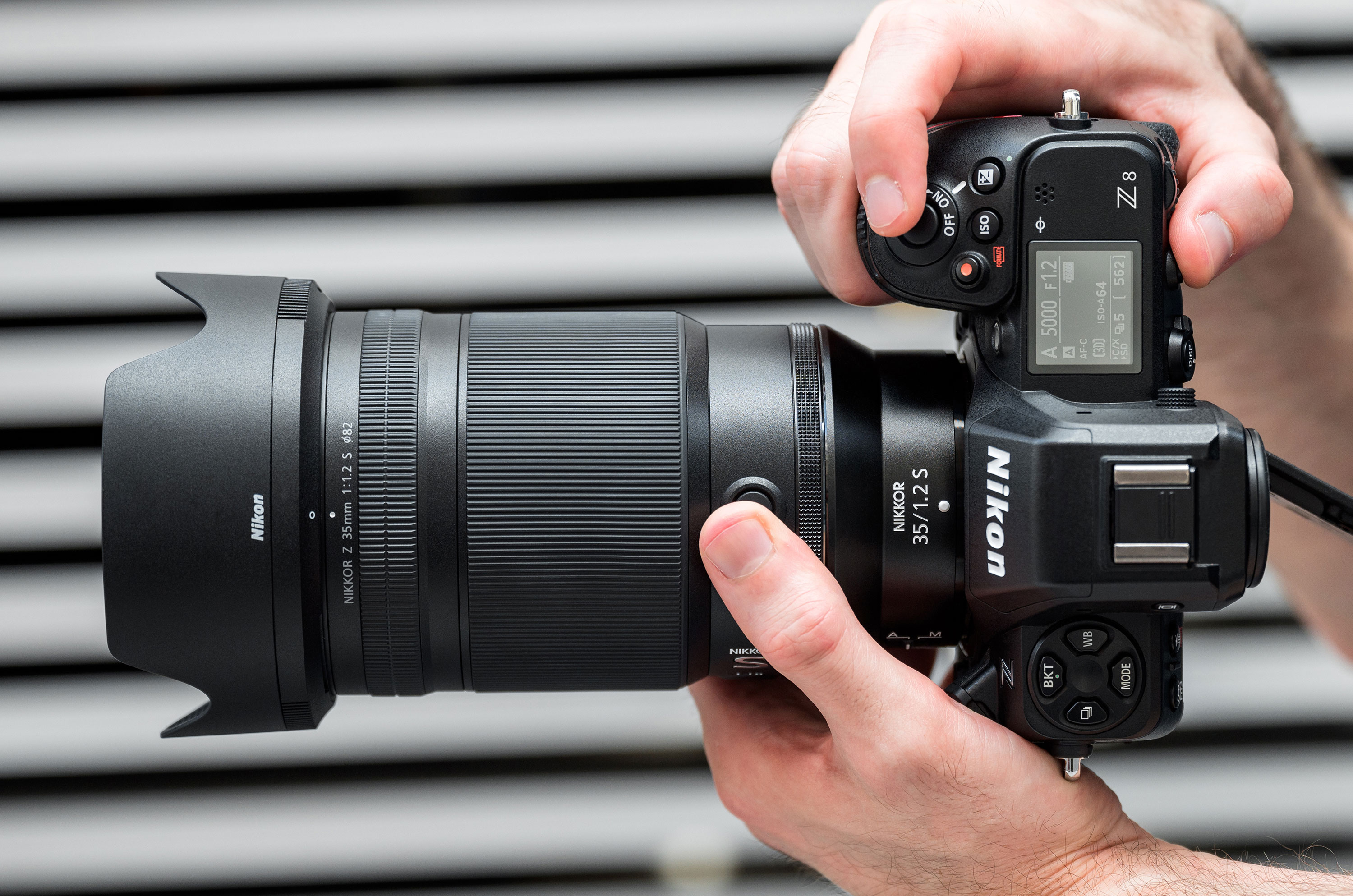
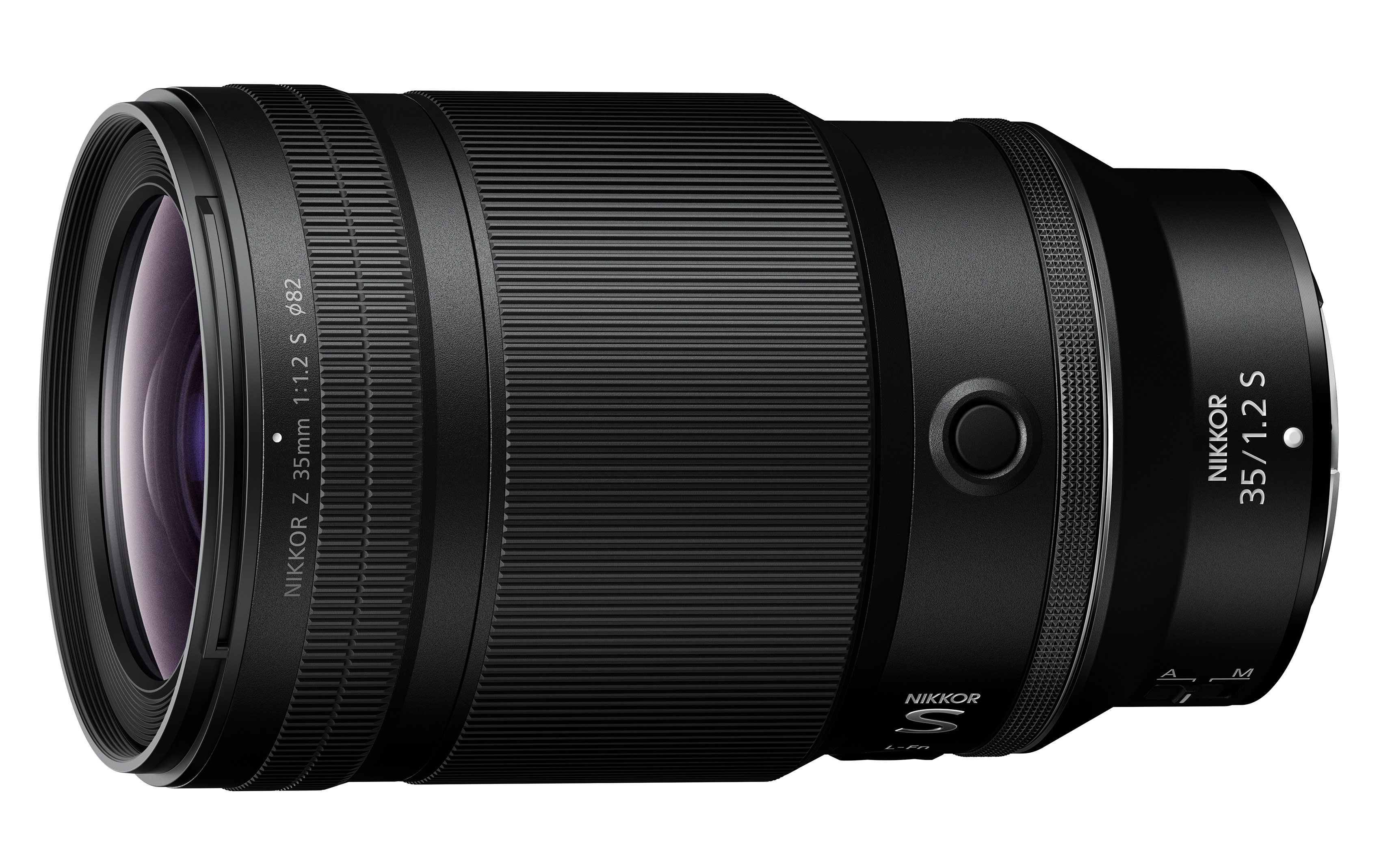
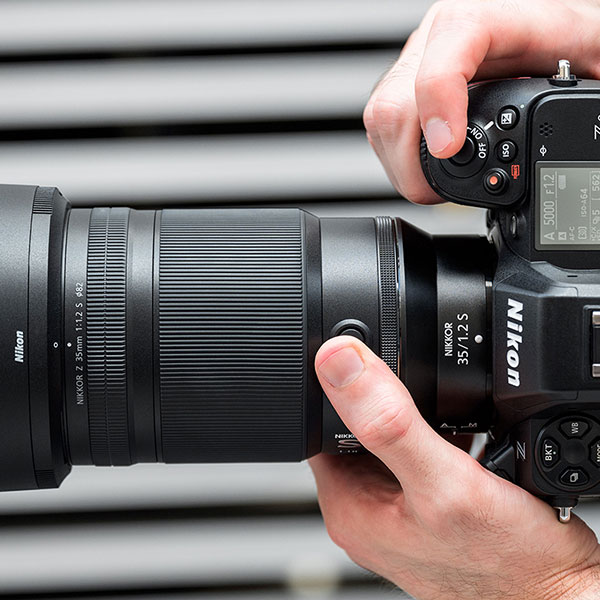
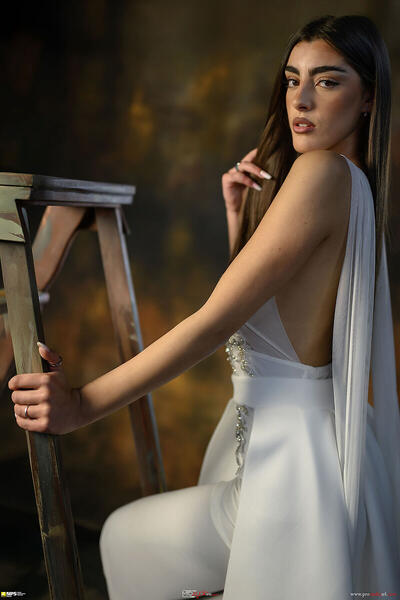
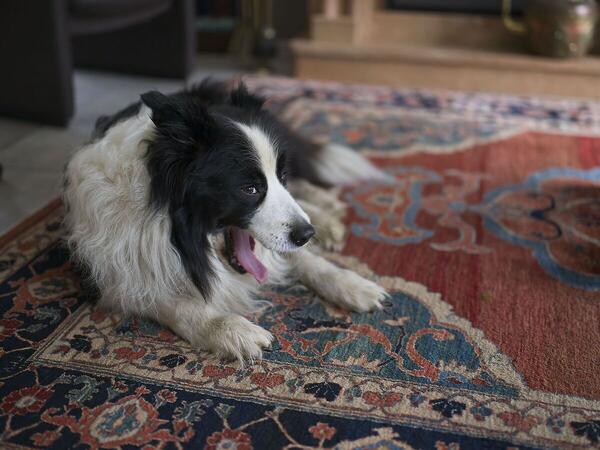
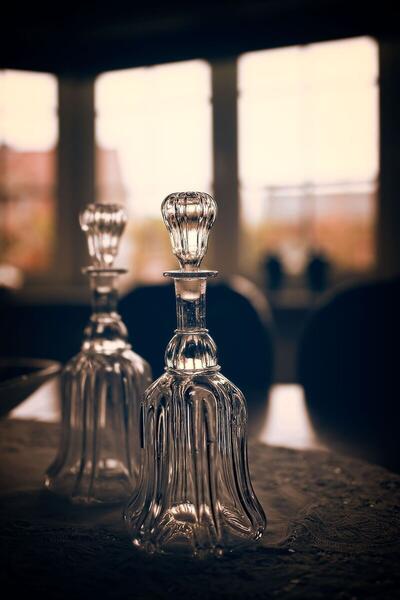
Pros: sharpness (even in backlight), color and contrast rendering, resolution, three-dimensionality, medium format look, blurred (and bokeh), aberration treatment: very high resistance to flare, much more than its older brothers, field curvature correction, chromatic aberration correction, negligible (-1.11%) and linear barrel distortion, coma correction. Excellent AF and no focus breathing on the Z8 and ZR. Nice lens hood. Uncompromising optical design construction. Tropicalization.
Cons: Made in Thailand and totally useless and also quite ugly microfiber case. No fluorine coating on the outer lenses.
Opinion: Lens with a full frame cinema lens soul and that reminds me, for consistency and naturalness of the image, quality of the blur and colors, gradualness of the blur with respect to the plane of focus, rendering in backlight (even in the most perverse of configurations), contrast, three-dimensionality and absence of focus breathing the ARRI Master Prime 35mm T1.3, a lens with which I will soon make a comparison on the forum, but also (in some ways) Leica's Summicron line with which it shares the construction philosophy of the lens diagram. Having also the Sigma 35mm f/1.2 DG Art II and the Viltrox AF 35mm f/1.2 LAB that I use on Sony A7V and which are two excellent lenses (the Sigma more balanced, the Viltrox winks more at social taste) at a much lower cost than the Nikkor, I wondered, initially, why Nikon had thrown itself into such a complex project (17 lenses in 15 groups with exotic elements such as aspherical at low dispersion) and expensive that made this lens so uncompetitive on the market compared to the other two and placed it on a price range that was typical of Leica. The answer came on the general balance of the optics, on the painstaking control of rendering and on the video: there is no comparison with its competitors and it must be tested in the daily workflow to understand it; the only limit it has is the full frame, because it is a cinematic quality lens, I will never stress this point enough, which if it were not for the limits of the sensor I would struggle to distinguish from my prestigious ARRI by Zeiss. If your main field of work is photography, probably the Sigma covers everything you need very well, even if with flares it has some problems, if you also make videos and want a cinematic quality and not the look of a 'camera clip', instead, I have no doubt: Nikon. |


 The following opinions have been automatically translated with Google Translate.



















 JuzaPhoto contains affiliate links from Amazon and Ebay and JuzaPhoto earn a commission in case of purchase through affiliate links.