|
| sent on 24 Agosto 2025
Pros: Materials, construction, dimensions, defects (in specific cases), price
Cons: Impressive field curvature, sharpness, laborious focusing, (quality control?)
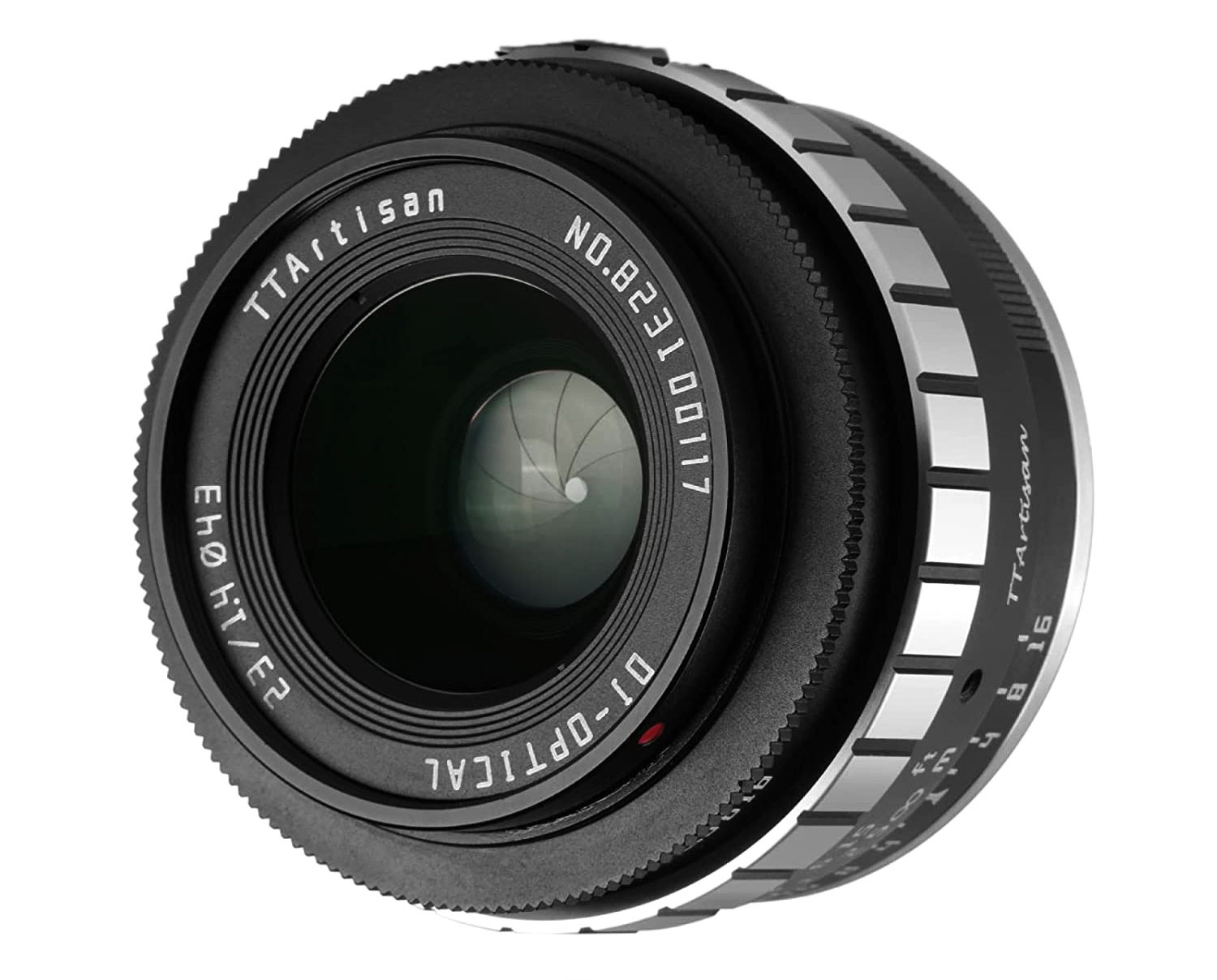
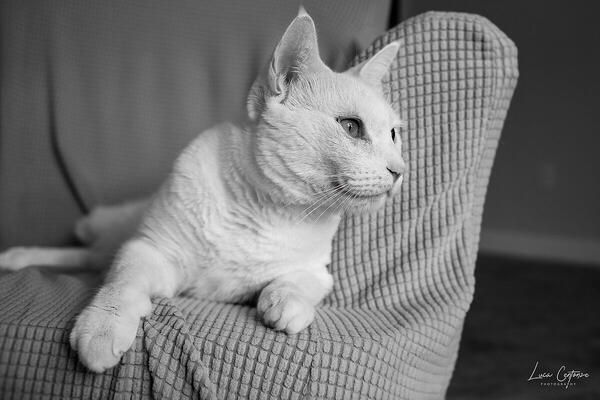
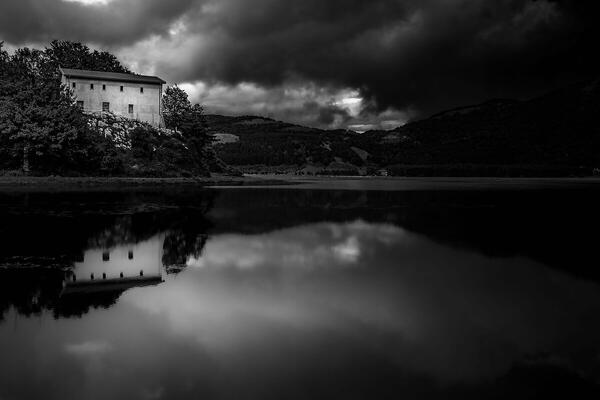
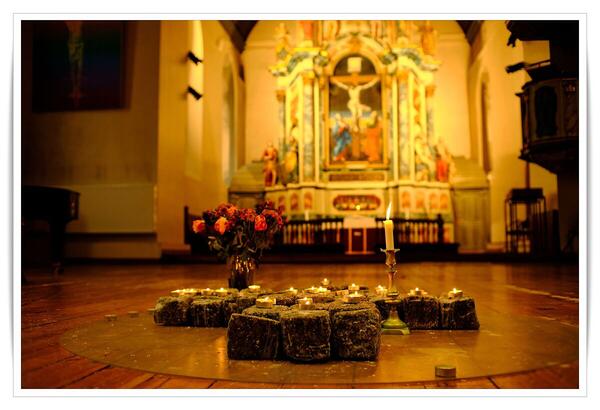
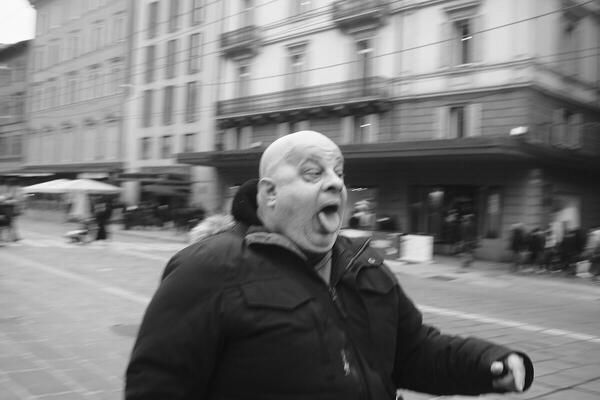
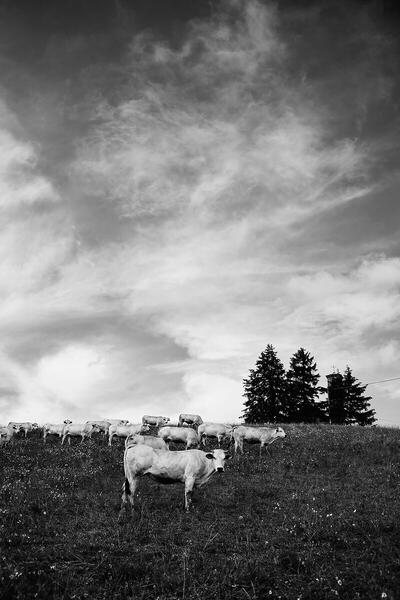
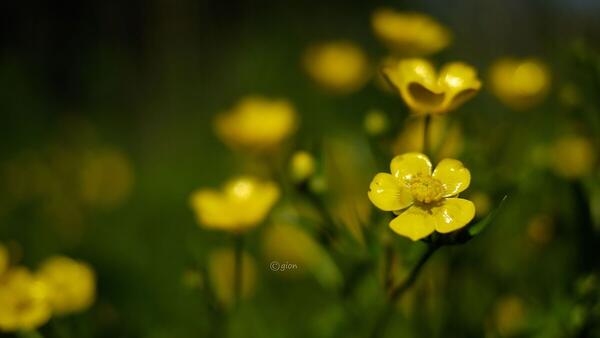
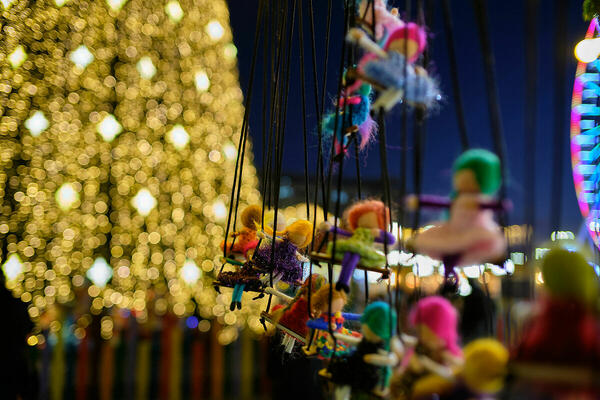
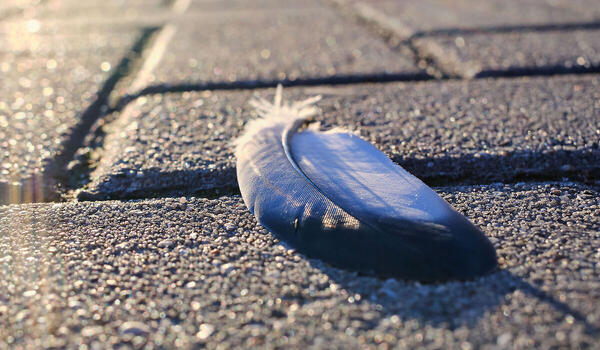
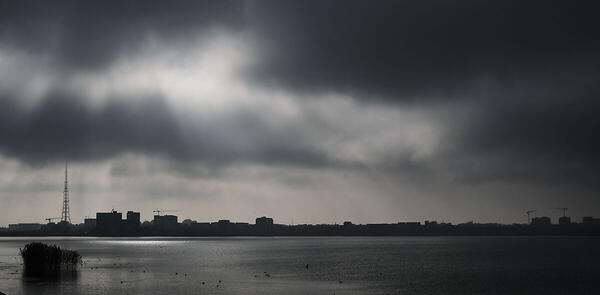
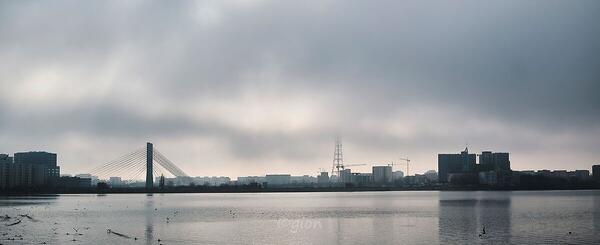
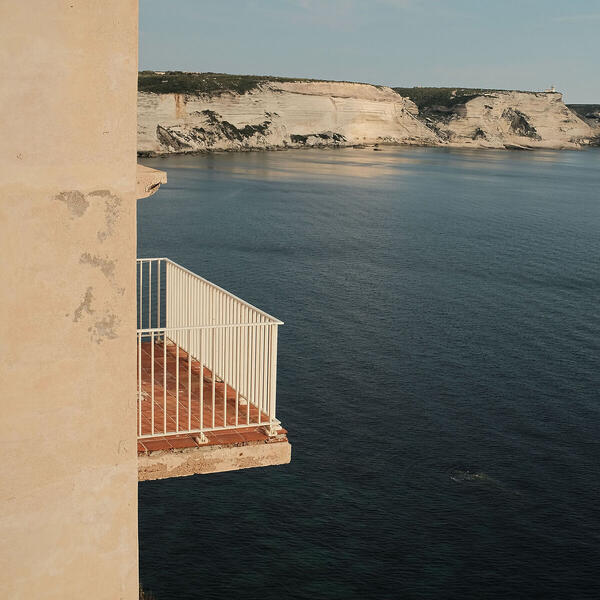
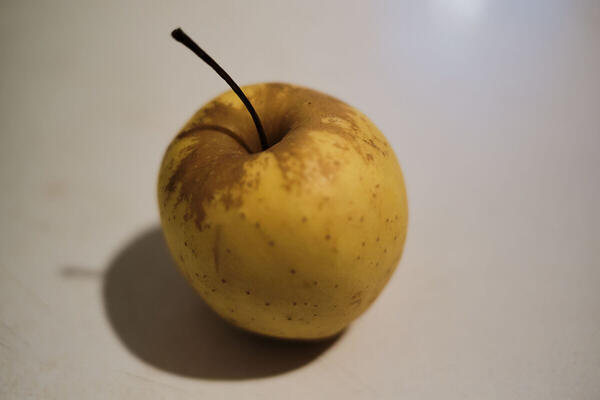
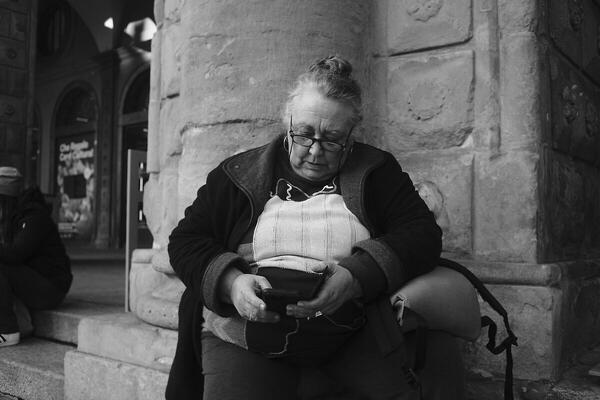
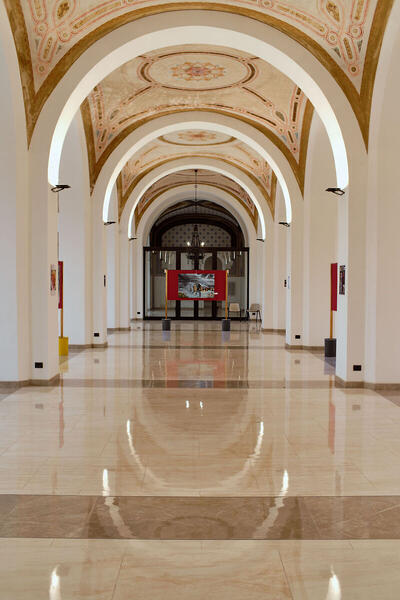
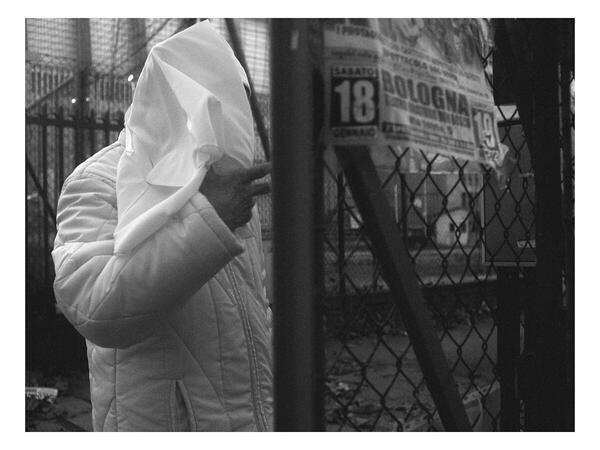
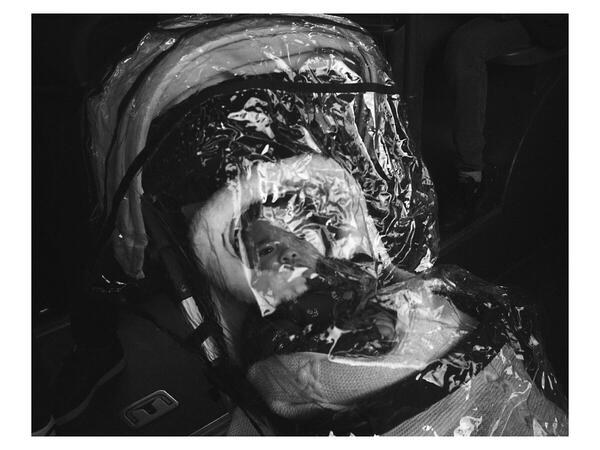
Opinion: Premise: version for NIKON Z, maybe on other mounts it is better? From other reviews comes a bit this suspicion, or that I have happened to have a faulty specimen. Paid used at 60 euros. In any case, the metal construction (it's small but heavy!), the rings that move well, the aperture are appreciable. The flare or ghosting that many complain about are actually quite contained and visible only at certain angles with respect to the light source which, in many cases, does not disturb even if it hits the front lens directly. The optical defects, however, are many and considerably limit its use, above all the curvature of the field: never seen such a thing in any other lens, not even in very old wide-angles for analog reflexes. In short, for long-distance subjects up to f/5.6 the images are almost unusable, in fact the sharpness has a "wave" trend: focusing in the center of the frame (note: in this case the focus will not be at infinity), it is there on the edges, missing in the middle areas and returns to the center; Focusing in the middle area (note: in this case the focus is at infinity, i.e. at the end of the focus ring), there is almost the opposite behavior with especially the center remaining out of focus. Focusing in the center and closing to f/8, the image is sharp on almost the entire frame, remaining a little blurred only at the extreme corners, *provided* that you focus with great precision (as mentioned, the focus will not be at infinity), which is anything but easy because it takes very little to get the exact point of focus wrong and you must also use the maximum magnification to reach the precision required not to blur. At f/16 there is diffraction. For subjects placed at two meters things are a little better for the curvature of field, as long as you focus on the middle part and not the center: doing the test on a library and closing at least at f/2.8-f/4 the image is sharp on most of the frame as long as you use this precaution, focusing in the center, on the other hand, the middle part around the center will be blurred. Finally, at full aperture all these defects are even more evident with the aggravating circumstance that the sharpness remains mediocre even where you choose to focus (including the center of the image). So in summary: the only aperture that can be used for good results (including landscapes) is f/8. At wider apertures, the defects can be interesting for portraiture or photos with a vintage or conceptual character, also because the blur is not bad. |


 The following opinions have been automatically translated with Google Translate.



 JuzaPhoto contains affiliate links from Amazon and Ebay and JuzaPhoto earn a commission in case of purchase through affiliate links.