|
| sent on 25 Aprile 2024
Pros: compactness, build quality, no CAs, very etched and easy, contacts for data communication to the camera body, filter diameter 62mm
Cons: vignetting, backlit ghosting
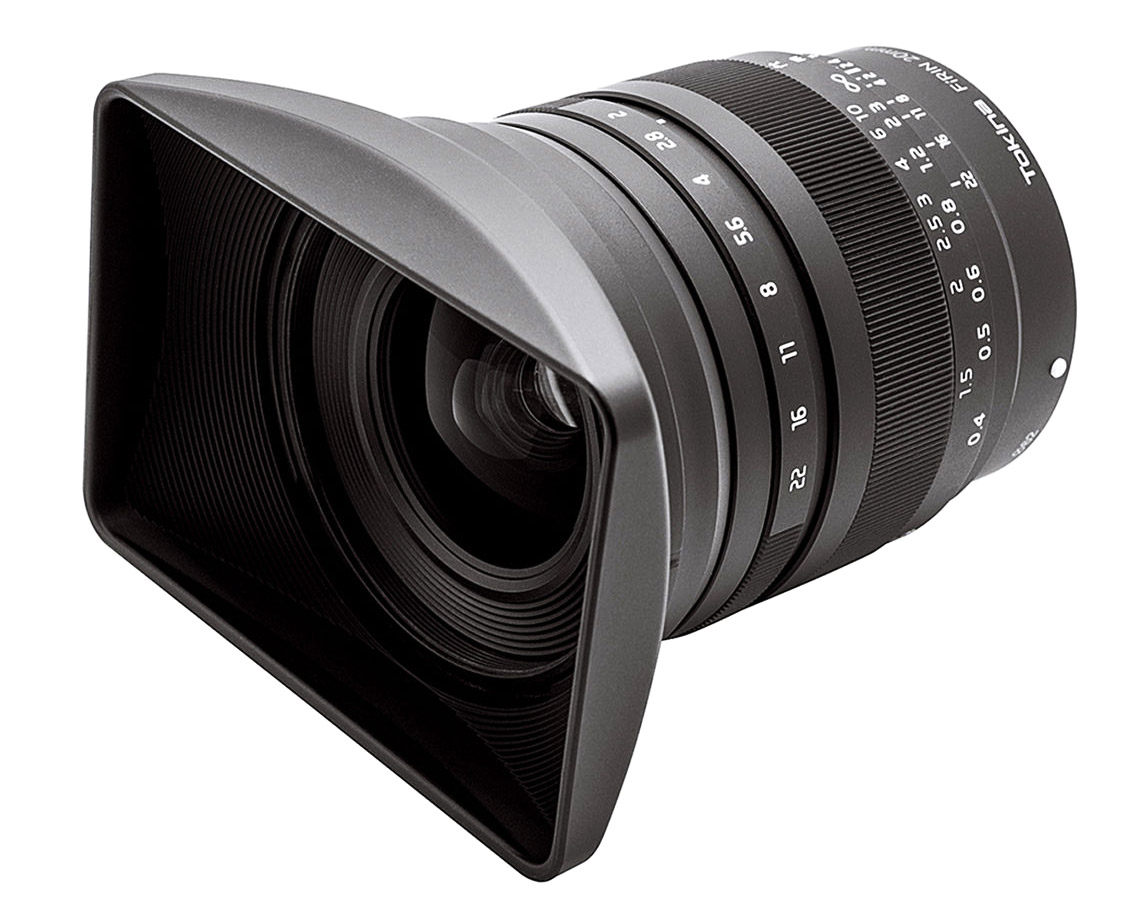
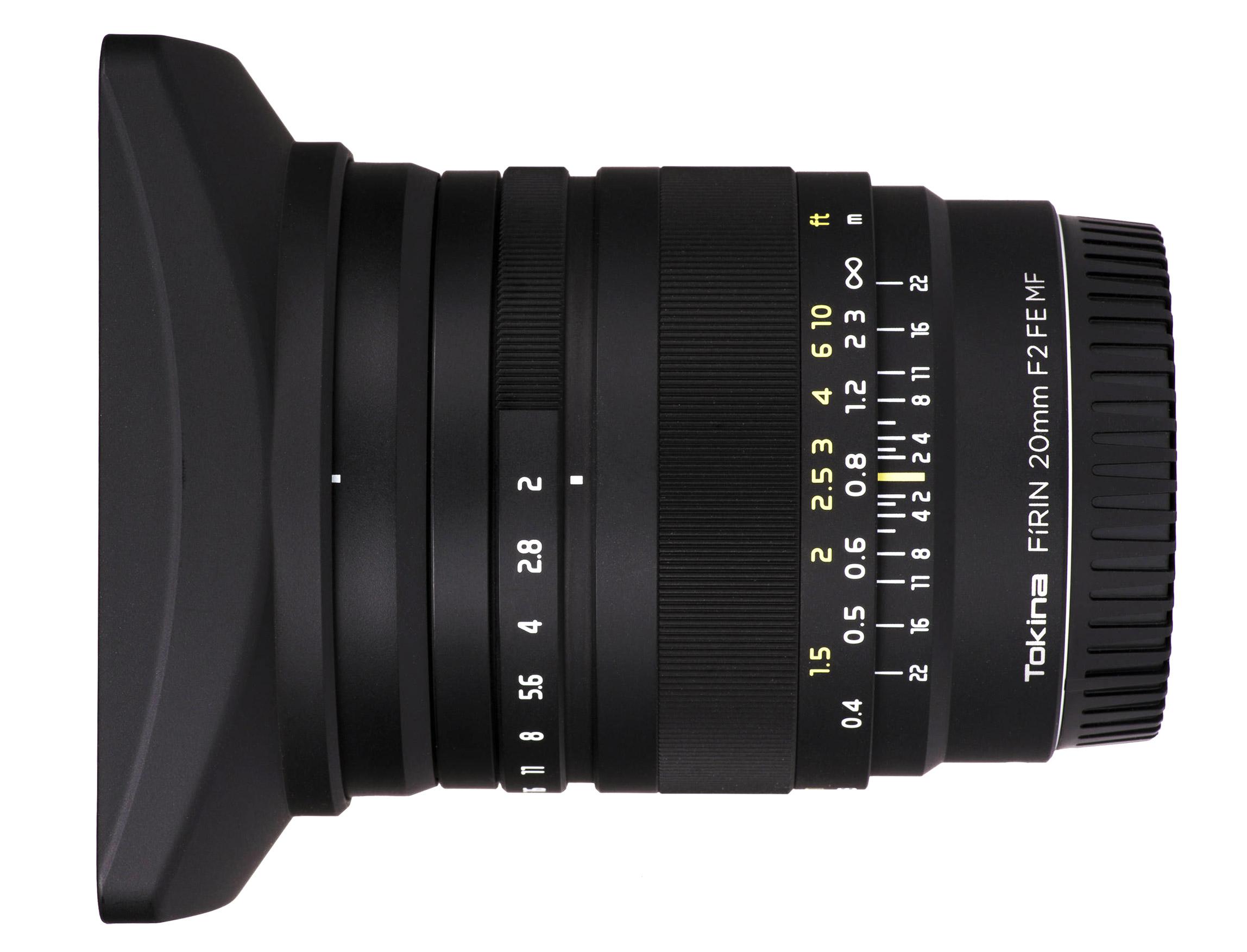
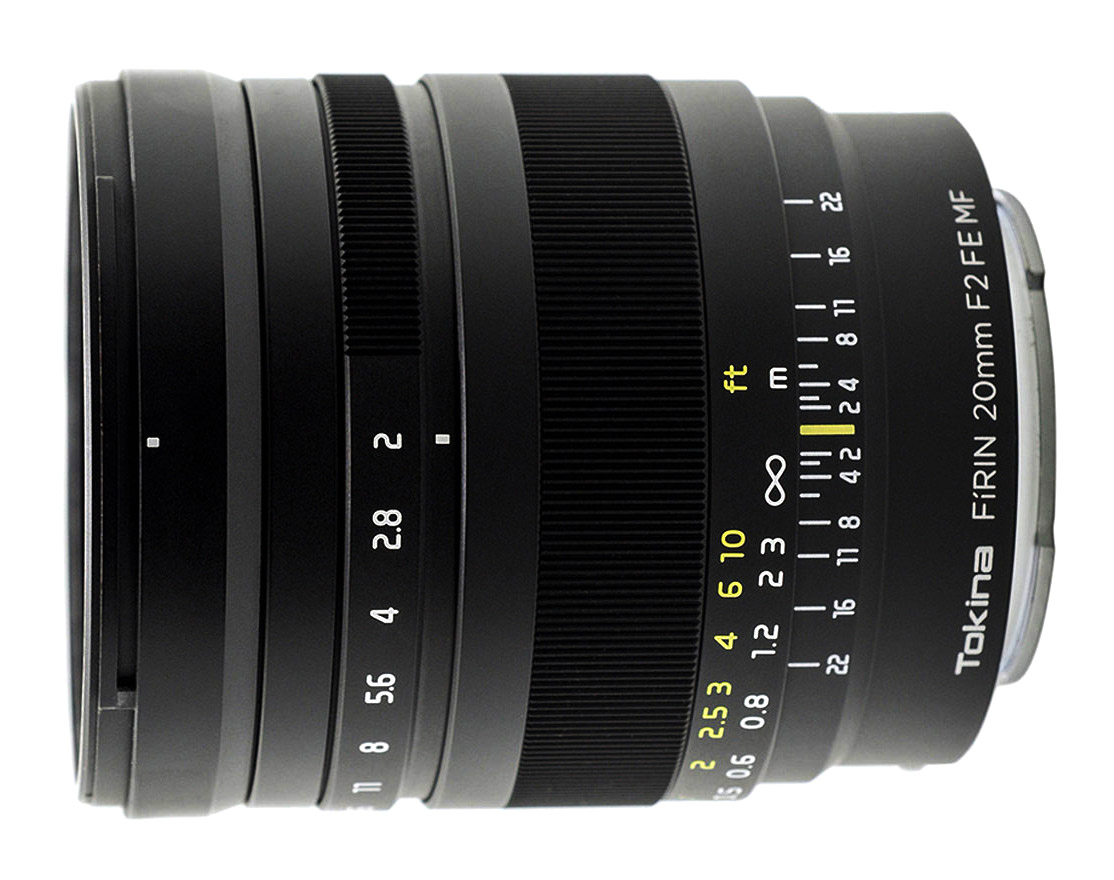
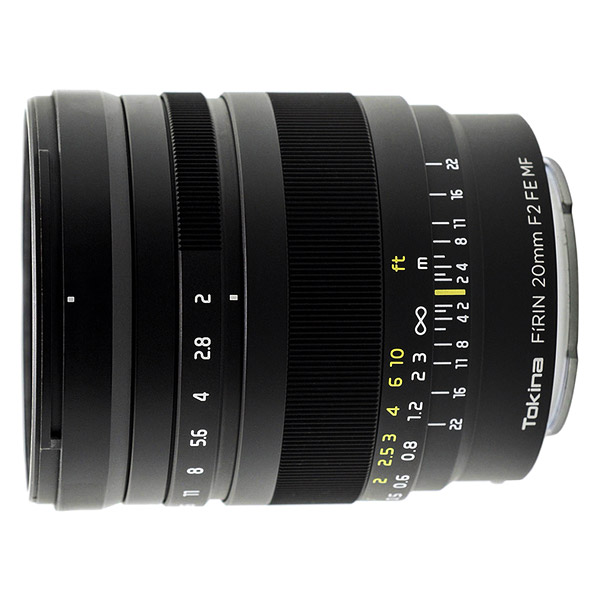
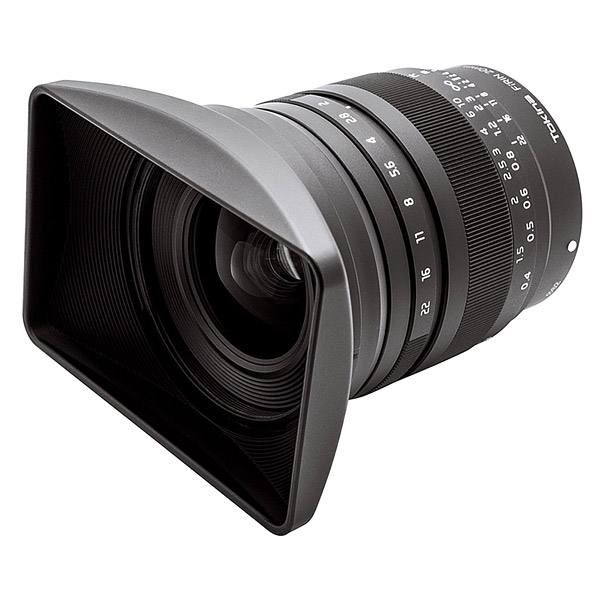
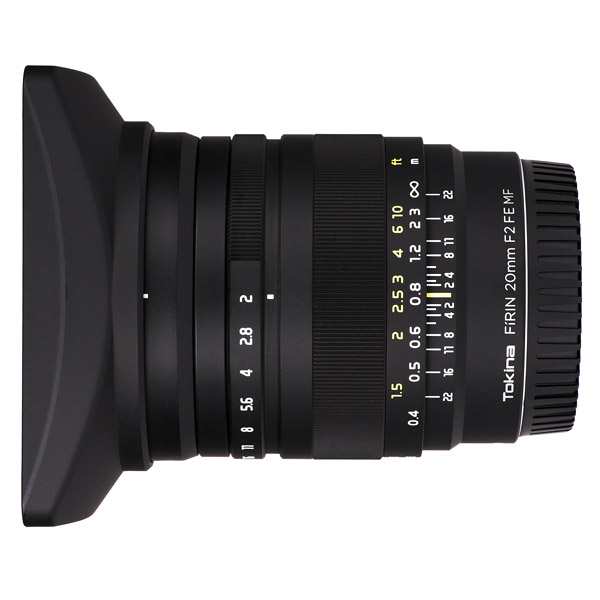
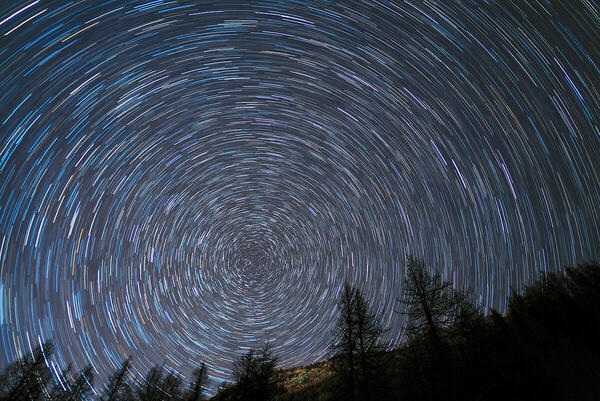
Opinion: MANUAL FOCUS version. Not that you don't know the Tokina brand, especially for the wide-angles, so no surprises about the quality but this lens has something more: the design choice. The 2016 manual focus version was clearly and correctly designed to the needs of perhaps a small circle of photographers, but the feeling is that Tokina listened to them before putting the lens on the market. In less than half a kilo, the 13 elements give a truly appreciable feeling of solidity, it does not reach the levels of the ZEISS LOXIA (metric scale and printed and unengraved diaphragms, plastic lens hood and unusual, although effective) but it is not far from it. The linear focus on a lens like this is really a PLUS, and not a minus, making it versatile enough to be used in astro successfully, despite the fact that there is no MAF block. The physical button to declick the aperture ring is an added value, a ring that returns a nice feedback, as well as the travel of the focus ring: masterfully managed and running beyond infinity. Mine empirical evidence, for heaven's sake, but it is sharp in the center from the maximum aperture (at the right shooting distances) and does not drop much at the corners, where instead a certain vignetting could only appear. The best from f5.6 to f.11 but the performance is always homogeneous, even going further, although the limits of diffraction on such an angle of view must be carefully considered. The focusing is really enjoyable: precise, intuitive and easy, proof for the inexperienced and this is thanks to the excellent return of focus / out of focus guaranteed by the focus peaking of bodies such as the Sony A7 IV. In short, you don't really risk losing a shot if used in the right contexts, but I assure you that even in street ph. MAF has a lot of surprises in store. There is a correction profile on LR, DXO, etc., and the presence of contacts for communicating shooting data to the camera makes the design intent of Tokina engineers clear. In my opinion there is no story as to which example of the Firin to choose between the AF and MF versions, to the clear advantage of the latter for all the reasons expressed above. Underestimated by many but not so in the rest of the countries, USA, UK and Japan above all. Considering that the price from new has dropped to just over 400 euros, it is worth giving it more than a thought. It's a full 9.5 and all its own. |


 The following opinions have been automatically translated with Google Translate.
















 JuzaPhoto contains affiliate links from Amazon and Ebay and JuzaPhoto earn a commission in case of purchase through affiliate links.