|
| sent on 27 Settembre 2017
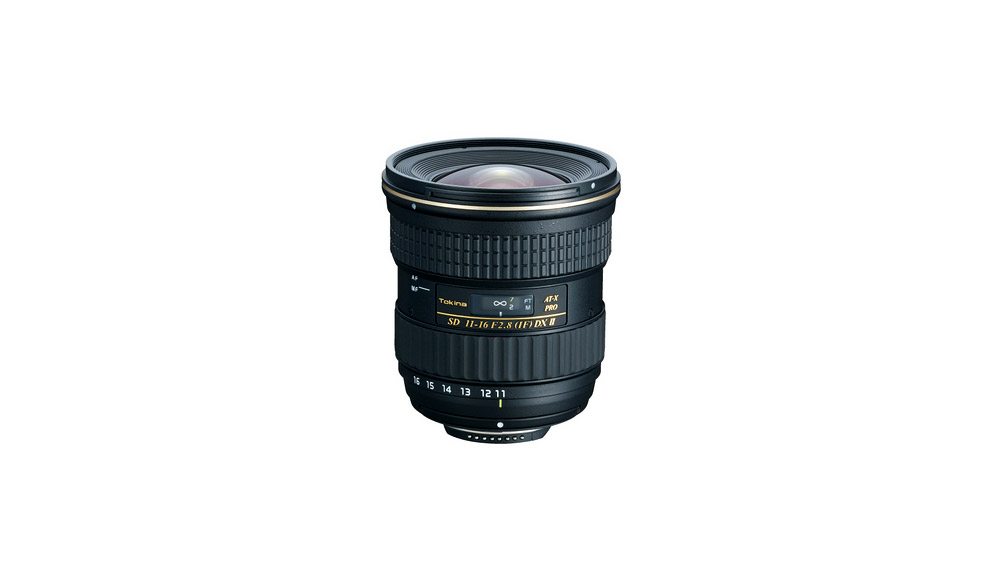
Pros: Specification; Constant f2.8 aperture; Sharpness at all apertures; Solid build; Reassuring and positive handling; Manual focus ease of use and accuracy; Good lenshood and caps as standard; Sensible and 'standard' wide 77mm filters; perhaps price now as a used example.
Cons: Limited zoom range; Hopeless flare in bright sunshine; Archaic and Slow A/F; Price New, Nearest focus could have been closer, it is difficult to creatively utilise that f2.8 aperture.
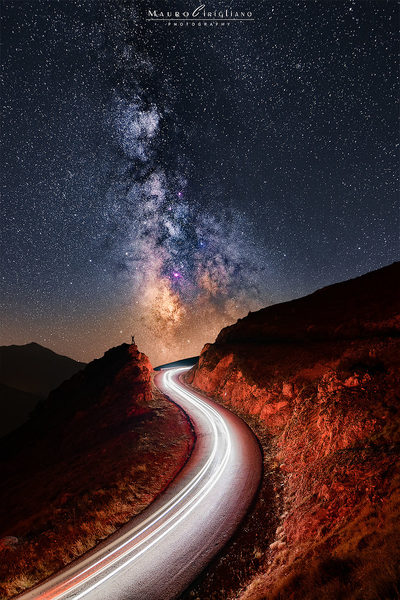
Opinion: Basically, I use my 10-24mm Nikkor f3.5-4.5 almost all the time, especially for sunny high contrast images, with which it excels. And, basically, I use this Tokina at night, bolted to a tripod, manually focused at infinity. I had seen very many Astronomical shots, often with the Milky Way included, taken at 11mm and f2.8, that looked amazing and professional and were sharp even into the corners. I had always wanted one but having seen the MkII had (perhaps) improved the flare issues, I waited. Then, the larger sized and ranged 11-20mm f2.8 was released and I wanted that one! However, the price new of the 11-20mm is still way beyond my means. I never handled or used the original 11-16mm, so I cannot compare. I eventually bought an almost new MkII from Ebay from a private seller at around half the new price - I happened to be lucky to got it for so low a price. I also like using the Tokina in dark church interiors, a real interest to me, as the wide aperture performance is much better than the Nikon, especially in the corners and also due to around half the levels of barrel distortion of the Nikon at the widest settings.
Now, the Nikkor 10-24mm isn't a bad lens to use at night, especially at 10mm, as long as you start from f4, which pulls in the otherwise poor corners in, a little. However, the Nikon is a consumer grade lens with a typically poor manual focus control, both in accuracy and the in that the distance scale is not accurate either. Typical of all variable aperture zooms, that focus shifts throughout the zoom range. You might presume that depth of field would cover this due to the wide angle of views involved, but you'd be surprised and when you are aiming for minimal post production, to keep the iso as low as possible, this aspect matters.
The Tokina in contrast is easy to find infinity, which is almost exactly as marked on the distance scale and then, you can then shoot your night's shots at any setting without any further adjustment - even when you move the camera around on the tripod. The brighter image in the viewfinder from the f2.8 is more noticeable than you might think. The relatively poor flare resistance is not so much of a problem, at night , it can actually be an advantage. Nikon's better lenses have quite an aggressive contrast, not just from the better multicoatings and this makes the images look sharper - which is what most photographers want. At night, especially out in the landscape and away from industrial light sources provide a much smoother tonal range with better shadow detail and allowing the natural sharpness of the lens to really shine. I have used the Tokina in London, at night and with good results, it is only very strong light sources that flare, faring much better than say, a bulbous 14mm f2.8, which would have problems from almost any light source.
I have used the Tokina in AF mode, compared to the Nikkor, well, there is no comparison. One is very quiet and quick, the other is slow and noisy. But the Tokina proved accurate enough, when it finally focused, that is!
So, I could not live without my Nikkor 10-24mm. I could live without the Tokina but it is nice to have both and to use them at their particular strengths. But when you are trying to wrestle with a tripod in a field in the middle of the night and you can barely see anything, the reassuringly easy to use pro grade Tokina is a pleasure to use. IF you drop it -
perhaps due to wearing gloves in the freezing cold (onto a normal ploughed field, NOT a hard surface such as a pavement or road) then I'm sure, you'd just wipe it off and re-attach it and continue. However, I know from personal experience, such could potentially damage the Nikon beyond repair. |


 The following opinions have been automatically translated with Google Translate.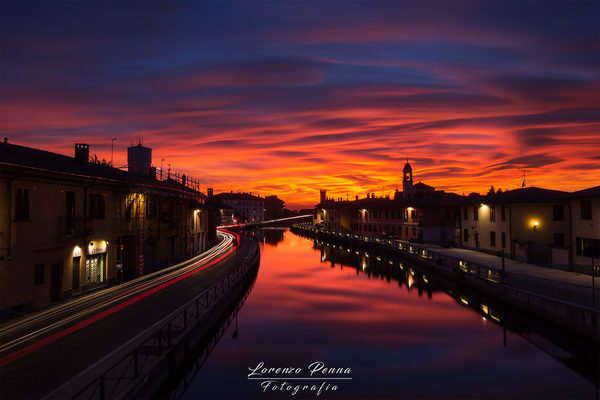
![[editors pick]](shared_files/layout/ep_badge.jpg)
























 JuzaPhoto contains affiliate links from Amazon and Ebay and JuzaPhoto earn a commission in case of purchase through affiliate links.