|
| sent on 21 Aprile 2026
Pros: Total versatility 28-300mm with modern quality.
Cons: f/4-7.1 aperture that limits in low light conditions.
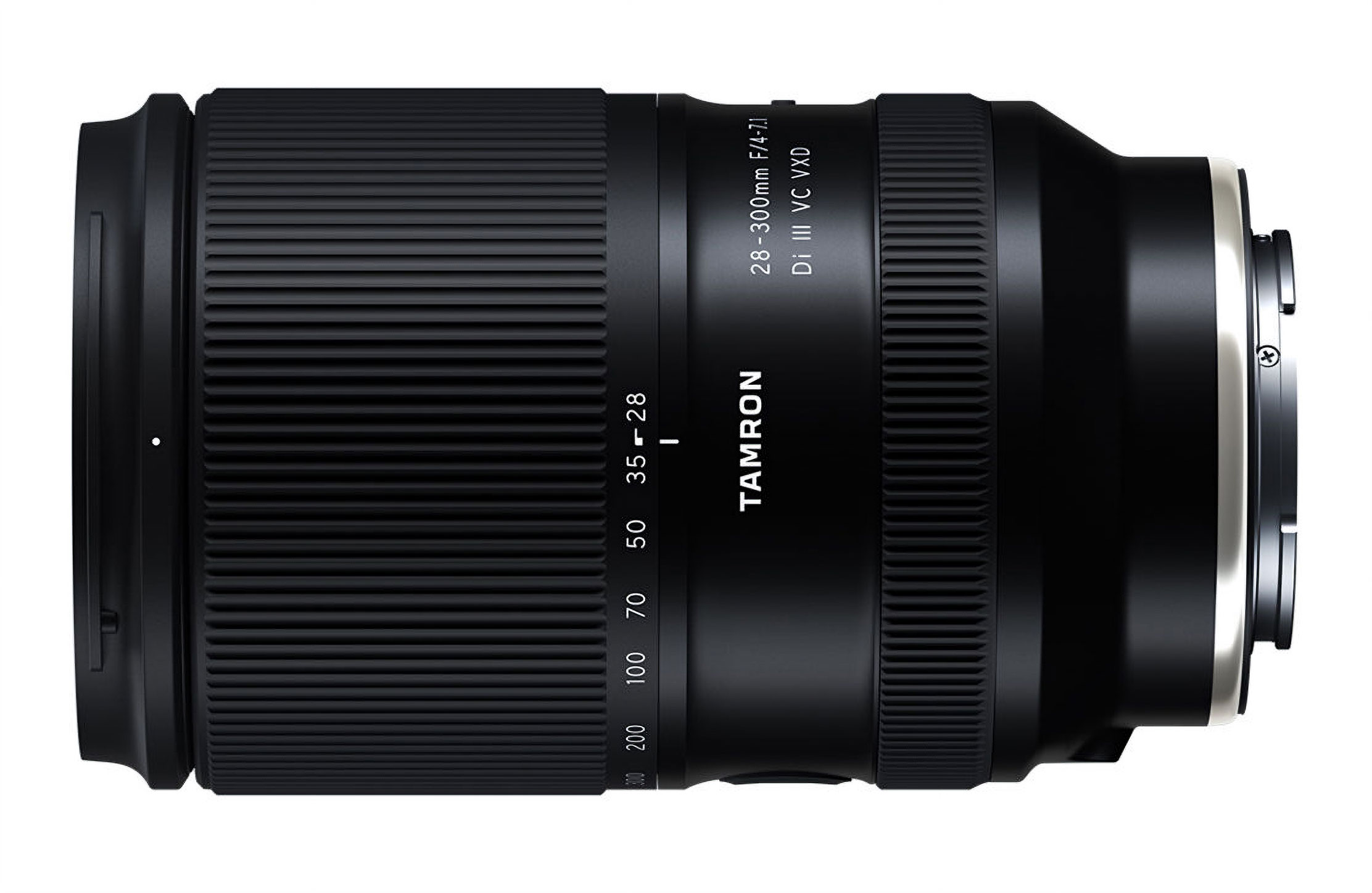
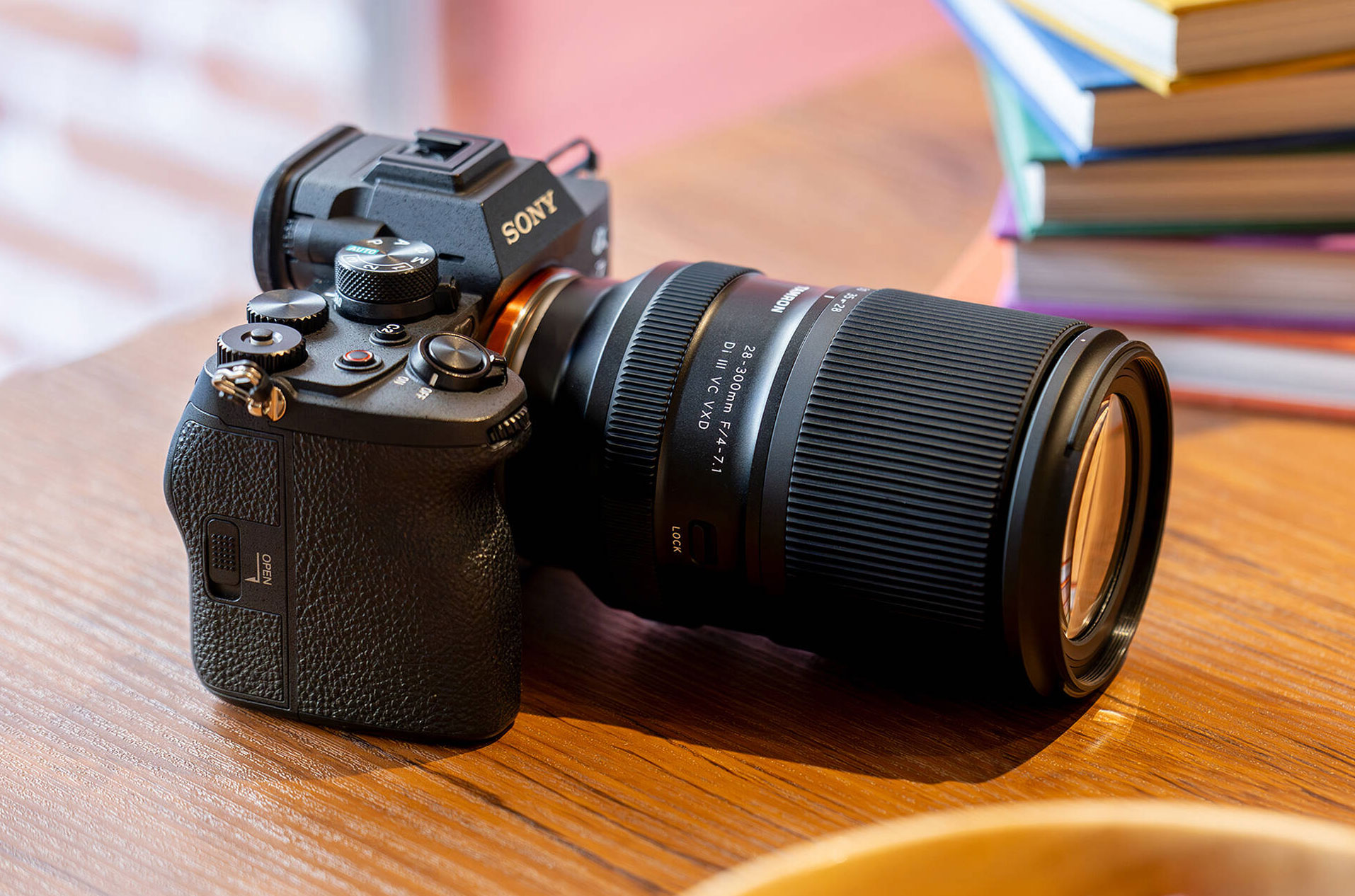
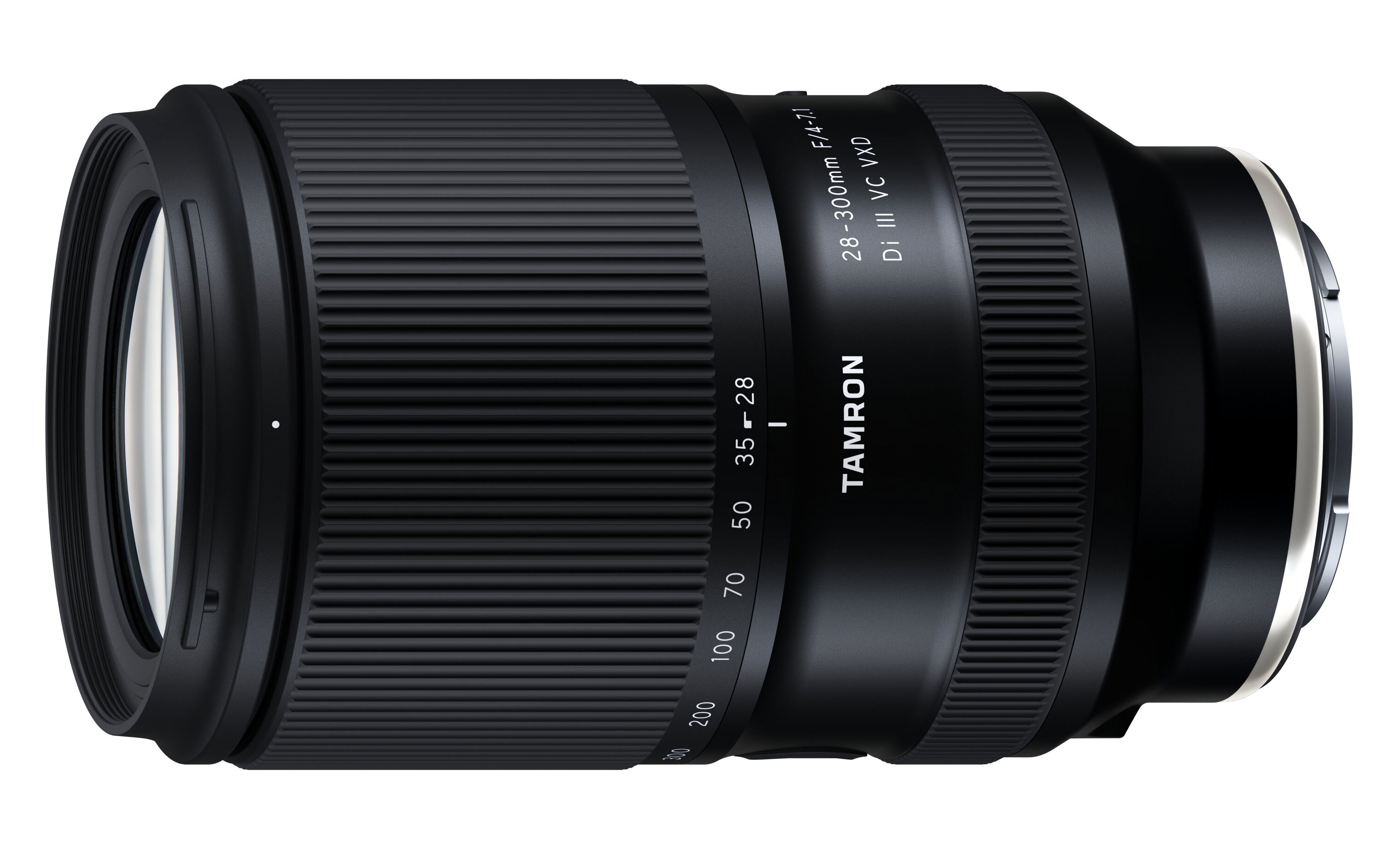
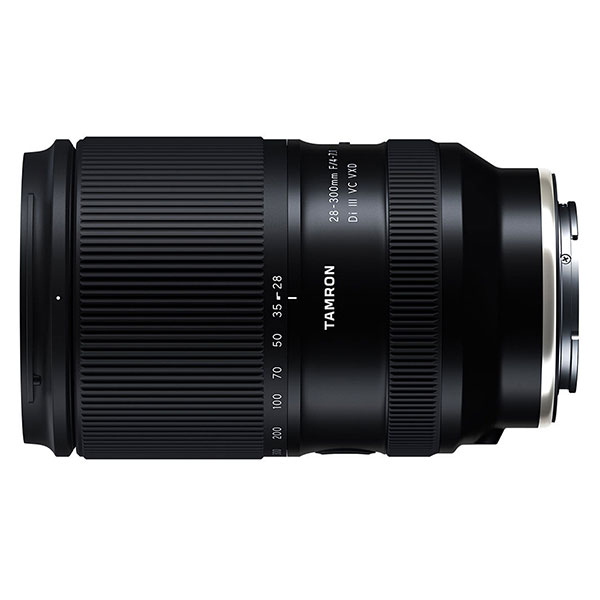
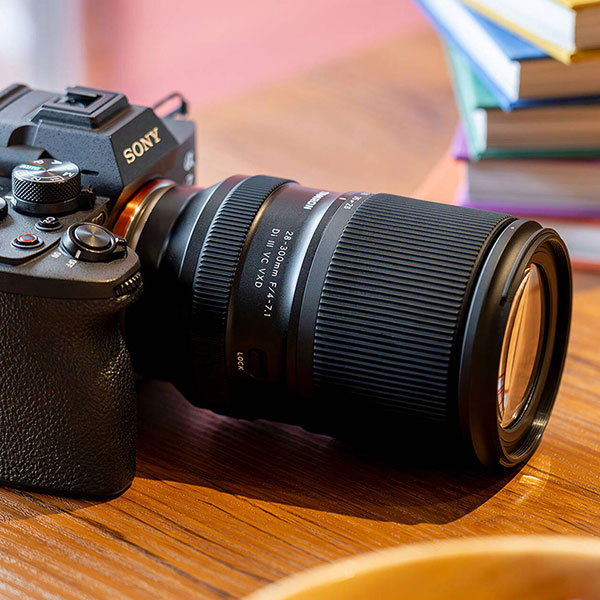
Opinion: I bought the Tamron 28-300mm Di III VC VXD as a replacement for the classic 28-70 and the 70-300, with the aim of having a single modern, versatile and really usable lens over the entire range. After the first tests, I can say that this 28-300 belongs to a new generation of superzooms, very different from past projects. The decision to sell the previous two lenses was mainly technical. The Sony 28-70 is an honest but limited kit lens: dated design, uneven sharpness and autofocus no longer up to date with modern optics. The Tamron 70-300, while good as a light telephoto, suffers from the lack of stabilization and requires a second lens to cover shorter focal lengths. In practice, I found myself with two lenses that covered 28-300 in a fragmented way, with uneven quality, more overall weight and continuous lens changes. The 28-300 allowed me to unify everything into a single solution that was more modern, more practical and more consistent with my way of photographing. Construction and optical design The lens uses a complex scheme of 20 elements in 13 groups, with special glass and updated anti-reflective coatings. The performance is surprisingly uniform throughout the range, with a control of aberrations much higher than that typical of traditional superzooms. The construction is solid, with smooth dials and an aesthetic consistent with the latest Tamron line. VXD autofocus The VXD motor is one of the highlights: fast and precise locking, reliable tracking even at long focal lengths, quiet operation for video use. It's a clear step up from the AF motors of entry-level lenses and cheap telephoto lenses. VC Stabilization The presence of VC optical stabilization makes a real difference at 300mm. Combined with the body's IBIS, it allows for slower shutter speeds without compromising sharpness and improves stability in panning and video shooting. Image quality The sharpness is very good from 28 to about 200mm, and remains more than usable even at maximum extension. The contrast is modern, the color rendering clean, and the bokeh benefits from the 9 rounded blades. Distortion is present at the ends, but easily corrected by means of profiles. Macro performance One of the most interesting aspects is the close-up capability: 0.35x reproduction ratio, 19 cm minimum distance at 28mm. It allows very creative close-up shots without additional accessories, a real advantage over the classic 70-300. Usability and versatility The 28-300 range covers practically every situation: reportage, travel, environmental portraits, nature, light sport, details. The weight is low and the footprint surprisingly manageable for a 300mm. It's a lens that really lends itself to being left on all day. Conclusions The Tamron 28-300mm Di III VC VXD is a new generation superzoom: professional autofocus, effective stabilization, modern optical performance, advanced macro capabilities, total versatility. It does not replace a set of fixed lights, but represents an extremely intelligent solution for those who want to cover the entire 28-300 range with a single lens without sacrificing quality. |


 The following opinions have been automatically translated with Google Translate.




 JuzaPhoto contains affiliate links from Amazon and Ebay and JuzaPhoto earn a commission in case of purchase through affiliate links.