|
| sent on 17 Agosto 2022
Pros: Sublime quality of files, sublime quality of camera design.
Cons: Operating speed, Af speed in low light conditions, held from 200 Iso upwards, battery life.
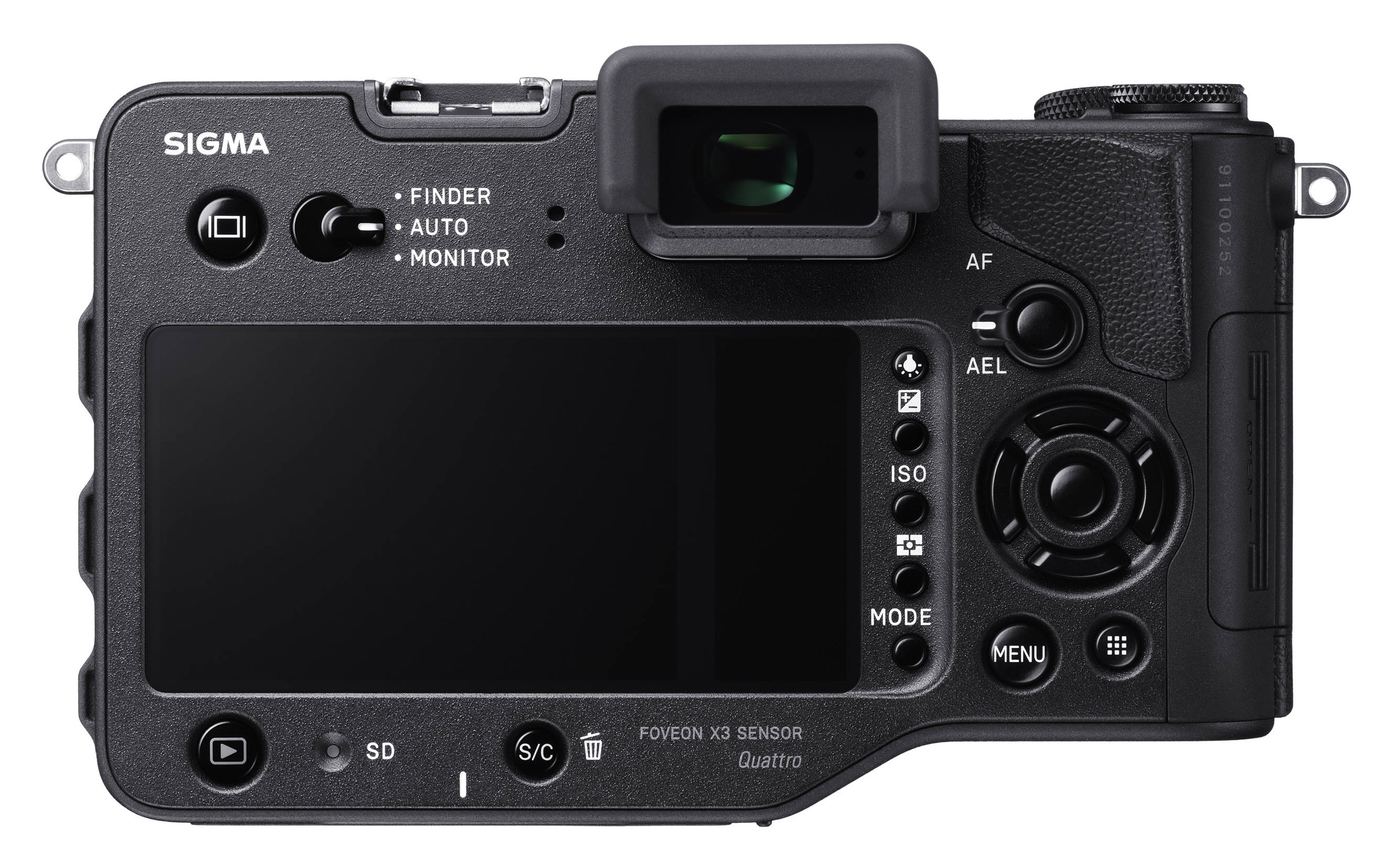
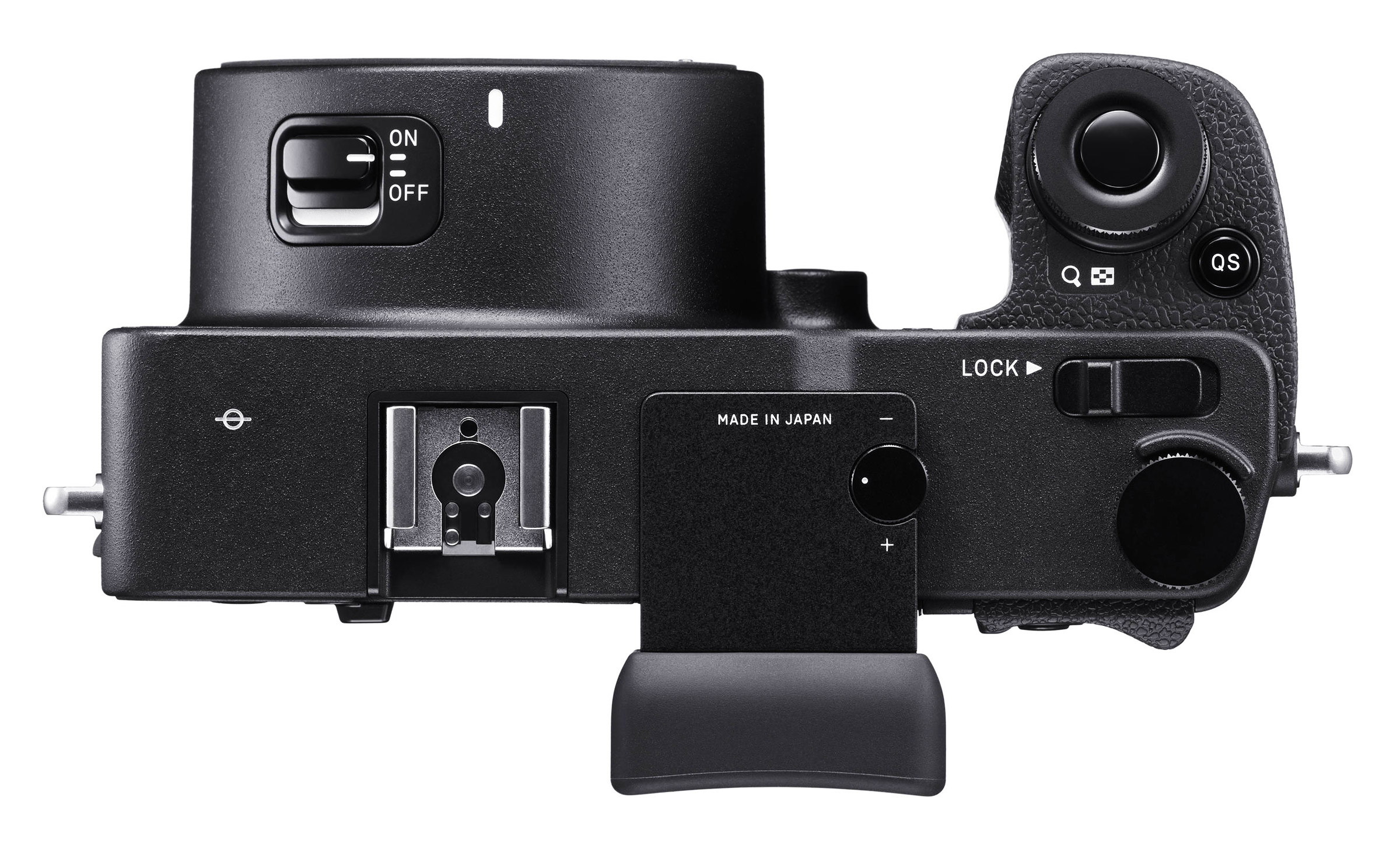
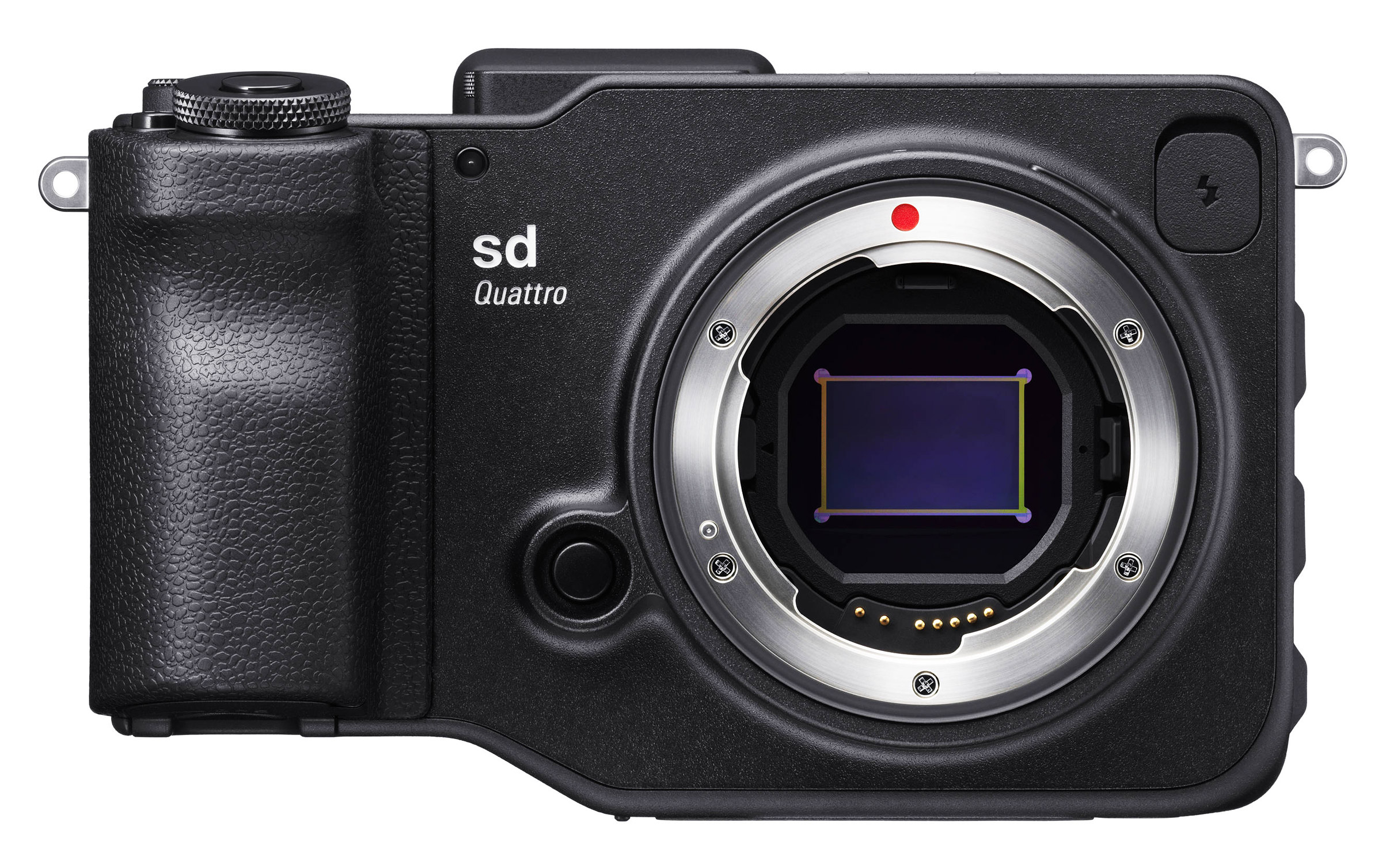
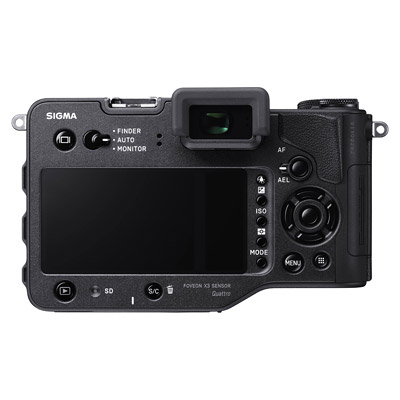
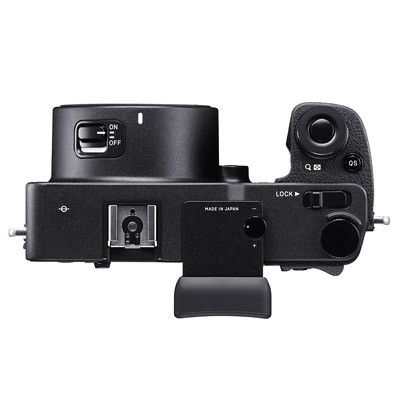
Opinion: The autonomy is not its strong point even if equipped with a 2000mh battery (it is known that mirrorless cameras are more thirsty for energy than SLRs) with a charge prepared to save on your SD card just a hundred shots. A lot of energy is absorbed by its particular FOVEON sensor. The autofocus is certainly not top-notch but not bad for those who shoot manually or do "reflective" photography certainly is not suitable for photographing F1 or sport in general nor, much less, birdlife. I, for my needs, rarely need an aggressive photographic focus but still remains inferior to all competing cameras. Despite being slow, the AF remains very precise and this is a compensation not to be underestimated. The image processor and the software take a few seconds to write the file on the SD, when I say a few seconds I mean from 4" to 8" and I kid you not, it depends on the size of the file we save, the number of photos taken consecutively and maybe some particular option activated by the menu. Unfortunately between lenses and flash, you can not find much in flea markets, the Sigma SA bayonet is part of a very rare elite. So for those who want to create a system on the Foveon must prepare to spend a lot of money, betting almost everything on the new. The Foveon sensor is extraordinary at a sensitivity of 100 Iso, we can push the camera up to 200, but from 400 Iso up the digital noise is very invasive, and can be compensated by an excellent black and white. We have 9 focus points selectable either individually or all together, with the single selection of focus points, we can select the sensitive size of the focus point, so as to cover a more precise or more "coarse" area. The machine has the recognition of the face of the AF, but attention is a help that not always its functions, often the machine does not notice the faces we are framing ... It must be said, however, that its yield is exceptional. Colors, contrasts, detail are very different from the digital to which we are accustomed. The raw file can be saved with Sigma proprietary RAW X3F, which is manageable only with the appropriate Sigma Photo Pro software, which is well done, free, and with professional functions but exhausting for its slowness (regardless of the computer you use). Saving in DNG is the alternative I prefer, I usually shoot with this choice, the files have about 130MB of information per photograph, and are well malleable in Lightroom or Photoshop. The sensor and its technology encapsulate the beauty for which this camera is worth using, its technology does not derive from an interpolation of RGB photodiodes with Fujifilm's classic Bayern or X-trans filter, but is a set of layers of the three primary colors. Just like the old films. This sensor is ideal if we want to allow light to pass through the three color filters to obtain unique and insatiable shades. The construction design of the machine is truly sublime. The body is tropicalized, robust, the function keys are as basic as they are perfect, they are all in place and after a few hours the feeling of ergonomics is already high. The SA lens mount has a detachable infrared filter inside, this is the only machine on the market that allows you to make this type of photography without drastic and expensive changes to the sensor. |


 The
following opinions have been automatically translated with Microsoft Translate.
The
following opinions have been automatically translated with Microsoft Translate.




 JuzaPhoto contains affiliate links from Amazon and Ebay and JuzaPhoto earn a commission in case of purchase through affiliate links.