|
| sent on 08 Marzo 2015
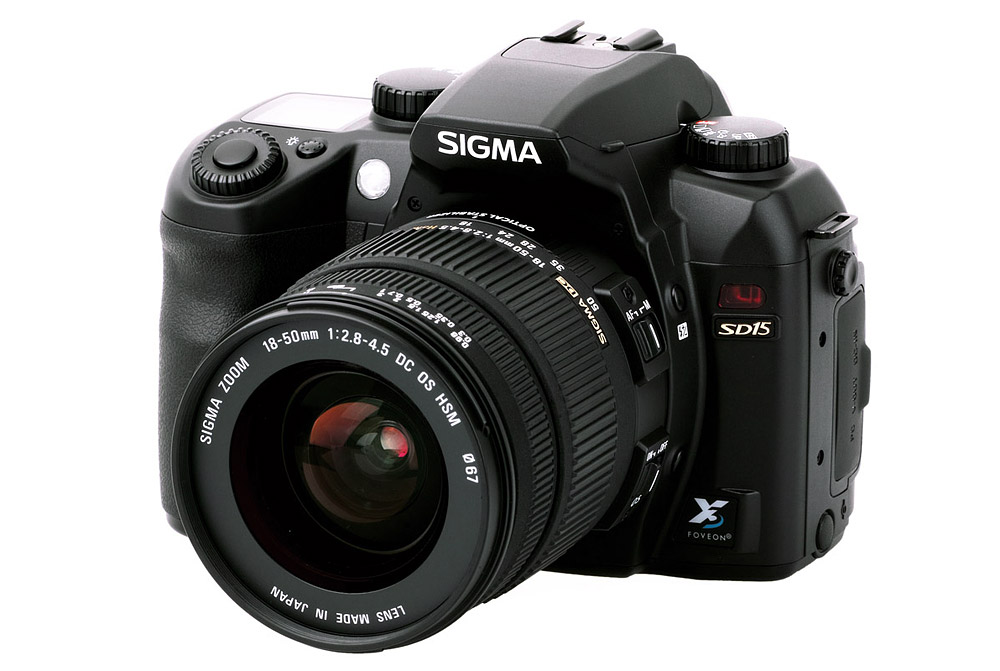
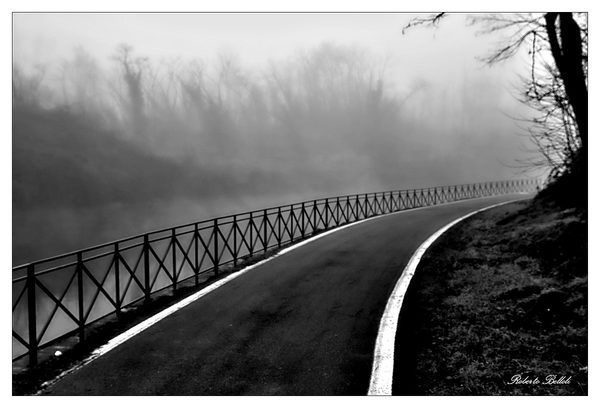
Pros: Excellent image quality, yield and color detail fabulous, from the film. With optical quality, good light and low iso produces incredible results. RNLA yield bn is very filmic and clean (100 iso like a PAN-F) and the rise of ISO noise becomes a beautiful grain dry. rnCorpo machine very robust, ergonomic handgrip and arrangement of the many buttons, access modes to the functions definitely peculiar but very well structured and very quick to use. Excellent battery grip. rnMirino bright pentaprism, with coverage of 98% (96% indicated in the data is wrong) .rnSollevamento mirror, to reduce vibration.
Cons: Color noise beyond 400 ISO (though in bn becomes a beautiful grain dry, usable even up to 6400). rnVelocità operational not excellent. rnMancanza the live-view. rnMolti buttons, but no configurable. rnMancanza of any feature that is not essential (when compared to any other reflex of a good standard and what you want the producer, appears almost spartan). rnDifficilmente the Foveon may be the only camera kit available.
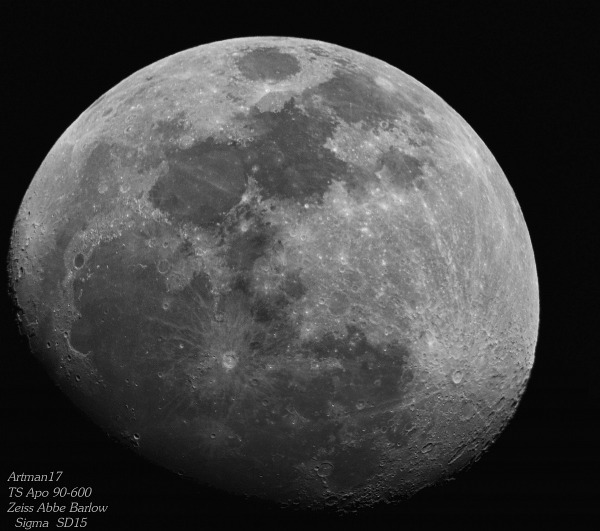
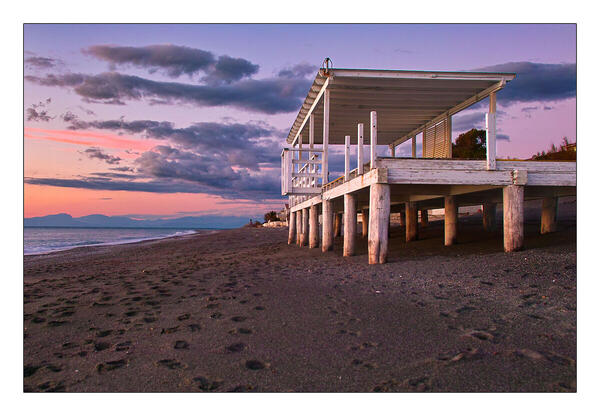
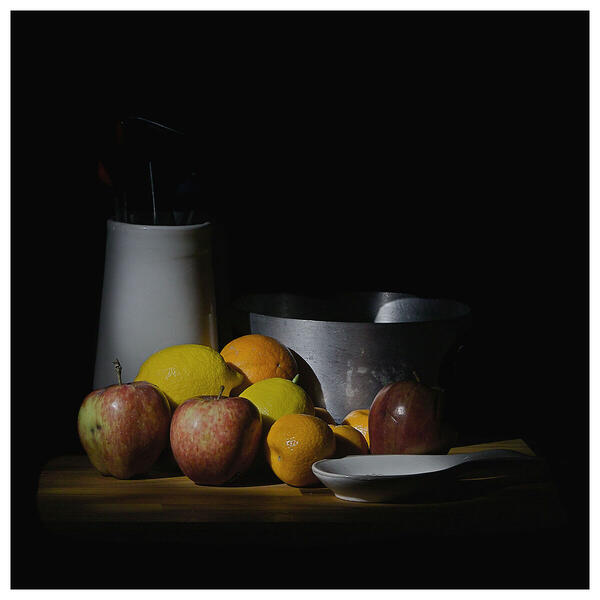
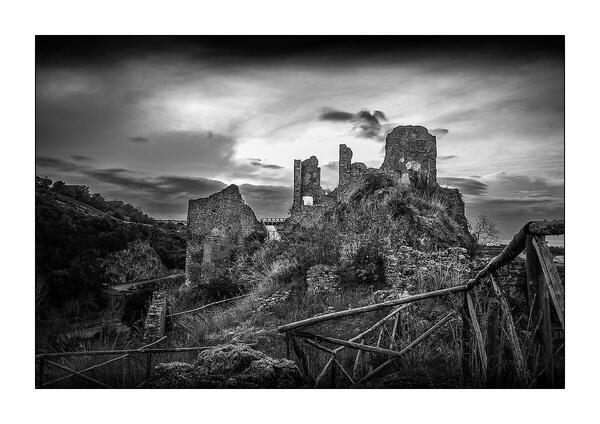
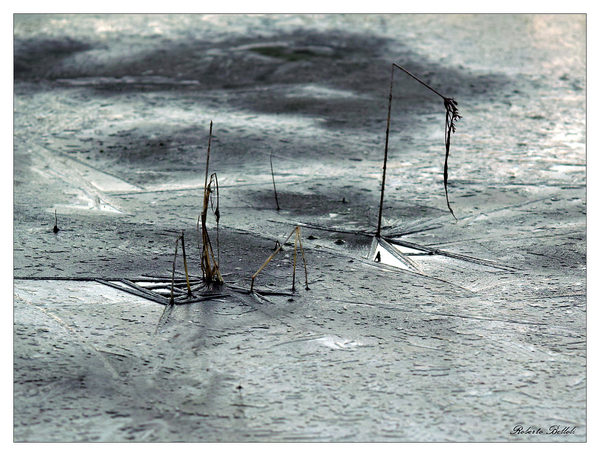
Opinion: Sigma cameras are difficult to recensire.rnrnLasciamo for after the quality of the images produced by the Foveon sensor, and we begin by camera bodies: very strong, extremely ergonomic handgrip and arrangement of the many buttons, access modes to the functions peculiar but surely really well structured and very quick to use. But for the rest, when compared to any other reflex good level and to any desired manufacturer, they appear quite basic, almost spartani.rnrnSe and how this represents a limit, or, on the contrary, may even be considered a value, you can not say, because it is a purely personal assessment, which depends on your needs, preferences and tastes. It is certain, however, that the Sigma cameras have objective operational limits that does not make them suitable for all usi.rnrnAndiamo now to see what's on the other side of the scale: the sensor Foveon.rnLa quality and color rendering of images prodottand by this sensor to three layers is something unique, which can not be obtained with no sensor mosaic, either full-frame. Can only sensibly be compared to a scan by a film high definition and low sensitivity. Being a three layer, the Foveon contains the color information in whole and, therefore, unlike the mosaic requires neither of the reconstruction process (demosaicing) or the anti-aliasing filter, and is therefore devoid of any kind of artifacts, or luminance or color. The big difference that this entails can not be described in words and it is also difficult to appreciate in video; but just look at the large prints because our visual memory, now accustomed to the mosaic, remains literally impressed and incredula.rnrnViene to ask: why the Sigma places a jewel-like sensor in camera bodies that are not only state-of- 'art, but even almost Spartans? Well, obviously bisognerebbe ask the Sigma, but these limits are due in part to its sensor, that is, are the reverse of medaglia.rnrnLe Sigma cameras are not for everyone. Can be appreciated only by those who know her intimately photography, from those seeking the tools according to their characteristics, choosing from time to time if and when you can use them to the fullest. In short, are tools for photographers, not for "photographing" still looking for the "holy grail" of the ideal camera, which produces only frustrazione.rnrnIn conclusion, the Foveon is able to provide - a photographer who is able to handle it - unique results, typical of the film and unreachable with mosaic, provided conditions permit: good light, low ISO, optical height and no particular need for haste or operating speed. But in all other cases, you have to have other equipment they will use. |


 The following opinions have been automatically translated with Google Translate.
















 JuzaPhoto contains affiliate links from Amazon and Ebay and JuzaPhoto earn a commission in case of purchase through affiliate links.