|
| sent on 23 Marzo 2026
Pros: Versatility. Pump zoom. Build quality.
Cons: To date, nothing relevant. I wrote everything in the review
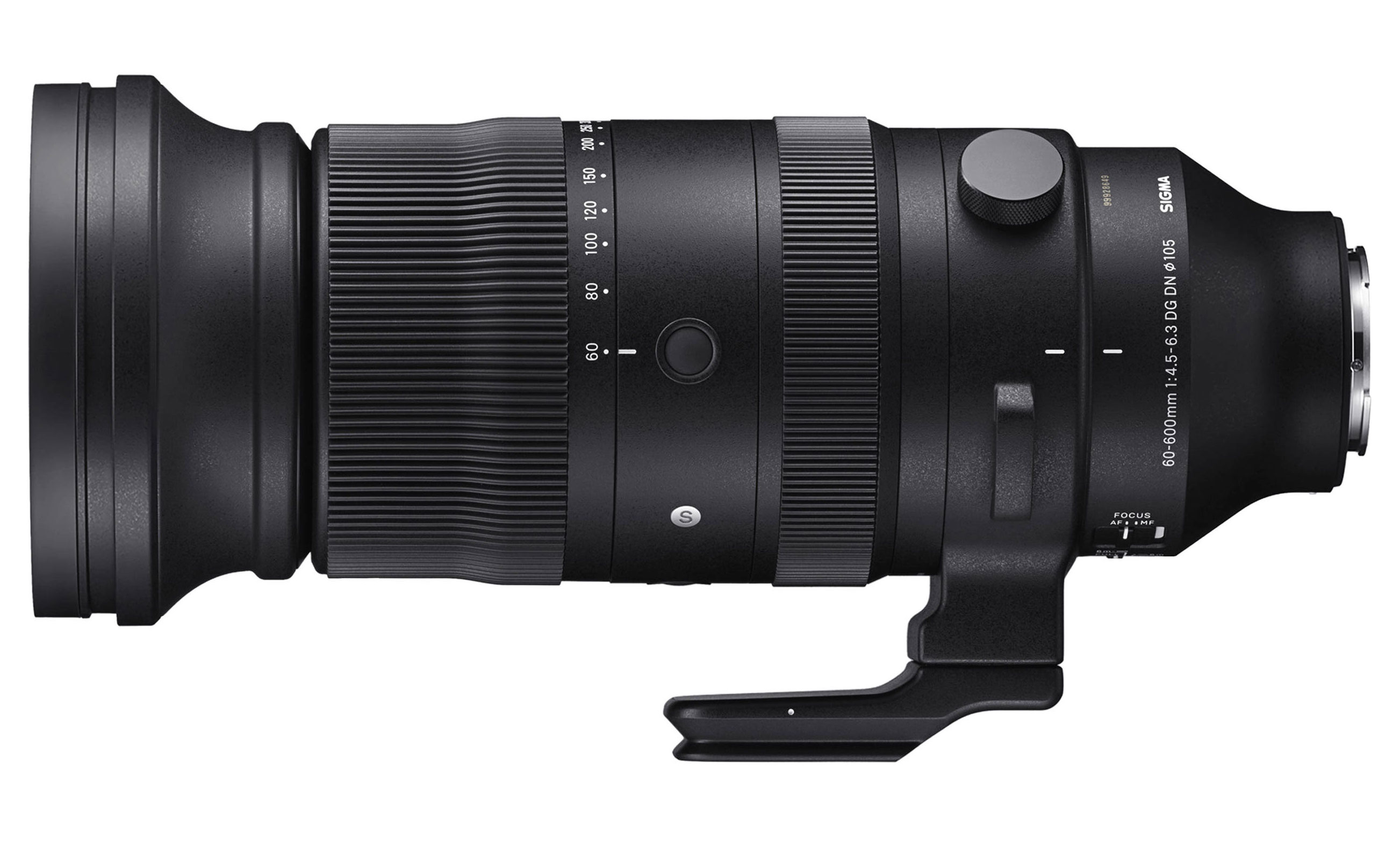
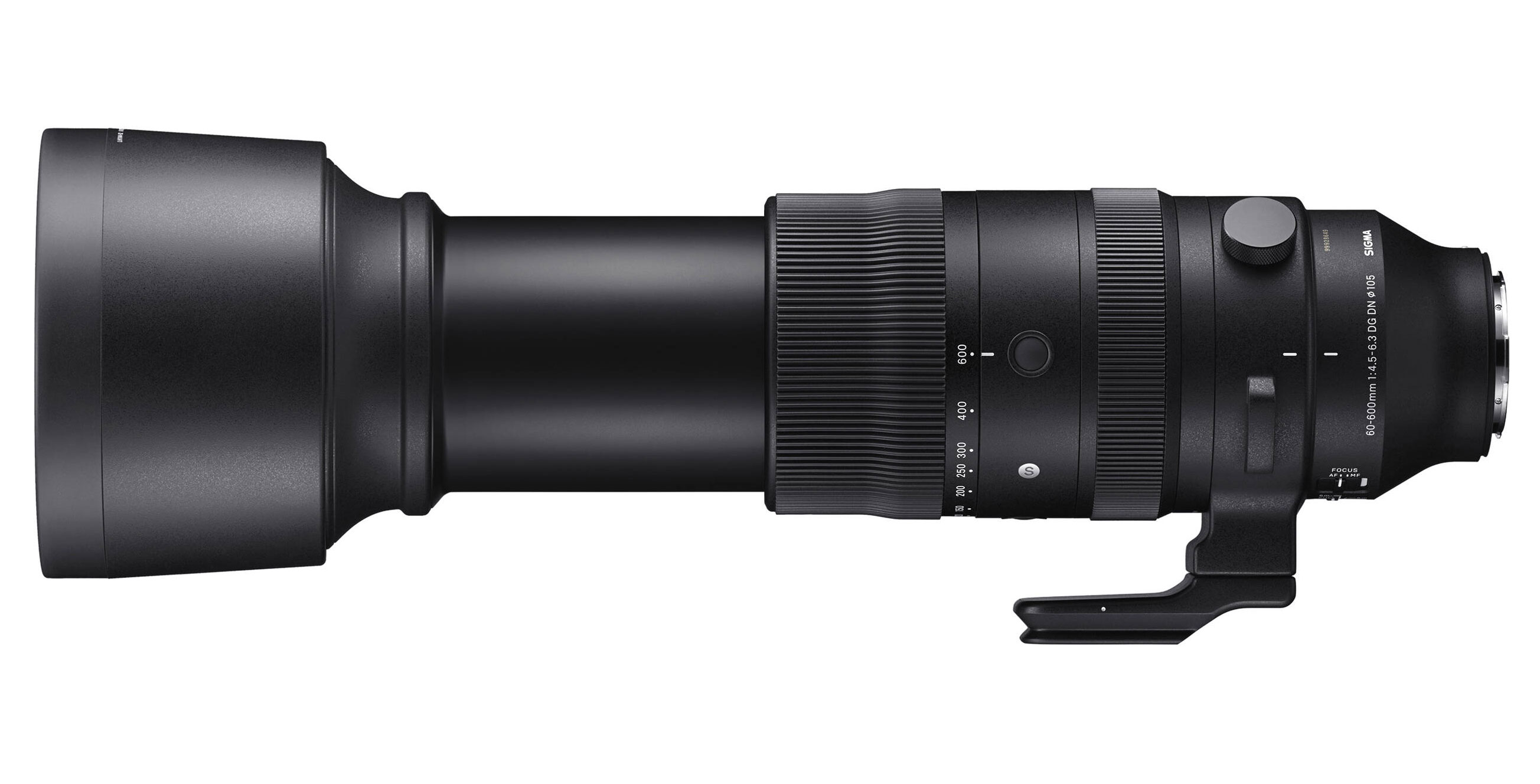
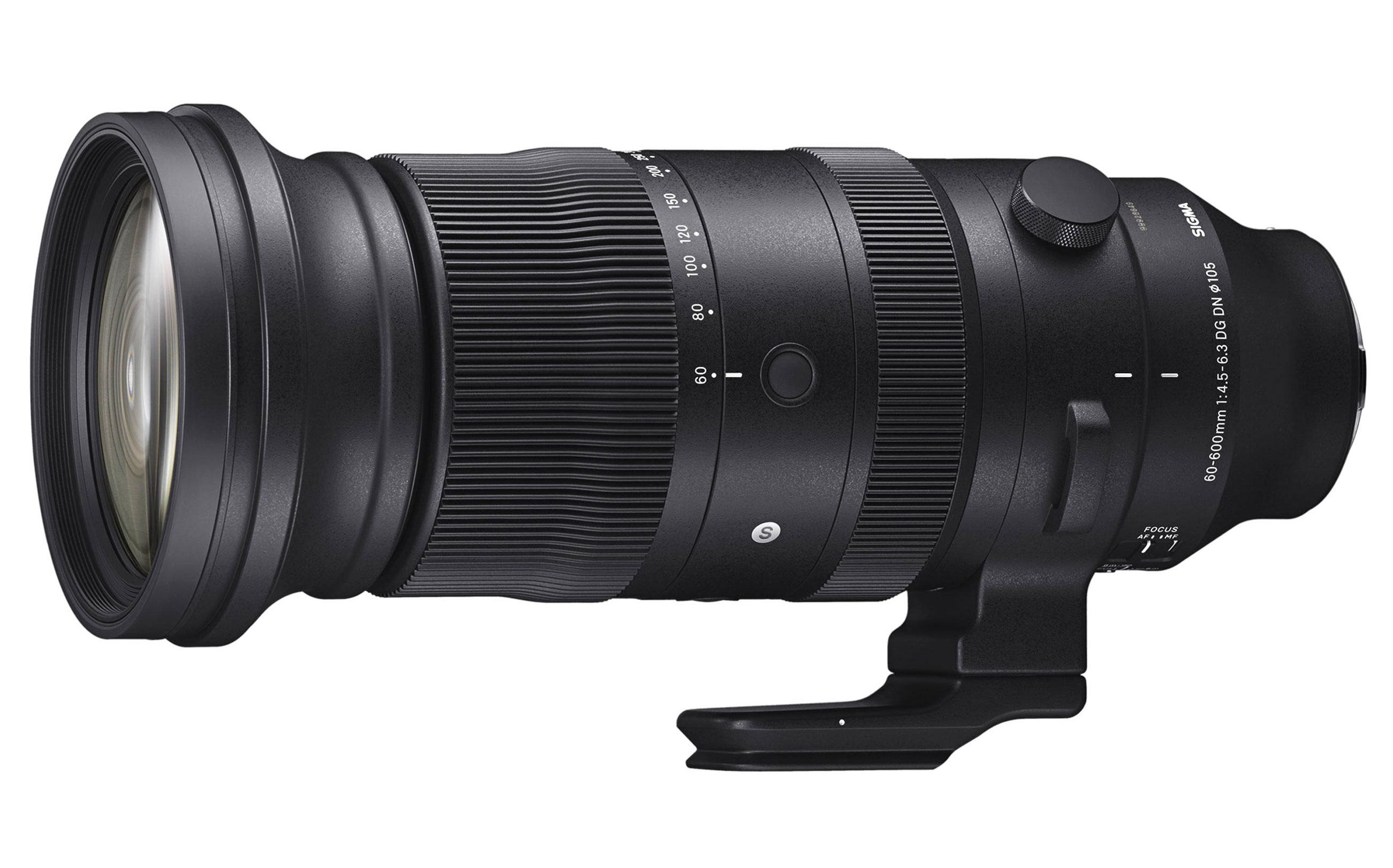
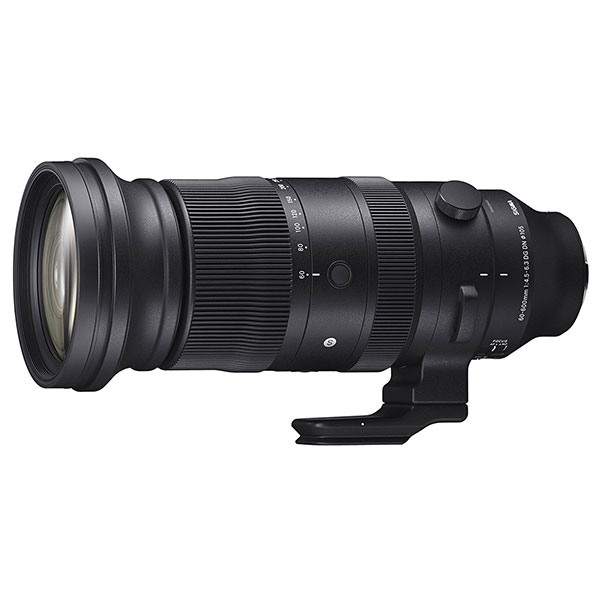
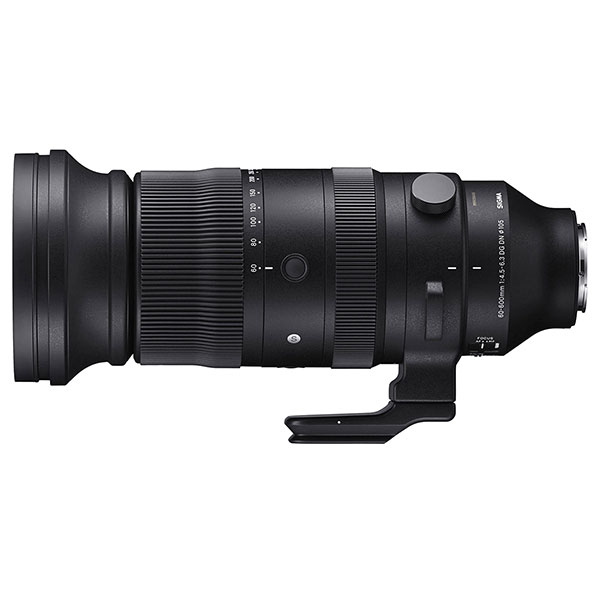
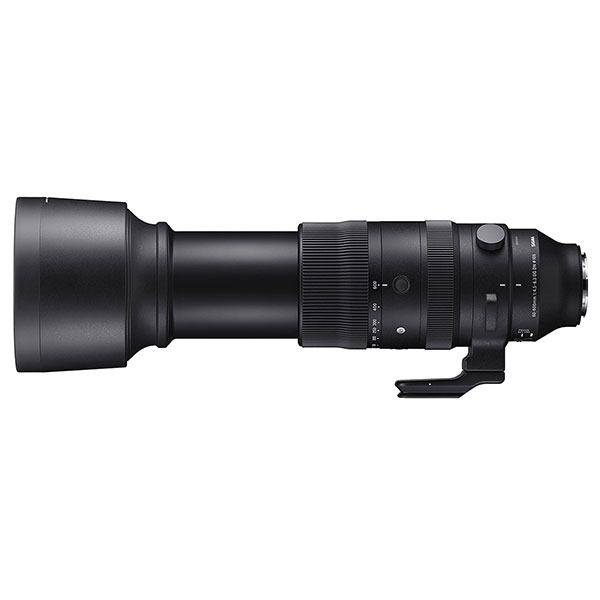
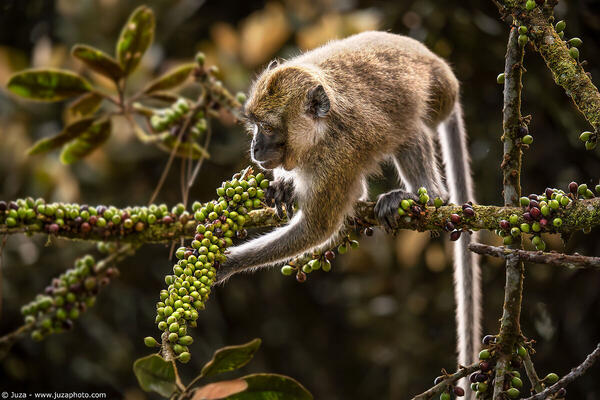
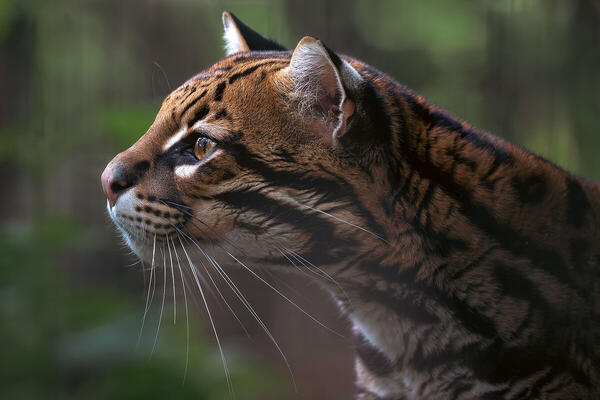
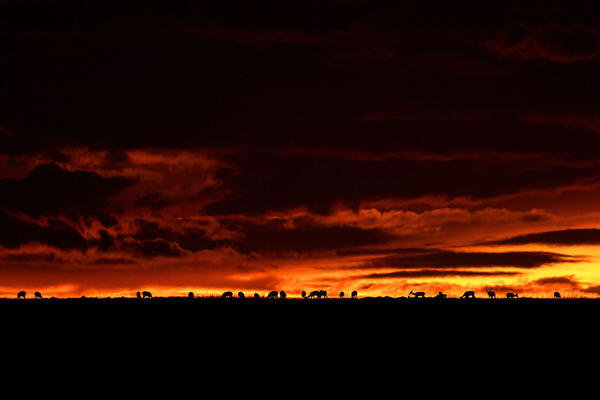
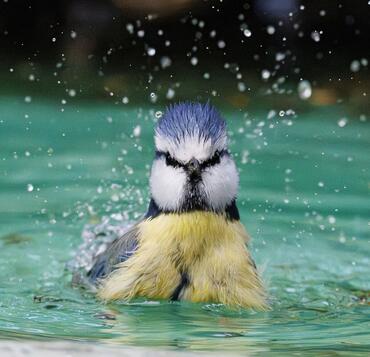
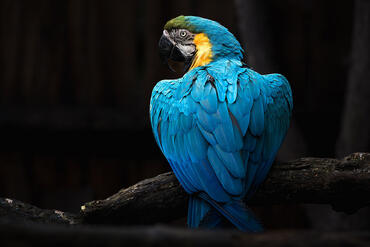
Opinion: I am writing this review based on my actual use in the field. I own both the Sony 200-600 and this Sigma 60-600, used on the Sony A1, and honestly I find it hard to understand why this lens is not yet considered a real level alternative for those looking for more versatility. The image quality is excellent throughout the focal range, from 60 to 600 mm, already at full aperture. At 600 mm it is slightly softer, but nothing really penalizing: the behavior is, in my opinion, very similar to the 200-600. Personally, I often work at f/8 to have a more manageable depth of field on the eyes (especially in wildlife), and in these conditions it becomes extremely sharp, a real blade. That said, it remains absolutely usable even at full opening, with a very uniform rendering from edge to edge. The build quality is excellent: robust, professional, with details that make all the difference, such as the hood with high-end fixed optics-style cover. The stabilization is one of the aspects that impressed me the most: it is definitely superior to the Sony 200-600. I can shoot videos handheld without the need for stabilization in post, which is far from obvious on these focal lengths. Obviously the tripod remains the best solution ever, but for those who, like me, work a lot on the move, this stabilization is a huge advantage, both at 60 and 600 mm, even when zooming. I have several videos that prove it. It's not a parfocal lens, but the fast autofocus makes up for this very well. Only in extremely fast zooms can a slight readjustment be perceived, but in real, more controlled use it is practically imperceptible. The pump zoom is, for me, a big plus point: fast, smooth and with a very balanced weight distribution. On the contrary, the use of the ring is less practical: it requires too many turns and, when extended, tends to unbalance the lens forward, straining the wrist. Personally, I only use pump mode. It only takes a little getting used to lock the extension with the appropriate selector when not in use, but it becomes automatic in no time. My work is mainly in the field, on foot: I often walk up to 10 km during a session and shoot almost exclusively handheld. I use a harness to have freedom of movement and, even in these conditions, the lens is not bulky or limiting. Another very interesting point is the minimum focusing distance: at 600 mm it is about 2.7 meters, with a higher magnification than the Sony. At shorter focal lengths (around 200 mm) it also allows almost "macro" shots at f/5.6. Of course, it does not replace a dedicated macro lens, but it offers very valid creative possibilities. In conclusion, it is a lens that surprised me and that, in hindsight, I should have considered much earlier. For those looking for versatility, performance and operational freedom in the field, it is a choice that absolutely deserves attention. |


 The following opinions have been automatically translated with Google Translate.























 JuzaPhoto contains affiliate links from Amazon and Ebay and JuzaPhoto earn a commission in case of purchase through affiliate links.