|
| sent on 26 Gennaio 2017
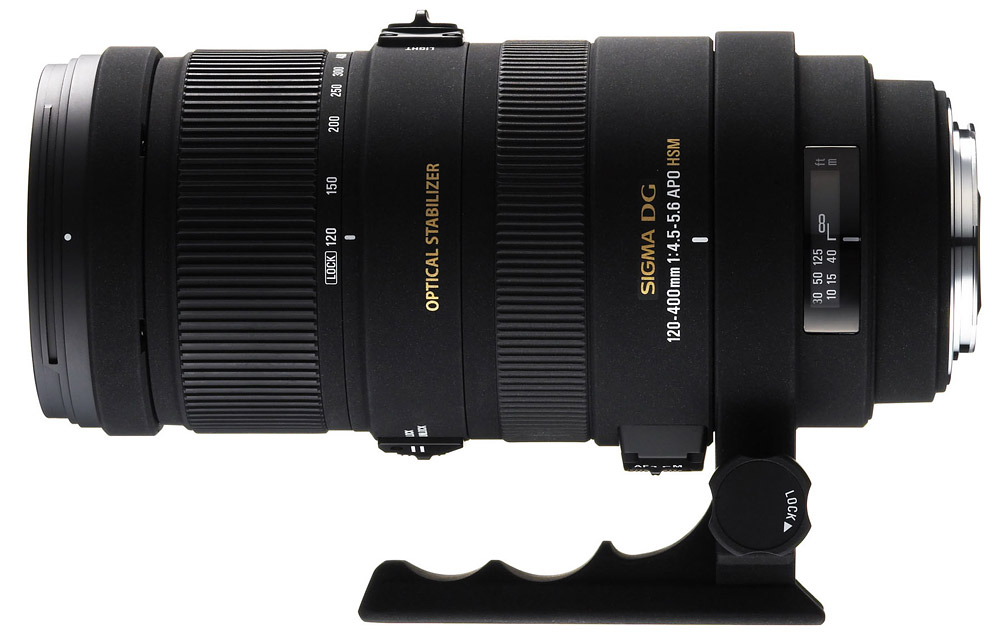
Pros: Construction; Stabilisation; Affordability now secondhand; HSM AF fast and quiet; Zoom lock (essential, but can be fiddly and difficult to engage)
Cons: Weight, far too heavy for its specification - the figure given in the Juza spec is 100g less than it really is; AF apparently incompatible with lower end DSLRs; Stabilisation on mine is noisy
Opinion: I'll say this honestly that comparing this lens in all manners to its predecessor, which I had (and mostly hated) the 135-400mm Apo, is like comparing an old Skoda with a Passat, but is still way off the mark of the lens that I will one day buy, Nikon's new G 80-400mm VR. I used to own Nikon's old D 80-400mm with its very basic VR and poor 400mm sharpness but traded it in for exchange for this Sigma's bigger brother, the very popular and transforming 150-500mm OS, which I still have and occasionally still use.
Sigma have, of course, replaced that lens with yet another leap forward in every aspect, with the two 150-600mm's. They have not replaced the 120-400mm, however and are unlikely to, everybody wants longer and longer focal lengths, of course. But those lenses (and my 150-500mm) are just too big and heavy to carry around as a general purpose long zoom, whereas the new Nikkor 80-400mm G is around the size and weight of a 70-200mm f2.8, big, yes, massive, no.
Even on DX, 400mm is generally too short for birds and wildlife, unless you are in a hide, in which case you probably specialise in wildlife photography and so have a better fixed lens, with the possibility of extending via matched extenders. My friend, who passed on this 120-400mm to me for a modest sum, bought it for birds on his D800, found it too short and far too heavy - and has recently gone to Mirrorless anyway.
I use a 400mm for its isolation and compression properties in the landscape, both rural and urban. 25% more telephoto gain over my Tamron SP 70-300mm VC might not seem much but it can make a real difference. However, the Sigma weighs 1kg more than the already quite heavy Tamron 70-300mm VC, yet in partnership with a Nikkor 18-140mm VR and 10-24mm Nikkor, in a rucksack, makes for a weighty but not too uncomfortable way of having the range in 35mm terms, 15-600mm, in just three lenses, all with good to excellent quality on the D7100.
As for sharpness, the Sigma 120-400mm is good but nothing much more than that. Often its haze and poor light that seiously degrades image quality and in theory should be similar to the 150-500mm. Amateurs and enthusiasts will like it as you can get some very decent quality if you stop the lens down a bit and use it properly, but professionals will not. But professionals had the same attitude to the 150-500mm, but they could afford Canon L, the new Nikkor or exotic fixed lenses that cost the same as a good used car. I've generally avoided maximum aperture so cannot really say how well it performs at 400mm f5.6 but I guess that images would be usable and when some extra sharpness is added in processing. My Tamron 70-300mm SP would easily beat the Sigma at all focal lengths, even at its maximum of 300mm. I've not really tried at closest focus either.
So, I can only recommend if you're after reasonable and affordable quality and price and don't pay very much for one either. Reselling could be a problem in the future too, or at least for a decent price. For me, it's an interim stop gap but unlike that old and awful 135-400mm where I felt that my pictures were rather wasted by the often poor (especially 400mm) image quality, I know that this 120-400mm gets me good results for quite little money, but at 400g more than the new Nikkor 80-400mm, the overriding feeling is it's just a bit too heavy. In many aspects, 7/10 would be the right score but if you consider that it can be bought for £300 (500 Euro?) for a good used example and when compared to the alternatives and for the overall package (you also get a padded case, deep and decent hood, metal tripod collar) with its HSM focusing and effective stabilisation, then I have to award 8/10 |


 The following opinions have been automatically translated with Google Translate.
![[editors pick]](shared_files/layout/ep_badge.jpg)






















 JuzaPhoto contains affiliate links from Amazon and Ebay and JuzaPhoto earn a commission in case of purchase through affiliate links.