JuzaPhoto uses technical cookies and third-part cookies to provide the service and to make possible login, choice of background color and other settings (click here for more info).
By continuing to browse the site you confirm that you have read your options regarding cookies and that you have read and accepted the Terms of service and Privacy.
You can change in every moment your cookies preferences from the page Cookie Preferences, that can be reached from every page of the website with the link that you find at the bottom of the page; you can also set your preferences directly here
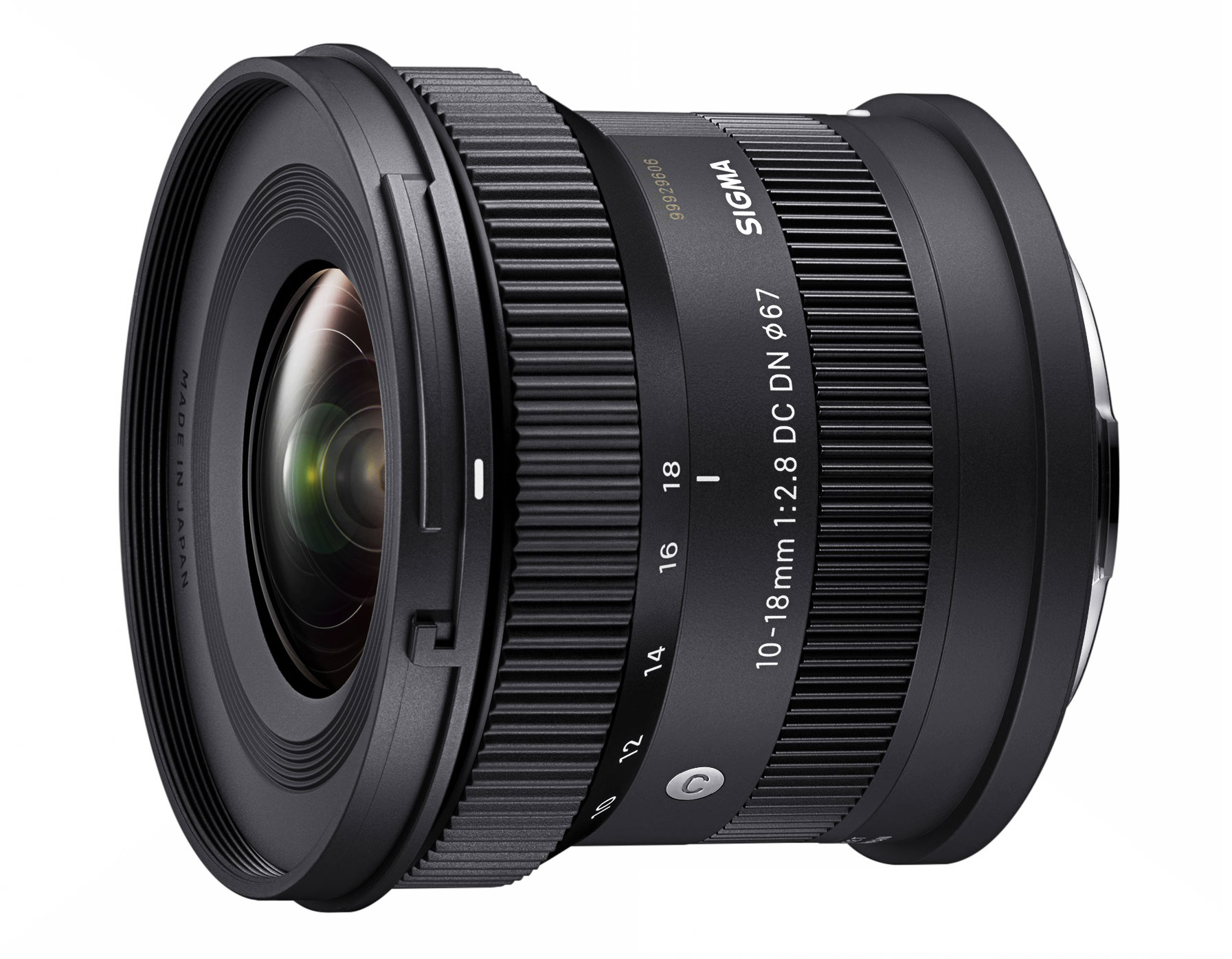
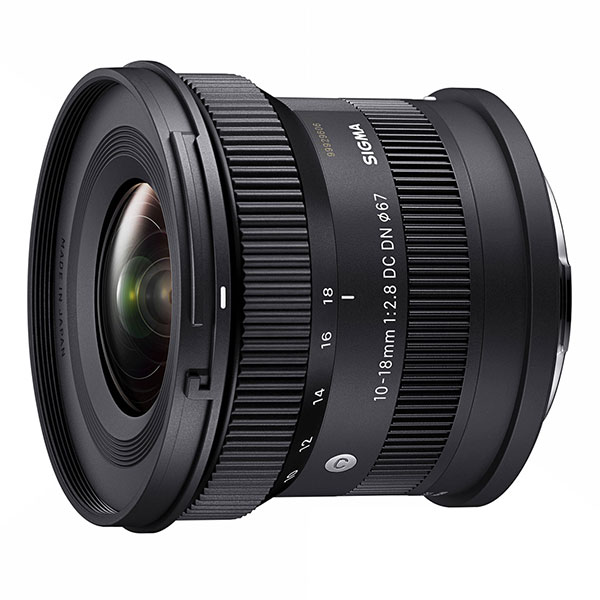
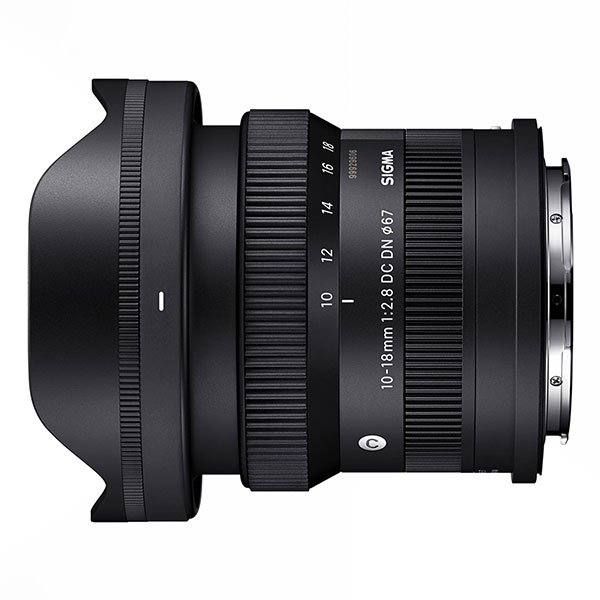
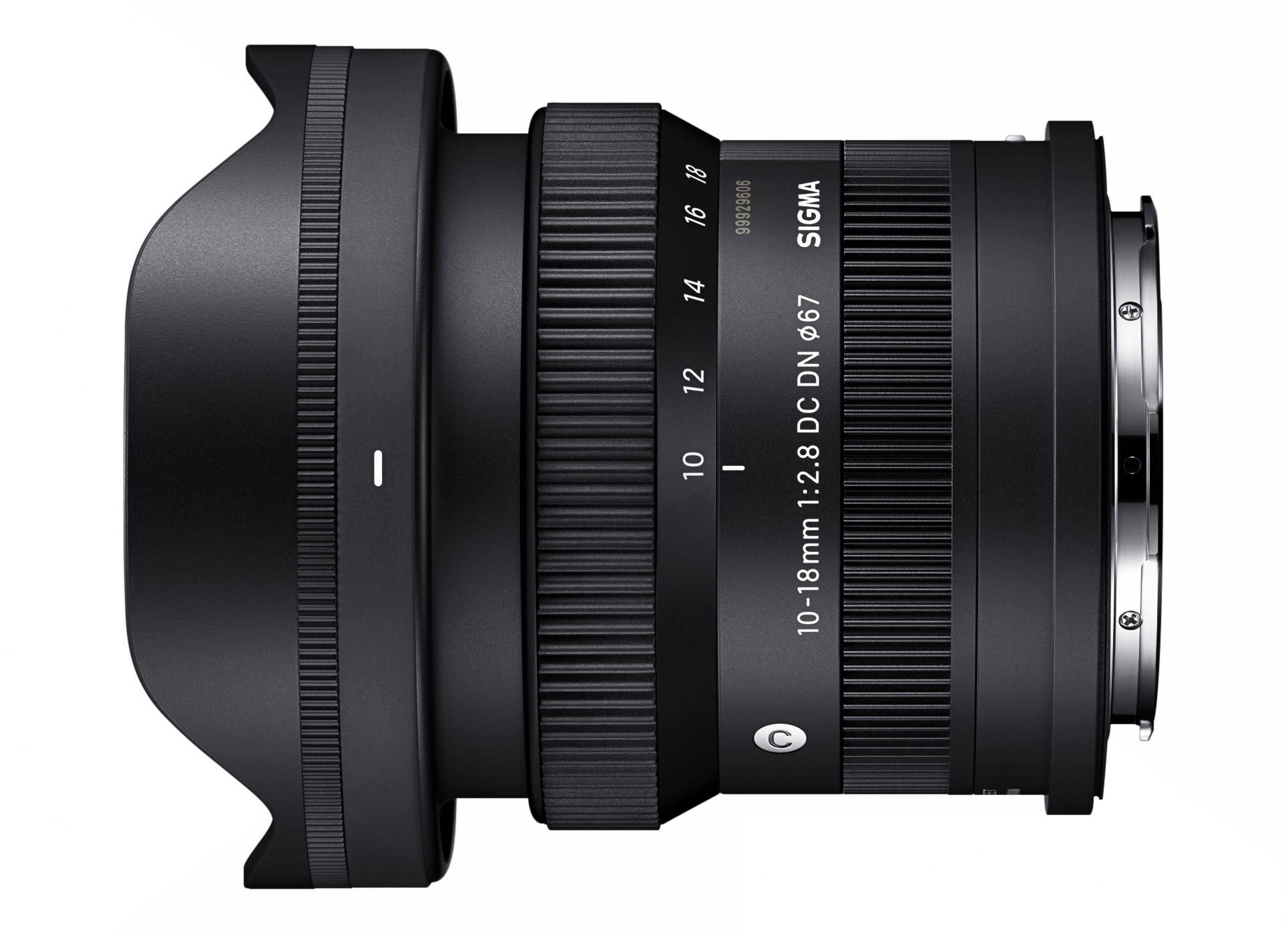
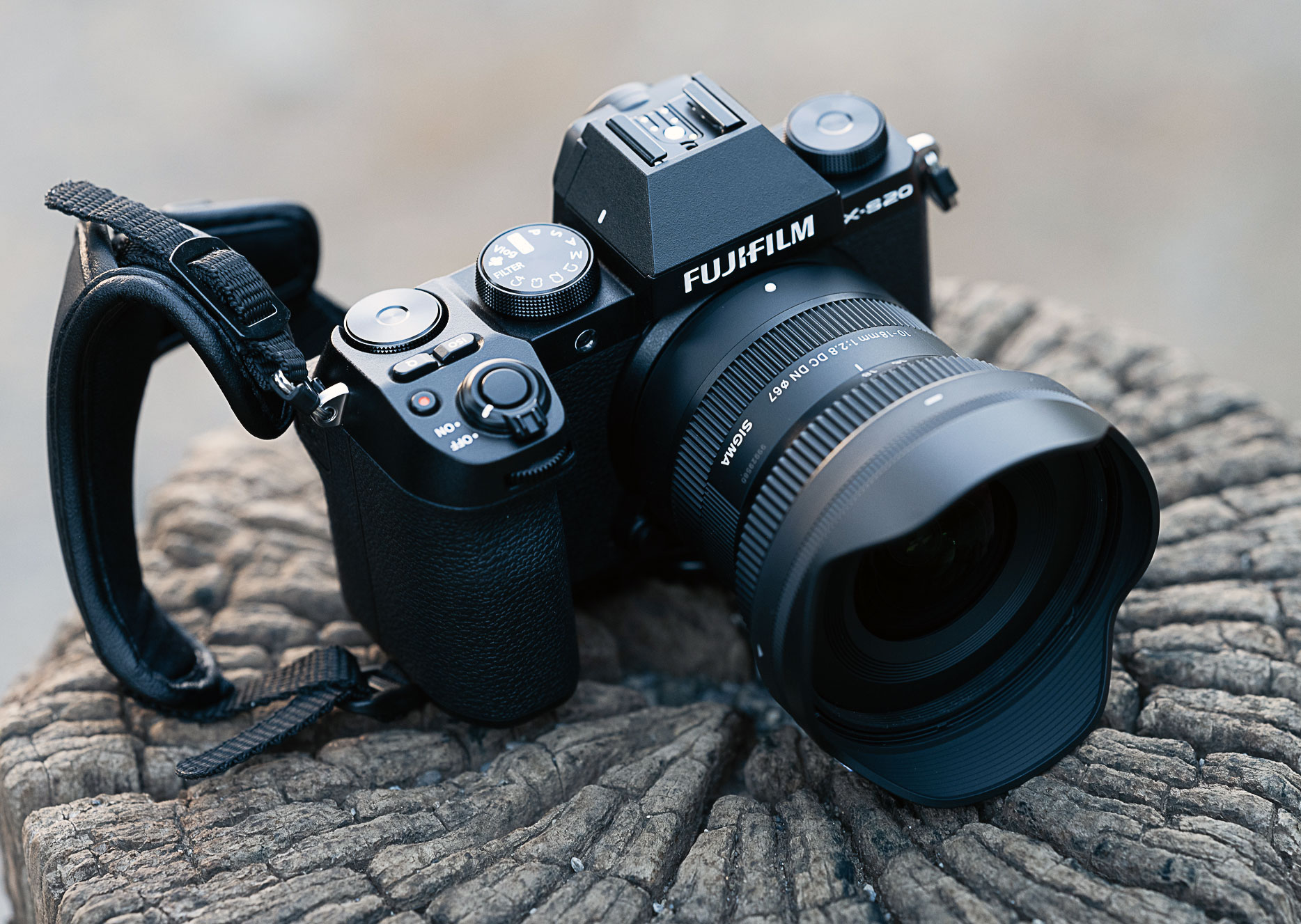
The Sigma 10-18mm f/2.8 DC DN C is a wide-angle lens for APS-C, manufactured from 2023. The focus is done by Stepper Motor, it does not have image stabilization. The average price, when it has been added to the JuzaPhoto database, is 668 €;
16 users have given it an average vote of 9.5 out of 10.
MOUNT
This lens is available with the following mounts:
Canon RF: this lens is compatible with mirrorless APS-C Canon RF.
Sony E: this lens is compatible with mirrorless APS-C Sony.
L-Mount: this lens is compatible with mirrorless APS-C L-Mount.
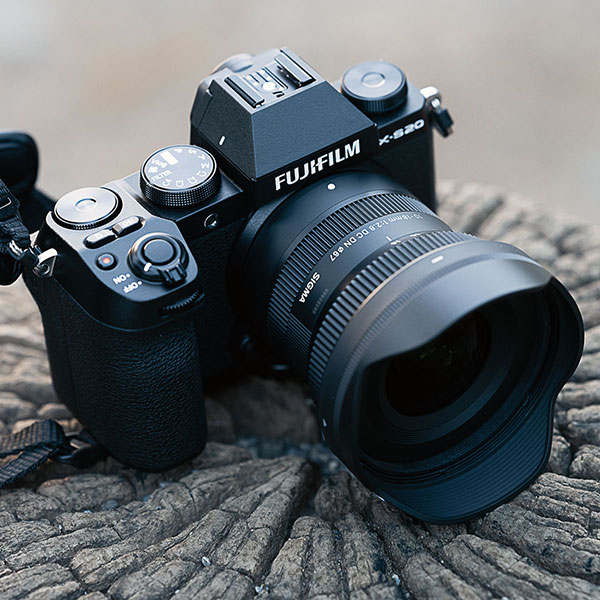
Fujifilm X-mount: this lens is compatible with mirrorless APS-C Fuji.
Do you want add your opinion? You do it by joining JuzaPhoto, it is easy and free!
There is more: by registering you can create your personal page, publish photos, receive comments, join discussions and you can use all the features of JuzaPhoto. With more than 256000 members, there is space for everyone, from the beginner to the professional.
The following opinions have been automatically translated with Google Translate.

Pros:Very light, very well built, excellent dials, excellent cost ratio and very high performance.
Cons:On the 40MP Fujifilm sensor, some marginal chromatic aberration in very extreme situations, lens hood lock system, no aperture ring marked for the Fujifilm system.
Opinion:The Sigma 10-18 Zoom is here. Tested with my Fuji X-H2 40MP. Very quick tests against the Sigma 12 1.4 vs Fuji 8-16. The Fuji 8-16 remains a Premium lens with no chromatic aberrations: the images are cleaner, but the heavy and bulky lens also costs three times more. The Sigma 10-18 Zoom as a construction looks like the brother of the Sigma 12 1.4, the Sigma fixed with very slight advantages in sharpness even if you have to zoom a lot to see a difference, but you notice it in the corners, which one to choose between a Sigma 10-18 vs 12 zoom 1.4 I find it really difficult to answer the Sigma 12 1.4 is definitely more suitable for indoor photography also for astrophotography, but with doubts about the exact AF it may have a problem with the firmware. The zoom is free of defects, the AF works very well in contrast to the Sigma 12 1.4, and the zoom also suffers less from chromatic aberrations, only slightly visible in very extreme situations. For very high demands, Fujifilm extreme wide-angle lenses unfortunately only offer the 8-16 zoom as a Premium lens, there is no lighter and more transportable alternative, for example Fuji 12 1.8, 10-20, 2.8, it's a shame, Fujifilm has a nice 40MP sensor but then partly the lenses that are not available, you have to look for alternatives from third-party suppliers with a 40MP sensor, A great commitment. Note: great value for money and what it offers, so for me a great optic to recommend, but definitely not a Premium optic. I have done more tests definitely to recommend the Sigma 10-18.
Pros:Sharp even at full aperture, very compact, very light, non-existent chromatic aberrations, possibility of mounting screw filters, max aperture f/2.8, tropicalized, AF on a par with native lenses
Cons:Zoom ring in reverse (but you get used to it quickly) and little else
Opinion:A truly brilliant lens that, in my opinion, fits perfectly with what is the philosophy of APS-C cameras: compactness and lightness. Combined with the superb image quality on most of the frame, the tropicalization and the possibility of mounting common screw filters, it makes it an almost obligatory choice for those who want a quality wide-angle in the APS-C segment. Of course, if it cost 70/80€ less like the Tamron it would have been ideal but even if taken at 700€ in my opinion it is a bargain. Also because it is smaller and wider than the aforementioned competitor. The zoom ring turns backwards and it's a bit strange but you quickly get used to it having a limited focal range. The f/2.8 aperture allows you to take several photos at night or some close-ups without expecting a sensational bokeh. Finally, like almost all the latest Sigma lenses that I have been able to analyze, the image performance and sharpness are very satisfactory and worth every penny. Vote 10.
Pros:Sharpness, contrast management and chromatic aberrations, in short, technically perfect
Cons:Without pushing to 10mm, already at the longest focal lengths it tends to enlarge (or lengthen if you prefer) more than it should on the edges
Opinion:Really nothing to say, for quality, size, weight. In the hands it gives the feeling of being a bit cheap, but it is solidq. The lens hood is interlocking and not half bayonet. It is possible to mount filters, it is not obvious at these angles of view. It is a fun lens, which for some moments of the wedding, where I specialize, is useful and does its duty. And he does it well. On the stock market you forget it, but when you need it ... You climb it up and the world of extreme wide angles opens up. I would definitely buy it again. I don't recommend it to those who take interior photos. For this use I think I'll keep the Samyang 18mm which, despite the cost and some defects, doesn't zoom on the edges.
Opinion:Mounted on the camera 10 minutes ago, I was already well informed about this lens, but beyond the opinions already present on the net that I quote 100% I just want to point out the first thing I look for in a lens, which is sharpness. Well.... This variable blew me away! Never seen such a thing on a wide-angle lens. I think it will be mounted on the camera body for quite a while.
Opinion:I've owned it for about two months, and I've already taken a lot of photos of it, from some set portraits, to a bit of street, and mainly architecture, albeit on the road. This was the purpose that decided to buy it, first of all, to be able to use it to take cues and glimpses that would be difficult to obtain otherwise, and to minimize falling lines as much as possible. Of course, if you don't level it perfectly, the deformations will appear, but they can certainly be corrected in post-production. Another thing that really surprised me in a positive way, is that it doesn't even vignette at full opening. It's not just because it's a recent acquisition, but I have to say that I replaced it a few other times during a cruise I did in April. I had the 18-55, and the 35 1.4 to choose from... And it continues. Maybe it's because my type of photography, in this period, prefers a certain type of subject. The fact is that for what it costs, and for what it yields, combined with a truly negligible size and weight, it is a lens that ensures satisfaction.
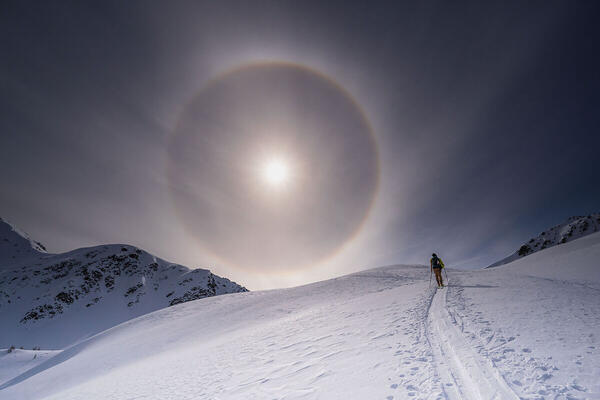
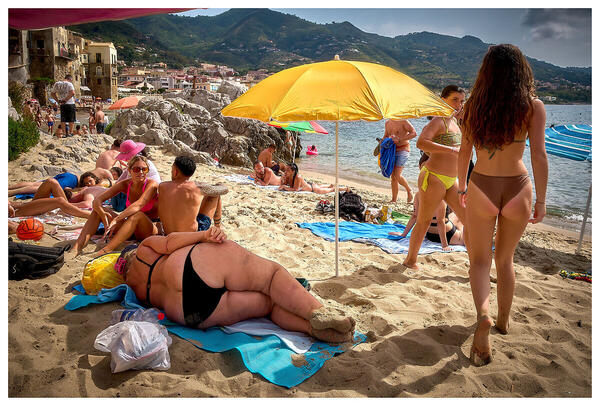
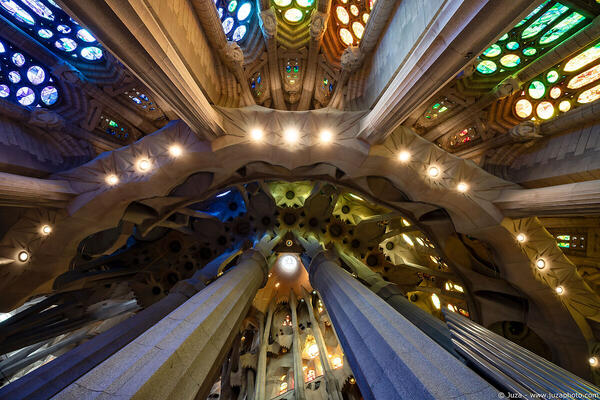
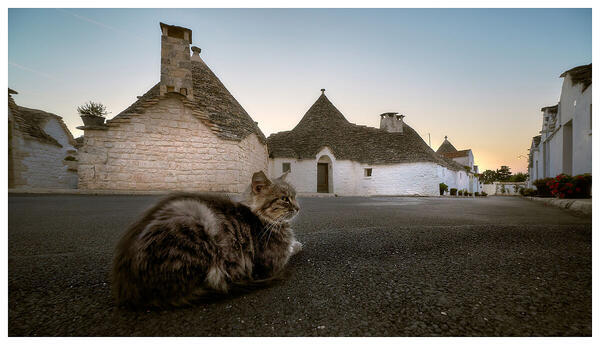
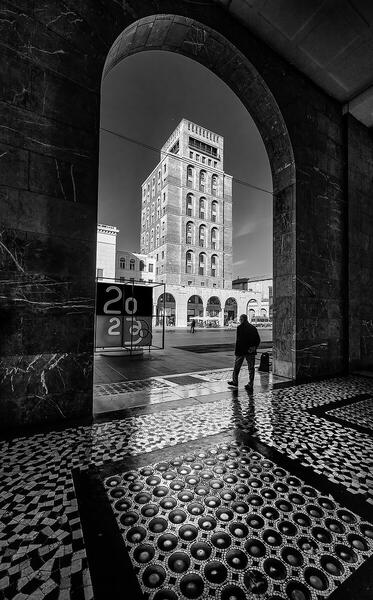
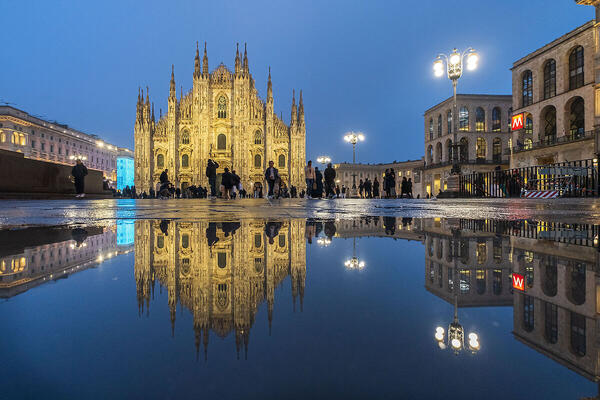
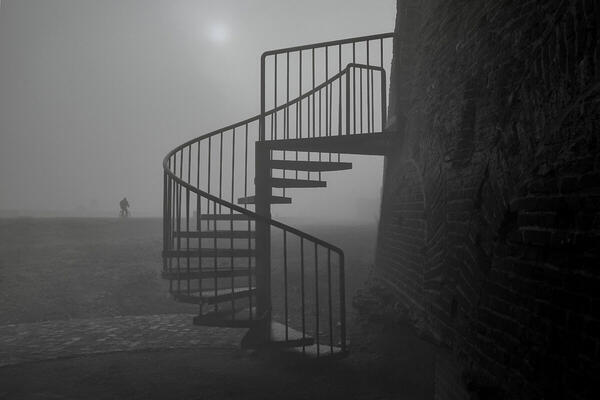
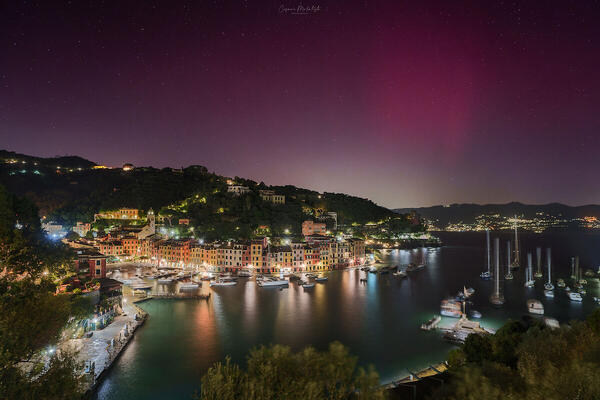
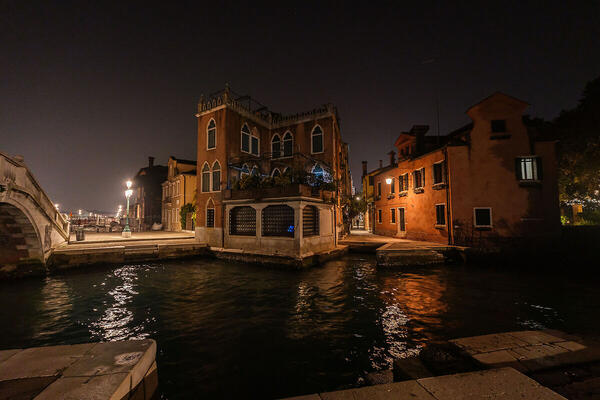
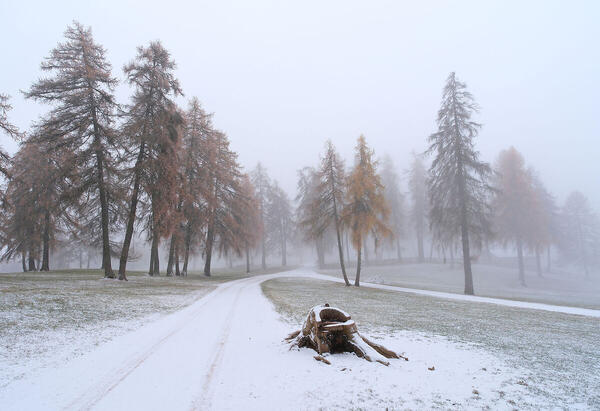
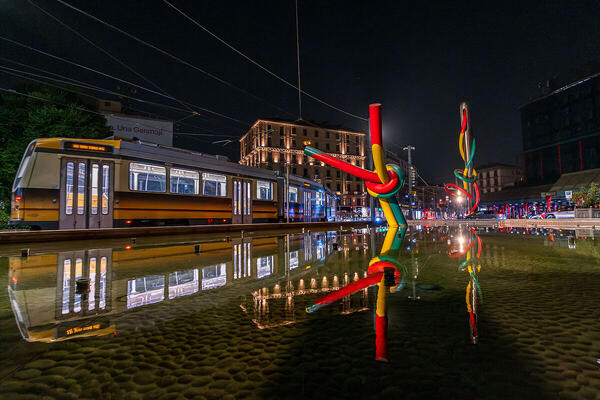
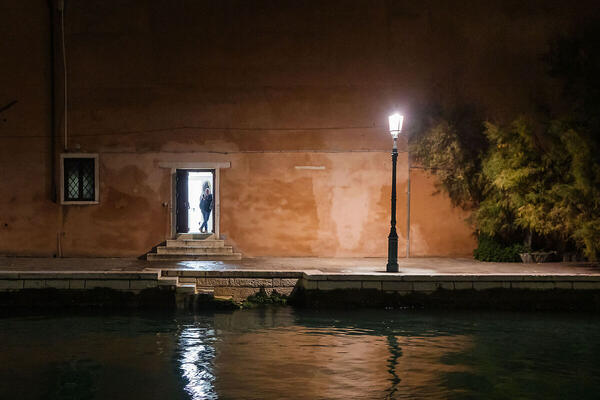
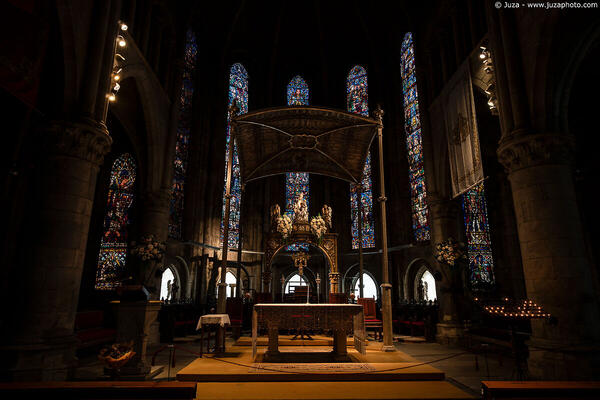
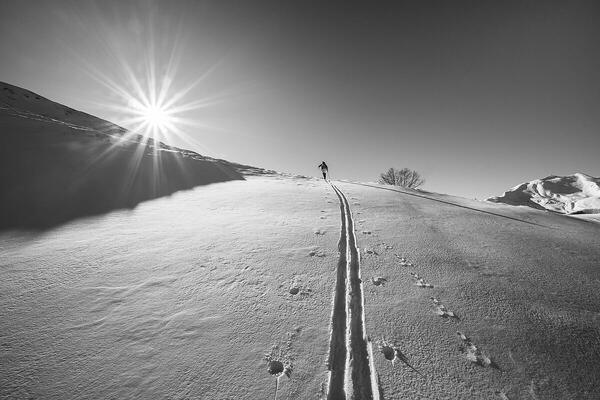
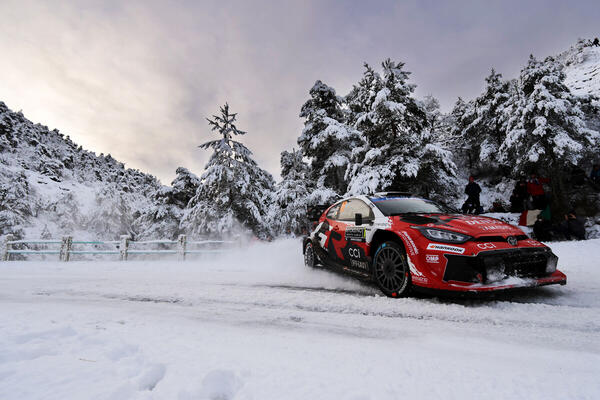
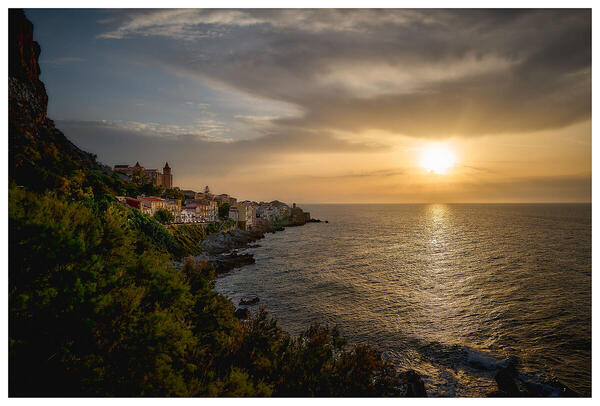
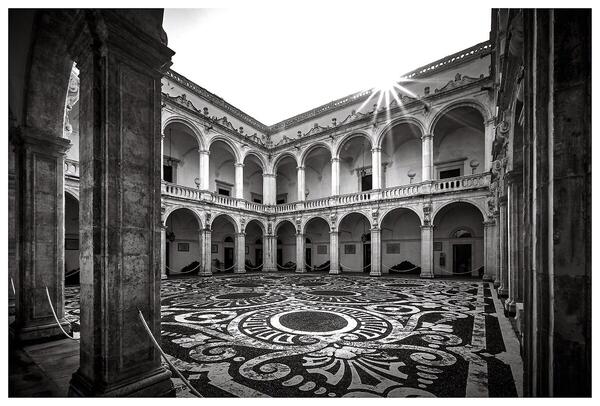
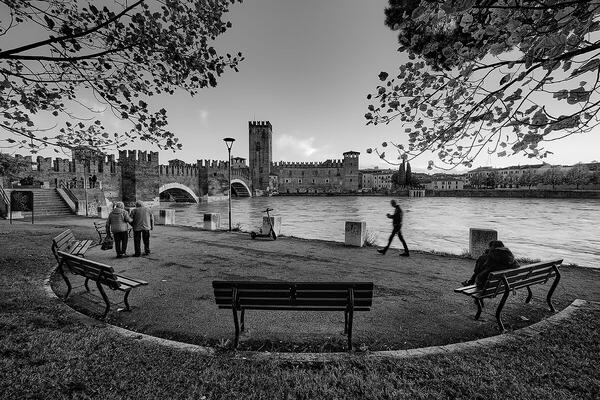
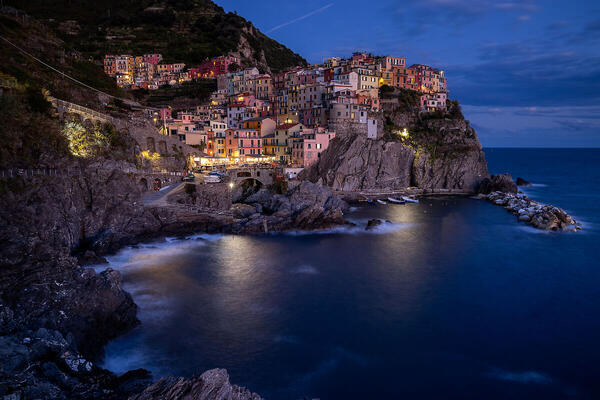
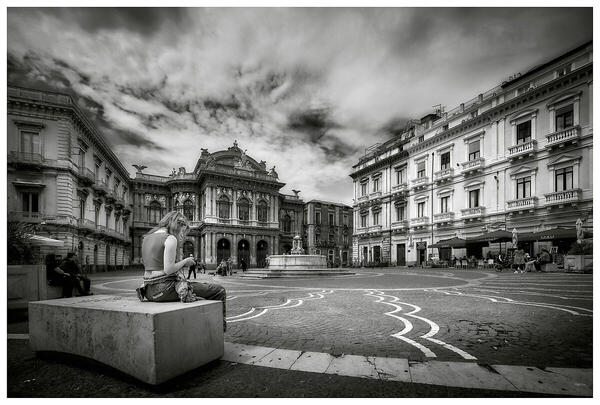
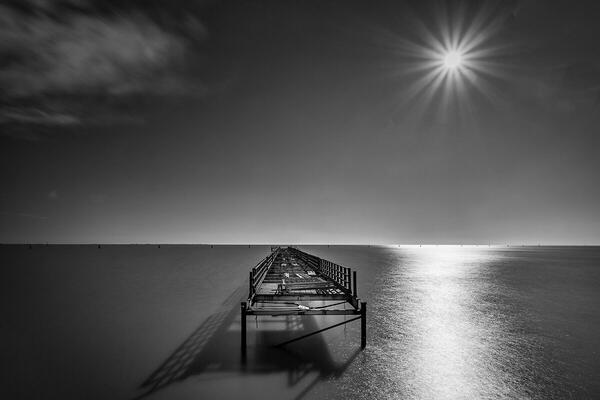
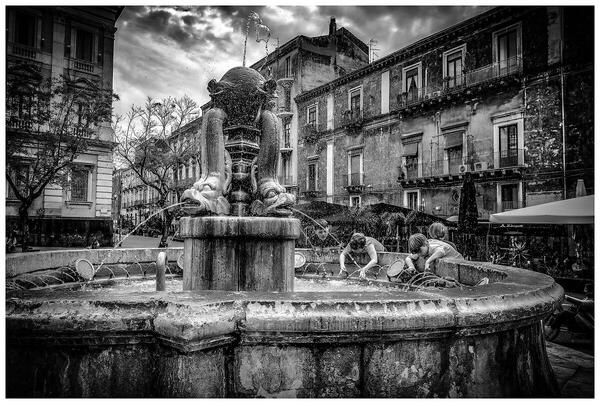
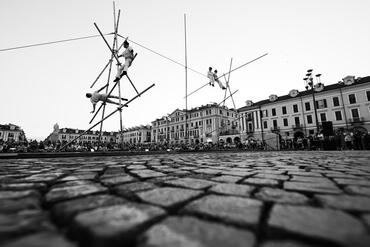
The sample photos are selected automatically between all photos posted by JuzaPhoto members, using the camera and the lens selected in the techs. If you find evident errors (e.g. photos taken with cameras and lenses that are not available yet), you can contribute to improve the page by sending a private message to the user that has entered incorrect values in the photo caption.