|
| sent on 25 Luglio 2025
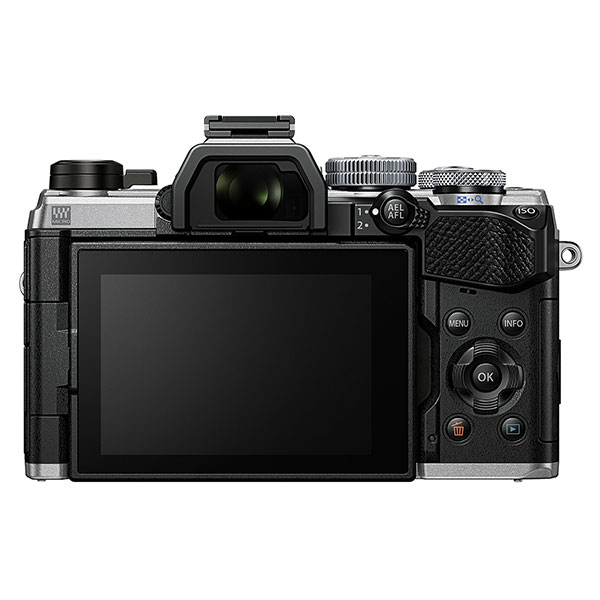
Pros: Weight, size, tropicalization, many customizable dials and buttons, IBIS, fully articulated screen, good ergonomics, m43 system lenses
Cons: Highlight management, ergonomics with larger lenses, build quality
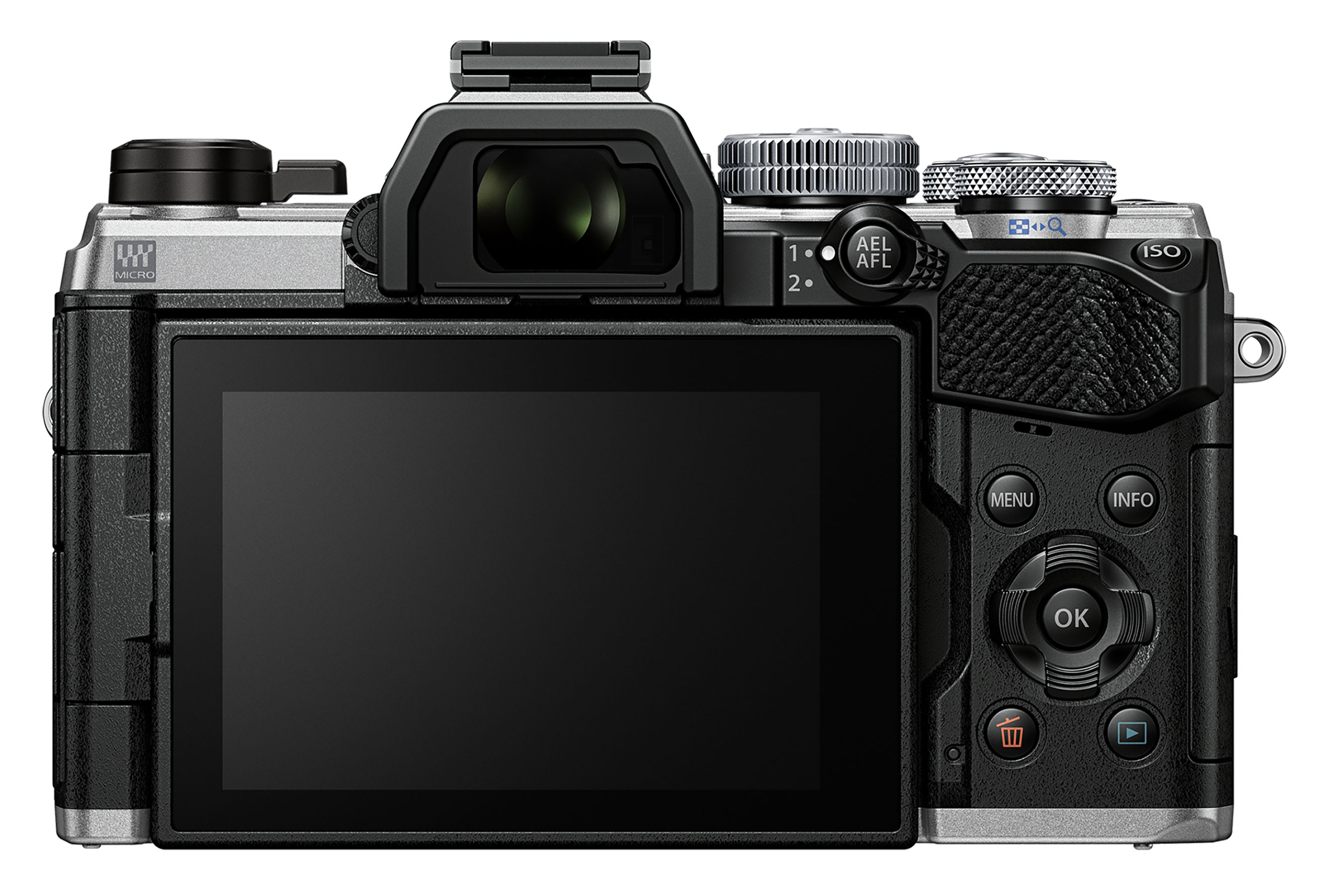
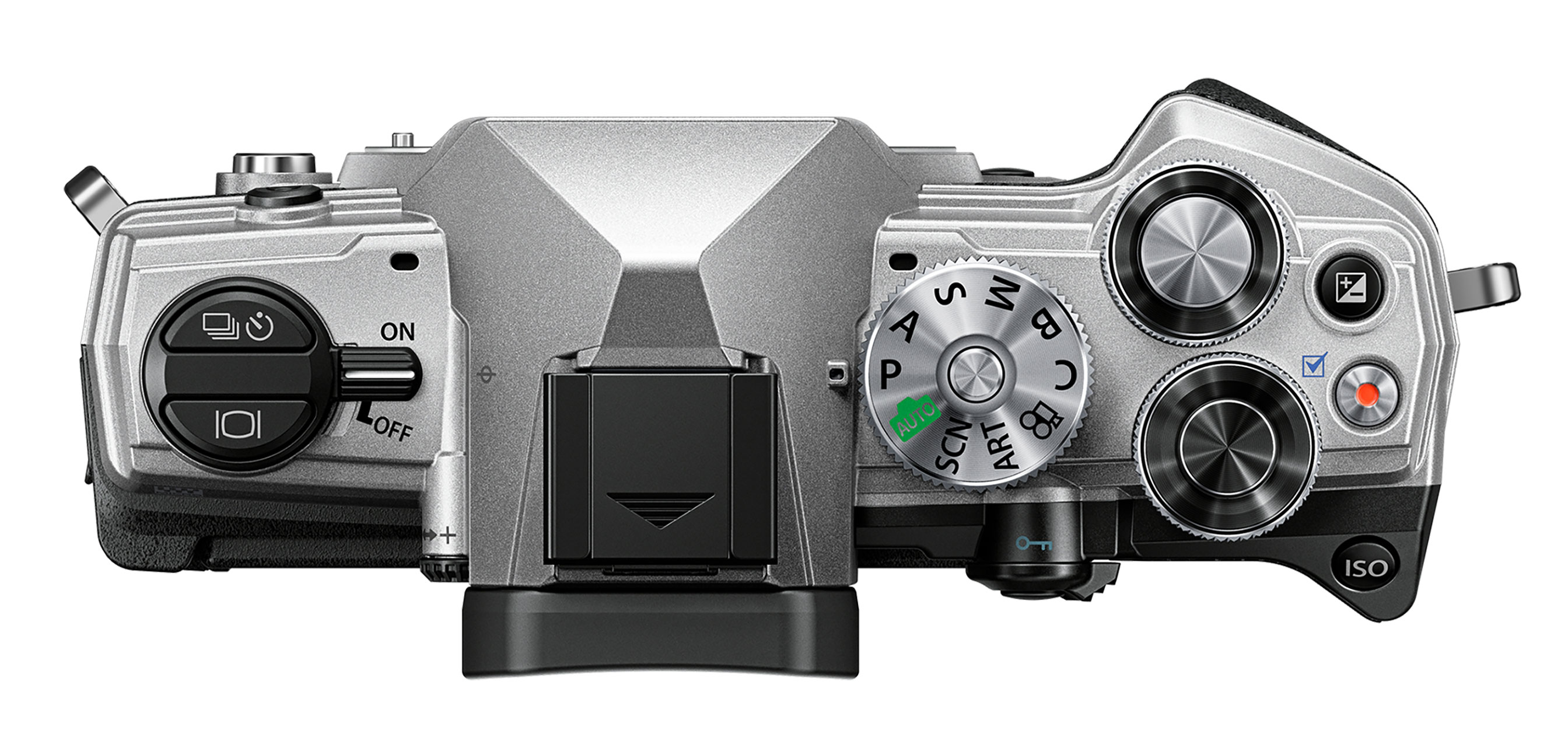
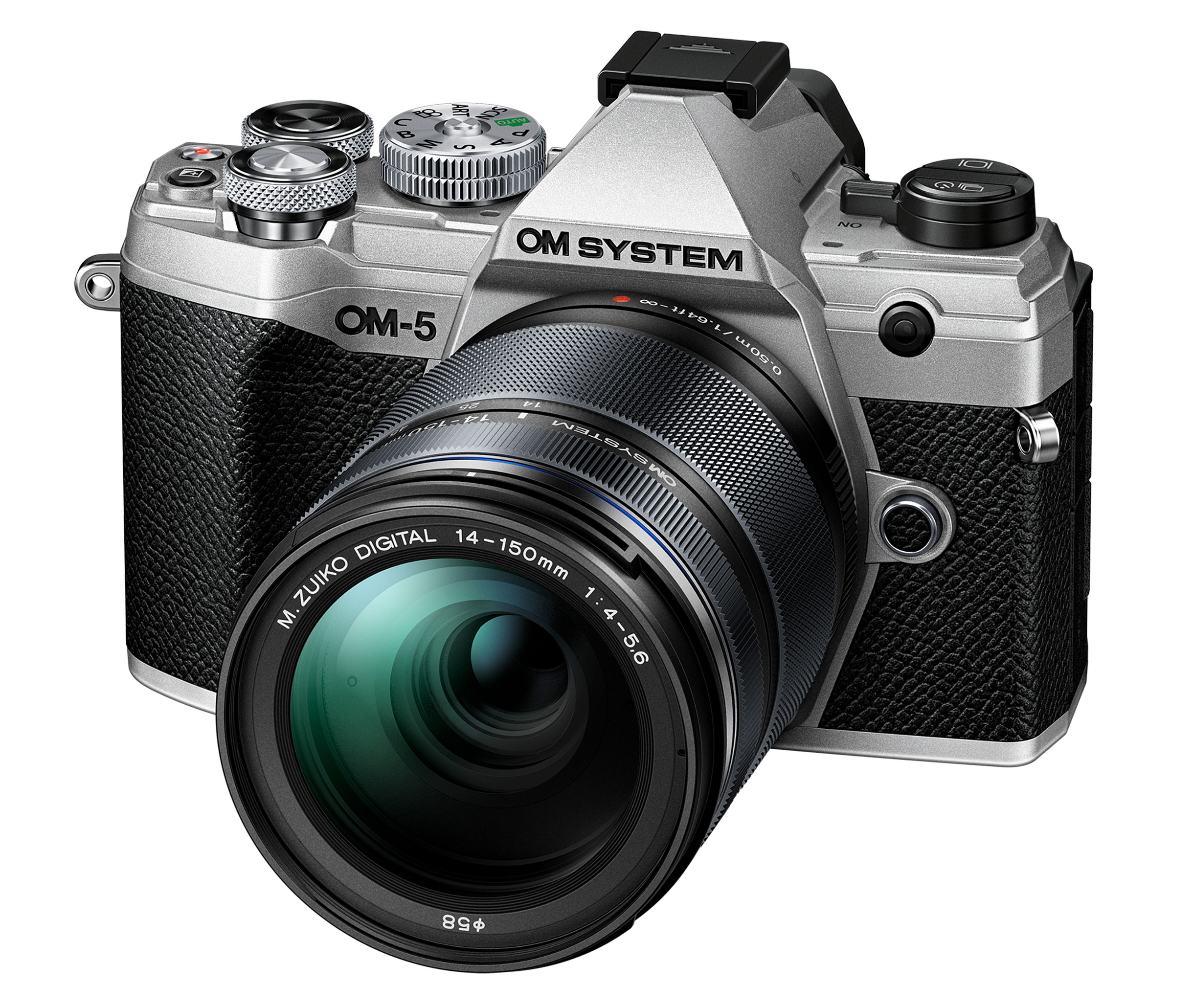
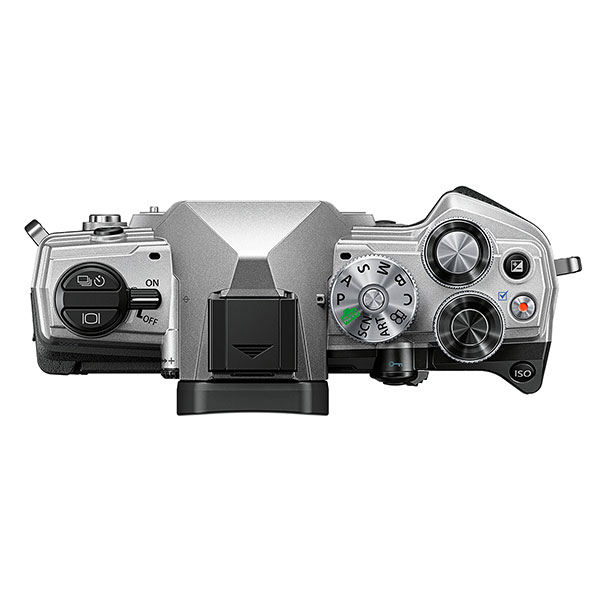
Opinion: Used for almost a couple of years especially in the field of travel photography, I feel I can express an opinion on this camera. As mentioned above, I mainly photograph when traveling, which is why I chose the micro4/3 format in 2018 and continue to use it until today. For me this camera has the perfect size and weight to be taken anywhere, the fully articulated screen allows you to store it without problems in your backpack and the lenses of the m43 allow you to have a versatile kit always with you and at a price that is not excessive. In addition, OM System is one of the few companies that offers weather sealing even in mid-range models, and this allowed me to take the camera with me between deserts, mountains and dusty cities. My first kit with this camera was: Olympus 9-18, Panasonic 14-140, Panasonic 15mm and Olympus 45mm. With this kit the camera went very well, the lenses had the right size and the ergonomics were perfect, the 14-140 is a very versatile lens and the two fixed ones allowed you to have more light when needed and a minimum of control of the depth of field. I modified the kit over time, replacing the 9-18 with the Panasonic 8-18 and the 14-140 with the OM System 12-40. Image quality has improved, especially in more difficult lighting conditions, but ergonomics have worsened overall. Let's say that managing the camera with these lenses is feasible, but you have to hold the body+lens group with your left hand and you lose some of the immediacy you have with smaller lenses. For aesthetic reasons, the focus was on a rather bare grip, which however does not help in these situations. Another point in favor of this camera is the number of customizable buttons, as many as 7, and the degree of customization, which allows the user to transform the camera to his liking. Among other things, you can move the ignition from the awkward lever on the left (but why put it there I say) to the AEL/AEF lever on the right, so the camera becomes very convenient to turn on on the fly. Another big point in favor is the IBIS, even if I prefer to avoid going down to too slow times, to avoid having microblur, I assure you that you can easily shoot at 1 or 2 seconds with a wide-angle lens. In any case, for me the real usefulness of IBIS is to allow you to worry much less about shutter speeds, and to shoot with peace of mind at 140mm with shutter speeds of 1/15 of a second or with any lens in the system. The strong point of the camera is that it has an endless range of lenses available, which allows the user to try different lenses without spending an eye. There are compact travel lenses and pro, fixed and zoom lenses of all kinds. with the 9-18 and 14-140 I covered from 18 to 280 mm equivalent in less than a kg. As for image quality, not shooting moving subjects (so I won't talk about autofocus, which for my purposes is more than fine) ISO has never been a big problem. I have hardly gone above 3200 and up to there the sensor holds up quite well. The real problem, and I also wrote about it in the review of the GX9 is the dynamic range, especially the management of the highlights is particularly difficult and you have to be careful not to overdo it in post production. In general, the m43 sensor loses in high contrast conditions and bracketing often has to be used to overcome this. The build quality is not excellent for a car sold to go on adventures: within 9 months and the rubber to rest the thumb came off, the silver paint on the shell went away even earlier. The case back seems prone to cracking with the Peak Design clips. For me it is currently the best compromise between functions, image quality, size and price on the market: vote 9 |


 The following opinions have been automatically translated with Google Translate.






















 JuzaPhoto contains affiliate links from Amazon and Ebay and JuzaPhoto earn a commission in case of purchase through affiliate links.