|
| sent on 03 Luglio 2025
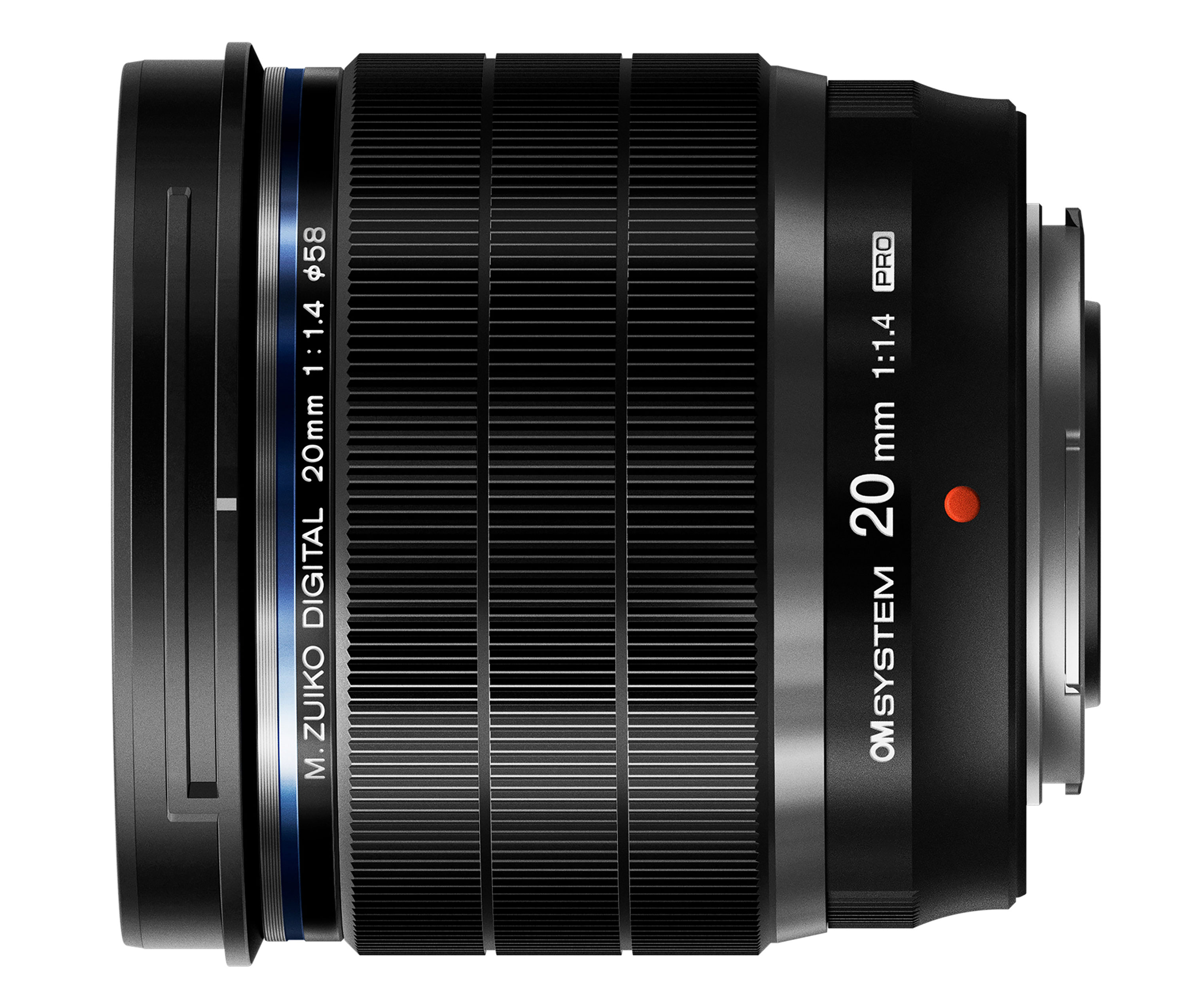
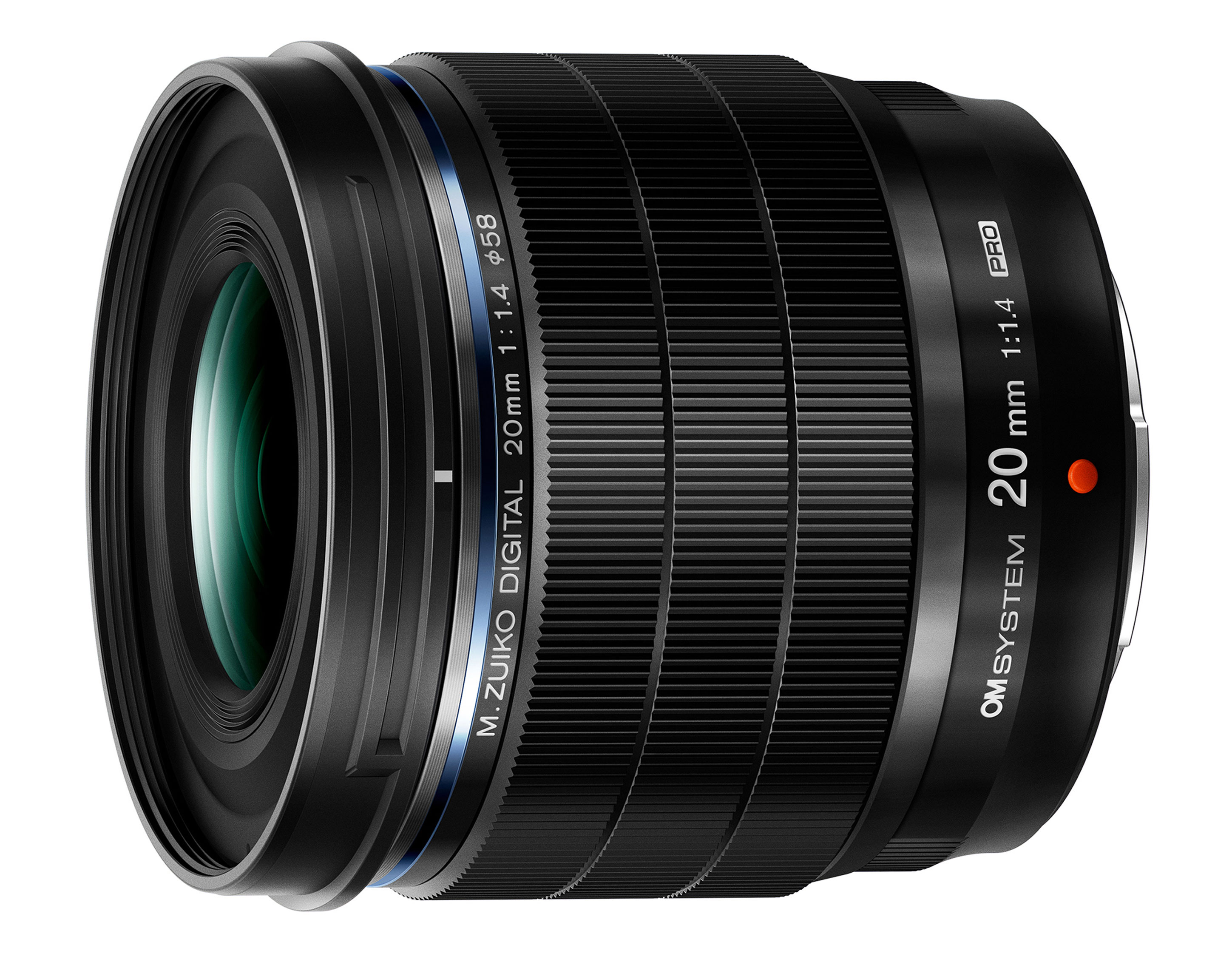
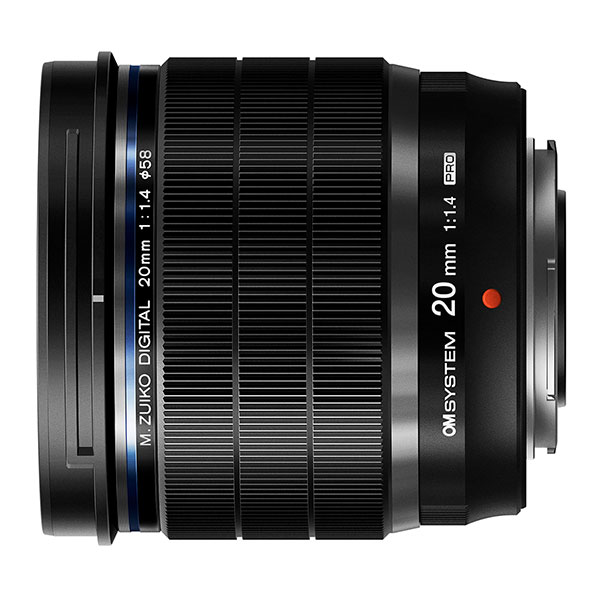
Pros: Impeccable build quality, Excellent sharpness already at TA in the center, Color rendering and microcontrast characterized by vivid colors, Ideal compromise between aperture and compactness, Soft and creamy aspherical bokeh, Fast, quiet and precise AF, Distortion and aberrations practically absent.
Cons: Not cheap price for an f/1.4 in MFT format, Absence of the MF clutch, Vignetting visible at f/1.4 in raw, Sharpness at the edges slightly below the top of the PRO range, "cinematic" rendering, which you may like or not.
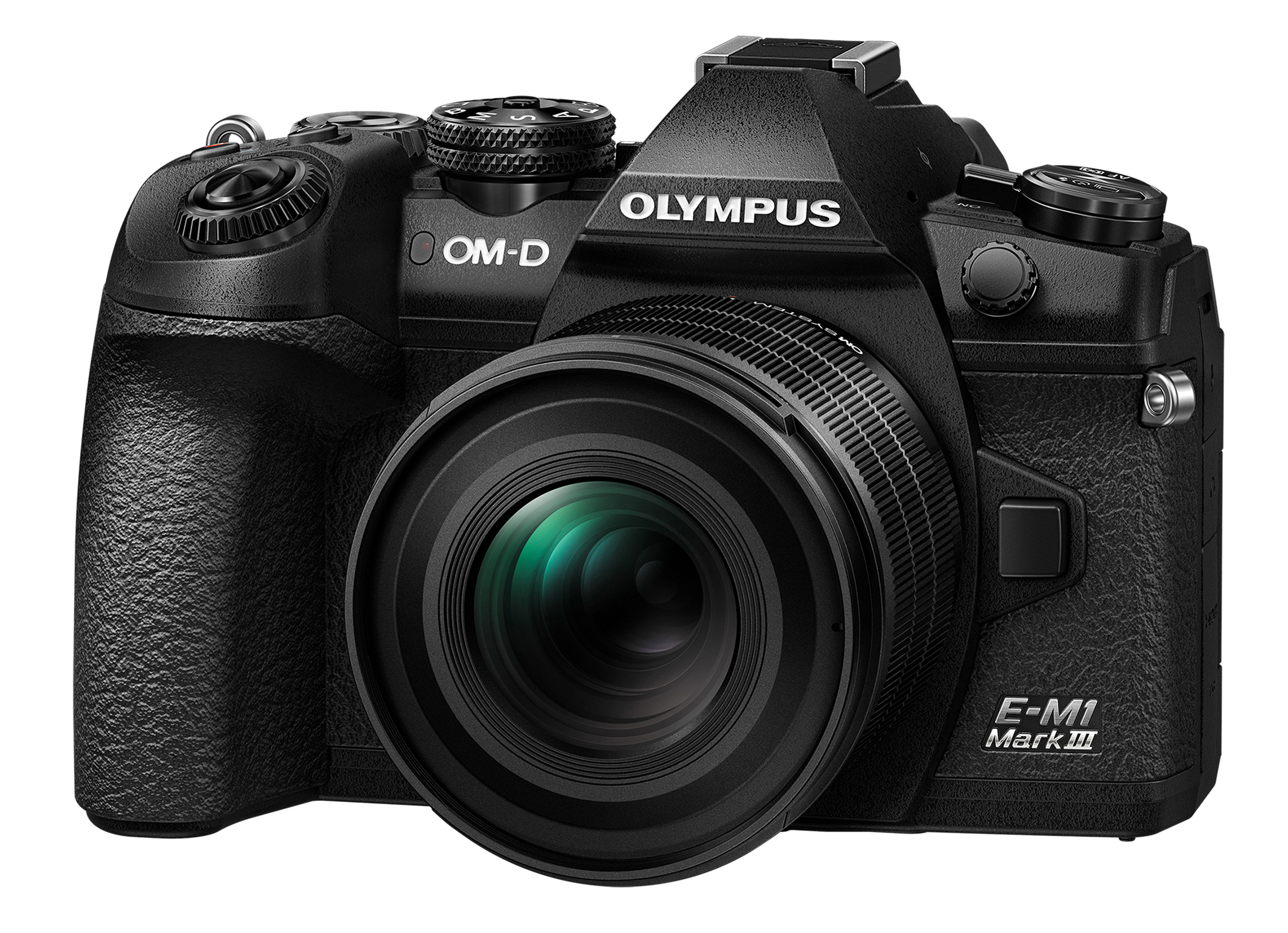
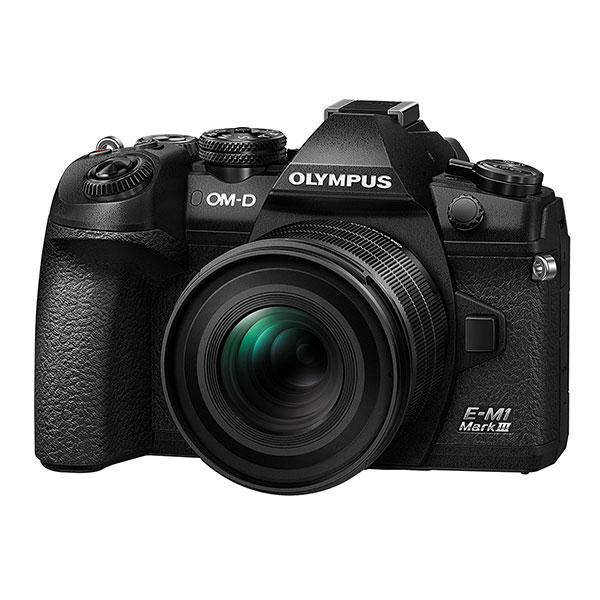
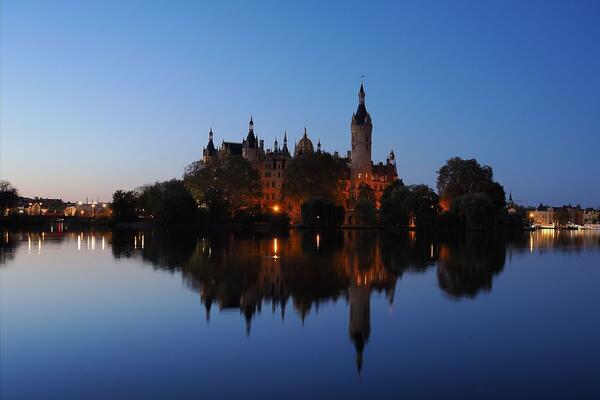
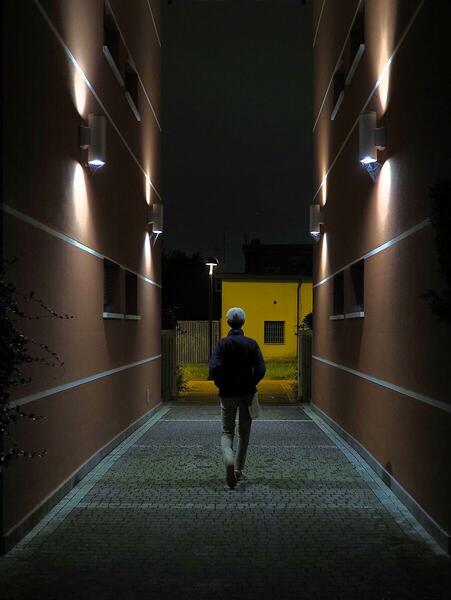
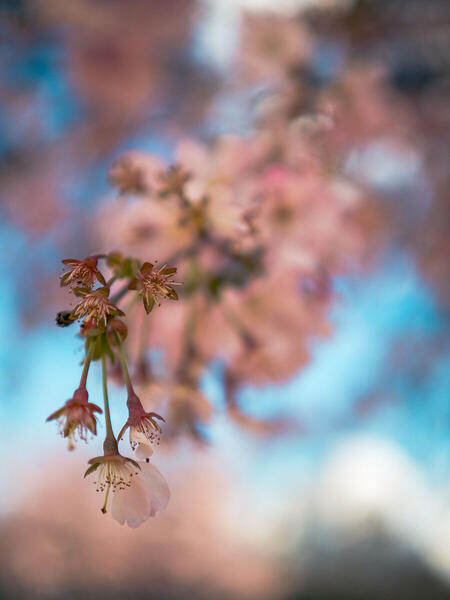
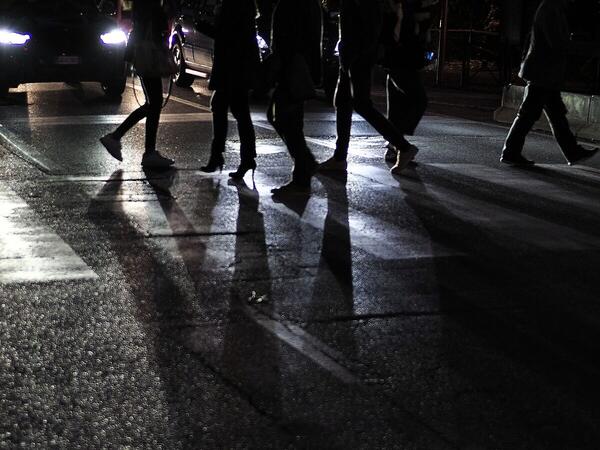
Opinion: The 20mm f/1.4 PRO is a lens that comes from a clear vision: to offer PRO series quality in a slimmer and lighter body, designed for those who photograph in the field, on the move, and do not want to carry around gigantic glass. The tropicalized and compact metal barrel weighs only 247g, but never gives the impression of being a toy. It's super balanced on bodies like the OM-5/E-M5 III or E-M1 III, and it's the classic lens that you can always leave on without getting tired. From an optical point of view, the central sharpness is surprising already at f/1.4, but what is striking is the overall rendering of the image: three-dimensionality, color fastness, and a bokeh that, despite being on MFT, has an almost analog delicacy. The 20mm focal length, which corresponds to a 40mm equivalent, is a middle ground that may seem strange, but which becomes a very expressive tool if you accept its language: perfect for those who want to tell urban scenes with a minimum distance from the subject, without obvious distortions, or for those who love the intimacy of set portraits. If we compare it to the 17mm f/1.2 or the 25mm f/1.2 PRO, the 20mm f/1.4 is much more portable, less demanding in price, and maintains a PRO quality throughout. However, the clutch for manual focus is missing, one of the most loved Olympus goodies by those who do video or contemplative photography. In terms of optical defects, we are in reassuring territory: very little distortion, chromatic aberrations under control, vignetting present but corrected via software. The edges aren't razor-sharp at f/1.4, but they improve quickly when you just close the aperture. |


 The following opinions have been automatically translated with Google Translate.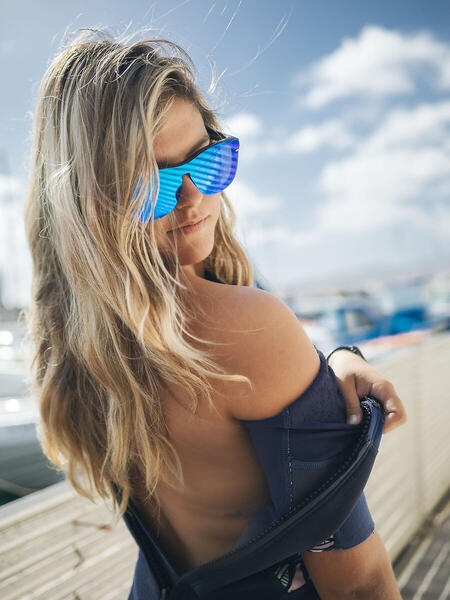



























 JuzaPhoto contains affiliate links from Amazon and Ebay and JuzaPhoto earn a commission in case of purchase through affiliate links.