|
| sent on 02 Luglio 2025
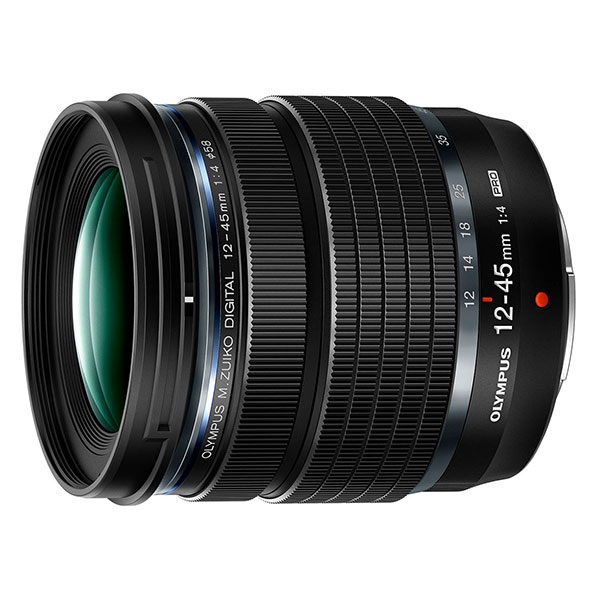
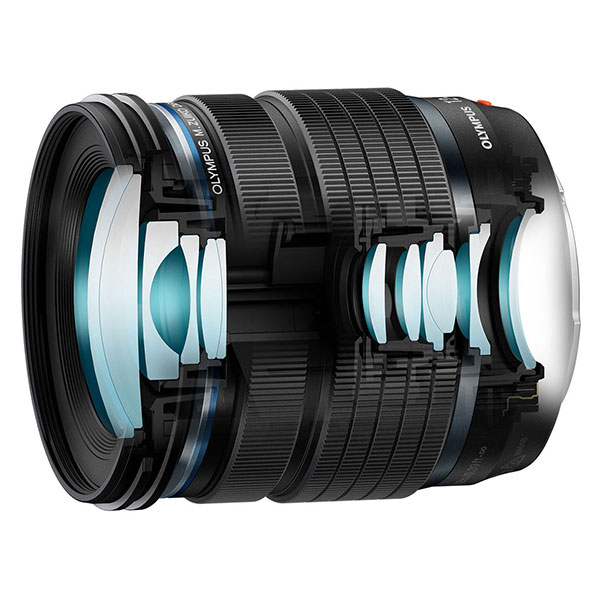
Pros: Exceptional sharpness over the entire focal range already at f/4, extremely compact and light, PRO construction, Very fast and silent focusing, also excellent for video, Zero focus breathing, excellent almost macro performance 0.5× minimum focusing distance at 4cm from the lens at 12mm, chromatic aberrations and distortion well controlled (especially with software corrections), Optical quality more uniform than 12–40 f/2.8, robust lens hood with no internal tuners. Better colors than the 12-40 f2.8. It is an "original mirrorless" lens as a philosophy.
Cons: Aperture limited to f/4 less suitable for portrait, low light, or extreme bokeh, slight drop in sharpness at the edges to 12mm if not corrected via software, no MF clutch or customizable L-Fn function, doesn't really update the PRO range
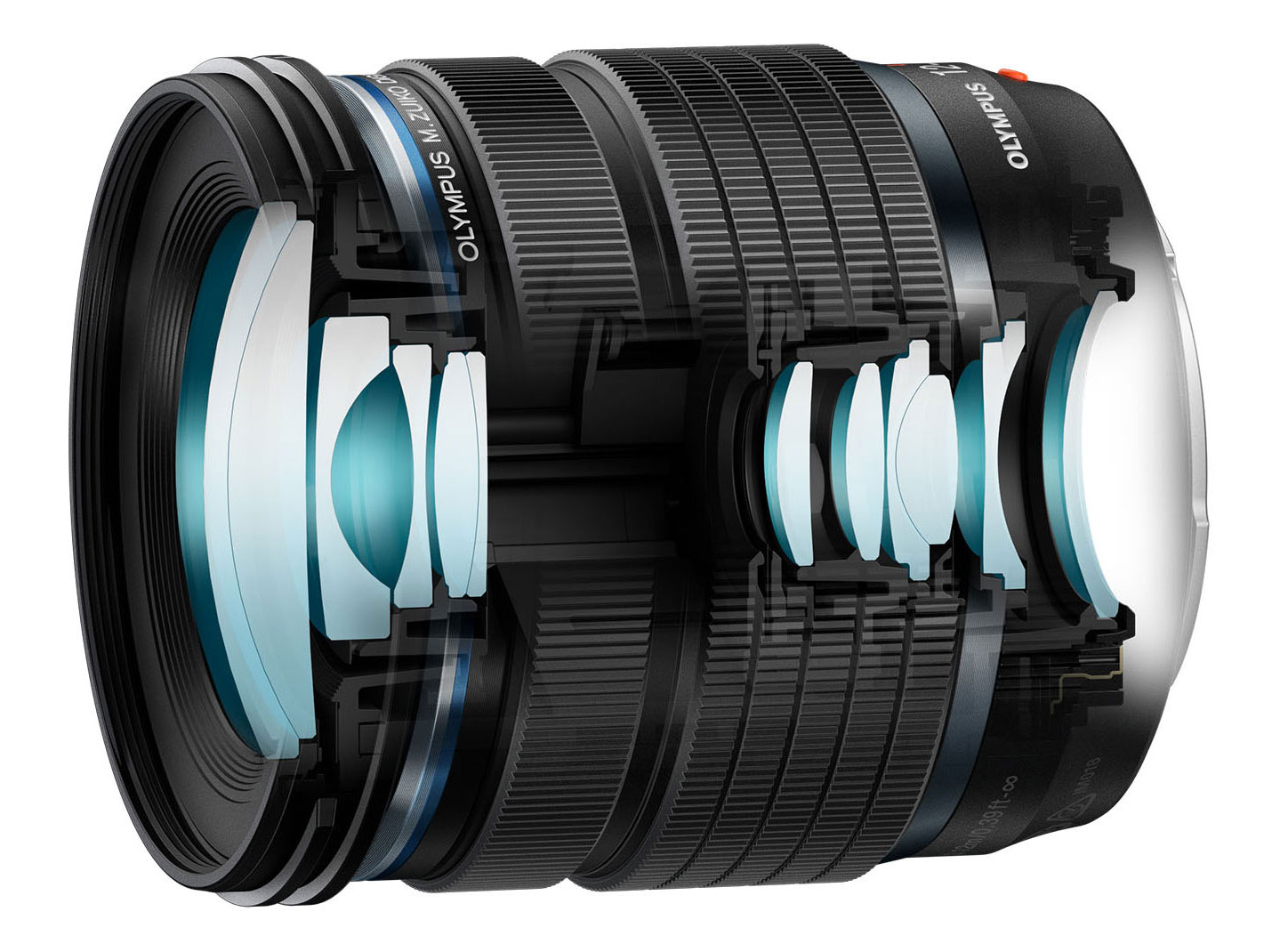
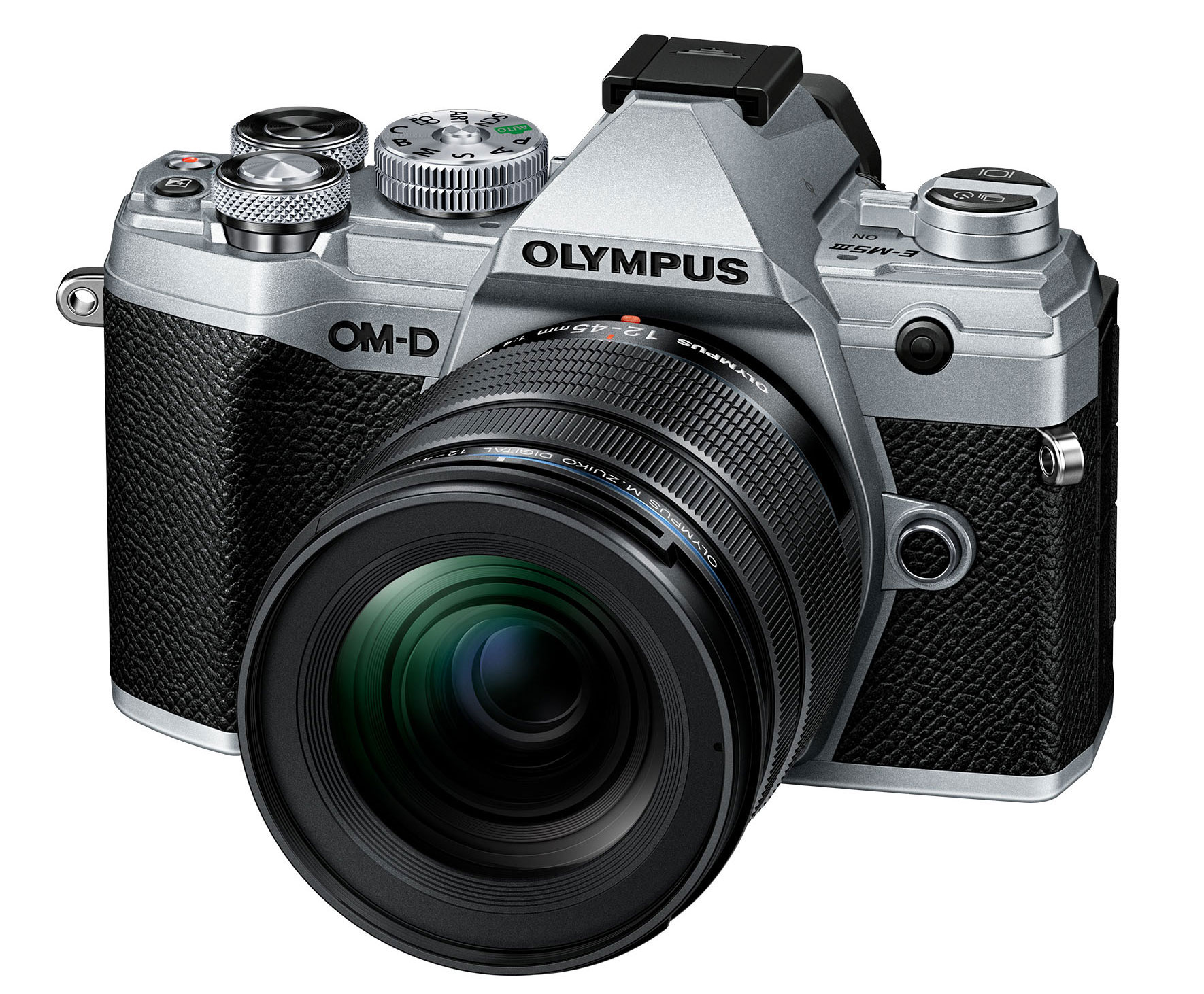
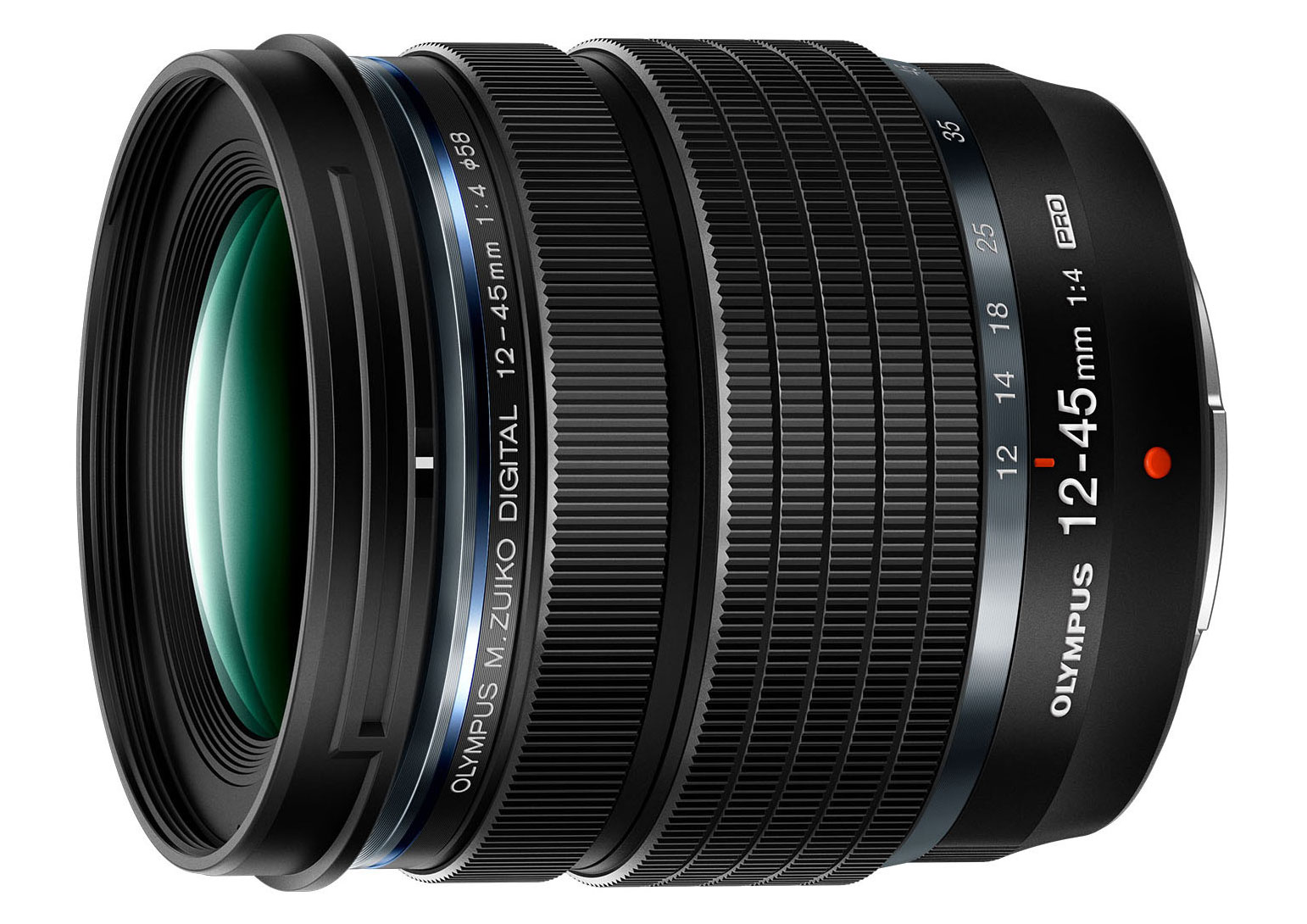
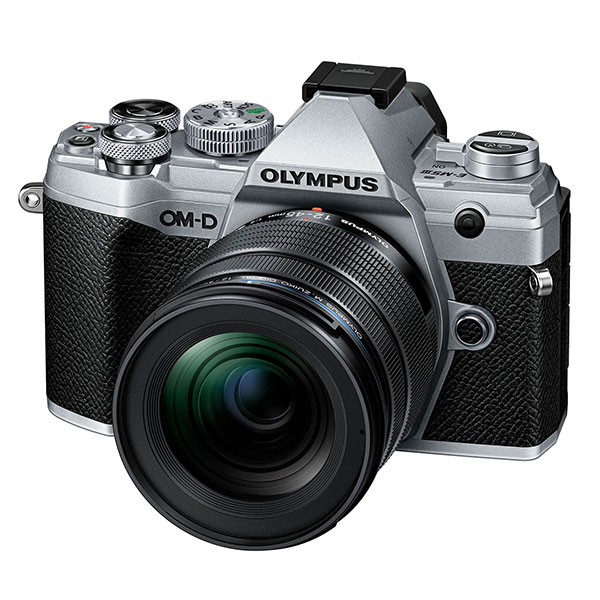
Opinion: The Olympus 12–45mm f/4 PRO is a unique lens in the Micro 4/3 catalog: not only is it the only zoom in the PRO series with a constant f/4 aperture, but it is also the most compact professional zoom ever made for the system. At 254 grams and 63 mm long, it offers a truly rare combination of portability, professional construction and ultra-high optical quality. Despite its low weight, the 12–45 f/4 maintains the level of construction of the PRO series: all-metal body, tropicalized against dust, splash and frost, smooth and well-damped dials. The focus ring is electronic, and unlike the 12–40 f/2.8 PRO it does not have the clutch for direct manual override, nor the L-Fn button on the barrel. It is a choice that highlights how this lens is designed to be discreet and efficient, rather than to satisfy the "classic" reflex ergonomics. In the hand it is perfectly balanced on any Olympus or OM System body, but it combines in a particularly synergistic way with more compact cameras such as the OM-3, OM-5, E-M5 Mark III or Pen-F, making them perfect travel kits. The most surprising fact of the 12–45mm is the overall optical performance: the lens offers high sharpness already at full aperture (f/4) throughout the focal range, with performance that often exceeds that of the brighter 12–40mm f/2.8 PRO, especially with regard to the homogeneity between the center and the edges. The behavior at 12mm shows a very slight drop at the extremes in the absence of software correction, but already at 14–16mm the quality becomes practically uniform. The center is always excellent, and the peak sharpness is already reached at f/4, without the need to close the aperture. This makes the lens extremely usable even in low light conditions, as long as you compensate for the lower brightness with ISO or stabilization. The correction of chromatic aberrations is very good, even without software intervention. Geometric distortion is mainly present at 12mm, but is automatically corrected in JPEGs and RAW via embedded profiles. The vignetting is slight and is already reduced to f/5.6. The "focus breathing" effect is practically absent, which makes it ideal for videographers as well. One of the most underrated yet powerful aspects of this lens is how it renders at close range. With a minimum focusing distance of 12 cm at the shortest focal length (and about 23 cm at 45mm), the equivalent magnification ratio reaches 0.5×, a true semi-macro performance. The images are engraved, detailed, with very little distortion and no loss of sharpness at the edges, making it perfect for food, objects, architectural details and "light" naturalistics. The 12–45mm f/4 PRO is a much more interesting lens than its f/4 aperture would suggest. In a system like the Micro 4/3, where the depth of field is already naturally more extensive, giving up f/2.8 is less penalizing than it would be on full frame. In return, you get an extremely portable lens that is optically more consistent than the 12–40 f/2.8, with advanced macro performance, and image quality that holds its own against fixed lenses. It's not the lens for those who want maximum blur or handheld shooting in extreme light, but it's the perfect lens for reportage, travel and mindful photography, where lightness and consistent quality really make the difference. |


 The following opinions have been automatically translated with Google Translate.
![[editors pick]](shared_files/layout/ep_badge.jpg)





























 JuzaPhoto contains affiliate links from Amazon and Ebay and JuzaPhoto earn a commission in case of purchase through affiliate links.