|
| sent on 19 Luglio 2026
Pros: Ergonomics and construction, image quality, AF and customization levels, firmware support, stacked sensor and no blackout - electronic shutter, IBIS, extreme versatility
Cons: autonomy, viewfinder and display (partially), remote functions (partially), ISO hold
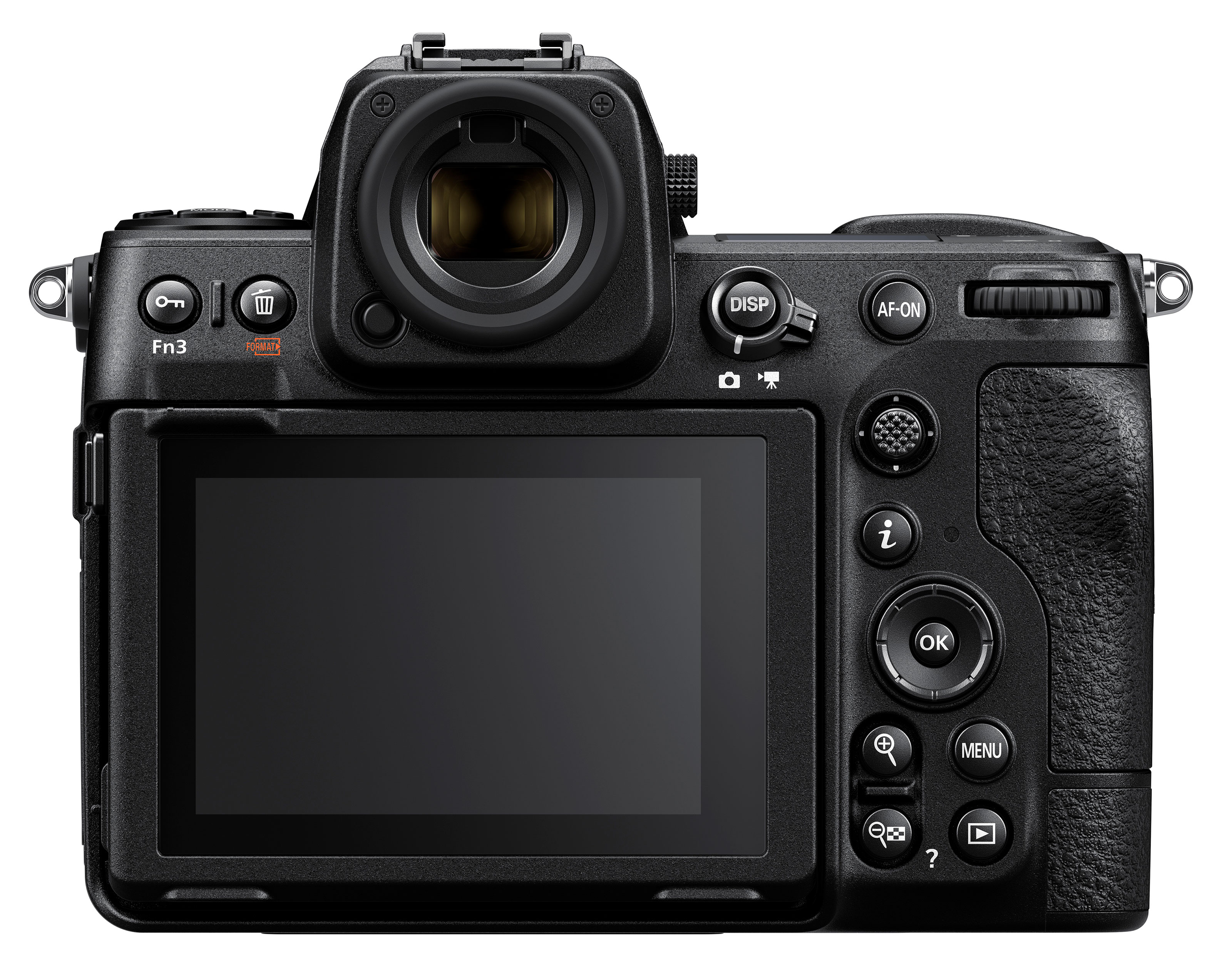
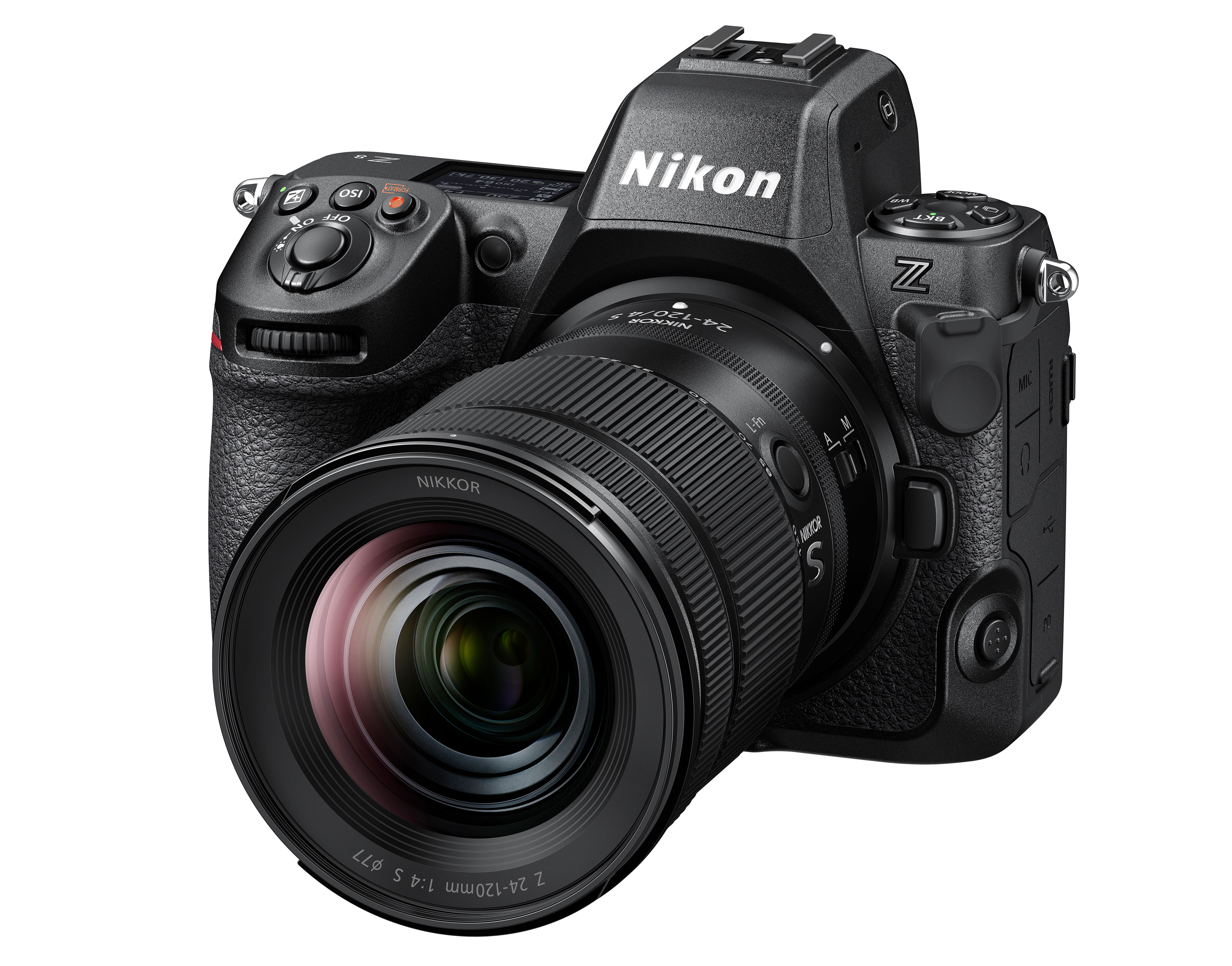
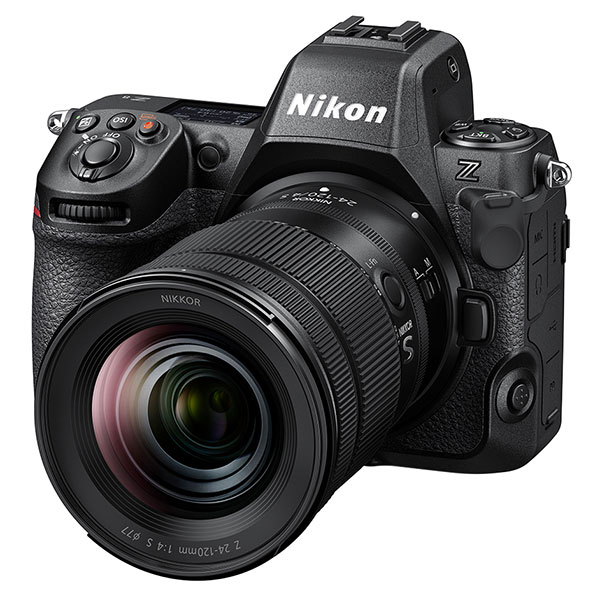
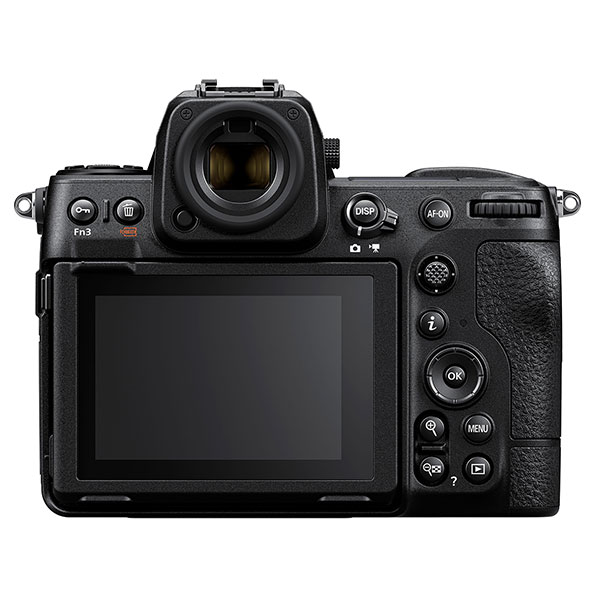
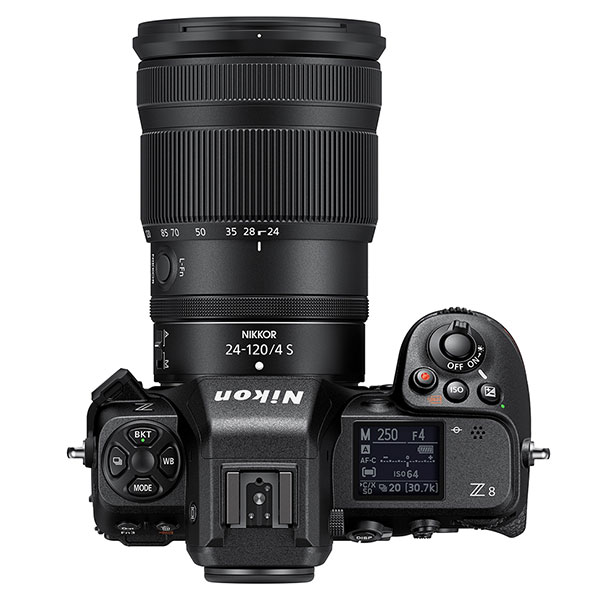
Opinion: The Nikon Z8 represents the culmination of an engineering tour de force, born from the need to recover lost ground in the mirrorless segment, pushing the Japanese company beyond commercial dynamics to define the state of the art. Having owned the entire evolution of the Z-series and explored the systems of the competition, I consider the Z8 to be one of the most versatile and successful machines on the market. The ergonomics are finally impeccable for medium and large hands, inheriting the solidity of the D850; the use of a battery grip is superfluous, while an L-shaped bracket optimizes the grip without penalizing the bulk. The logical layout of the controls and the management of the menus via memory banks (A, B, C, D) offer professional control superior to the classic presets (you just have to get used to it). Be careful though, if you are used to the portability of a Z50 or Z6/7 and you are happy with it, this Z8 will seem "big and heavy" in comparison! On the image quality front, the 45.7 MP stacked sensor guarantees excellent dynamic range and color rendition, in full D8XX tradition. The absence of mechanical vibrations, combined with an excellent IBIS, 400% zoom, maximizes results even with vintage lenses without or with a CPU (such as the 60mm Micro-D with which I often use it). Thanks to the short throw and the numerous adapters available, as well as the advanced focus assist functions for use with such lenses, you can take advantage of vintage lenses more than ever (which I invite you to try). The autofocus system assisted by excellent AI algorithms is extremely responsive in tracking subjects, although it requires a slow learning curve to exploit its full potential. Thanks to the dual data flow and the sensor's reading speed, the viewfinder is totally blackout-free and the rolling shutter is almost zero. The adoption of the electronic shutter only translates into longevity of the camera body, silence and shutter speeds of up to 1/32000s that eliminate the need for ND filters with bright lenses in bright light. They complete a physical sensor protection curtain, exceptional burst with pre-shot possibilities and a virtually infinite buffer, a DX crop mode equivalent to the D500 sensor, dual USB-C (data/power) ports, and exemplary firmware support that continues to evolve the camera over time. The backlit keys and the choice of a dual SD + CFexpress slot are also excellent. What does not fully convince me is the viewfinder, not for the resolution, but for the size of the image and the not always perfect management of brightness. Even the display shows its limits: I would have preferred a pure and less complex articulated (be careful to repeatedly touch the internal flat cables!), with automatic brightness and a more generous size. I also don't like the adoption of the 10-pin standard for the remote control WITHOUT the integration with more modern solutions such as the ML-L7, requiring either the use of computers / smartphones or the very expensive series of external pro accessories to recall the same functions. Another negative point is the autonomy: while appreciating the use of the EN-EL15C (it also works with the B, but with a further drop in autonomy), I think that probably an ad hoc battery would have been a better choice (a middle ground between the EN-EL15C and the 18D). The high ISO resistance does not excel (in low light already at 3200 the noise is evident) and, although aware of the density of the sensor, being of recent design I would have expected better results. There is no such thing as perfection, but there are so few compromises that this Z8 comes very close. It is certainly one of the best creations from Nikon and, without a doubt, one of the most versatile and high-performance mirrorless cameras ever made. |


 The
following opinions have been automatically translated with Microsoft Translate.
The
following opinions have been automatically translated with Microsoft Translate.
![[editors pick]](shared_files/layout/ep_badge.jpg)























 JuzaPhoto contains affiliate links from Amazon and Ebay and JuzaPhoto earn a commission in case of purchase through affiliate links.