|
| sent on 04 Novembre 2025
Pros: image quality, crop capability, no AA filter, ergonomics, light weight, Z optics
Cons: Autofocus not of the latest generation, limited number of physical buttons compared to previous reflexes, usability not always at maximum, tilting screen only horizontally
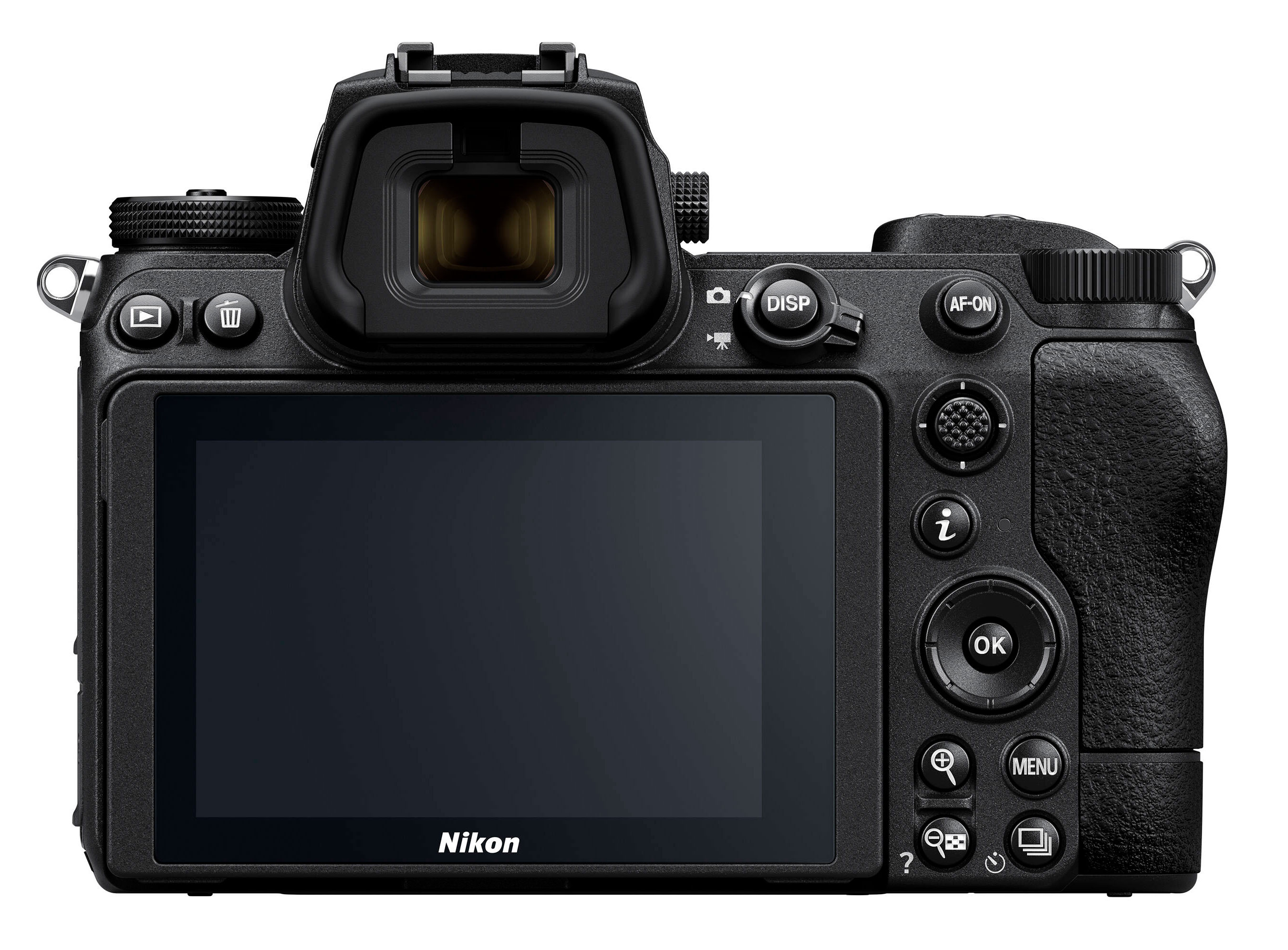
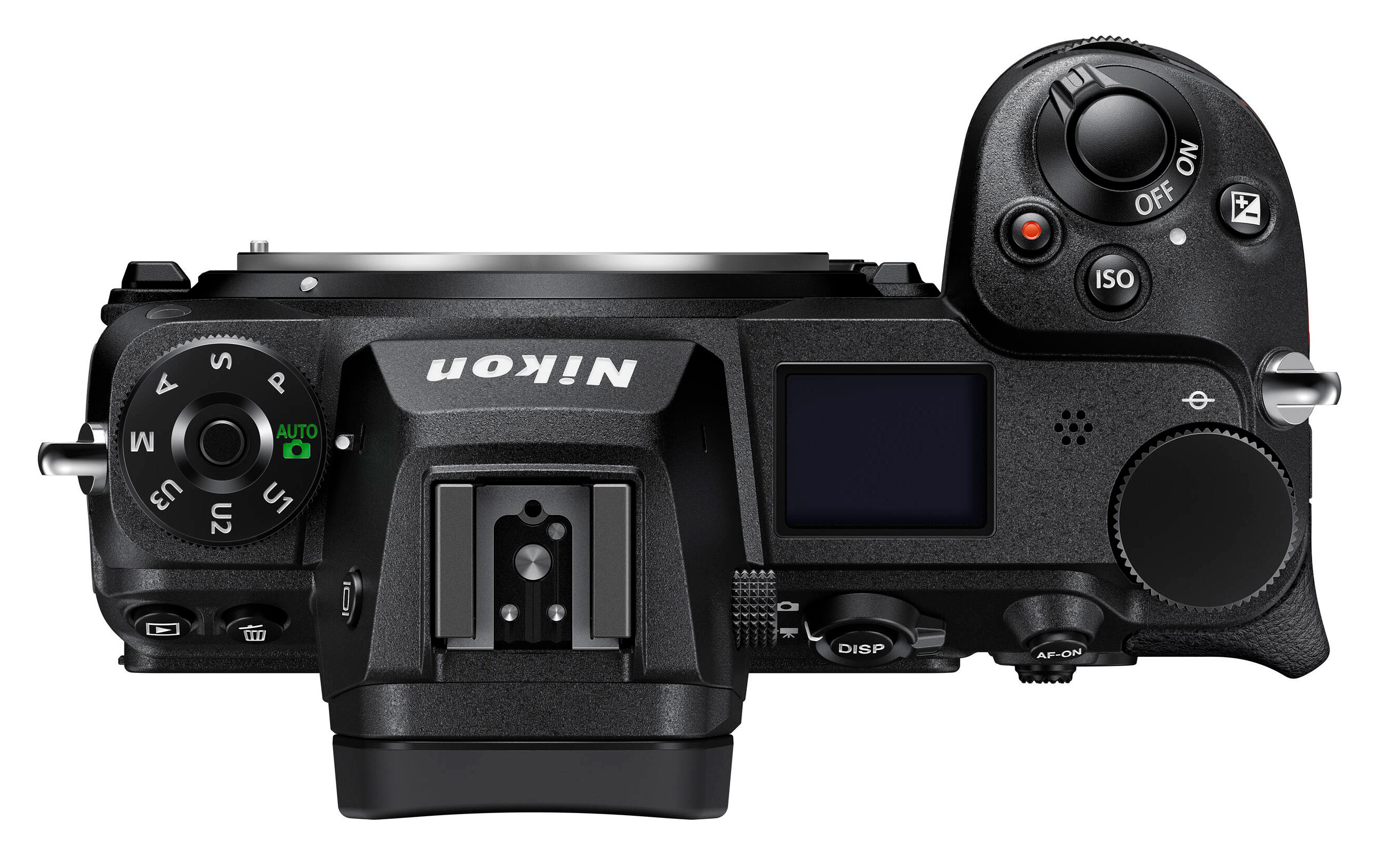
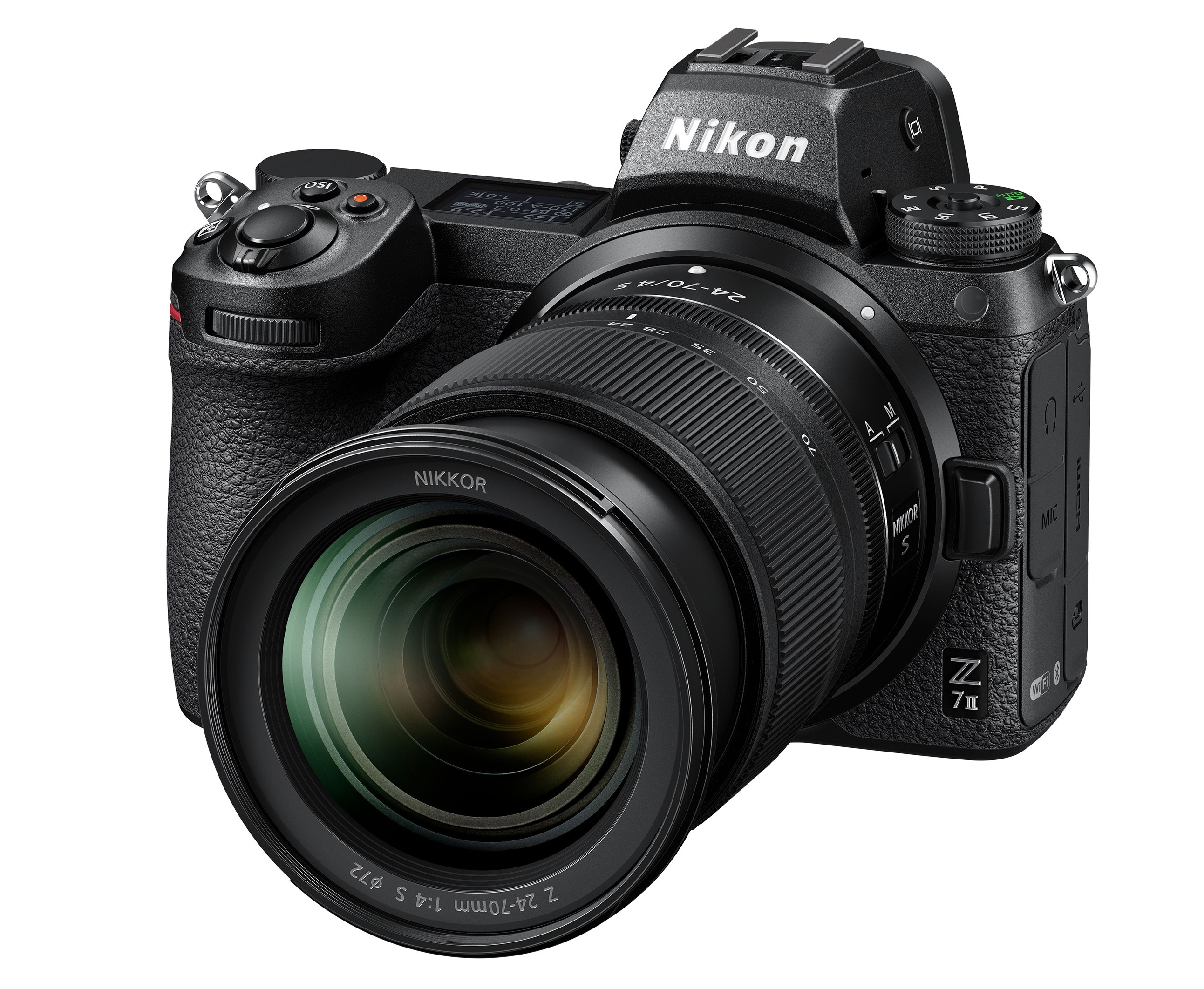
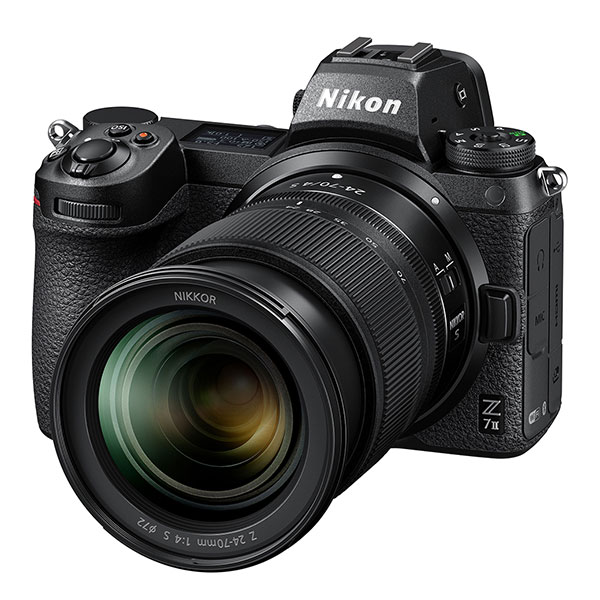
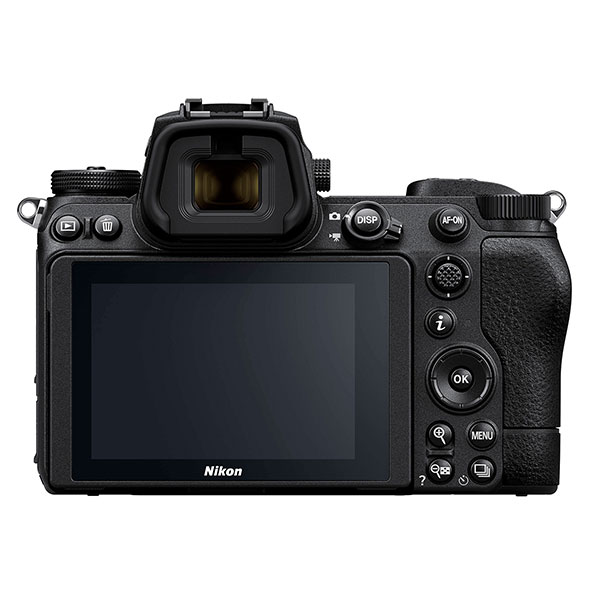
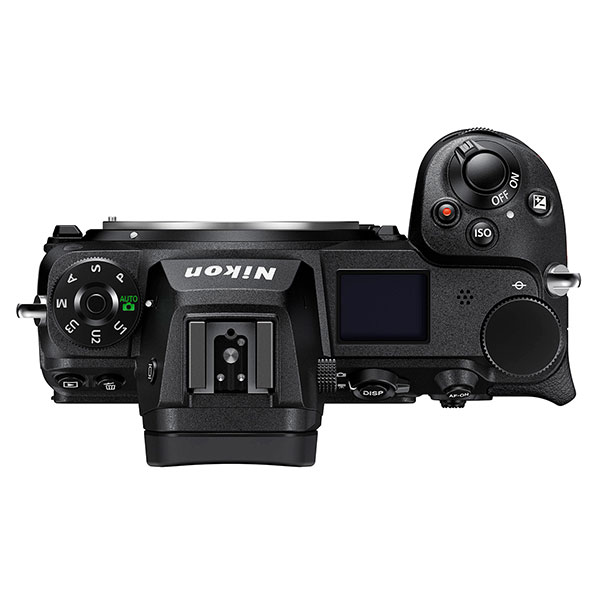
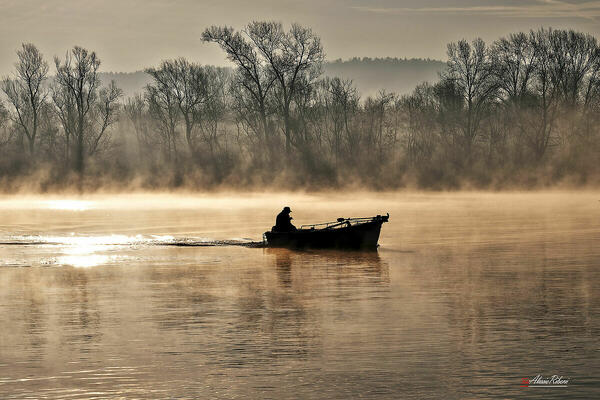
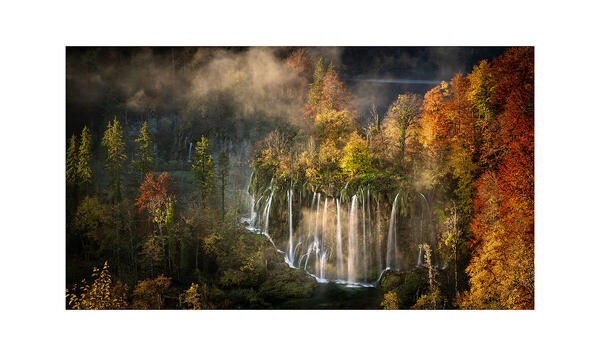
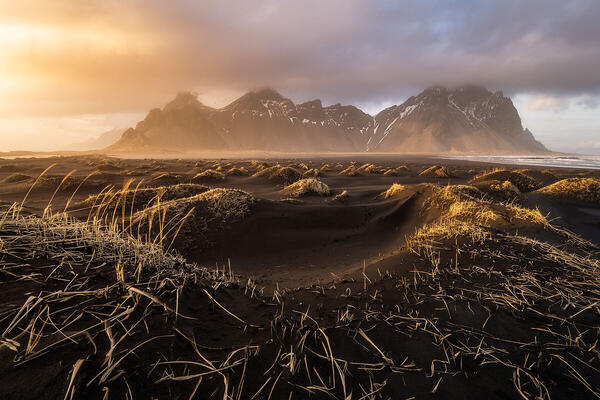
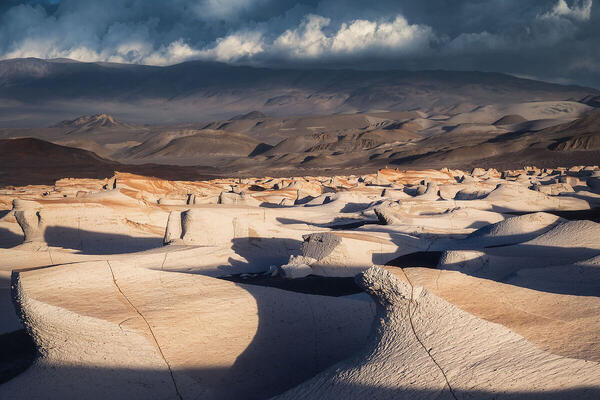
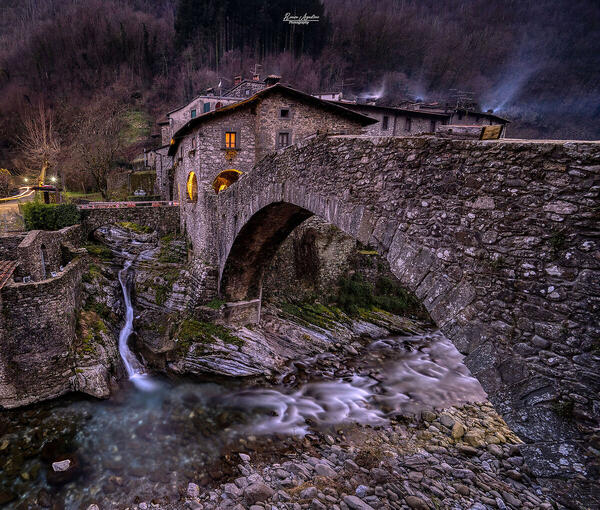
Opinion: I state that I come from a Nikon D7200 and that I mainly dedicate myself to landscape photography. The Nikon Z7II is undoubtedly a big step forward, especially thanks to its exceptional sensor and the extraordinary quality of the Z lenses. In landscape photography, this camera really comes into its own: the high-resolution sensor allows you to achieve incredible detail and excellent dynamic range. In addition, its pixel density allows it to crop down to APS-C format, while still maintaining about 20 megapixels — a significant advantage when you happen to devote yourself to wildlife or wildlife photography, even if only occasionally. The high ISO resistance is also good: the great resolution helps a lot in reducing noise in post-production, thanks to the level of detail that the camera is able to return. Moving on to the cons, there are several. The general impression is that the Z7II represents a still immature project for Nikon in the mirrorless field, then improved with subsequent models. The autofocus works well in good light conditions, but in low light it is less performing than that of the D7200. Even the typical functions of the mirrorless system, such as face recognition, are sometimes uncertain. It also lacks the advanced recognitions (animals, birds, etc.) introduced in newer Nikon models. However, I was aware of these limitations before the purchase and, considering my use, I do not consider them penalizing. I could have opted for a Z8, but I discarded it because it was too heavy and bulky for my taste. An aspect that disappointed me the most is that of usability, which in some ways I consider a step backwards compared to the D7200. Some examples: the shutter lag is deactivated every time the camera is turned off, there is no dedicated dial for shooting mode, no dedicated buttons for autofocus and bracketing (there are customizable FN buttons, but I would have liked at least one more), in User mode, the changes made (such as aperture or ISO) are not saved after the camera is turned off. All these aspects, although minor, represent a step backwards in terms of usability and practicality compared to the D7200. In conclusion, the Nikon Z7II remains an excellent camera, capable of doing practically anything, but with some operational limitations that make it more suitable for those looking for maximum image quality rather than versatility and operating speed. |


 The following opinions have been automatically translated with Google Translate.
![[editors pick]](shared_files/layout/ep_badge.jpg)














 JuzaPhoto contains affiliate links from Amazon and Ebay and JuzaPhoto earn a commission in case of purchase through affiliate links.