|
| sent on 10 Settembre 2021
Pros: Lightweight, construction with excellent material quality, bezel with fluid and constant movement, compatible with annular flashes, images at the level of Z S series optics.
Cons: Launch price, no stabilizer, autofocus not very manageable in the macro field, usual lack of an adequate container case.
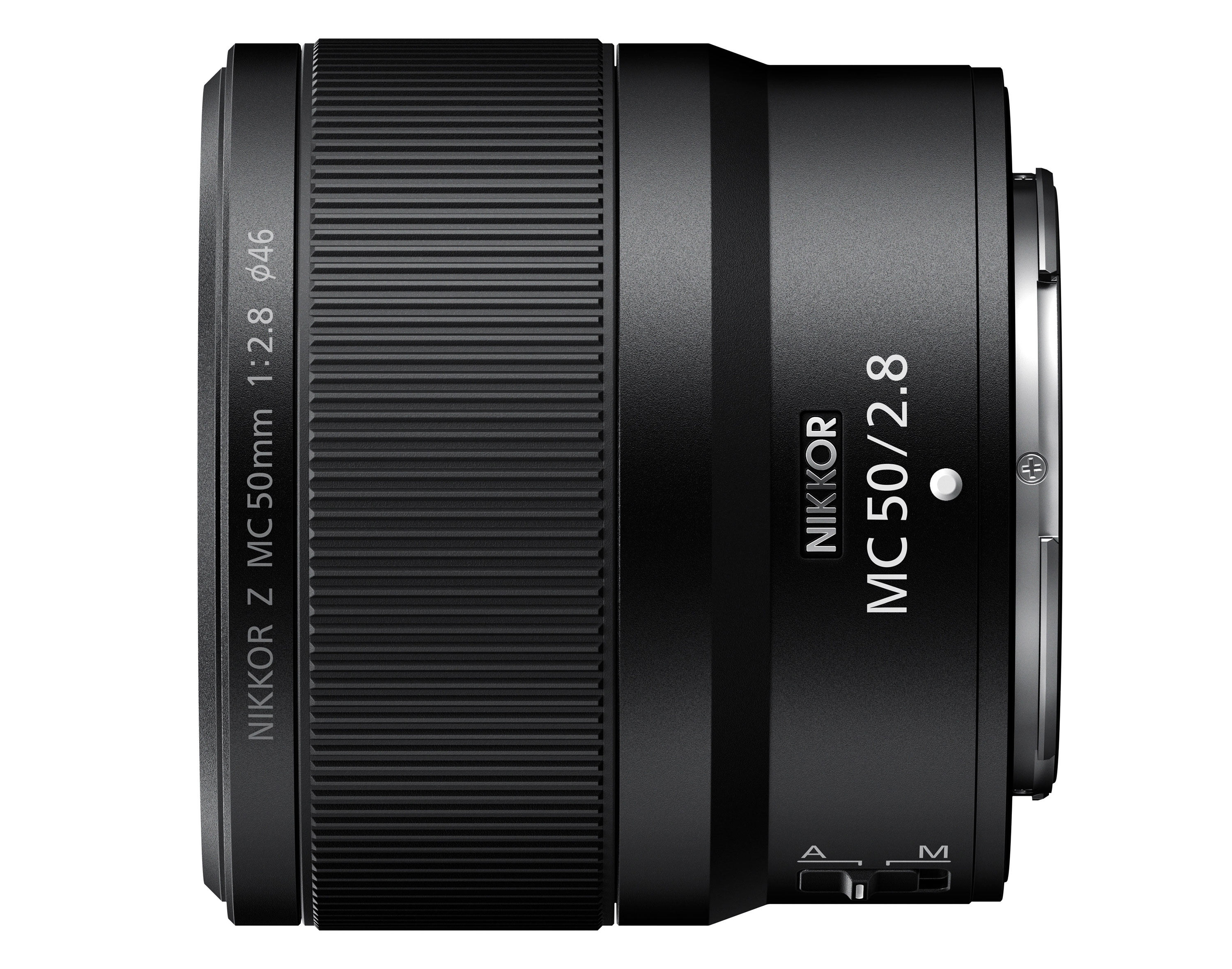
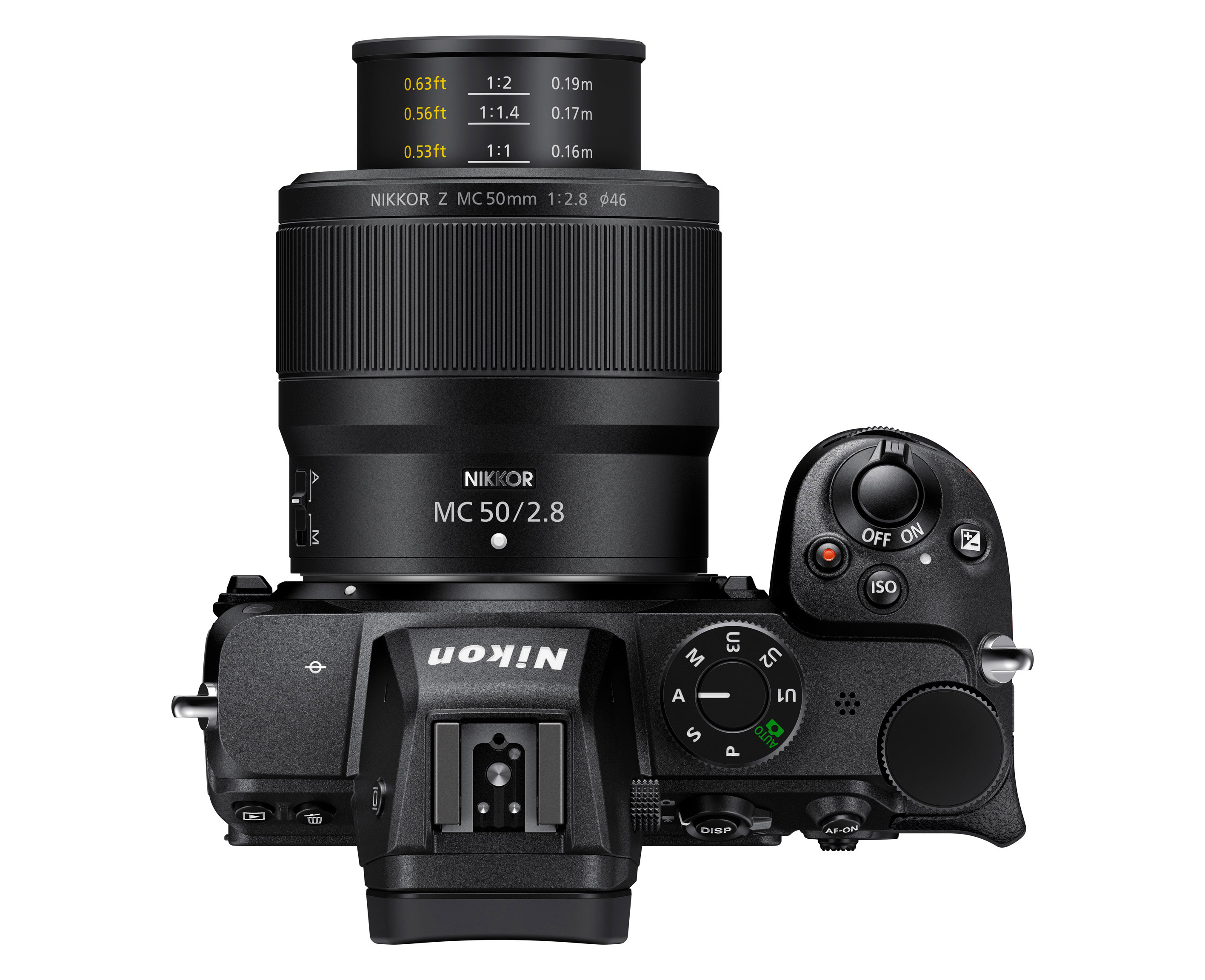
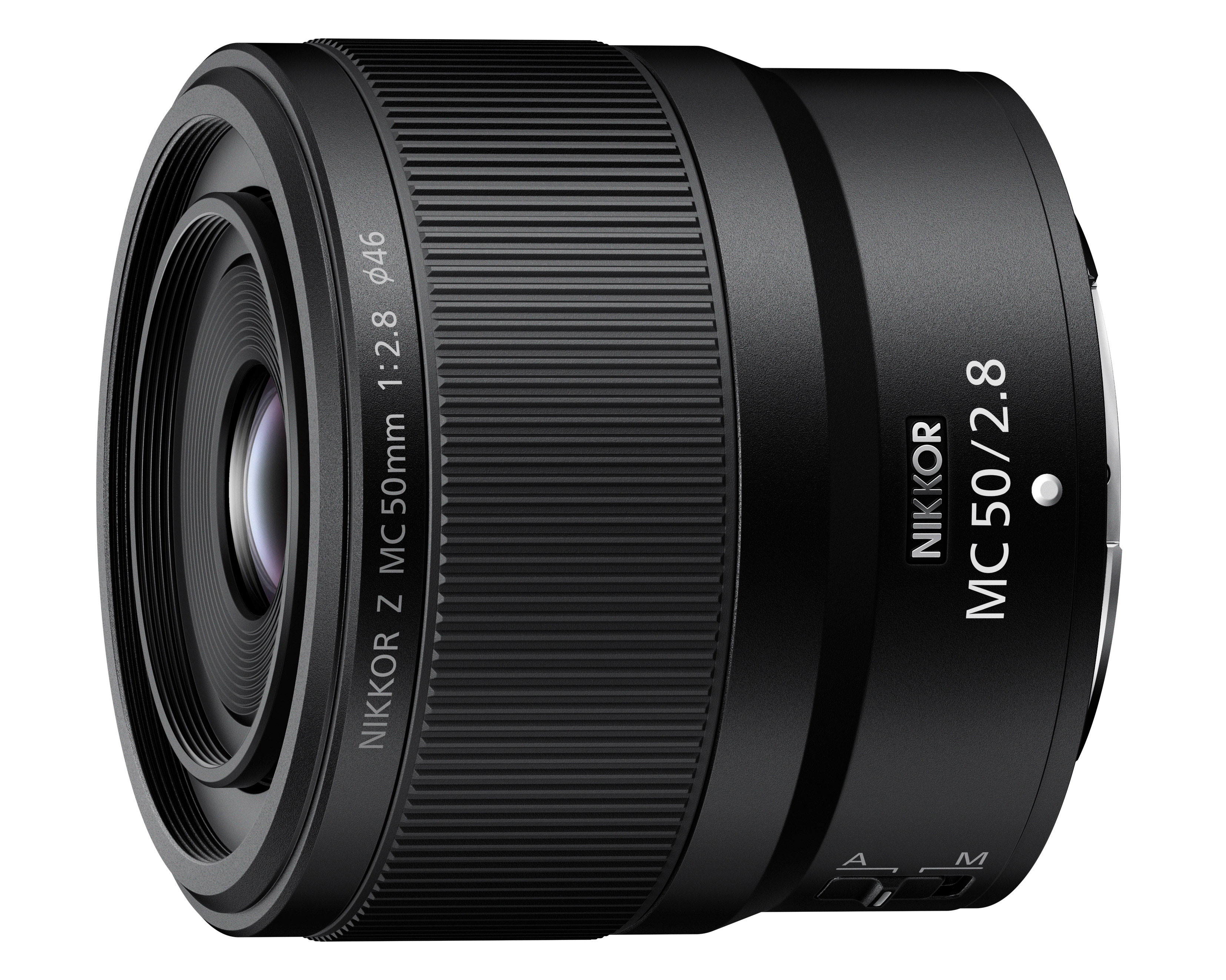
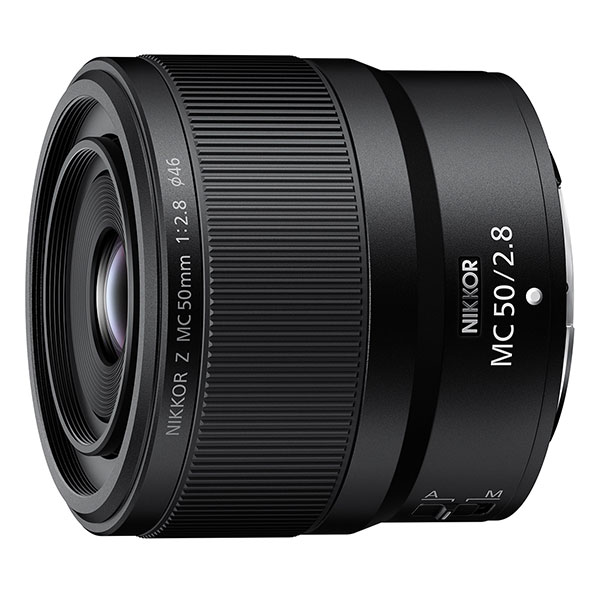
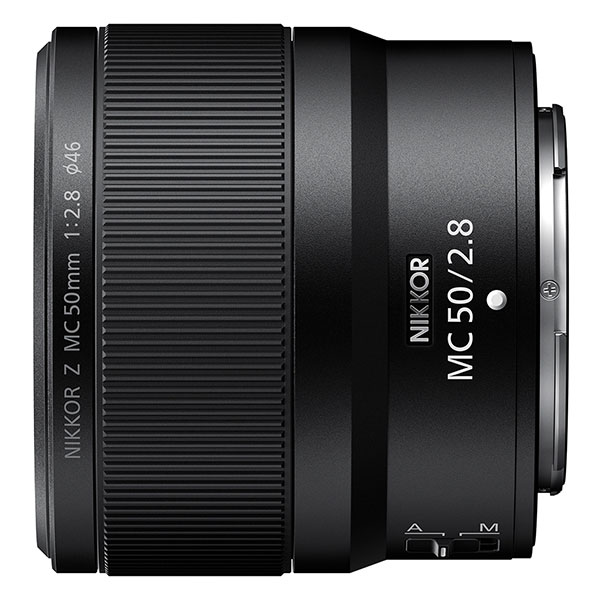
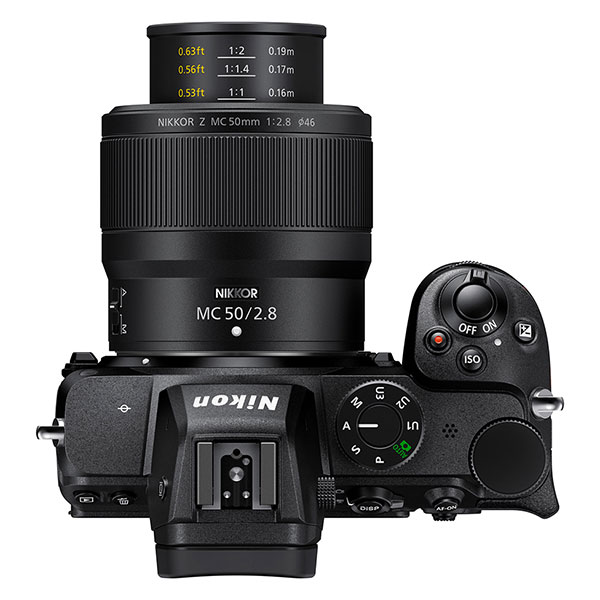
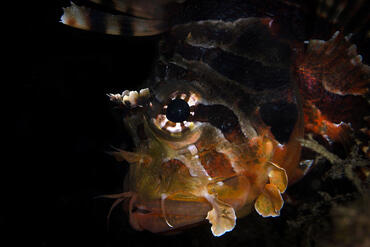
Opinion: Let's leave aside the purely technical laboratory considerations, they are on the net, and let's go on a real-life use. The lens, both mounted on the Z50 and Z6 II, offers a quality product feel, with the multifunction bezel well manageable, fluid and constant in use, compact and lightweight, well balanced on both the Z50 and Z6 II. Once the camera is turned on, the lens starts operating, automatically positioning the extendable barrel, in case of active AF, in the most appropriate way in reference to the subject to be photographed, choosing, in close-up photography, the most suitable among three levels of extension. Obviously, with manual fire, we will be the ones, moving the ring, to choose the optimal extension. We then mount the very small hood, which has the function above all of protecting the lens in case of accidental impacts, and proceed with the test of some macro shots, which is most interesting in this lens, even if the use of the same as a primary lens does not disappoint at all, apart from a certain level of clearly visible coma. Macro, we said. But I would position myself as a close-up, because the focal length of this lens, especially in the FF, is actually too short, to talk about real macros, if not on absolutely static subjects. I recommend the use of manual focus, the AF does not have the accuracy it can have, for example on a 105 mm macro, you lose time for a proper setting and... you miss the crucial moment in a dynamic photo. This is on both ML aps.c and FF. But let's come to the real lack of this lens, or the stabilizer, which, incidentally, on this focal length would not be necessary, if only that, in the case of macro without a stand, this serves, and how! Result? On the Z6 II, which has the stabilizer in the camera, you can do it, while on the Z50 the lens is almost unusable freehand for macros, at least a monopeed is essential to avoid shaky photos or, worse, images with micro-shake. I finish on a positive note: I easily mounted my ring finger flash on the lens, and precisely because of the short focal length, which requires me to get closer to the subject, I obtained a striking result in terms of brightness, avoiding raising the ISO sensitivity too much, a combination that I think I will use in all my future macros. I forgot the price: I always say, Nikon has an excessive launch price for its products and this lens is no exception. Made in China, plastic, even if well built, you can not charge more than similar products made in Japan (see Sigma) with metal parts, and then apply the usual timed discounts. Commercial choice? Surely, in the meantime, competitors fly far and churn out increasingly performing and innovative products. |


 The following opinions have been automatically translated with Google Translate.













































 JuzaPhoto contains affiliate links from Amazon and Ebay and JuzaPhoto earn a commission in case of purchase through affiliate links.