|
| sent on 06 Febbraio 2018
Pros: Bo-keh River
Cons: focus.
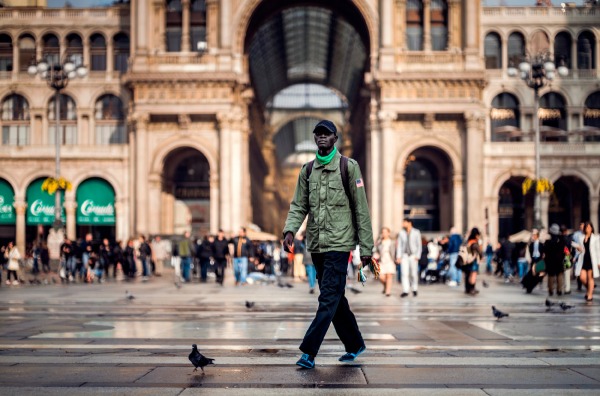
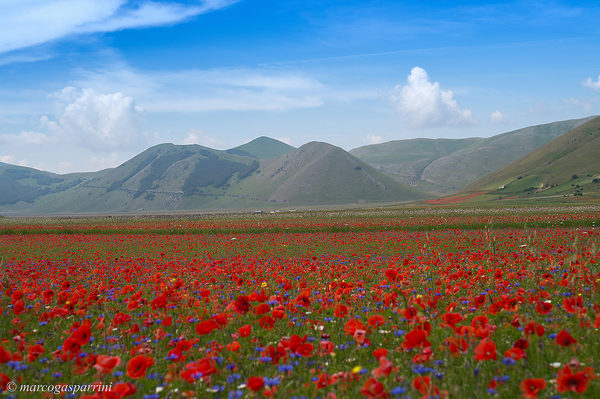
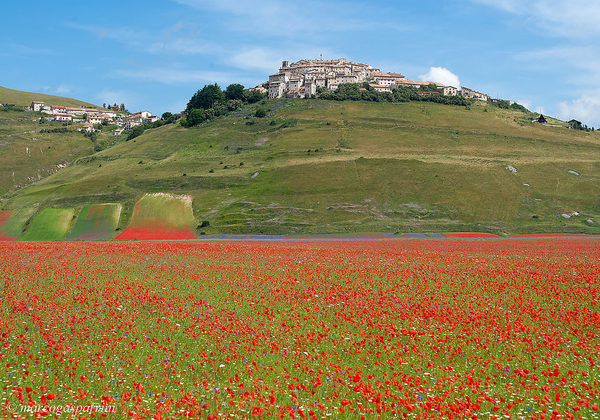
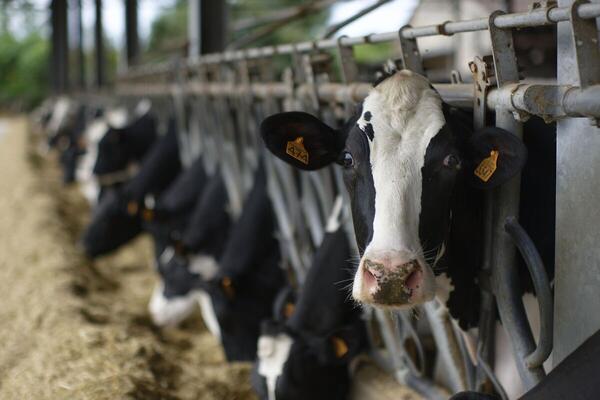
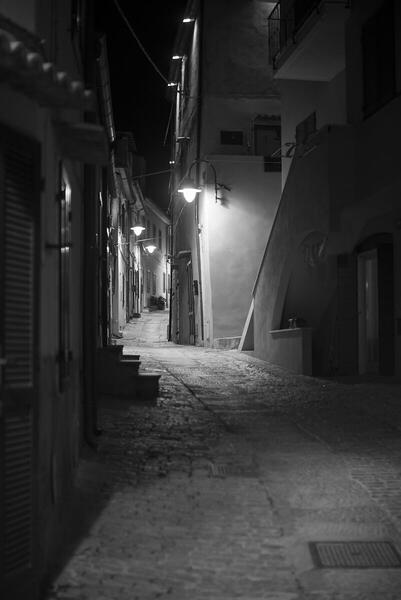
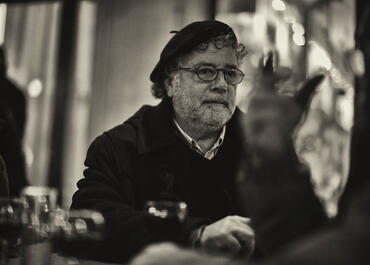
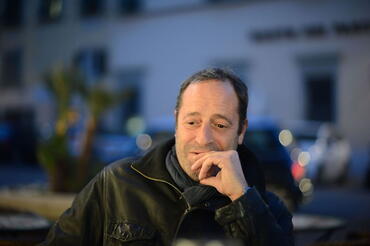
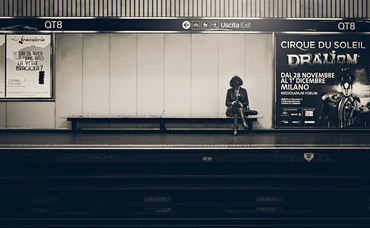
Opinion: It is a celebrated goal, most often for its rendering on the lights in night and astronomical shooting. In my opinion, this is very reductive. In fact, the Noct Nikkor 58 f 1.2 is an optics that gives its best on the portrait, with a very soft blurry that detaches and enhances the subject, but is not at all easy to use. Here is my experience of its use: for decades my way of photographing has been 'all in focus', that is: maximum depth of field. Then, about twenty years ago I found a Tamron 300 f2.8 and then I began to discover the value of the blurred (the bo-keh). Next, I changed the genre of photography: more sporty, more movement; I changed some lenses, 300 included, and no more bo-keh since. A few years ago I found at a reasonable price a Noct - widely used - that a cineoperator friend could not use because the focus was too critical. It was a real fortune. So I started using the Noct to photograph my grandchildren, who as sports subjects are very difficult, and I re-discovered bo-keh in its most extreme form. Extreme because shooting a dynamic subject working with the minimum depth of field is a crazy job, doing it with a manual lens f1.2 then, is practically a desperate undertaking. In fact, the number of images wasted is huge, at least 98% of the shots, but... that 2% that succeeds, pays off for everything. Let's be right: with the Noct, getting a full-opening shot that's fine and isn't laid in the studio, is more a matter of luck than skill. The focus in the viewfinder of a DSLR is always very approximate, because the blurry minimum is not perceptible unless working on the stand and with the live-view. In the hope of getting something more precise I also mounted on the D800 a focus screen with the stigmometer, but to no avai ming. So, I trudge by shooting 'scanning': that is, bursting shot moving slightly back and forth to get at least one image with fire perfectly centered on the subject's eyes, or moving the focus ring at the same time, and some results come... Shooting at f1.2 with the Noct results in sharp but also slightly nebulous images, an effect that disappears 'closing' to f1.4, where the depth of field is still derisory but with an extraordinary bo-keh that remains very soft even closing at F4. The Noct, in common sense, would be an optics for night photos but, in my opinion, it is a wonderful portrait optics and also macro. The amazing thing is also its sharpness that is never at the expense of contrast: the closed Noct at f4 is incredibly engraved (at least... in the middle). The Noct is undoubtedly a 'special' optics, which forces its user to completely review mental and compositional patterns, where the blurry becomes the protagonist as well as the subject. I don't know what its designers had in mind, but without any doubt what they thought, their way of conceiving 'photography', then it was fully understandable by very few EVALUATION: 10+ (for bo-keh) |


 The following opinions have been automatically translated with Google Translate.







































 JuzaPhoto contains affiliate links from Amazon and Ebay and JuzaPhoto earn a commission in case of purchase through affiliate links.