|
| sent on 18 Gennaio 2023
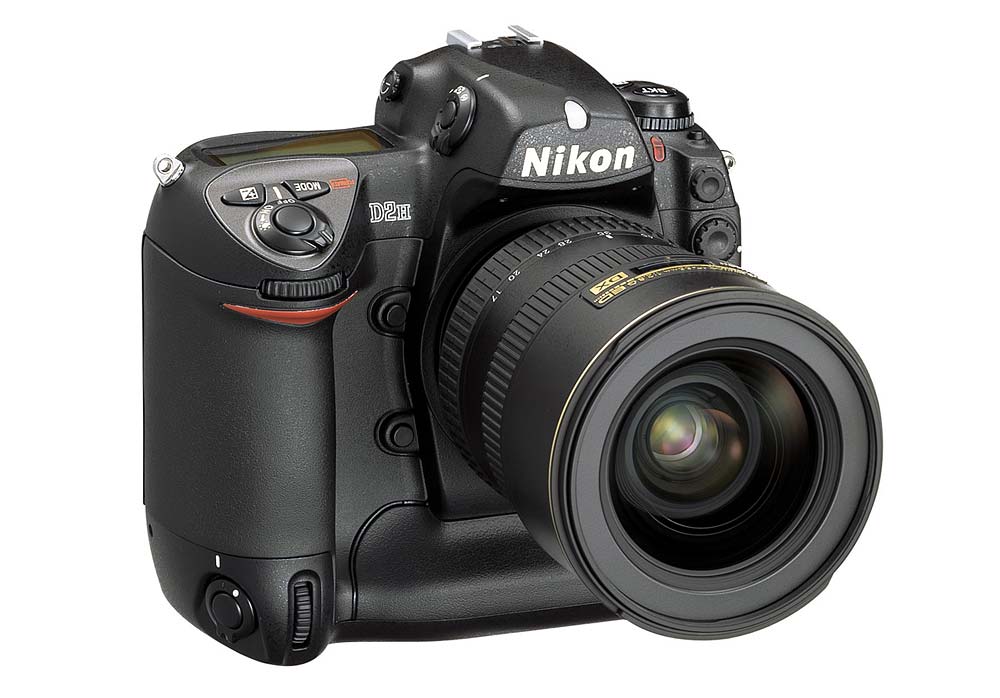
Pros: Ergonomics, stability, viewfinder, burst. It is part of the Nikon series that had as its progenitor the F5 film and that ends with the D6
Cons: Weight and size, as for the entire line of the aforementioned flagships, make it "challenging" for amateur use
Opinion: This year this SLR turns 20 and, despite the value of time and product, I am going (unfairly) to an attempt to evaluate with today's parameters, for those who want to buy it, not for passion of vintage or yet another camera to add to the collection, but to use it as the main body. The robustness, the quality of the mirror-shutter mechanism, the ergonomics, the viewfinder, the attention to detail, the communication with the flash, the bursts, ... They are also today (2023) at the highest levels. The camera "goes out at distance" in prolonged use. If 8 fps burst were not considered sufficient, I think perhaps it would be good to dedicate yourself to videos rather than photographs. Autofocus is difficult to evaluate objectively, however it has been surpassed in sensitivity, speed and precision by technological evolution. In good light sports the camera can still have its say, while in photographic hunting the low resolution is an Achilles' heel. It is true that, for most situations, you can have photos that have little to envy to those obtained from today's cameras, but it is also true that this would require a much greater expenditure of time, stalking, approach to the subjects, optics of adequate focal length, etc ... In ordinary photography today can also be used a much more discreet object such as the smartphone, but apart from this, the d2h does not present particular contraindications. The colors I find them very beautiful, while the conversion to b / w lays bare the little refinement of the shades, especially if you go to enlarge the image too much (no problem for prints up to 20x30). There is a lot of talk about dynamic range and in this sense this camera is placed 20 years ago, with a dynamic range much lower than that of cameras of 10-15 years ago, which instead is not so far from that of the current ones. It should be compared to a slide scan, with a good amateur scanner, but nothing more. Certainly not the one obtainable through a drum scanner, and not even remotely close to that of a projected dia. So much so that the magnificent 3D color matrix light meter, inherited directly from the F5, is not in itself a guarantee to take home the shot: conditions with excessive light waste should be avoided. In fact, being within the range covered by the sensor, the exposure is returned in a natural and faithful way. Moreover, the reference, when this camera had been developed (LBCAST sensor) was still the film, which x the courses and historical appeals, back in fashion... |


 The following opinions have been automatically translated with Google Translate.


































 JuzaPhoto contains affiliate links from Amazon and Ebay and JuzaPhoto earn a commission in case of purchase through affiliate links.