|
| sent on 11 Marzo 2022
Pros: Sharpness, refined and robust mechanics, bokeh, neutral color rendering, long excursion ring focus, dimensions and weight.
Cons: Chromatic aberrations at the most open diaphragms, flare in the backlight without hood
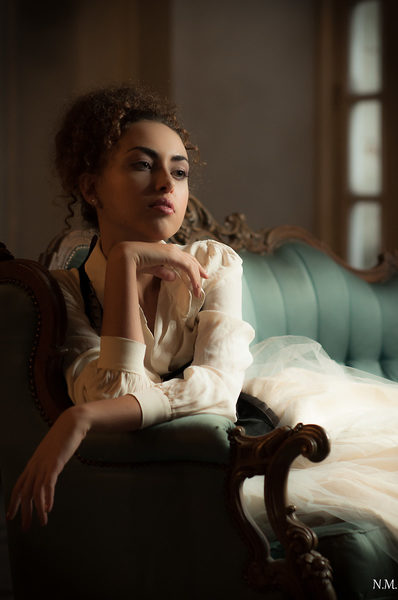
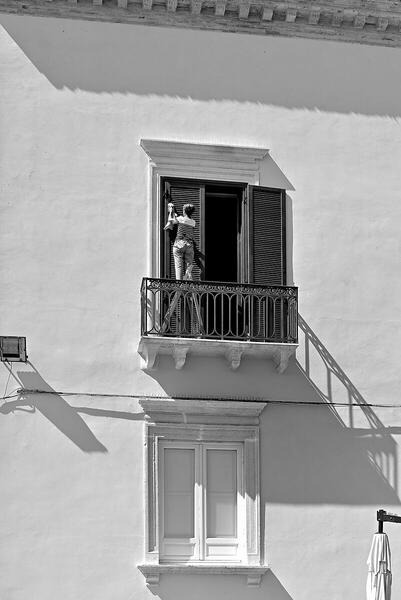
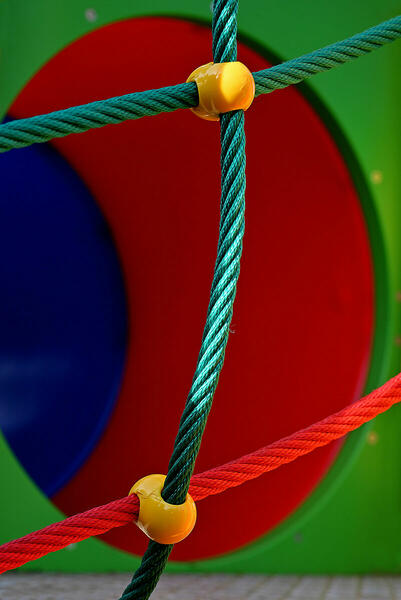
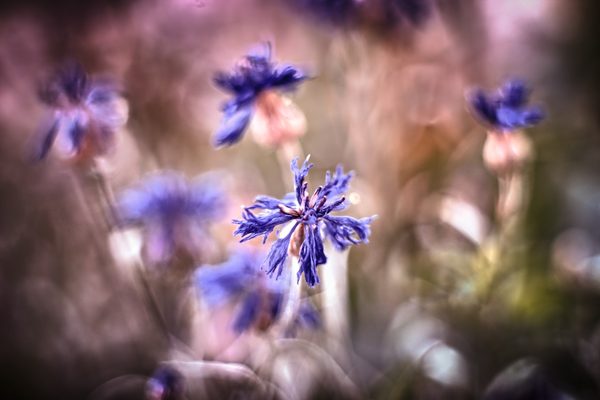
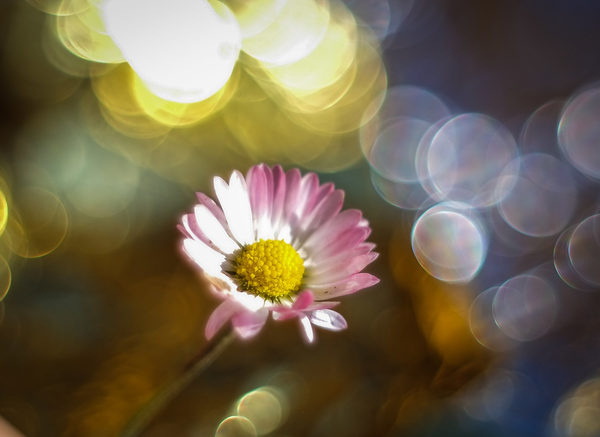
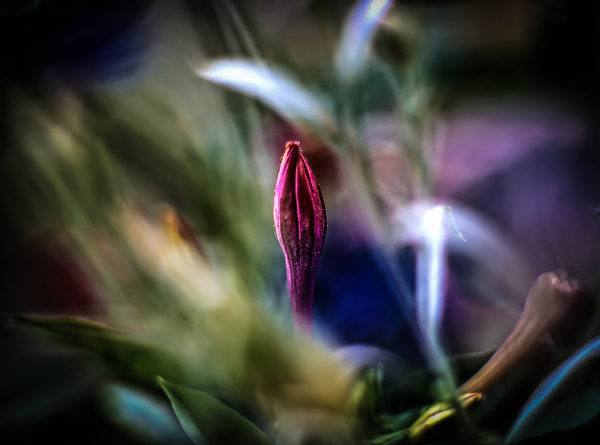
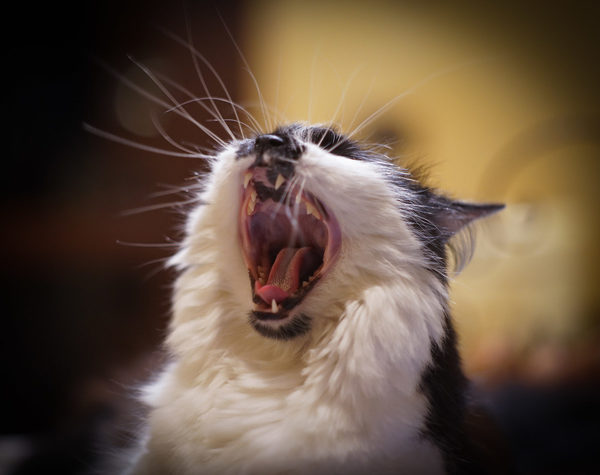
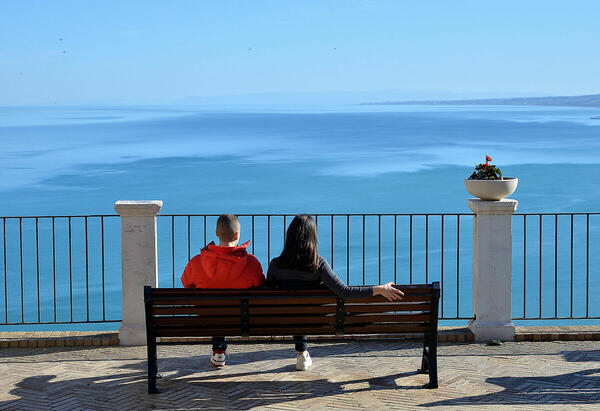
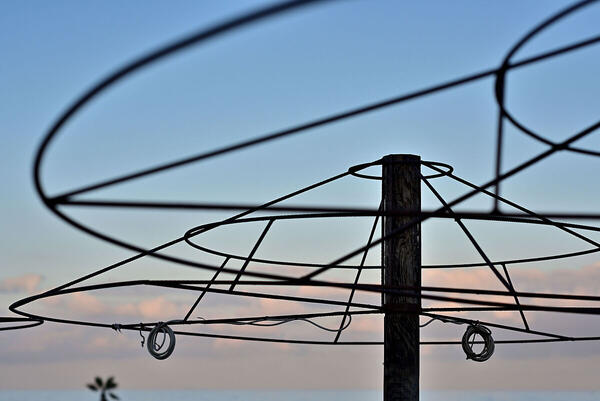
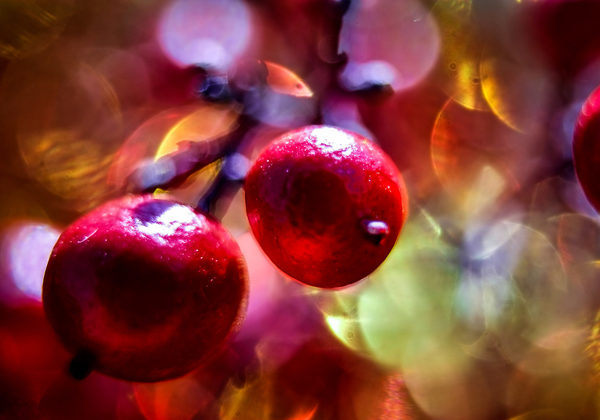
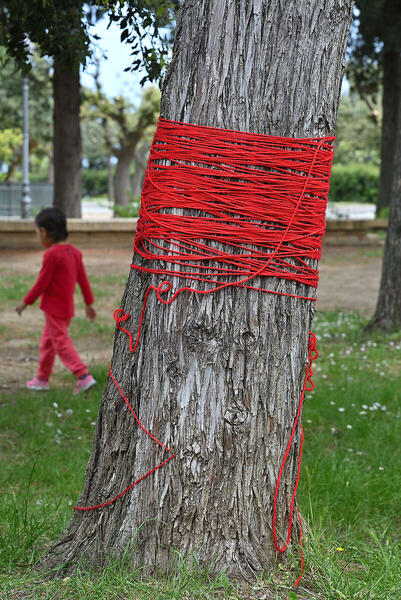
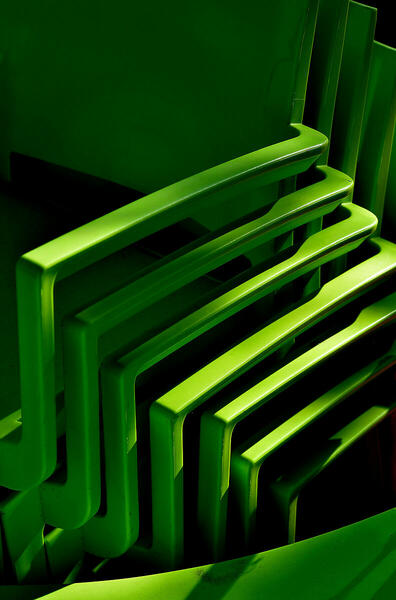
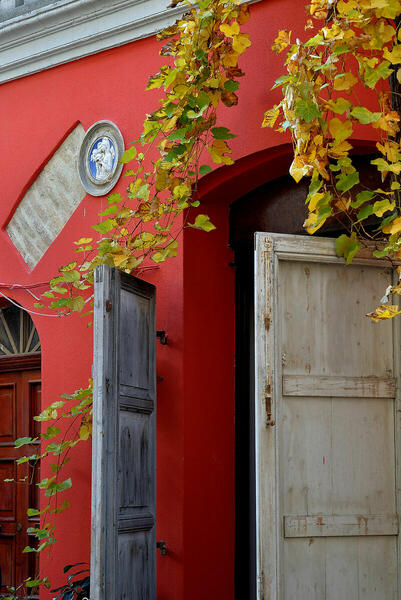
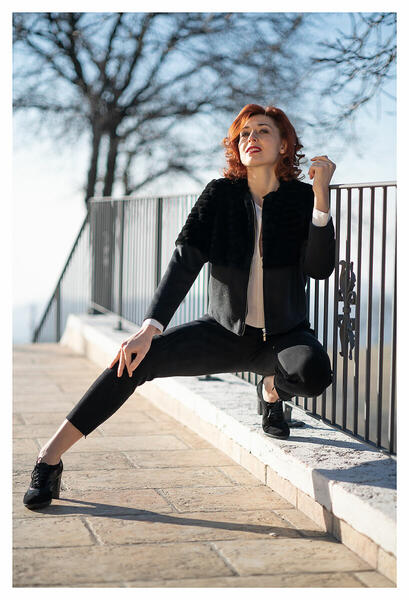
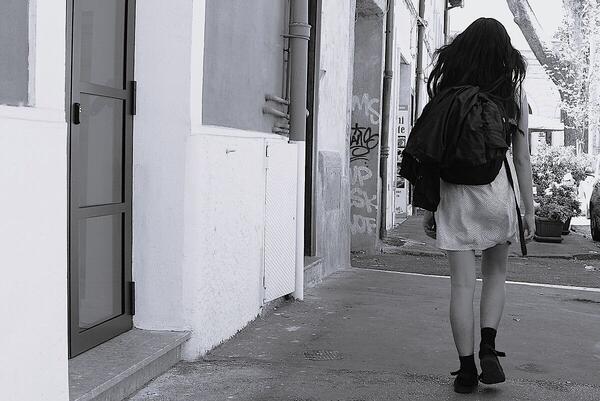
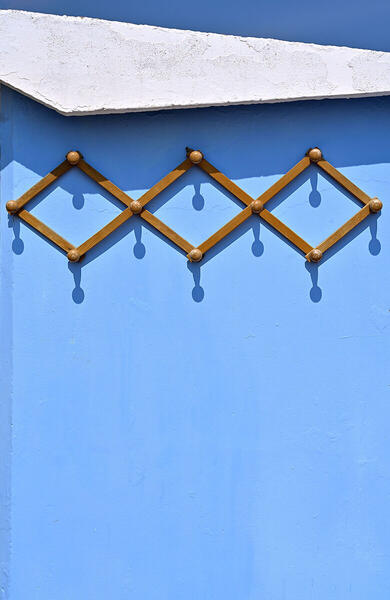
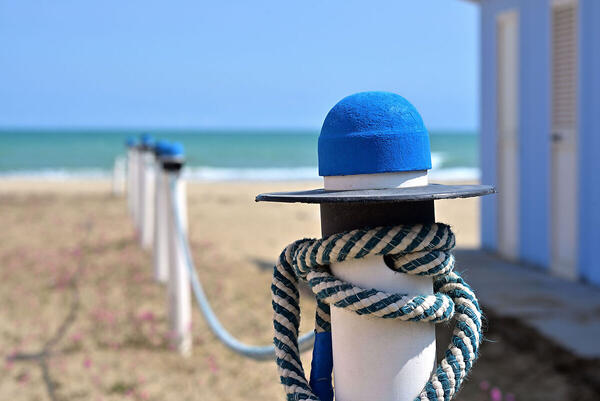
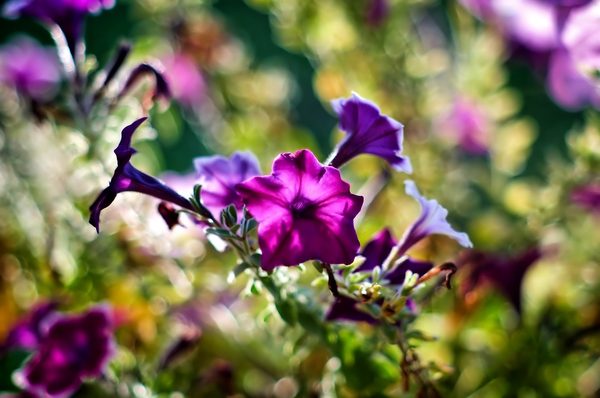
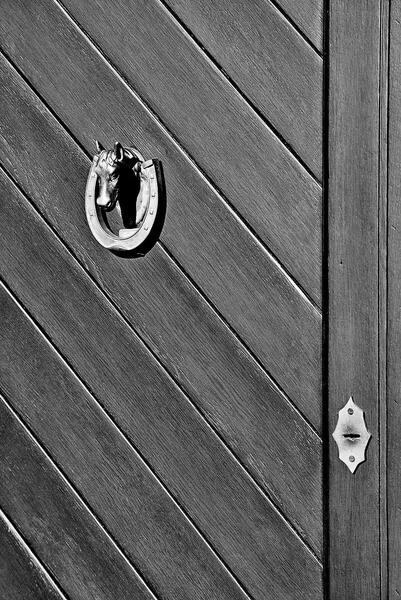
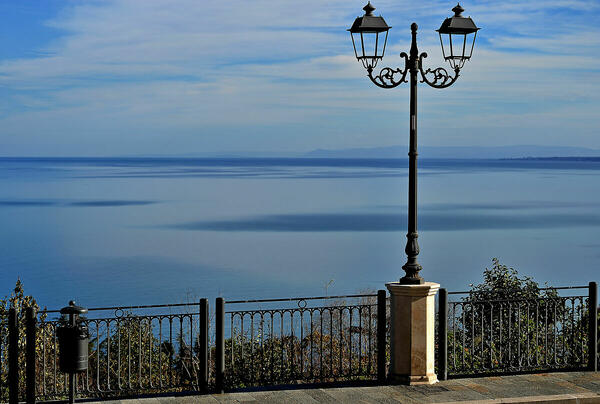
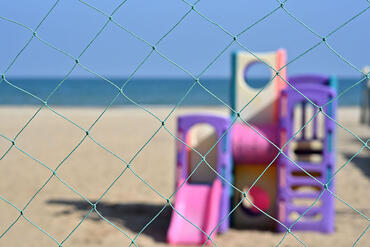
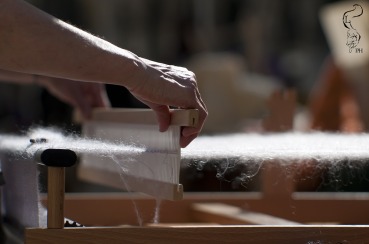
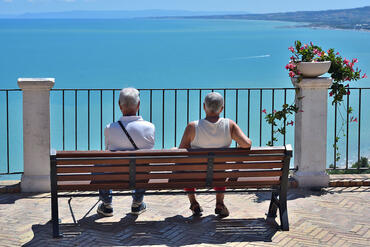
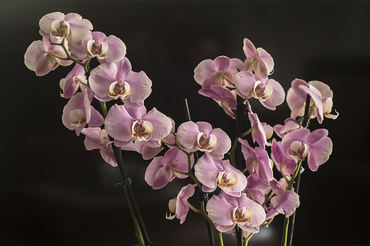
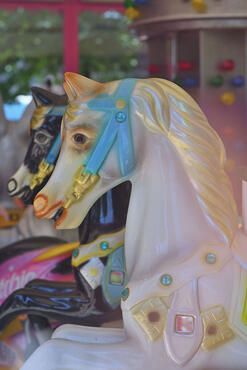
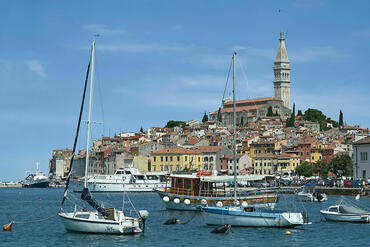
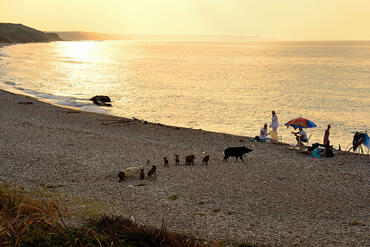
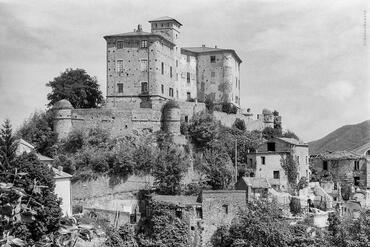
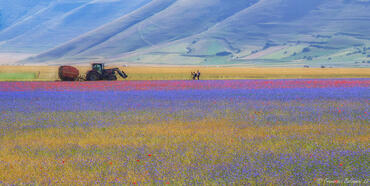
Opinion: For a few days I have this perspective that, although dated (over 40 years), still defends itself well from all the points of view that I will gradually take into consideration. It is a very robust lens even if it is very small and light. Some technical data: made in Japan construction without quality compromises, all glass and metal started with the serial number 175111 in April 1977 and ended with the serial n° 265143 in September 1981 with over 90,000 lenses produced. The optical scheme has 5 lenses, with SIC anti-reflective treatment, and a 7-blade diaphragm that can close up to f/22. The measures are, without caps: 61 X 63.5 mm and its weight is only 310 gr while with the caps and its dedicated hood SH10 reaches 355 gr. The real significant difference with its successor, which has the same optical scheme and dimensions, is the rotation amplitude of the focus ring of 255 ° against the "only" 170 ° of the AI-S. This allows an extremely selective and precise focusing also thanks to its sweetness of rotation: just think that from 85 cm (min. distance of maf) to 140 cm pass 90 ° . It should be noted that all Nikon prosumer and pro, have the assisted focus with electronic rangefinder that, after indicating the direction of rotation to follow for a correct maf, confirms with a green dot the exact one. Being a lens devoted to portraiture, to details in architecture and still life and set landscape, my attention was mainly focused on color rendering, bokeh and the detachment of the floors. I favored open apertures that allow you to isolate the subject from the background and I never went beyond f/5.6 . My impression is certainly positive: the bokeh is particularly good, the color rendering substantially neutral with a slight hint of vividness (perhaps the "glassiness" of only 5 lenses helps ...) and even if the lens is not contrasted (such as the 80-200 Ai f / 4.5 that I also possess) there is no lack of micro-contrast even in the finest details especially at f / 4 and f / 5.6. The sharpness is already good at the maximum f/2 aperture to improve significantly from f/2.8 and reach the excellent at f/4, while the perfect uniformity throughout the frame is reached only from f/5.6. I noticed from f/8 a beginning of diffraction that begins to penalize the yield. As for chromatic aberrations, they are visible (at strong magnifications) in out-of-focus at f/2 and f/2.8 (pink-magenta and green) and decrease drastically from f/4. All in all, I consider it a "balanced" lens that is still very valid today and that makes portability and made global its trump cards. Since it is said that a photograph tells more than 1000 words, I will not dwell further, but I will publish a series of photos whose title will refer to this test. The photos have NOT been modified in any way (contrast, colors and sharpness are those of the original camera settings and RAW files), while some "compositional" cropping has been done. |


 The following opinions have been automatically translated with Google Translate.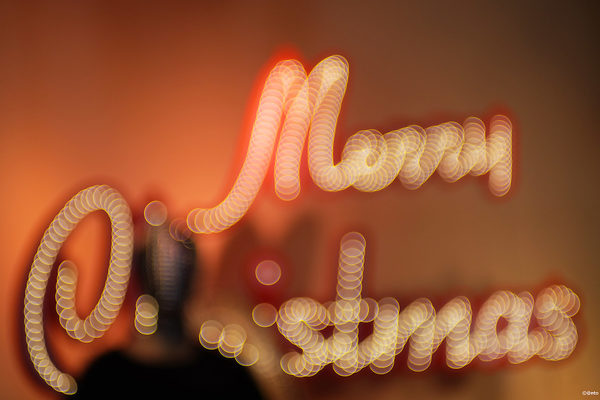

















 JuzaPhoto contains affiliate links from Amazon and Ebay and JuzaPhoto earn a commission in case of purchase through affiliate links.