|
| sent on 02 Gennaio 2024
Pros: Size, weight, maximum aperture, versatility, no distortion, soft and pleasant blur
Cons: Very soft and suffers from spherical aberration at TA, it also suffers from flare a bit on all diaphragms
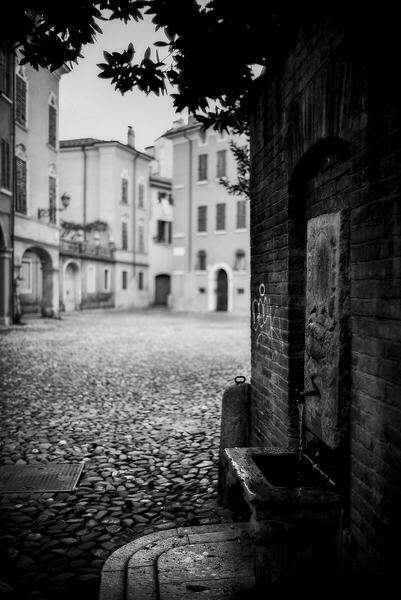
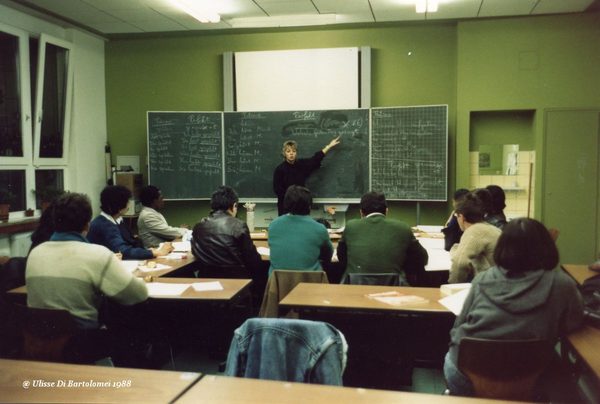
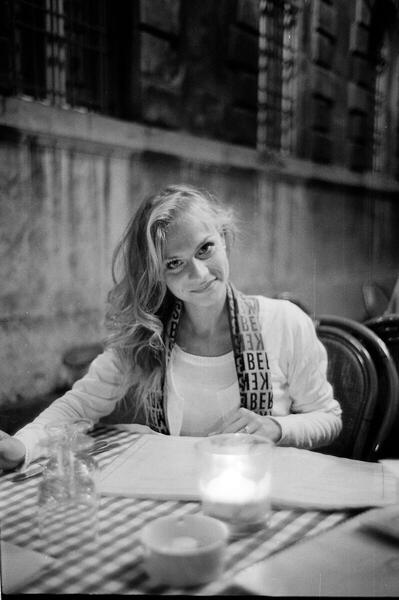
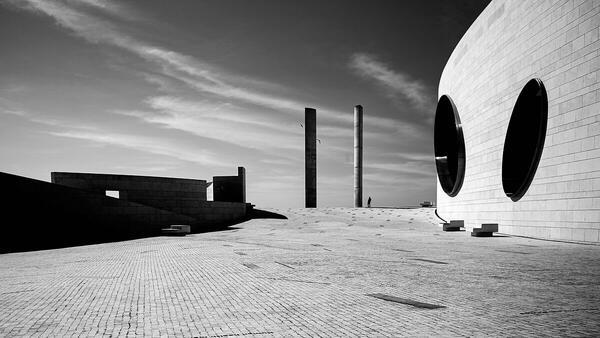
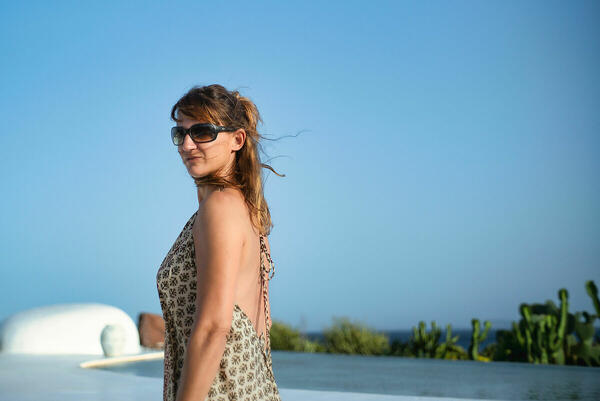
Opinion: Leica's longest-running lens, it was in production from 1960 to 1996, it went out of production only with the release of the second Summilux 35 Asph while it shared the price list with the first Summilux 35 Asph, today it is back in production again with the name of Steel Rim this makes you understand the goodness of the optics. Finally, it is interesting to note that its optical scheme with 7 lenses in 5 groups is the same as the famous and mythologized Summicron 35 mm IV series called KoB (in my personal opinion with a nonsensical current evaluation), but also of the subsequent Summicron 35 mm Asph which entered production in 1996 and is still currently in production (not to be confused with the Summicron 35 mm Apo) and this says a lot about the goodness of the optical scheme pretty much perfect. Personally I used it first on film, then sold it with the switch to digital and a Summilux 35 Asph and then recently bought it again for the M10P ... Having this little gem is a bit like having two lenses in one film and even a three in one in digital and I'll explain myself immediately. On f/2 film it already becomes a well-contrasted and performing lens, on the other hand, having given the optical scheme to its little brother Summicron IV Series it has the same performance, indeed at f/2 even better as the Lux already works at a smaller aperture while the Cron pays the TA ... in digital at f/2 and f/2.8 it has a pleasant softness ideal in female portraits, but the resolution is high and therefore in PP you can recover contrast without problems they also meet the need for an ethnic portrait, from f/4 onwards it offers a very high resolution so as to be able to make important crops without losing definition, the colors are always bright but are very natural, never violent while the rich black and white is always well contrasted, but with many shades of gray. I have deliberately omitted so far to talk about the maximum aperture because it is a story in itself as it is a very soft lens with a low contrast and therefore excellent for evening shots with situations of strong contrast with violent lights and very closed shadows (sometimes too much), its ideal field is night photography in general, theatre photography, photography in concerts (it is no coincidence that it was the preferred lens of Giuseppe Pino, a well-known jazz photographer) but also portraits, perhaps by candlelight, where the candle, thanks to the spherical aberration, takes on a particular iridescence and perhaps a white sweater that takes on a golden halo completes a practically unique rendering, here a classic example https://www.flickr.com/photos/ivandefrancesco/48415994721/in/album-72157675606119063/ |


 The following opinions have been automatically translated with Google Translate.





















 JuzaPhoto contains affiliate links from Amazon and Ebay and JuzaPhoto earn a commission in case of purchase through affiliate links.