|
| sent on 04 Luglio 2025
Pros: Portability with the grep is top. Essential viewfinder and Tati
Cons: Problematic notes of a 4/3 sensor
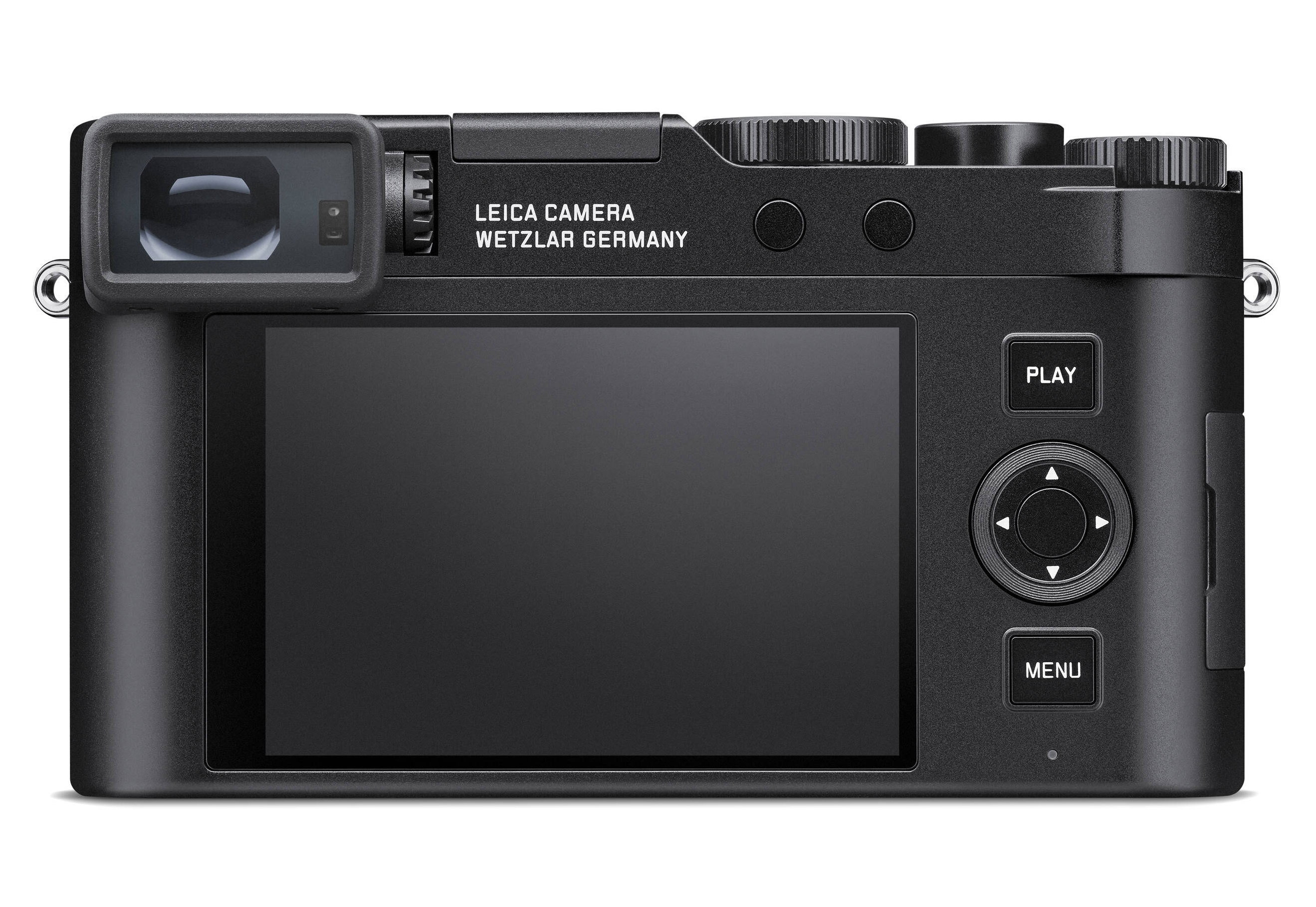
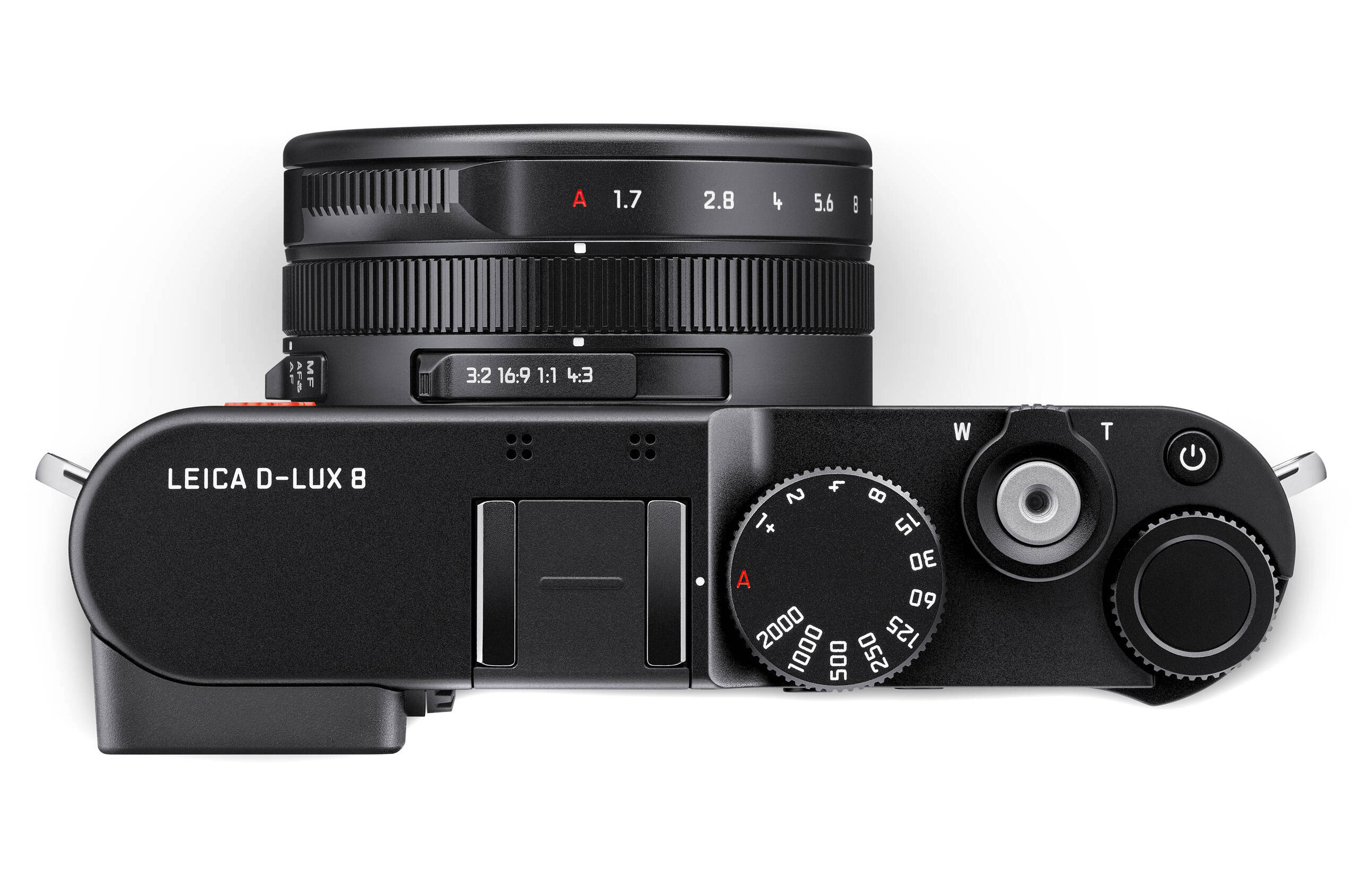
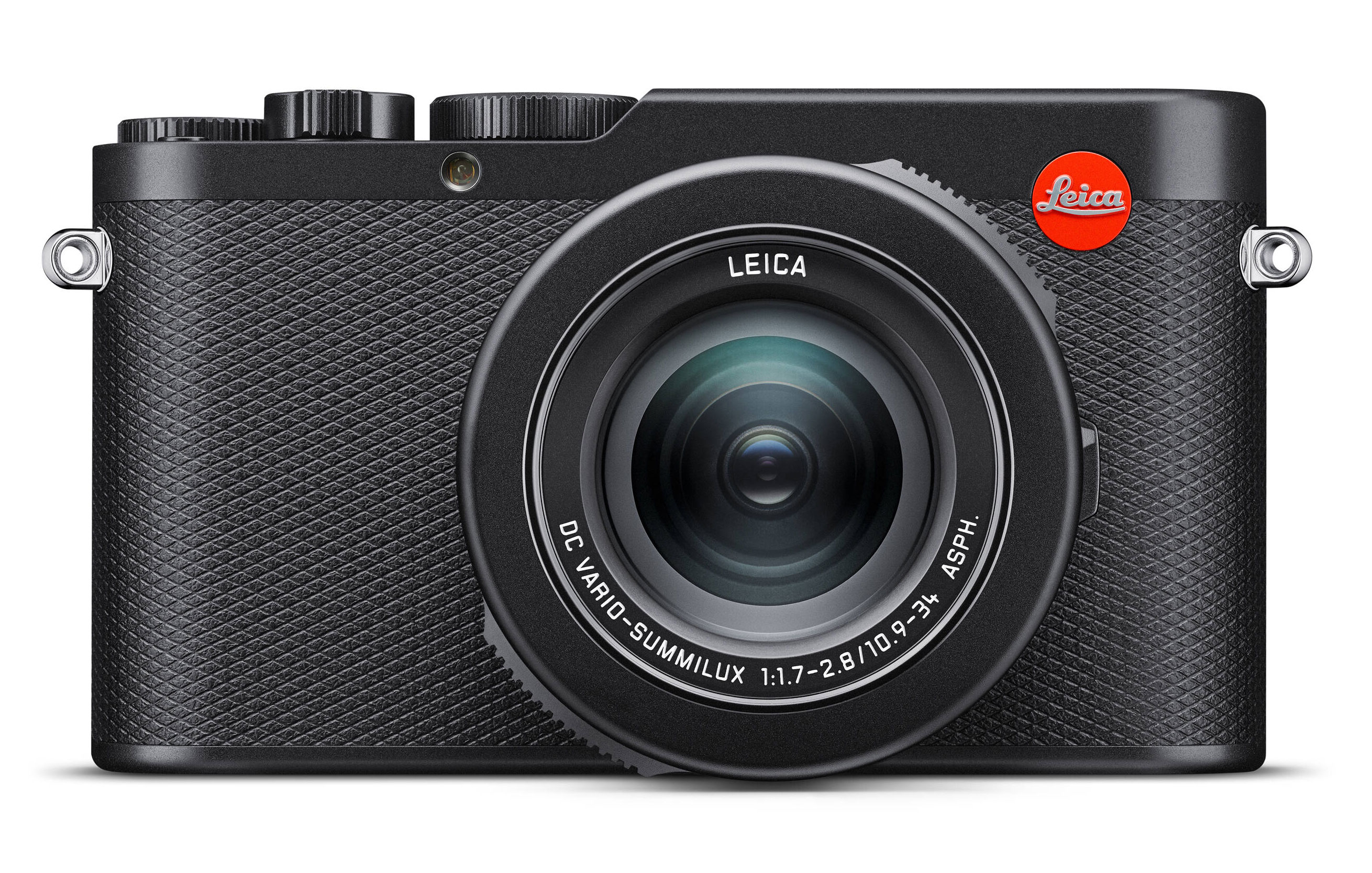
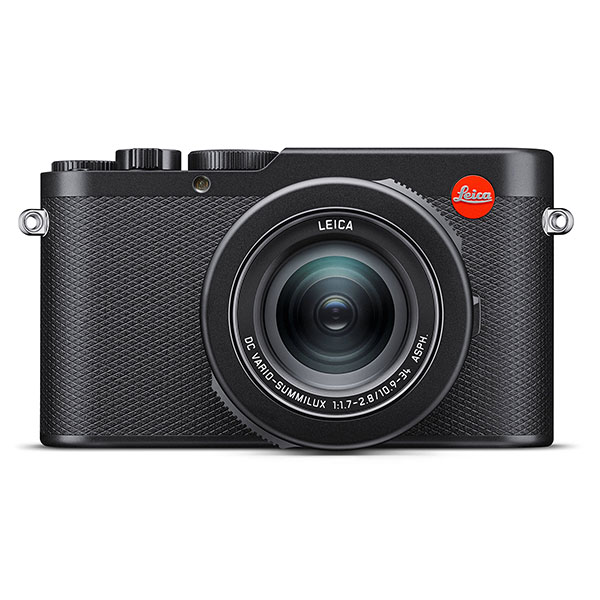
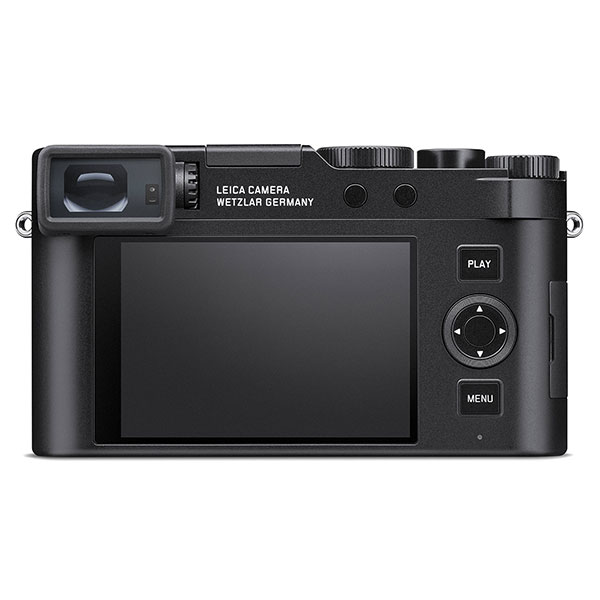
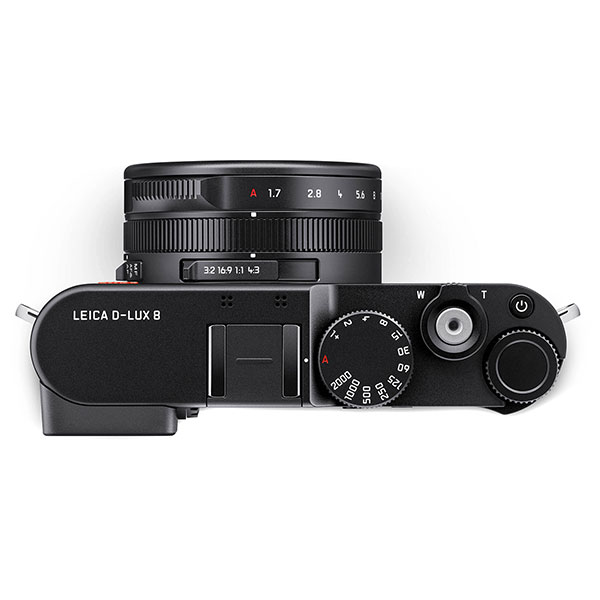
Opinion: I've owned the Leica D-Lux 8 for about a week. I come from a Lumix SR1 with a 24-105mm f/4 lens. Given the premise, I would like to share my opinion as a photography enthusiast. Having tested several cameras, from the Olympus M5 to the Panasonic Lumix S1R, I was aware of the differences between the two sensors, including their strengths and weaknesses. Therefore, evaluating the transition from Full Frame to Micro Four Thirds, I was aware of a possible loss in terms of detail and sharpness. However, since loving photography means, at least for me, capturing the special moments, and considering that the Lumix had a considerable weight and bulk, I noticed that I often left the camera at home, preferring to shoot with the more compact Sony ZV1. The moment I decided to make the change was at the end of June, while I was on the beach. A few meters from me, a seagull was catching a crab naturally. I took out the Sony and I seized the moment, but looking at the photo, although beautiful, I noticed all the difficulties of a small sensor. At that moment I realized that, if I had the Lumix, I would have taken an extraordinary photo, but I didn't have it with me because it was too heavy to carry on the beach. I then started evaluating several compact multifunction cameras and, after reading countless reviews from various brands, I opted for the Leica D-Lux 8 for the following reasons: It has a real viewfinder, which I find excellent. I prefer to take photos looking into the viewfinder. The interface and menu are simple and intuitive, allowing you to find every function without having to consult the instruction manual or waste time searching. The camera is extremely portable and lightweight. Initially, I was worried that it might slip out of my hands due to its compactness, so I bought a Black List 1/8 grip and UV filter to improve the grip and protect the lens from dust, which tends to attract itself. The monitor is clearly visible. As for the noise, it is present but less than I remembered. I took a photo in the dark in a square in Reggio Emilia at 4 am (F 1.7, ISO 5000, 1/60 s, handheld) and the noise was noticeable, but Lightroom solved the situation. The thing that struck me the most is the quality of the files, both in terms of rendering and colors, even in DNG format. Editing is extremely simple, just press two buttons to make the main changes, while the rest is customizable according to your taste. Finally, I would like to mention the Leica app, which I rarely use but find well made, in keeping with Leica's minimalist style. File transfer is quick, and the interface is intuitive. |


 The following opinions have been automatically translated with Google Translate.





























 JuzaPhoto contains affiliate links from Amazon and Ebay and JuzaPhoto earn a commission in case of purchase through affiliate links.