|
| sent on 02 Luglio 2026
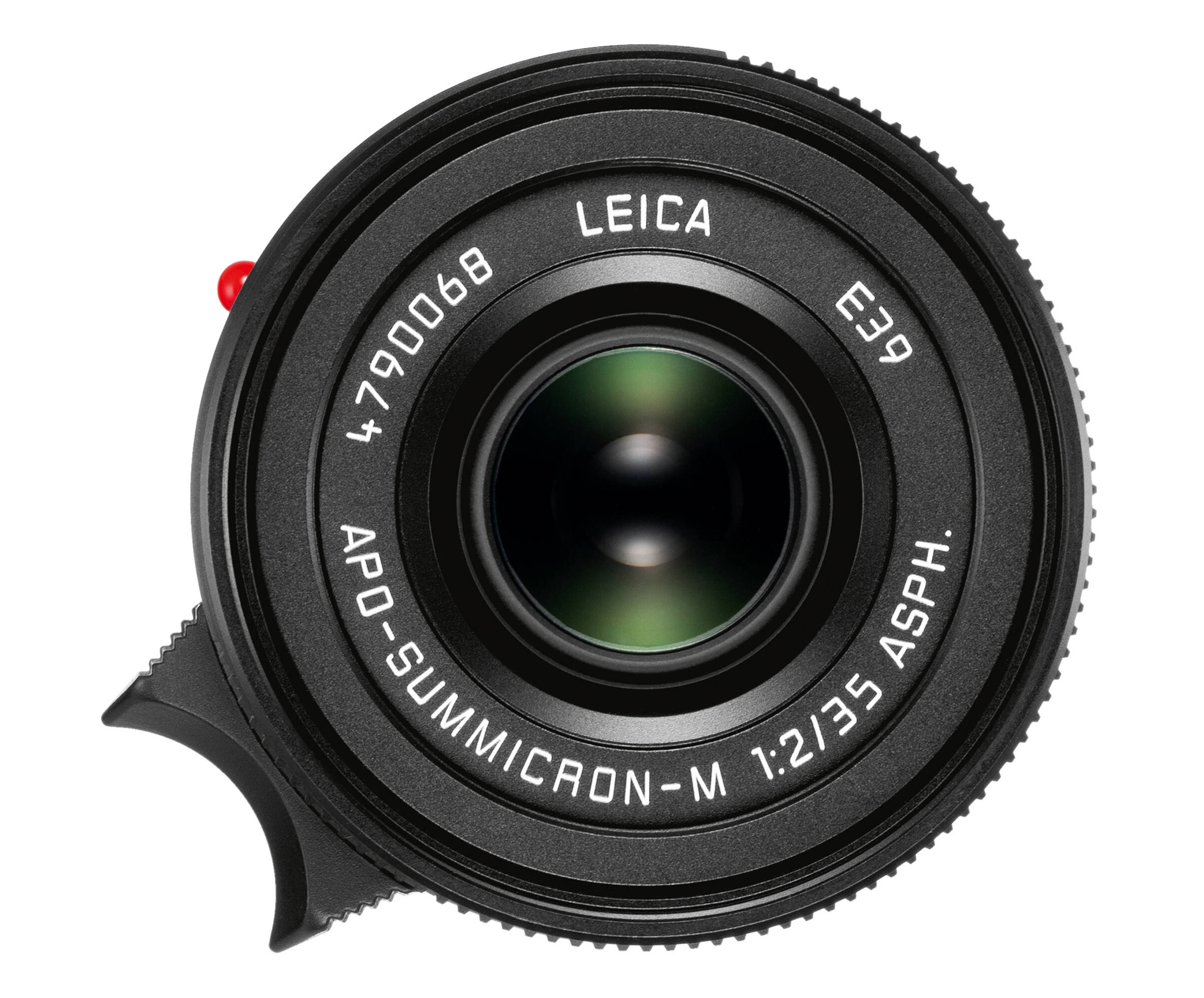
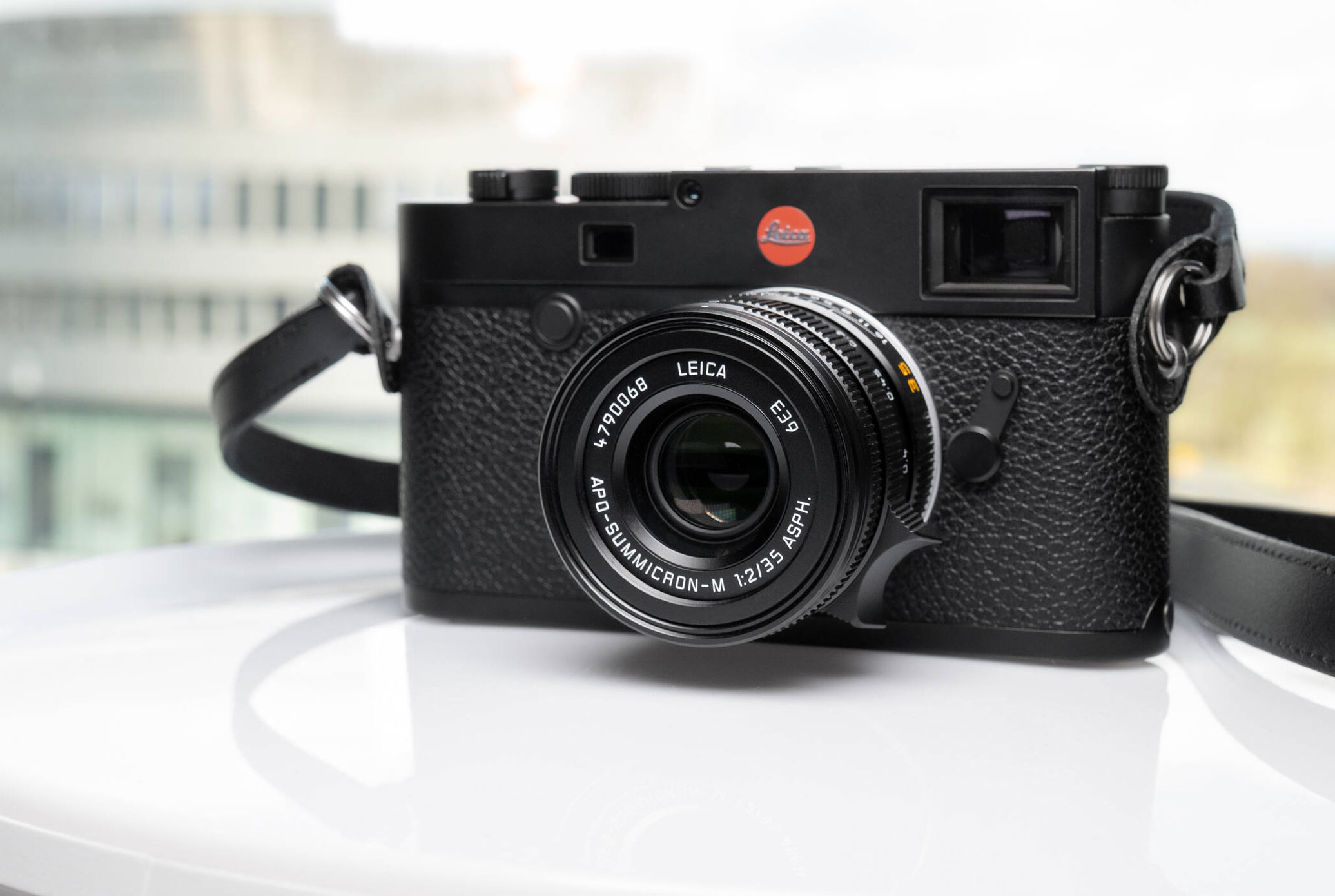
Pros: Quality of optics and build quality. Resolution, color transparency and texture rendering. Three-dimensionality. Gradualness and mellowness of the blurred. A great optics of great character, despite the fact that APO correction is often mistakenly attributed to an arid or aseptic rendering.
Cons: With Leica it is never difficult to identify the cons and here it has four figures, even if in the used one the price holds up very well (it does not lose more than 5%/10% for the "like new"), given the scarcity of offer
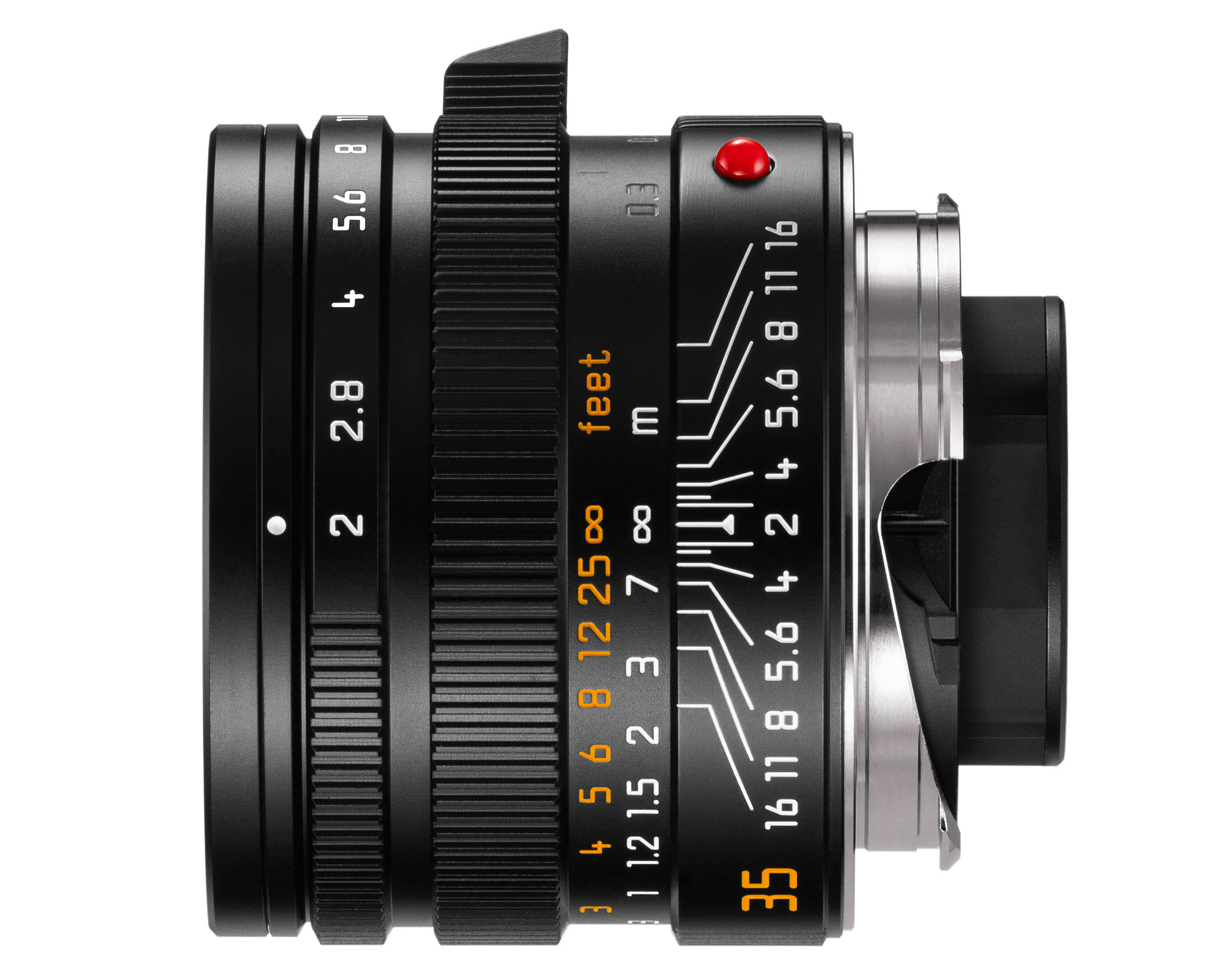
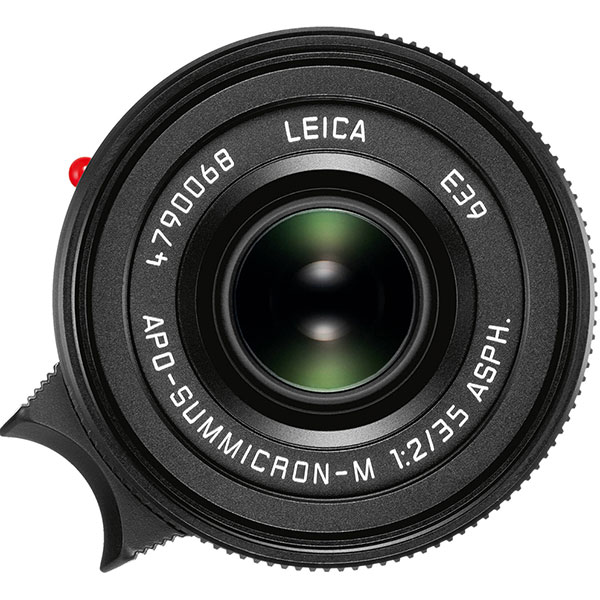
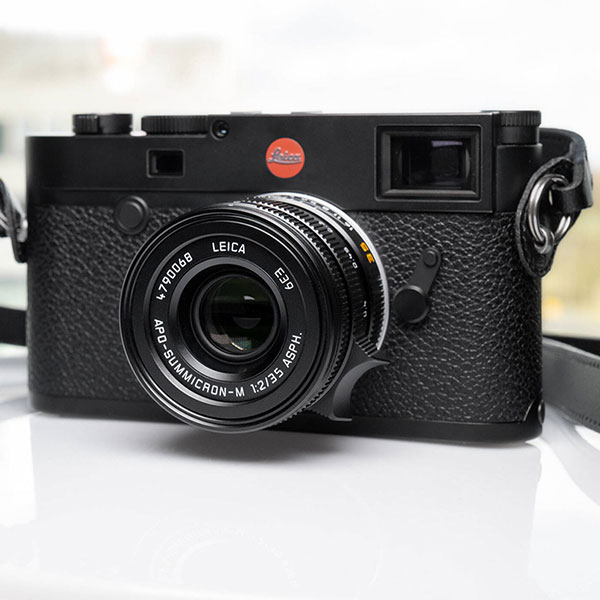
Opinion: I had the opportunity, thanks to a friend, to test it in three very different contexts: on the full-frame digital of the Leica M11, on film with a Zeiss Ikon ZM loaded with Kodak Portra 160 and 400 (rolls developed by an external laboratory, not being familiar with photographic chemistry), and, finally and for fun, on the medium format of the Hasselblad X2D-II via Novoflex adapter. Sharpness and micro-contrast are at the highest level: the lens effortlessly resolves the 60-megapixels of the M11, with fine detail that is never clinical or artificially exaggerated. It is the microcontrast, in particular, that impresses: the ability to separate shades very close to each other gives the images a three-dimensionality and a plastic and tactile rendering of textures that I have rarely found elsewhere and which is the hallmark of its extreme apochromatic design. In addition, there is a transparency of color, a chromatic naturalness that is appreciated both in the digital of the M11 and in the soft grain of the Portra. There is a consistency of rendering between the different supports that testifies to how clean the lens is from an optical point of view, devoid of the dominant ones or those residual aberrations that, in less accurate optics, subtly, but perceptibly, alter the color palette (and which are then compensated by the software). The bokeh is mellow and natural, free of jitters or obvious optical artifacts. The transition from the sharpened zone to the out-of-focus areas takes place progressively, smoothly, without roughness. The result is a breathing image. Initially, the super bright with important blurs were my weak point, over time I have matured an evolution in taste: today I appreciate much more the gradualness and control with which a lens manages the transition from the plane of focus to the blurred. It is a more subtle quality, perhaps less flashy at first glance, but which in the long run proves to be more satisfying and, in my opinion, photographically more mature. The optical quality described so far is fully maintained even at the minimum focusing distance (0.30 meters, the first Leica M lens to be able to get so close), especially in the central portion of the frame. This is not an engineering compromise to expand versatility at the expense of yield: it is a genuine extension of expressive possibilities, achieved without sacrifice. For close-up reportage, for environmental detail, for an almost macro use of 35mm, the implications are significant. The use on Hasselblad X2D-II 100C was born more as a curiosity than anything else: the lens covers the medium format sensor with a contained vignetting limited only to the extreme corners of the frame: a fall of light limited to the most peripheral portions, accompanied by a bit of purplish cast color in the corners, a phenomenon attributable to the extreme angle of incidence of light rays on the periphery of a sensor significantly larger than the one for which the lens was calculated. Cropping the frame in a panoramic format, vertically, or simply excluding the corners, the resulting image is not only usable, but excellent (there are also those who use a corrective profile + corrective AI to use the entire frame and you can find various examples of this on the net). This result, obtained moreover without any software correction, is perhaps the most eloquent data on the intrinsic quality of this lens. An optic that manages to hold up to a format for which it was not designed, maintaining a very high level of rendering on the vast majority of the surface of the sensor, reveals an optical design of uncommon rigor, with a behavior that is close to that of an almost telecentric system, a characteristic that in rangefinder systems, bound to a reduced draught, is particularly difficult to obtain and particularly precious. |


 The following opinions have been automatically translated with Google Translate.























 JuzaPhoto contains affiliate links from Amazon and Ebay and JuzaPhoto earn a commission in case of purchase through affiliate links.