|
| sent on 23 Aprile 2021
Pros: In Still Life it is able to discreetly solve the 102MP of the GFX 100 when used on tripods with OFF stabilizer and deabrated between 8 and 11, possibly using the Focus Bracketing function to extend the sharp zone.
Cons: Very slow and inaccurate autofocus, even with the GFX 100, especially when the light is not particularly intense, for example with flash pilot lamps. It is very frustrating when you see that autofocus is going the wrong way and you can do nothing about it, other than waiting for it to come back at the end of the race, which in portraiture often means losing the fleeting moment, especially with spontaneous and non-professional subjects (models). In these situations the autofocus of the GF110 is much better, especially with static subjects, probably due to the difference of 2 diaphragm stops. This is not a problem in Still Life with tripod device and motionless subject, where I prefer manual focus. The rotation of the focus ring does not directly control the mechanical displacement of the lens elements, but is a digital command, so much so that the targetses do not show a metric scale. You can set the focus in linear or nonlinear mode, rotating clockwise or counterclockwise, but in fact there is too much to turn, it has nothing to do with a classic lens. It is not possible to develop muscle memory that allows you in the manual to act instinctively. You can set many aids for manual focus, but you need to study the matter well and if you devote yourself to multiple genres of photography be ready to change them from time to time. For example, I find it useful in still life that as soon as I rotate the ring in the manual all the viewfinder enlarges the part where I placed the focus square. This setting, of course, is unusable when the device is not on tripod. At F4 vignetting evident in most useful reproduction reports, which however is not a big problem in portraiture or even in Still Life where you will hardly start at full opening.
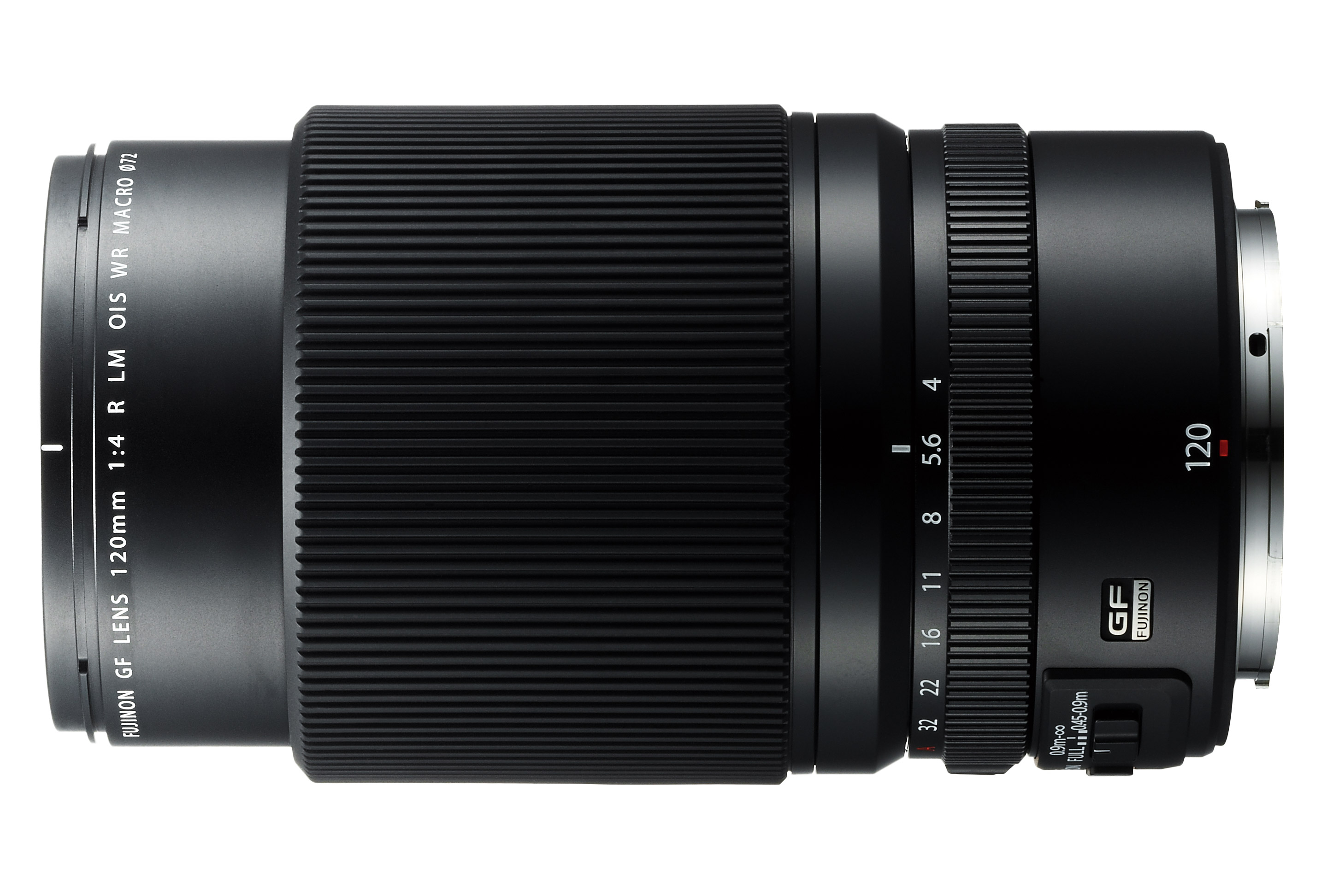
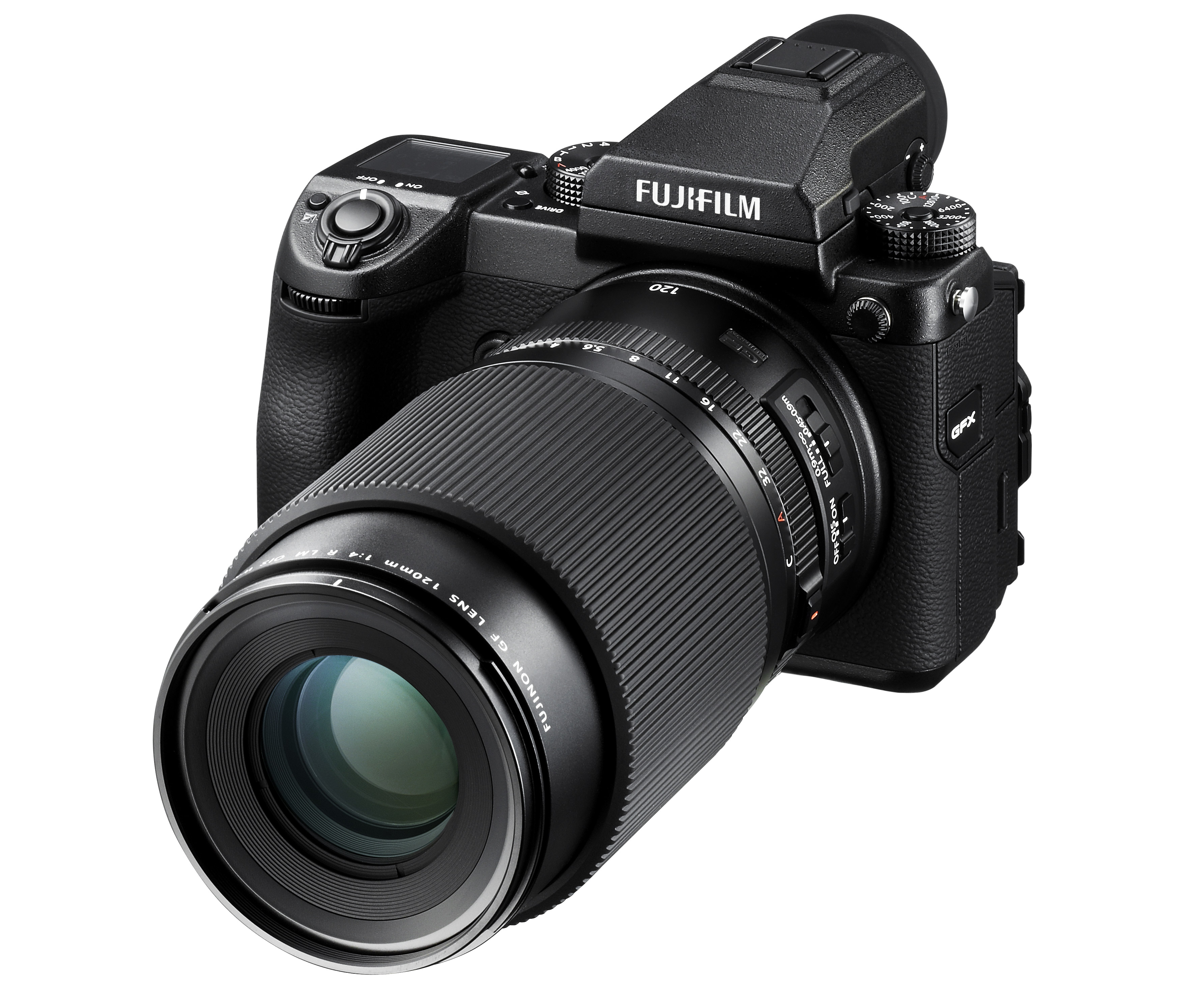
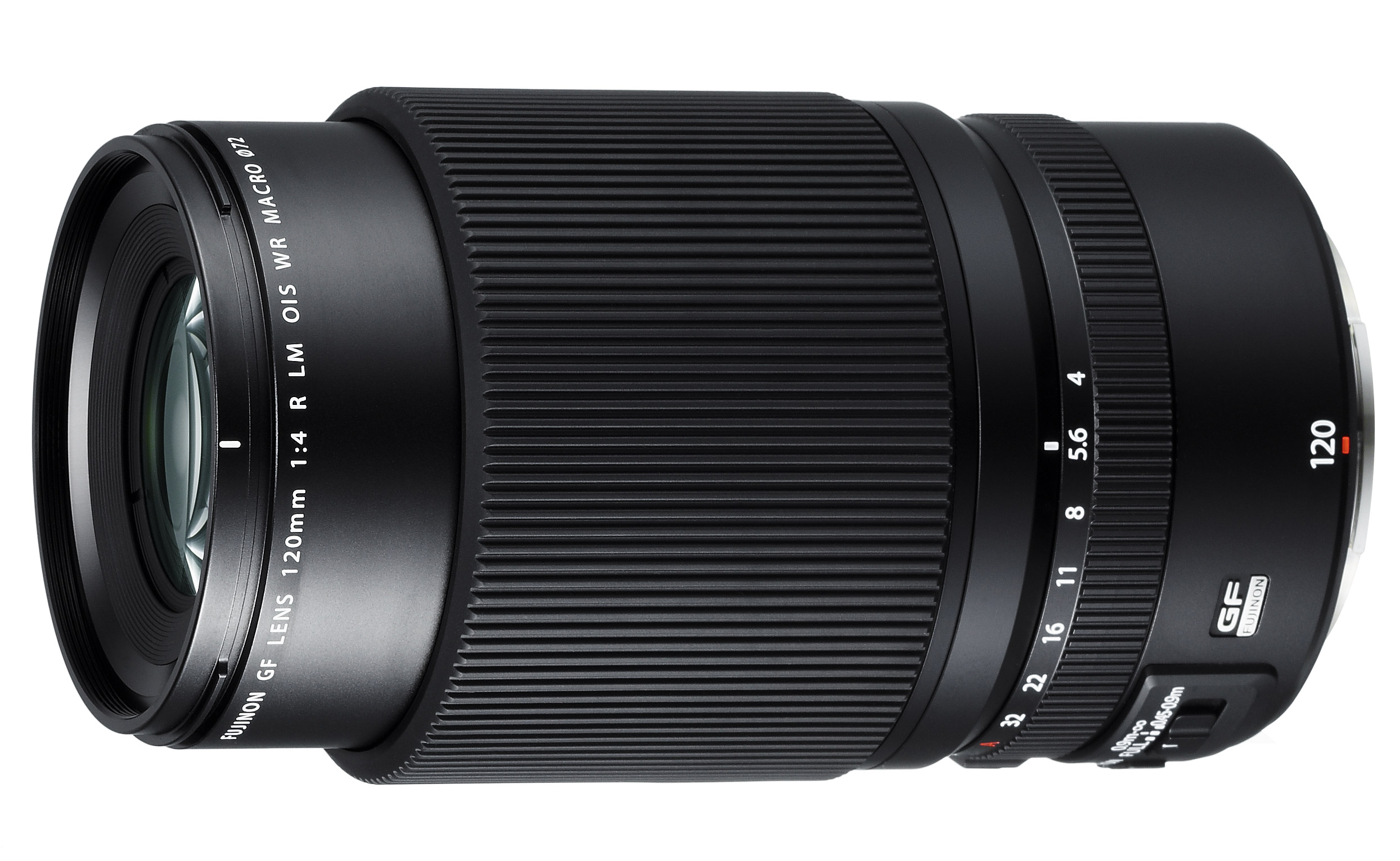
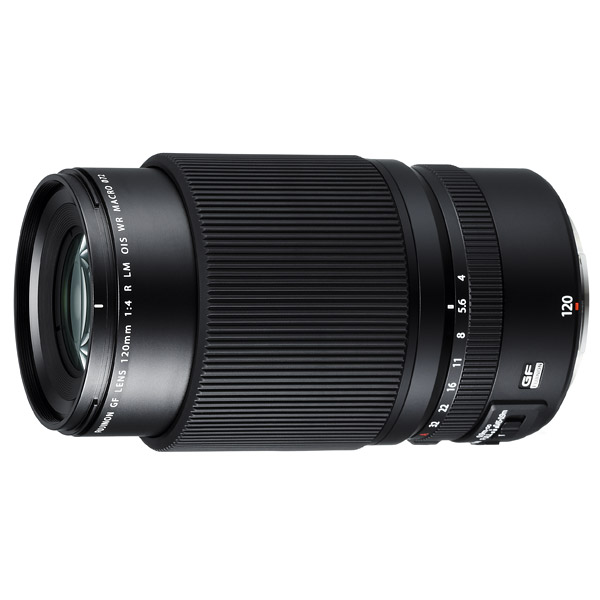
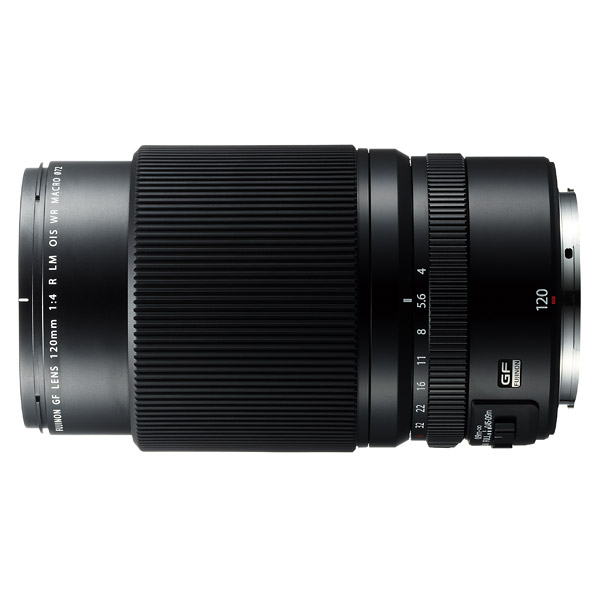
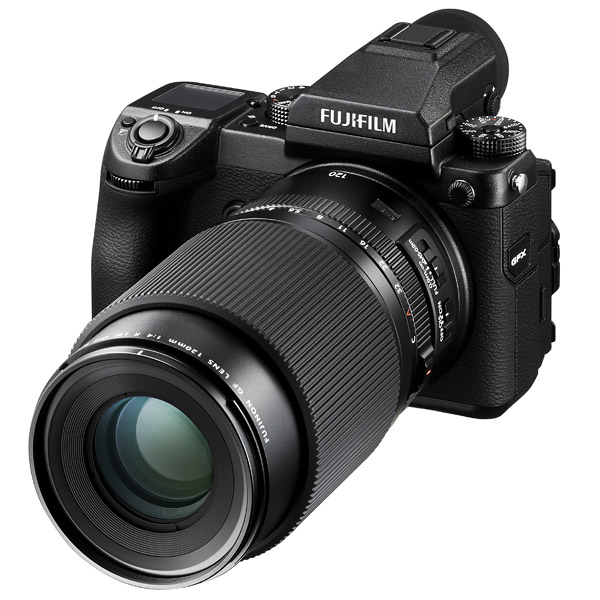
Opinion: GFX system macro objective, with a maximum playback ratio of 1:2 and not the 1:1 proposed by all other competitors. To get to the 1:1 playback ratio you need to buy the MCEX-45G extension tube of 45mm. To take advantage of the 33x44mm sensor as well as for the tonal and chromatic scale also for sharpness, it is necessary that the device is on tripod, the OFF stabilizer (the stabilizer neutralizes the large vibrations of when shooting freehand, but produces some of its own) and be careful about diffraction, an inevitable physical phenomenon diaphragmizing the lens. Keep in mind: One: in the playback ratio 1:1 the pull of the lens is twice that at infinity, the exposure increases by 4 times (2 stops) and the actual iris as well. The value F5.6 at infinity actually with a ratio of 1:1 is F11. This means that the higher the playback ratio, the more open the lens should be left open, despite an ever-greater depth of field. Two: the image magnification factor. If we want to get an 80x100cm print, with a 20.3x25.4cm format we have to enlarge 4x, with a 10.2x12.7cm 8x, with a 33x44mm 24x, which explains that the smaller the shooting format – even the digital one – plus diffraction or vibrations (shooting freehand) limit the quality of the final image because any circle of confusion given by diffraction or even movement is multiplied greatly. Other great advantages of large format or mobile body appliances (optical benches) are decentralizations for prospective control and tilting to tilt the focus plane according to scheimpflug's rule. In certain situations – landscapes, architecture, still life – it means having everything in focus on relatively open diaphragms. An example is the resumption of the train tracks that go to us endlessly perfectly sharp even at full opening (be careful that the train does not pass, otherwise we go endlessly!). To take advantage of the prospective control and sharpness plan possibilities, I bought the View Camera Adapter G, so I can use GFX devices as sensors mounted on an optical bench. To sum up, the GF 120 is a good lens for still life and if necessary can be used in portraiture, but with the limits due mostly to the slowness of autofocus, therefore with immobile subjects or models. As for still life, when a good extension of the focus area is required, which can be quickly obtained with the tilting of the optical bench, to obtain the highest quality you can proceed with multiple shots through the Focus Bracketing function diaphragm between 8 and 11. If you want to proceed with a single shot, diaphragm to 16 or the limit to 22 the images are still usable, but you can not take full advantage of the potential of 100MP and enlarge a lot due to diffraction. Focus Bracketing allows you to get great images, very good for occasional use. However, it is very time-consuming and resource-consuming, shortening the lives of shutters and flashes, as well as requiring huge storage spaces. It is not usable in case the customer is in the studio and wants to see the result immediately, in which case it is better to proceed with a mobile body device with digital sensor, so a shot and you can immediately see the final result. I mentioned the large format and mobile body appliances because in Still Life, the scope of the GF 120, the advantages of this type of luminaire, associated not only with flat films but also with digital sensors, is undeniable. |


 The following opinions have been automatically translated with Google Translate.










 JuzaPhoto contains affiliate links from Amazon and Ebay and JuzaPhoto earn a commission in case of purchase through affiliate links.