|
| sent on 20 Marzo 2024
Pros: enchanting bokeh, impressive MAF precision, excellent sharpness already at f1.2, total absence of flare, gradual and strong detachment of the planes without reaching the sticky figure effect, presence of the programmable control ring, solid and tropicalized construction, 77mm filters, non-existent distortion.
Cons: Heavy (but quite in line with its f1.2 counterparts: the Sony weighs 172 grams less and the Nikon 140 more), bulkier than the Canon EF 50 f1.2 (but it is in line with its counterparts, practically identical to the Sony GM but definitely more compact than the Nikon Z), high price.
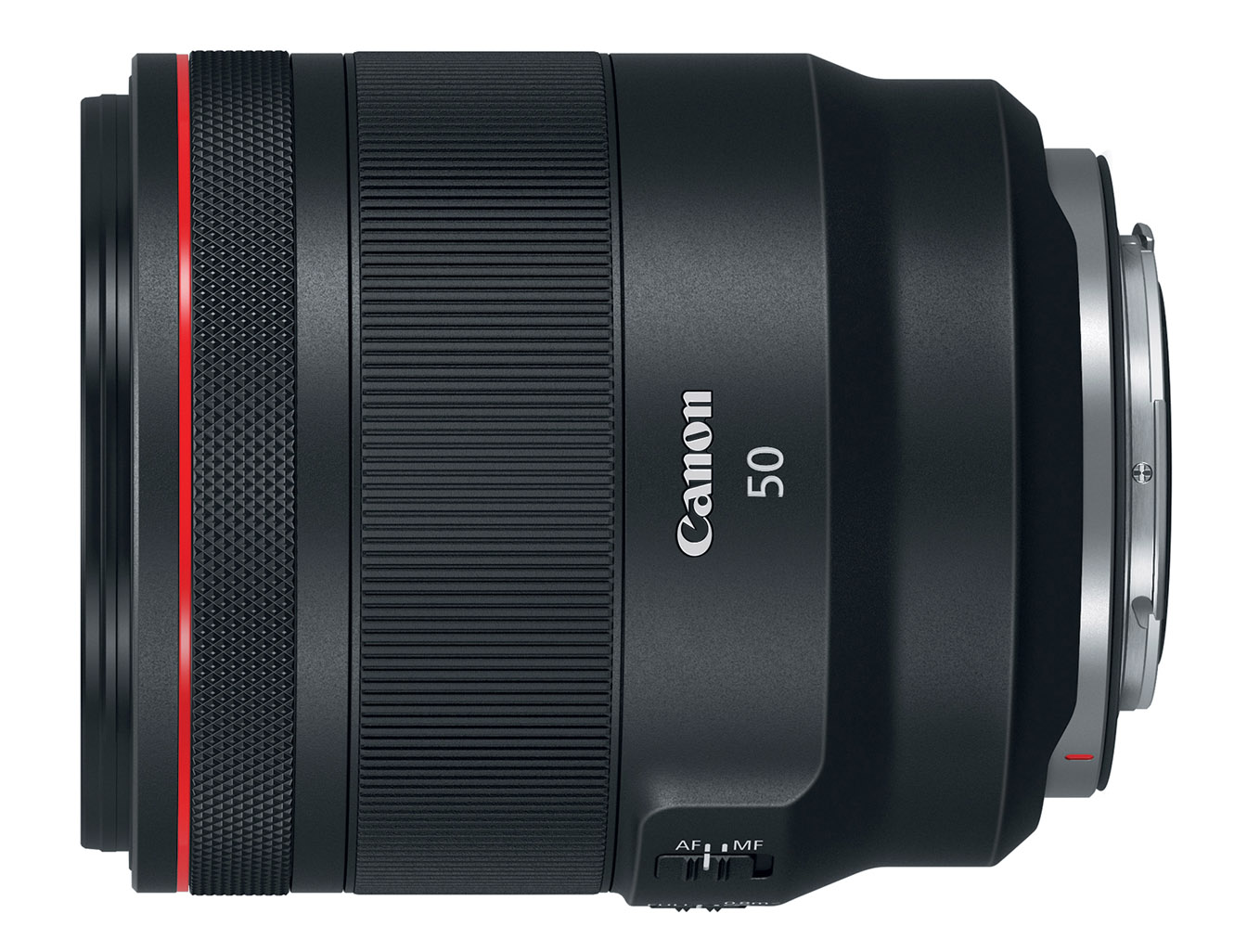
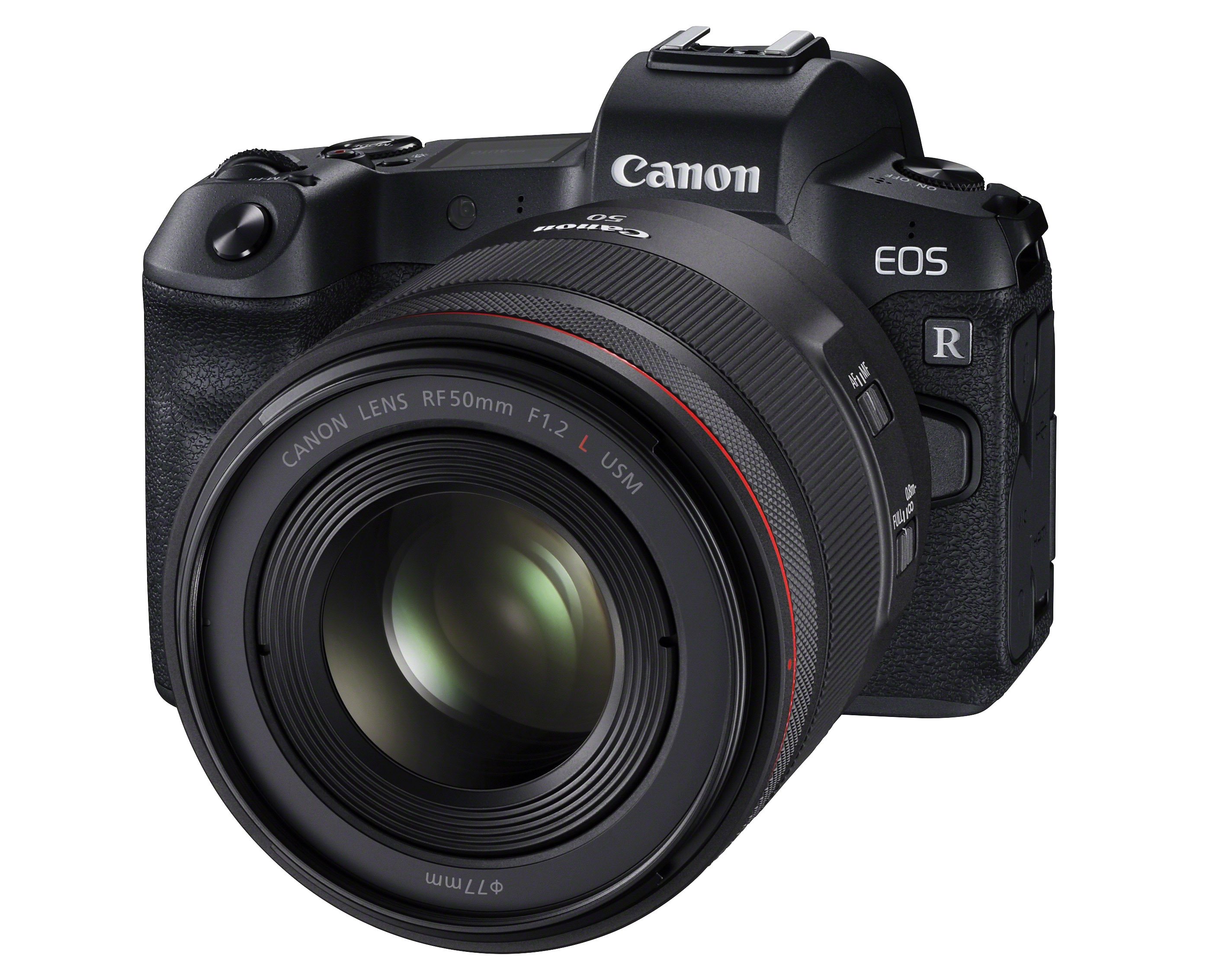
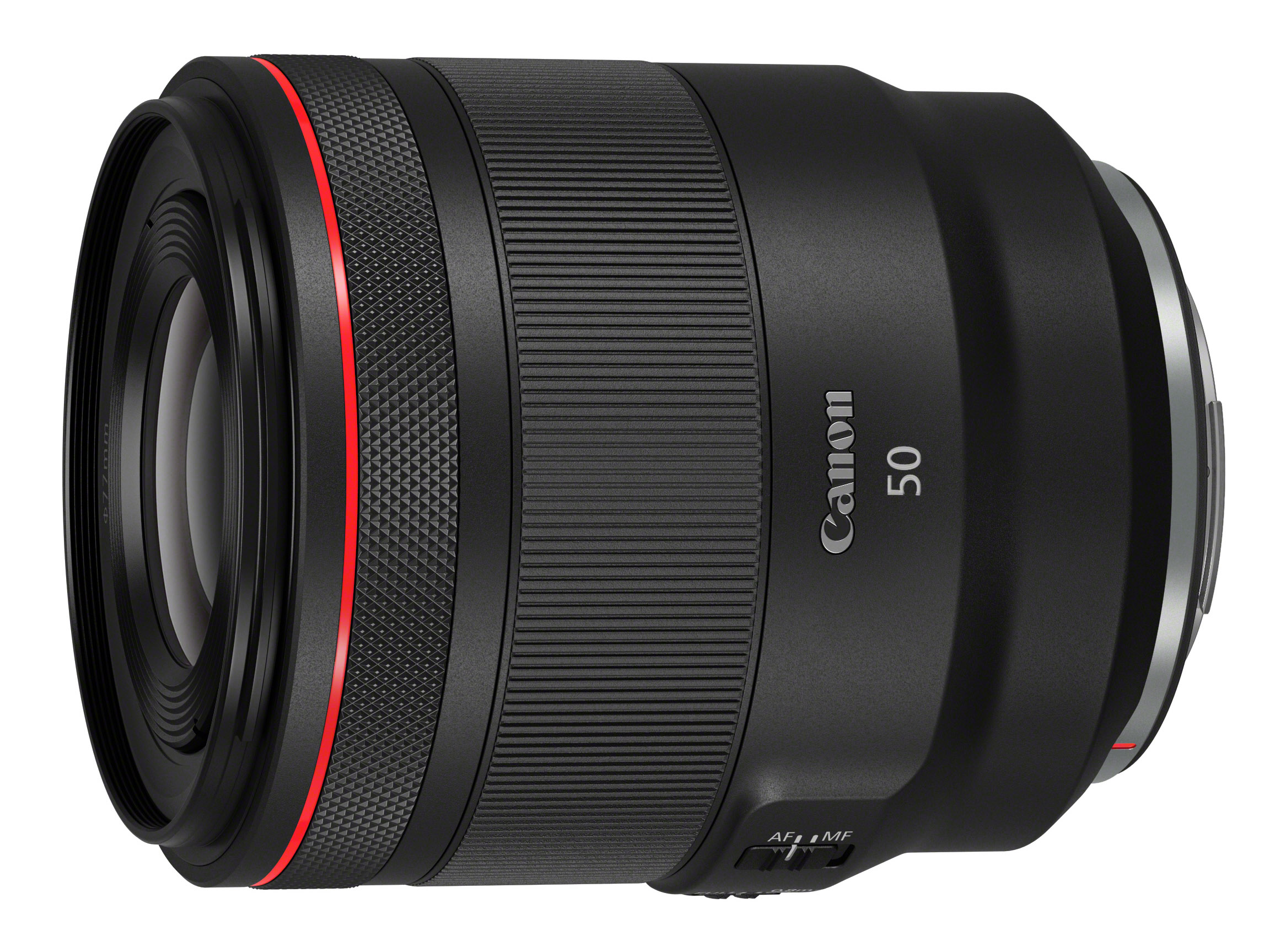
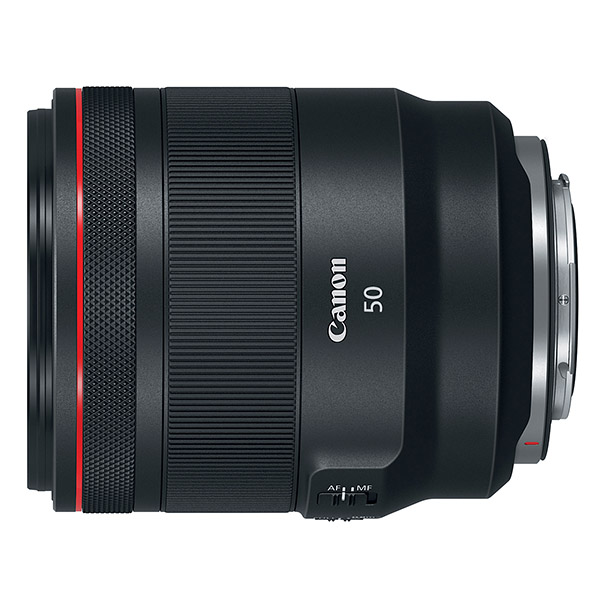
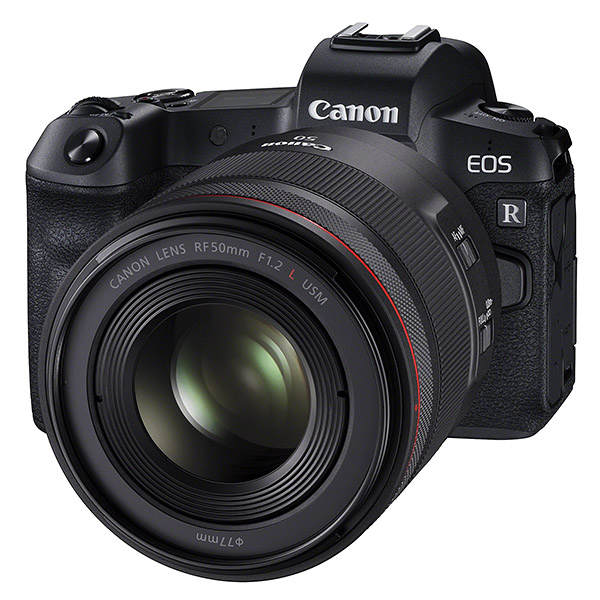
Opinion: In a self-respecting kit, a 50 f1.2 cannot be missing. The Canon RF 50 f1.2 collects a heavy legacy, that of the Canon EF 50 f1.2 lens that boasts a huge audience of admirers (including me) and detractors because it was a lens full of optical defects that, in the eyes of admirers, were poetry while in the eyes of detractors they were... optical defects. This Canon RF 50 f1.2 totally differs from its predecessor as it is a super correct and razor-sharp lens already at TA. In Canon's currently produced lenses, the f1.2 aperture is the brightest and is currently reserved for only two lenses, the Canon RF 50 f1.2 and the Canon RF 85 f1.2. This aperture gives photographers and filmmakers the ability to shoot low-light subjects at relatively low ISO with an extremely shallow depth of field, a great way to isolate a subject from its background. Having such large apertures allows you to use fast shutter speeds even in low light conditions, freezing, as a result, both the movement of the subject and the camera shake that could cause microblur (when shooting with a mechanical shutter). The MAF Ring-USM system, also used in Canon's Supertele cameras, smoothly moves the large optical elements of the RF 50 f1.2 allowing for fast and accurate focusing that allows you to easily track subjects as they move through the frame. It was the first 50 f1.2 of the new generation (the Canon came out in 2018, the Nikon Z in 2020 and the Sony GM in 2021) and, compared to the Canon EF 50 f1.2, it stands out for its exemplary sharpness and the absence of any optical defect that, on the other hand, characterized its predecessor. In particular, the total absence of flare even with the sun totally inside the lens is striking. The sharpness at f1.2 is already excellent as well as the contrast across the entire frame, including the extreme corners. Closing the aperture to f2 produces a slight increase in sharpness, which at f2.8 already reaches its maximum. The vignetting is present at f1.2 but it is pleasant and gradually fades when the aperture is closed to disappear definitively at f4. On the side of the lens barrel, there are two switches. One gives direct control over AF/MF (always appreciated) and the other is a focus limiter. The latter is a bit unusual for a 50mm lens, but the RF 50 L is able to focus at a slightly shorter distance than many 50mm (40cm) lenses and has a very useful maximum magnification of 0.19x. The use of MAF's limiter offers a significant difference in the rate of fire acquisition. Distortion is, quite simply, non-existent. If you love the ultra-fast 50mm focal length it is a must have in the Canon system, for me it is an antithetical lens and, therefore, complementary to the Canon EF 50 f1.2 and, therefore, I keep them both supplied. |


 The following opinions have been automatically translated with Google Translate.
![[editors pick]](shared_files/layout/ep_badge.jpg)















































 JuzaPhoto contains affiliate links from Amazon and Ebay and JuzaPhoto earn a commission in case of purchase through affiliate links.