|
| sent on 18 Luglio 2023
Pros: Very correct lens and without AC, sharpness, micro constrasto, image quality also multiplied, top construction, fluid ring and with a manageable stroke with a single hand movement, immediate AF, very compact hood, excellent balance, 5.5 stop stabilizer very silent.
Cons: No built-in CT.
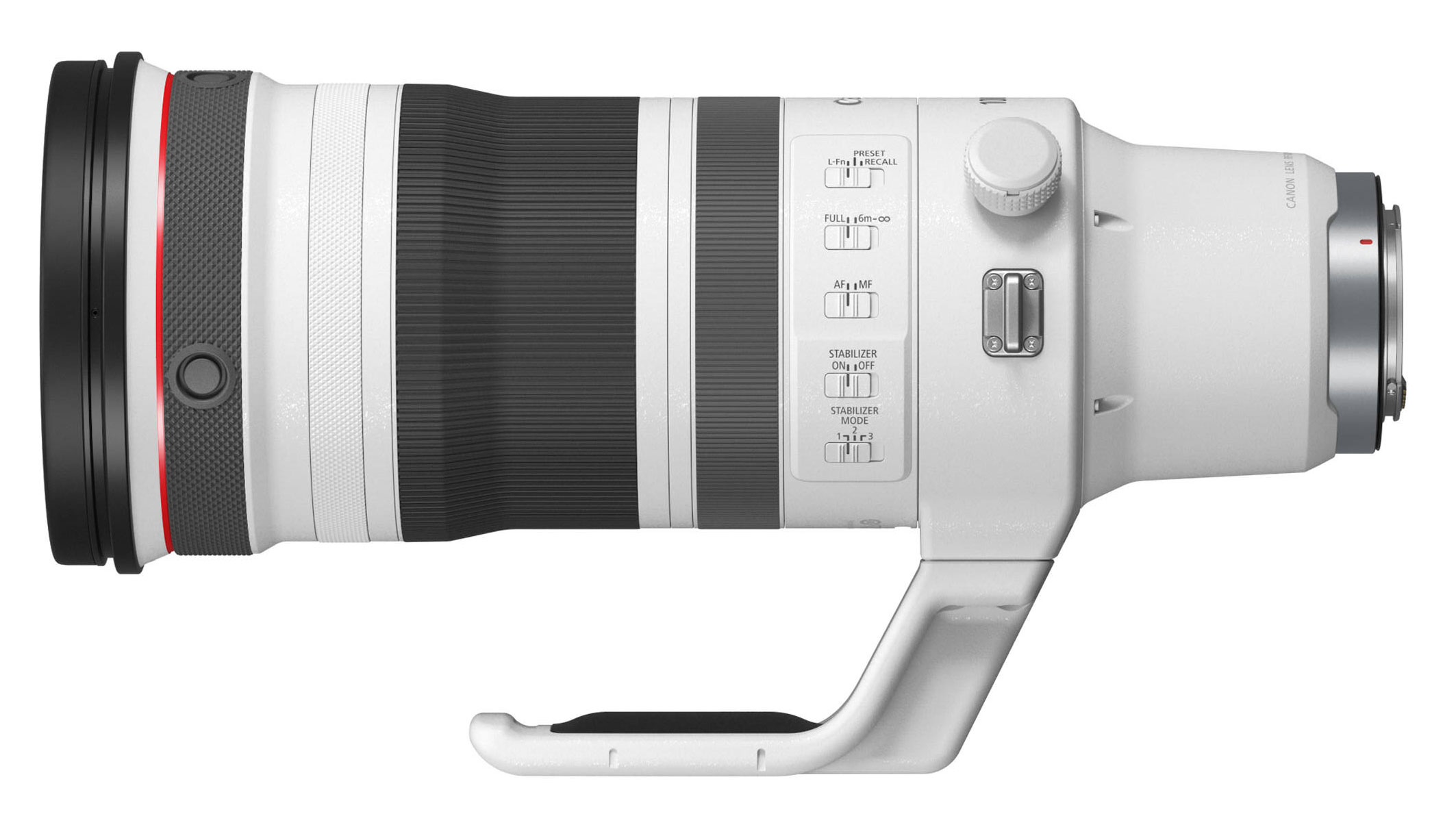
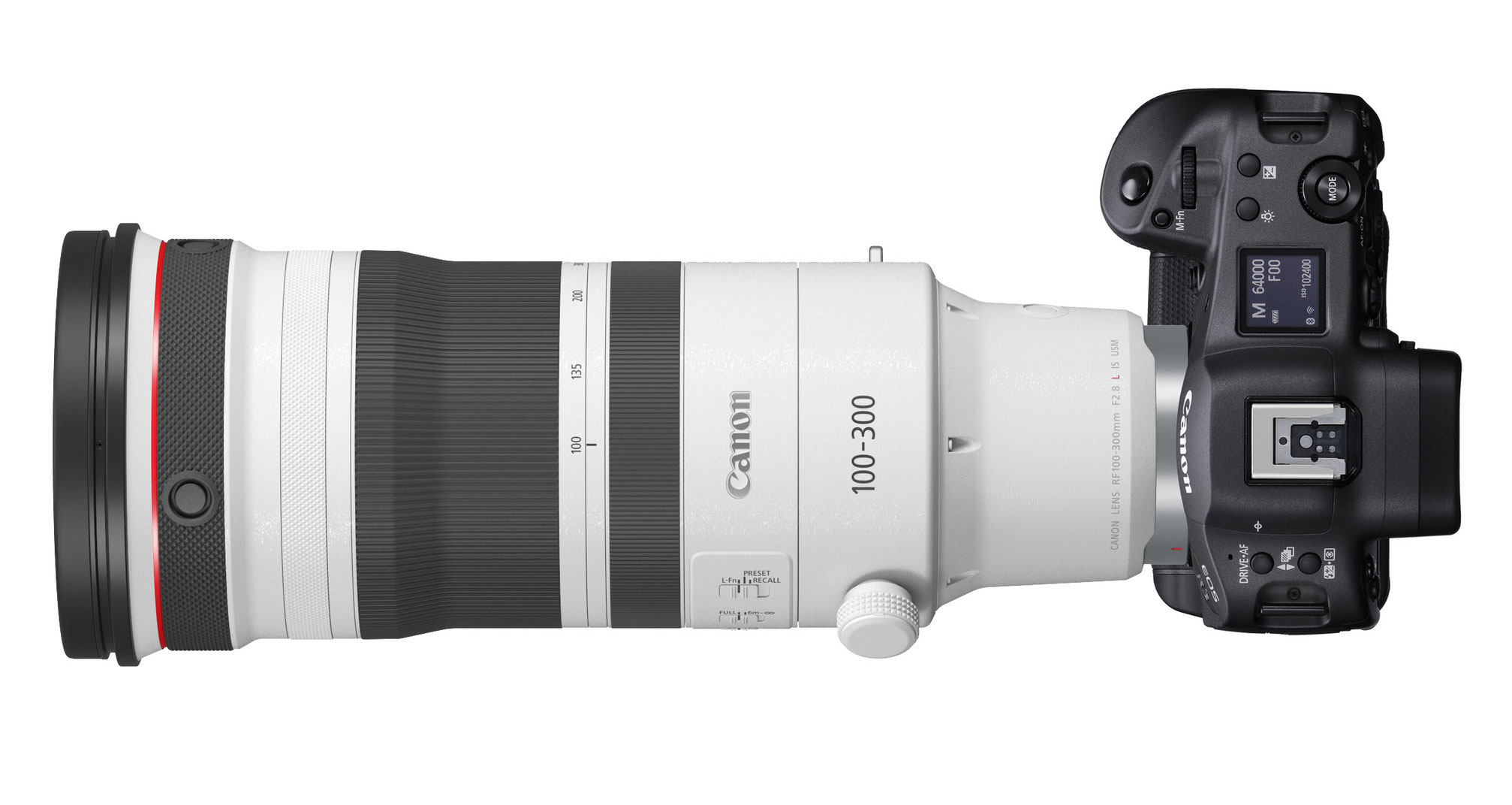
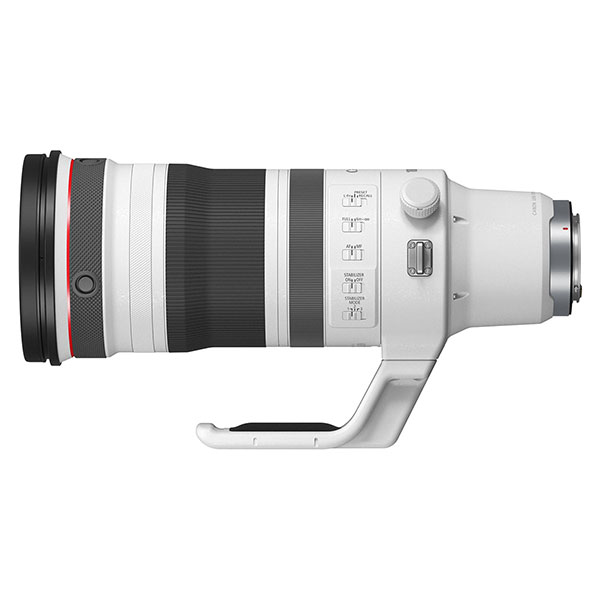
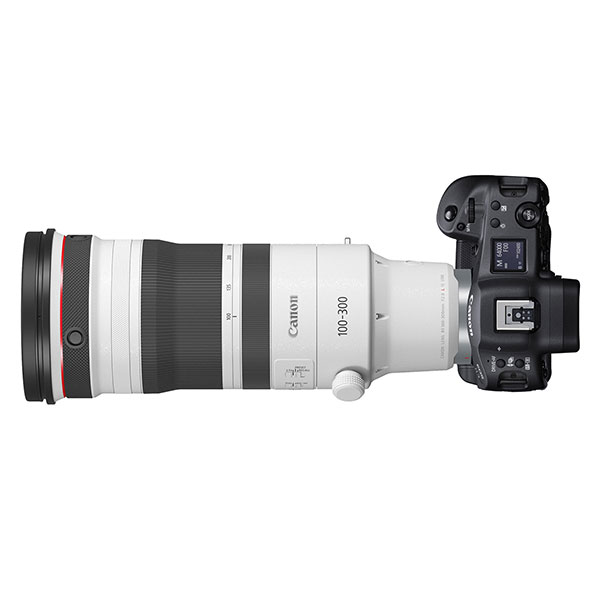
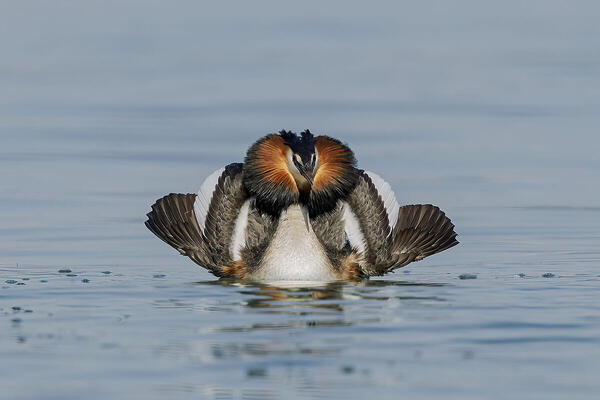
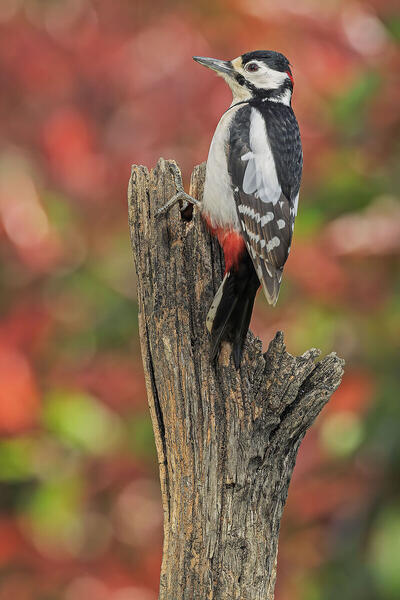
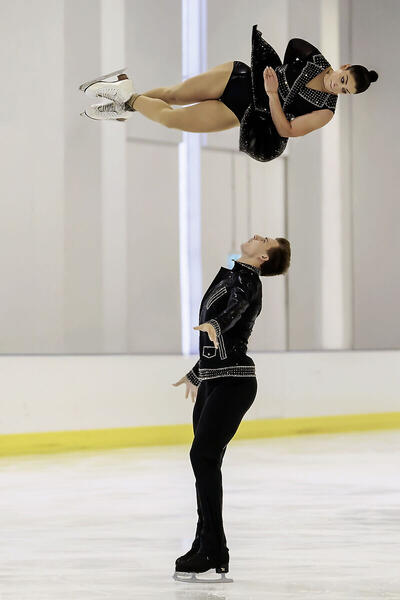
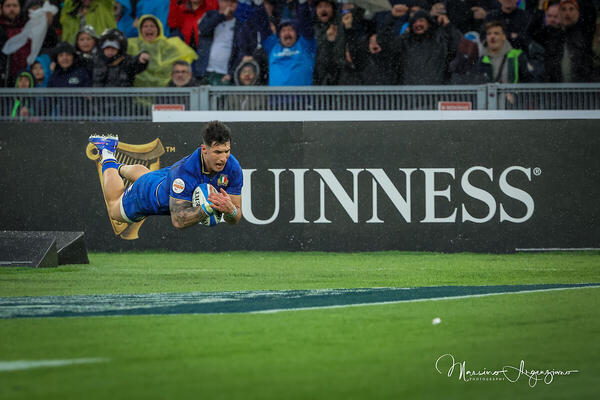
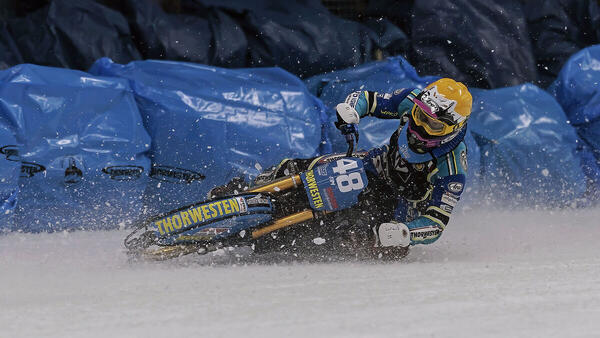
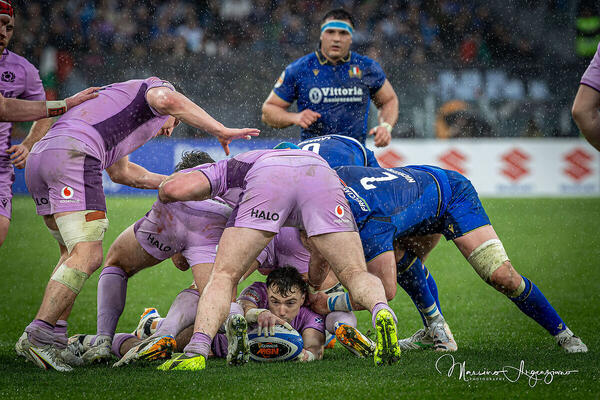
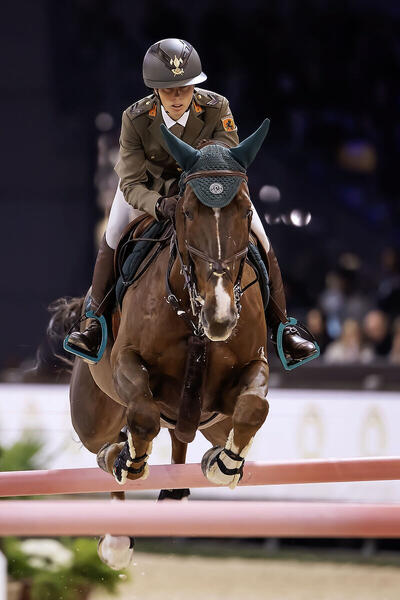
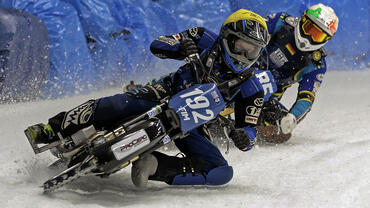
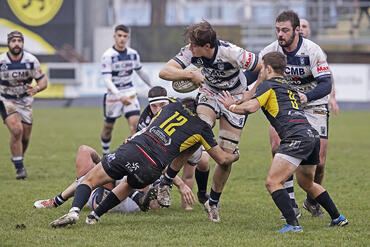
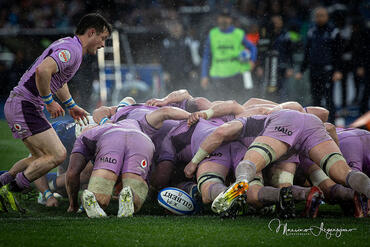
Opinion: The lens is compact, it is slightly longer than the Canon EF 300 f2.8 IS II (323 mm VS 249mm) and is slightly heavier (2650 g VS 2400 g) but in the hand it falls better, it is better balanced thanks to the smaller hood (as shown in the photo). The combination with the R3 is perfect, those who have tried a Canon Series 1 (or R3) (or Nikon Flagships) understand well what are the advantages of a generous body with integrated BG, the balance is perfect and the grip is safe both vertically and horizontally. The zoom is internal. The construction is, like all Supertele L, very solid and at the highest levels, the lens is obviously tropicalized and the materials are at the top of quality. While the Canon EF 300 f2.8 IS mounts an ultrasonic AF motor (Ring-USM), this new Supertele RF mounts two Nano USM motors thanks to which the MAF with the R3 is immediate, stable and very quiet making this lens perfect, in combo with an electronic shutter, for shots in conditions that require absolute silence (I think of theaters or photojournalism). The speed of MAF is appreciated in passing from the minimum distance of MAF (1.8 meters) to infinity; The work done on this front is surprising. The bokeh is beautiful, I took @f2.8 a portrait with plants behind and the resulting background is wonderful; compared to my Canon EF 300 f2.8 IS II the blur is even more pleasant because the subject in focus is even sharper while retaining its contours well but, at the same time, the figurine effect is avoided. The 5.5 stop image stabilization works in an absolutely silent and imperceptible way, the zoom ring is very fluid and precise and it is easy to switch in a single movement from 100mm to 300mm. The AC are non-existent, the lens is very correct thanks to the use, among other things, of a fluorite lens and four UDs. I got to use it on the R3 and R5 with the Canon RF TC 1.4x and the IQ is not affected at all as well as the speed of MAF. The Supertele is sold with its own double zip bag. As you know the price of the Canon RF 100-300 f2.8 L IS USM is around € 11,990 and € 12,500, objectively many in absolute value but a lens like this, combined with the two TC 1.4x and 2.x, allows you to have: - a 100-300 f2.8; - a 140-420 f4; - a 200-600 f5.6; while, if mounted on an R7, it can allow you to arrive (in combo with a TC 2x) to an eq. of 960mm. The lens has already been pre-ordained by numerous professionals working in the fields of fashion, journalism, sports and indoor events. Personally I find it an ideal focal excursion also for African Safari (except for Tanzania where the distances from the animals suggest longer lenses) and for other photographs of birdlife as evidenced by the galleries of the Canon EF 300 f2.8 IS II on Juza. In my opinion, finally, a 100-300 f2.8 is the ideal travel Supertele because it is relatively compact and, combined with two TC 1.4x and 2x, allows you to comfortably get (on FF) @600mm to f5.6 and (on APSC) @960mm. If you practice the genres I have described above this is, for me, a definitive lens. The only flaw of this 100-300, for me, is not to have a TC 1.4x / 2x integrated, for the rest nothing to say. |


 The following opinions have been automatically translated with Google Translate.
















 JuzaPhoto contains affiliate links from Amazon and Ebay and JuzaPhoto earn a commission in case of purchase through affiliate links.