|
| sent on 15 Luglio 2019
Pros: Great sensor, naturalness of tones and colors despite the 24 mp. 14-bit RAW file. Responsive when turned on, in commands, and viewing images/videos (great processor). AF very fast and reliable. Good Raw processing software (Canon DPP), despite the tremendous slow export to JPG. The automatic correction of shadows in the room, reversible ("Automatic Light Optimization") is very convenient. Presence of the built-in internal flash (finished the era when I always forgot it at home).
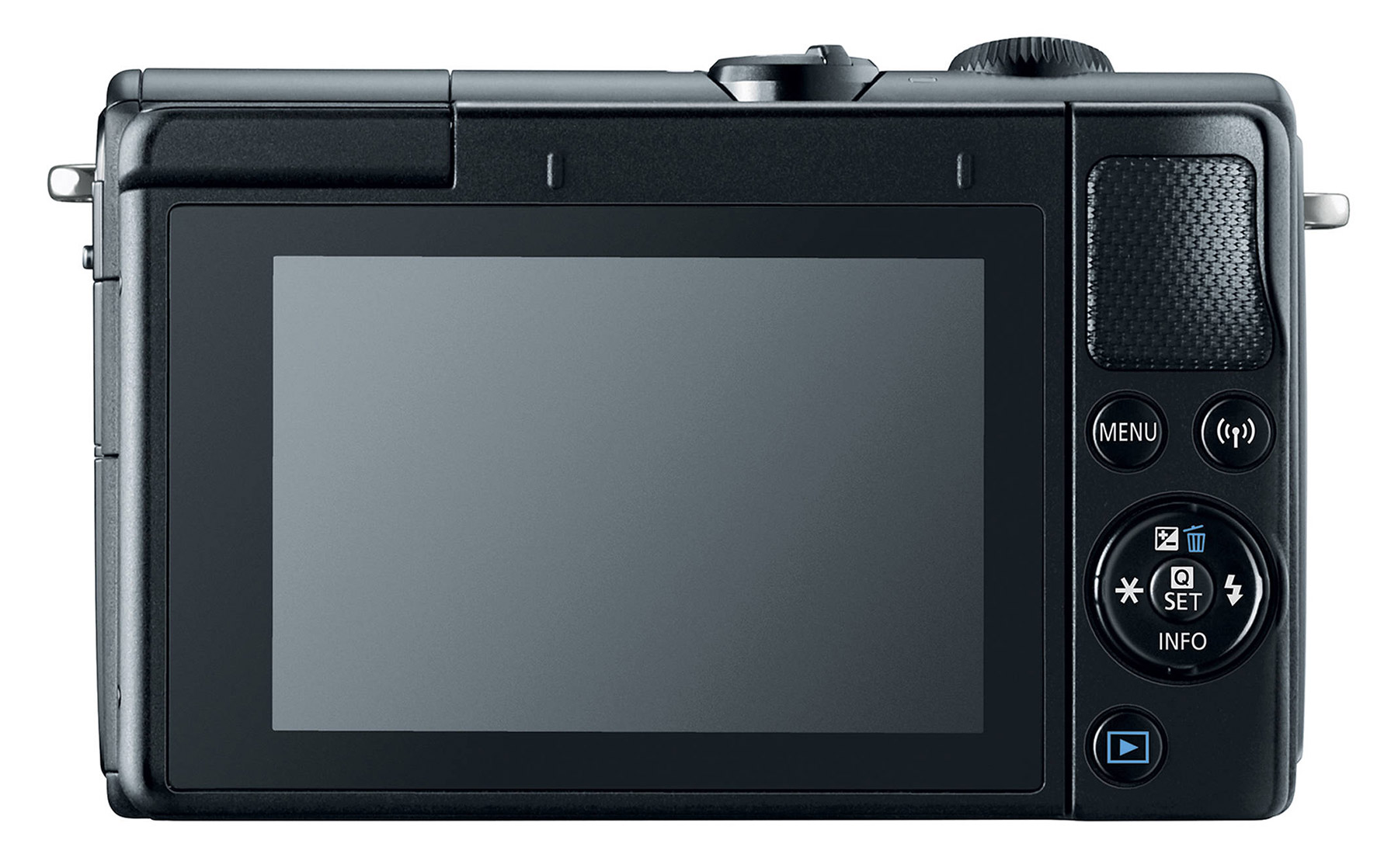
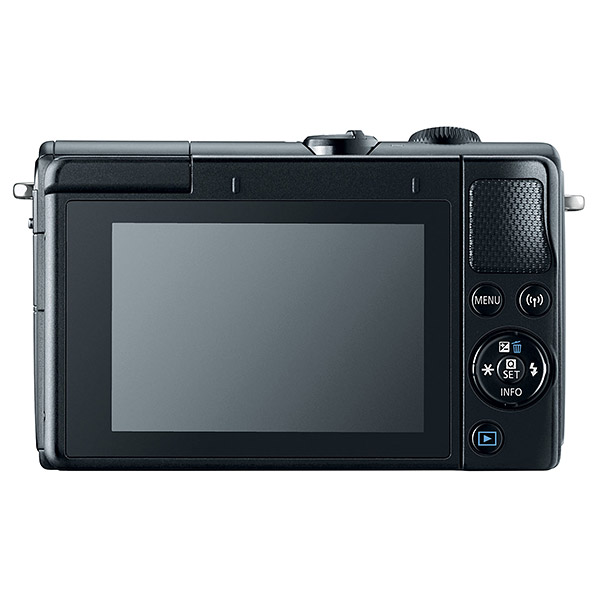
Cons: Very cheap construction. Touch screen not selective on the fingers: it is also activated by the shirt as carried around the neck, with important consequences (random change of parameters, taking unnecessary photos). Opening of the sD jerk compartment (you have to lift the screen! I missed 30 min at the beginning). Lack of some advanced settings (present on Olympus PEN). Lack of stabilization on the sensor (Olympus strength). Range of native optics with AF (Canon EF-M) very lacking, only now you are launching Sigma with a 90mm eq., among others, that was absolutely missing.
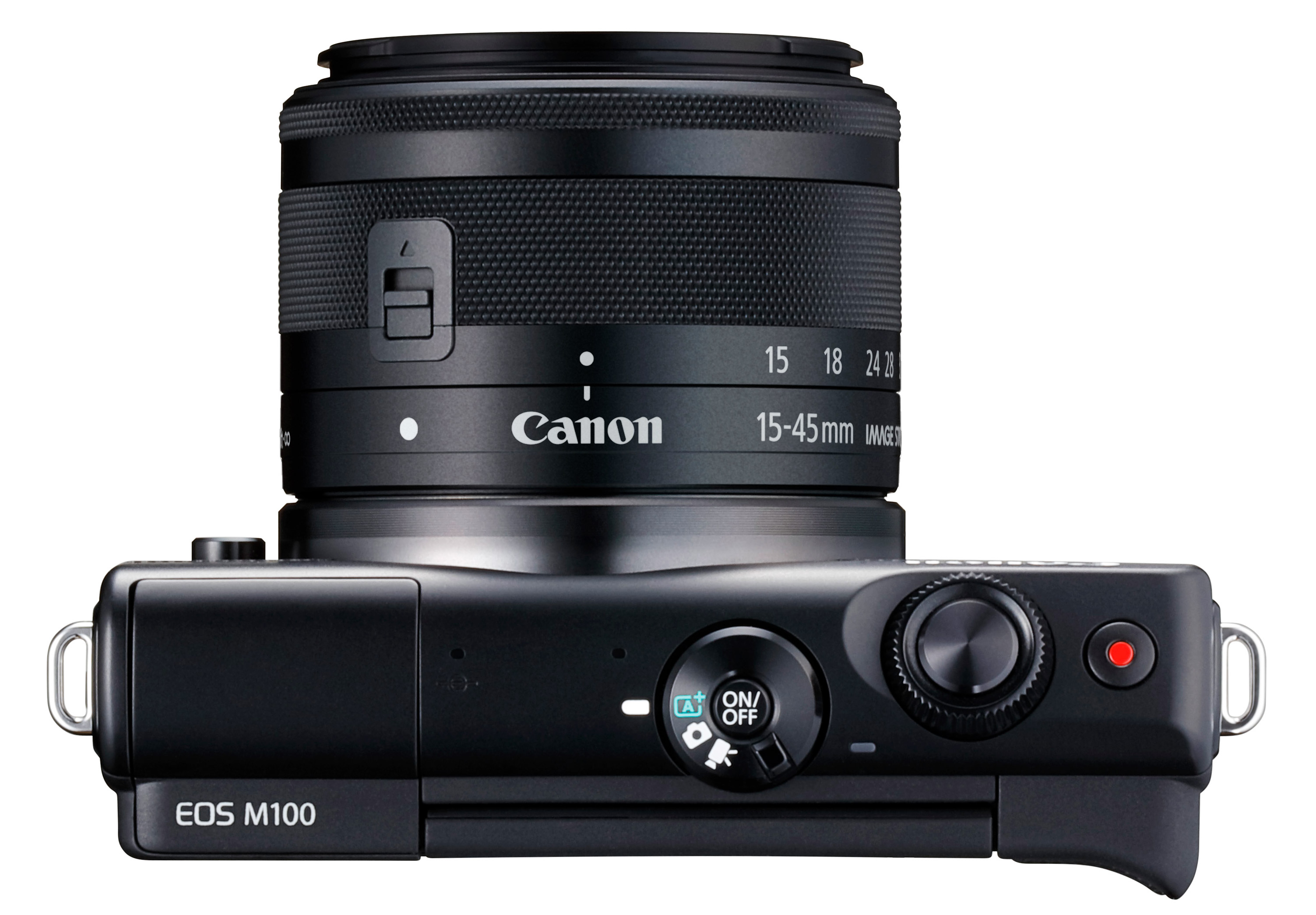
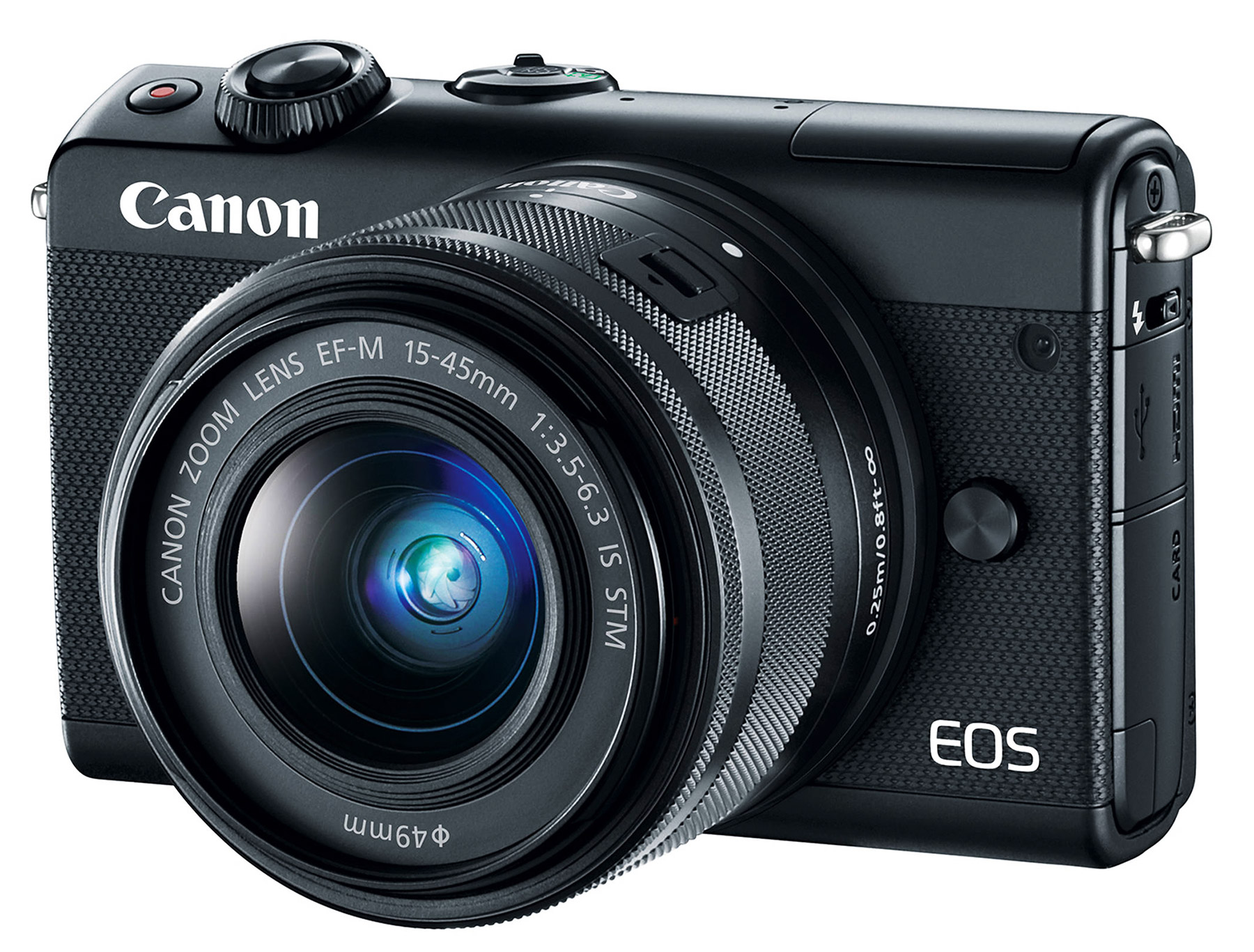
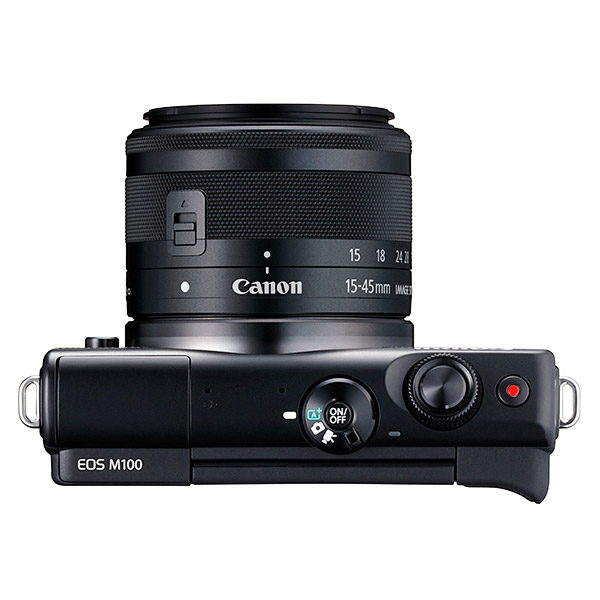
Opinion: Taken in place of the old Olympus E-PL3, attracted by the larger sensor and with apparent excellent value for money. Confirmed. The low cost of the kit (which also has a very good optics, see my review of 15-45) involves only a very basic construction, lower than the PEN of Olympus, with "plastic" everywhere, very essential finishes and feeling of little solidity; The USB cable is also not provided. For the rest, the M100 has great potential, I think, despite its small size. Small but "badass." The shades of color and dynamic range do not seem too far from my Nikon FF D600 (although the difference remains clearly visible); this is confirmed by DxO tests. The noise seal is very good up to about 3200 ISO. The machine turns on silently and is ready to shoot in only 1s, which I really appreciated compared to the E-PL3. The settings, tab writing of 14-bit RAW, zooming and scrolling images are very fluid. You must use touch to select P/A/S/M modes or the focus area. I have to mention here an important flaw of this: it is activated from virtually any surface (I think it is sensitive to pressure and not capacitive), so bringing the machine around the neck, ready to shoot, is the end! Fortunately, you have the essential setting, "Automatic touch screen lock", to be set absolutely to 3 s if like me you turn with the car on and ready not to miss the moment. It should be noted again, among the pros: the AF with an innovative phase detection technology ("Dual Pixel") and non-contrast, which makes it much more difficult to miss the point of fire, and the AF almost always accurate even in conditions of little light (except, automatic detection of the faces does not work very well, sometimes focuses on the waist, backwards). The matrix display almost always retains the highlights underexposing the shadows, wise choice for recovery. Among the shortcomings, however, I would have liked a few more settings: for example: - The ability to allow the shot in an AF way even when the AF fails ("shutter priority"), serious if it were not that the M100's AF is great - The ability to specify a maximum laying time in Av mode (fixed at 1/60" unless you reach ISO max) - The ability to set a color space for JPEG other than sRGB (it is done only via software and on RAW) - There are two buttons of type "Fn" (REC and asterisk), but with very few functions setbi As I rate 8, because the sensor is great for the category and price of the kit as well, but there are some shortcomings in the design (see Cons). However you get used to it early, and I recommend it a lot, to combine portability and quality along with the 15-45mm and 1-2 fixed optics. I would add that it seems to me "semi-tropicalized": I used it, a little recklessly, with 15-45 to resume an event under an insistent English drizzle, for a good half hour, and so far it seems to have held up very well despite the lens and the upper side of the body were just wet. |


 The following opinions have been automatically translated with Google Translate.




















 JuzaPhoto contains affiliate links from Amazon and Ebay and JuzaPhoto earn a commission in case of purchase through affiliate links.