|
| sent on 25 Gennaio 2021
Pros: Small and light, built-in lighting, price
Cons: Poor opening
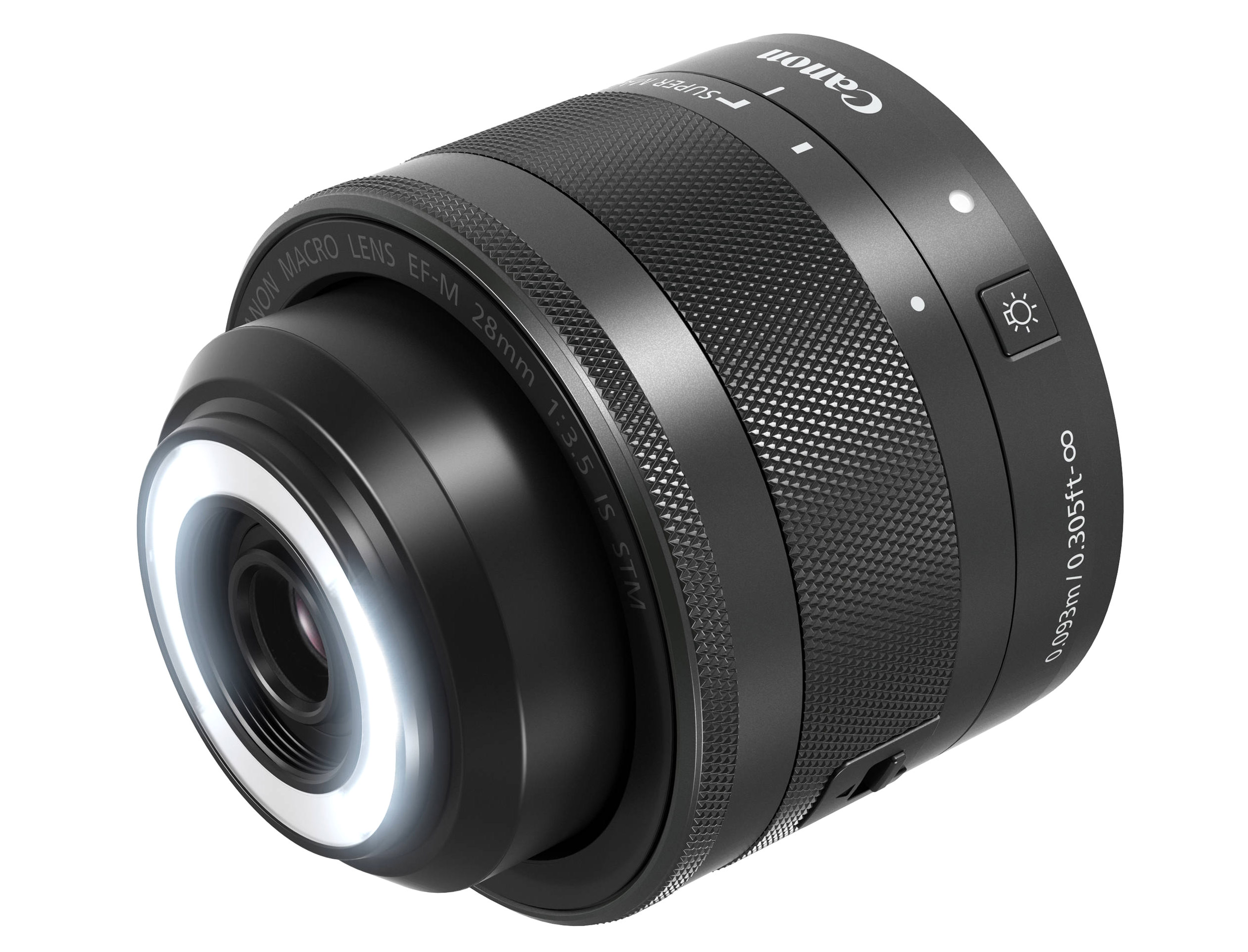
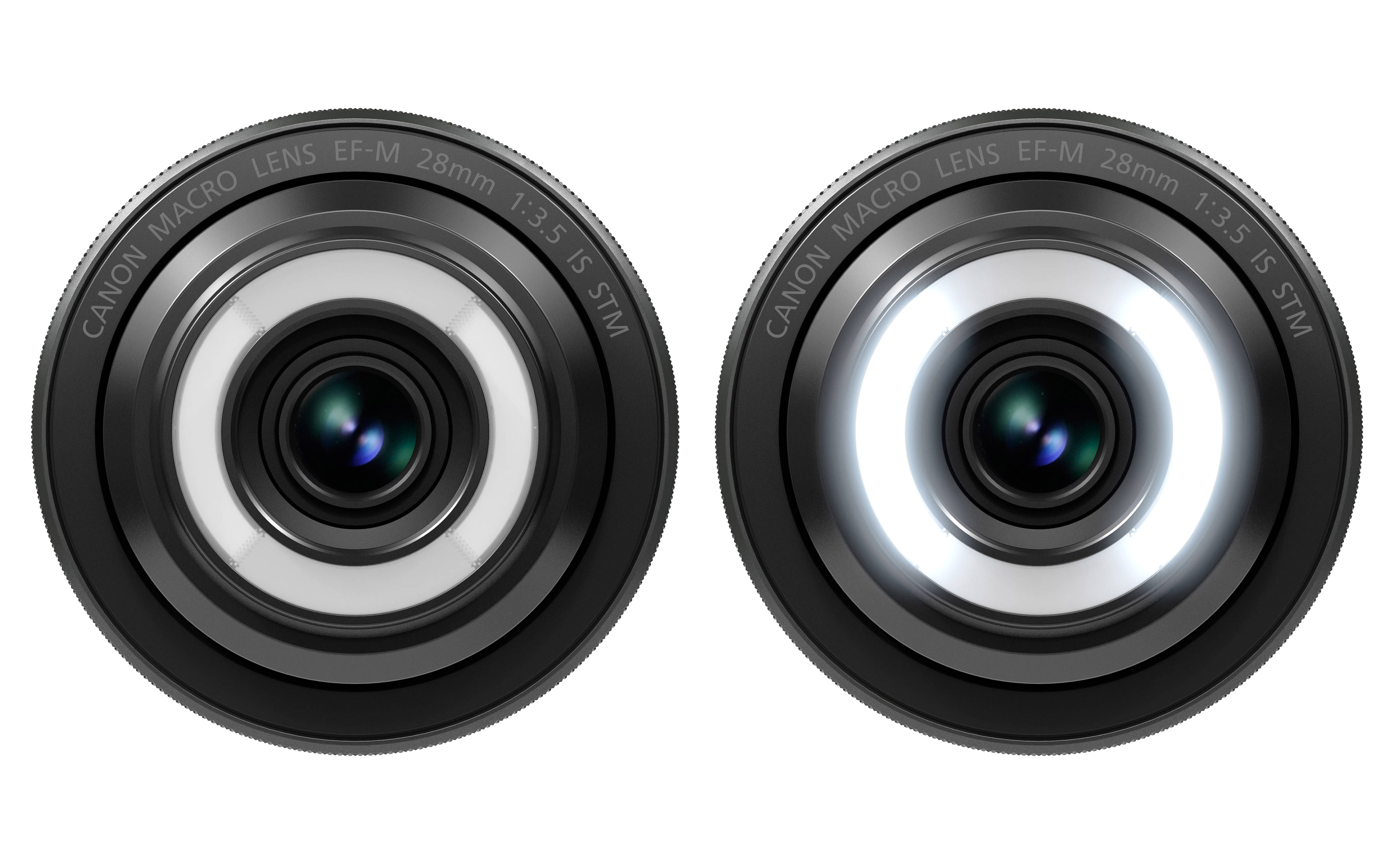
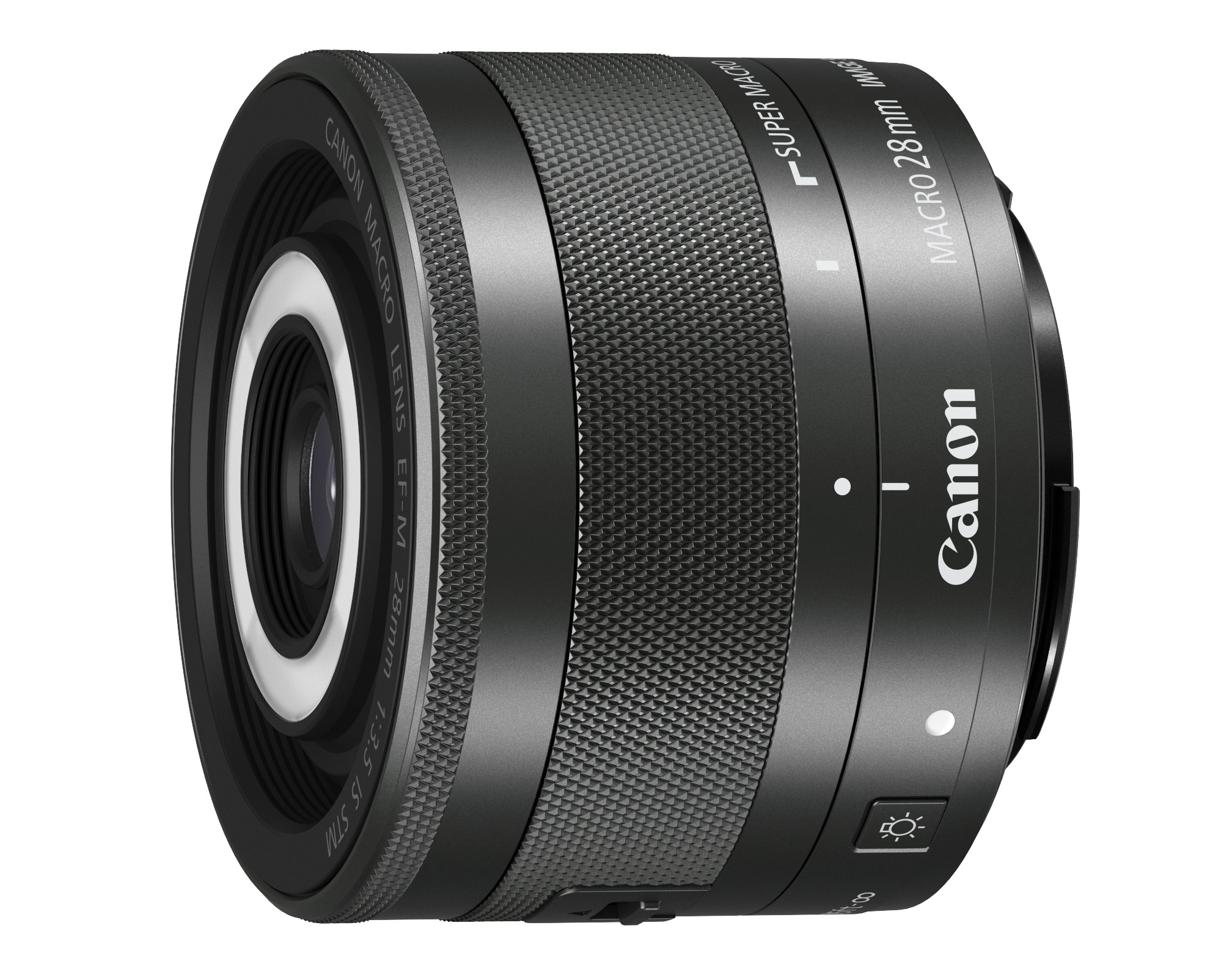
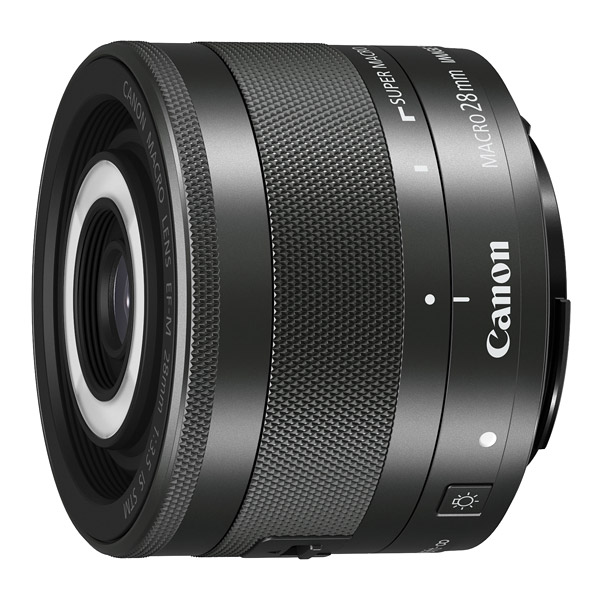
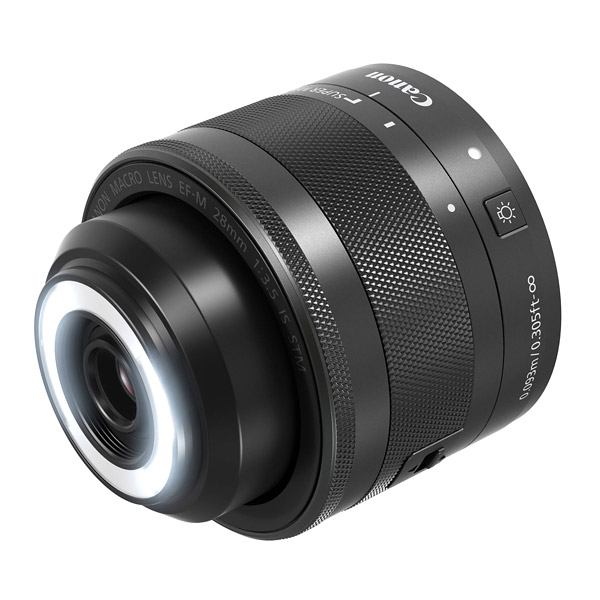
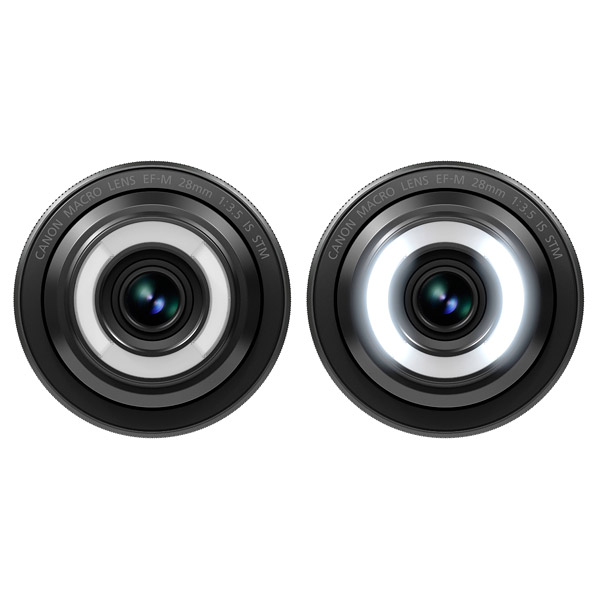
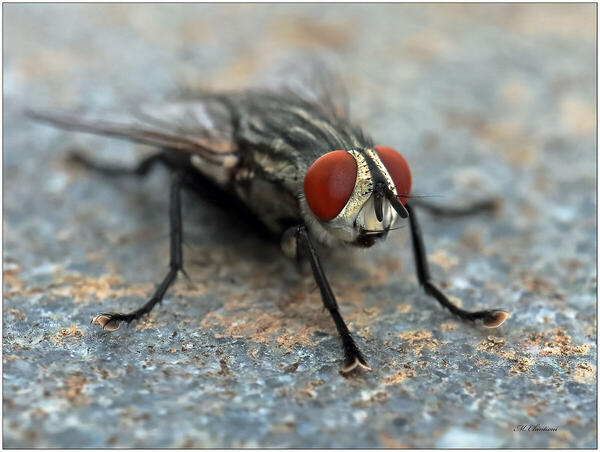
Opinion: Taken on a "global" ecommerce site for less than two hundred euros. Within three weeks of ordering, the box arrives very damaged, and held together in the bottom by a sin with Chinese characters. It is not sealed, it lacks the instruction leaflet (not bad, but it has evidently been opened) and that of the guarantee. However, the lens is perfect, with the two caps and a metal "proteggiled" (Canon ES-22) that also does in a certain sense as a lampshed, naturally removable to the need. That is an essential objective. Macro, with integrated lighting, two-intensity plus deactivation, through repeated pressures of the special key card, which in my opinion sins in not being backlit, and always for the happiness of the short-lived batteries of the M. Addirittu system the unlocking handcuff (which non-dramaticly extends the lens) gives the possibility to access the additional supermacro mode, and this confirms the official data of the nine centimeters of minimum focus distance from the sensor, occupied in large part by the lens. It is clear that you take it for that, having on the one hand the 22 f2 and on the other, for example, the 40 pancakes (with adapter): the lighting is decisive, especially with non-smooth surfaces such that they would literally reflect its shape. In my opinion, a third ring is missing for the fine adjustment of the lighting, but it does not matter: space should have been identified, and the choice of lightness and portability excluded it by creating a slightly dark fix. The maximum aperture of f3.5 is certainly not a first, and the bokeh is what it is. In difficult situations, however, stabilization helps, another of the advantages of this small sample, but in supermacro mode (as already highlighted by those who precede me) going out of focus is really a moment. In my opinion, it is the lens that makes the M system definitive on the others (mirrorless aps-c and m4/3) as well as establishing its economic convenience. Photographing macros has never been easier: small objects are approachable at will, LED lighting lowers ISO's hunger and this in resolute sensors gives more possibilities for crop. On the Eos M3 the integrated flash is very strong CMQ (even at minus two stops of discharge intensity) compared to the lighting of the right LED, which little compensates (to activate only one of the two side LEDs must be pressed for a long time and then several times the appropriate key, up to the active side and the desired intensity). EDIT: the proteggiled ES-22 Is the lampshed! :P |


 The following opinions have been automatically translated with Google Translate.

































 JuzaPhoto contains affiliate links from Amazon and Ebay and JuzaPhoto earn a commission in case of purchase through affiliate links.