|
| sent on 08 Ottobre 2019
Pros: Small footprints, contained chromatic aberrations, attractive prices if purchased used
Cons: Microcontrast levels not very high, especially canvas side, optics very sensitive to the backlight
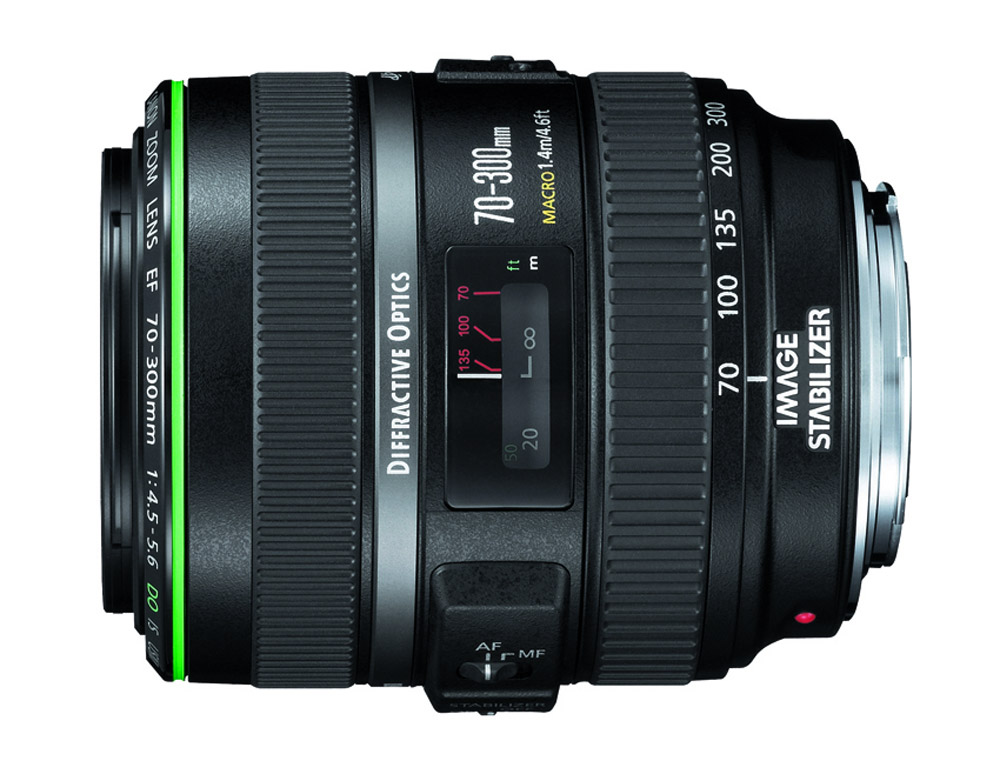
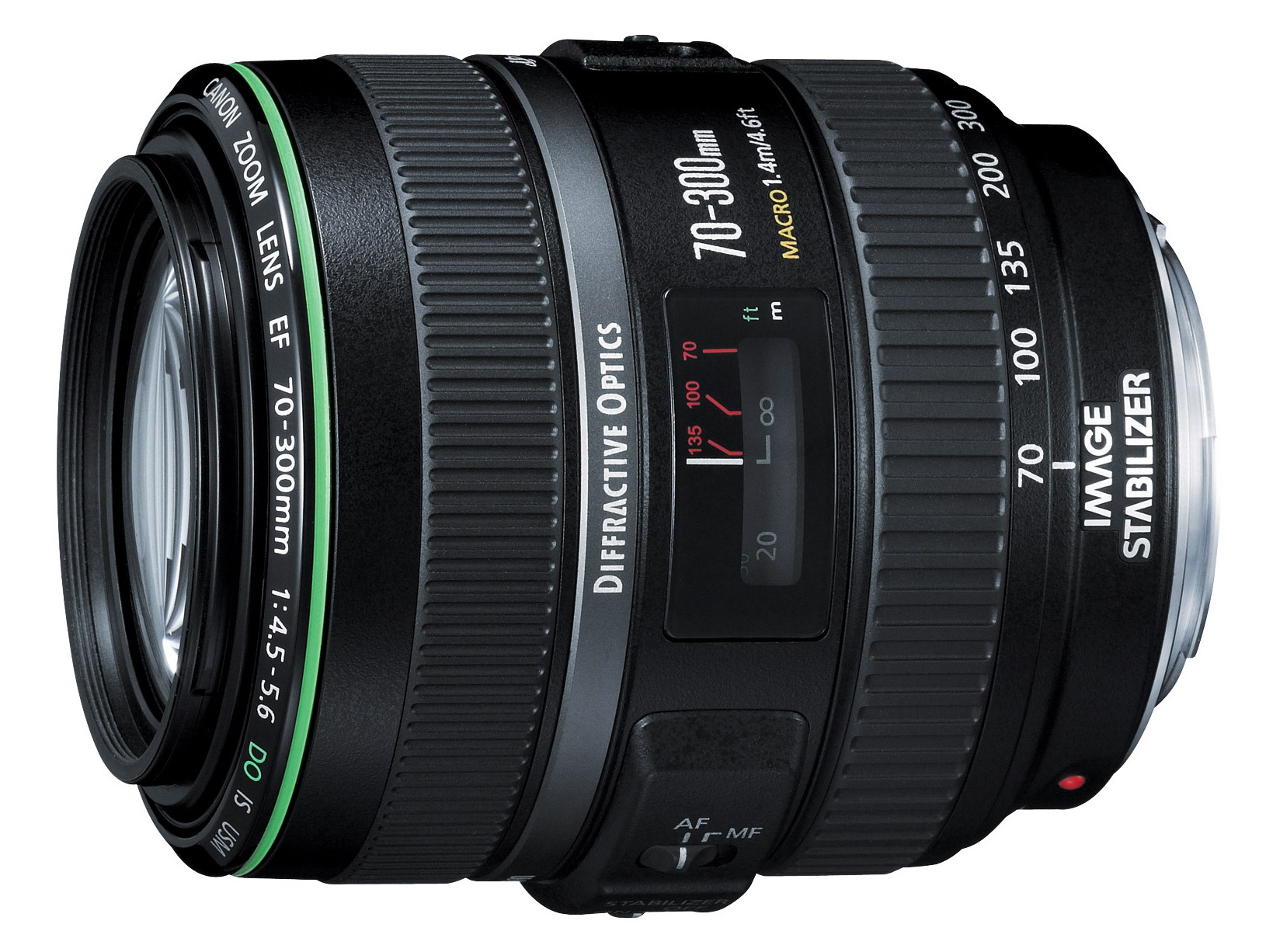
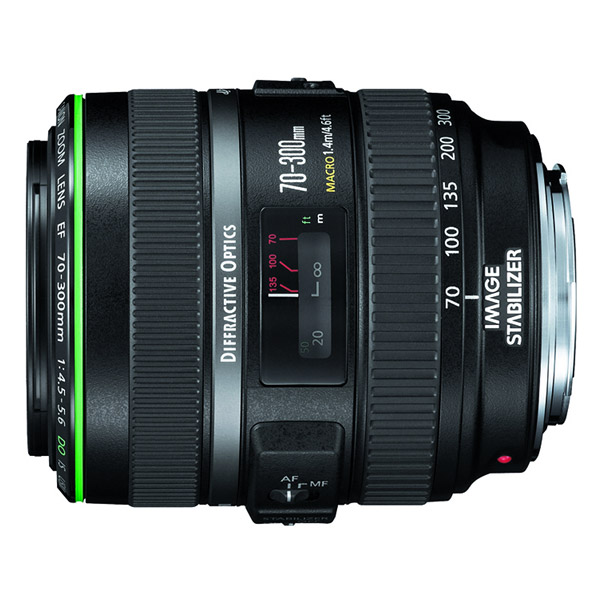
Opinion: It was the first, as well as the only (at least as of the date of this review) optical zoom produced by Canon with DO technology. This technology allows to contain the dimensions of optics, compared to a traditional solution, wanting an equal level of correction of aberrations: in fact, in the second case it would be necessary a greater number of lenses, with particular materials (e.g. fluorite). On the other hand, the processing is extremely complex, so much so that according to Canon for the DO element the required precision comes to the micrometer: consequently the costs are quite high, and have an unpleasant impact on the price of optics (it is out of production since 2016, although at the moment it is still listed), substantially equal to that of 70-300 f4-5.6 L is usm. In short, the strengths are the small size (at least with the zoom in the wide-angle position) and the good correction of aberrations, as well as good build quality (better than the 70-300 mid-range, which however are less expensive). On the other hand, the microcontrast is not very high, especially on the canvas side: I knew what to expect, and I acquired the conscious optics of such limitation. It is certainly better than a 75-300, but it does not reach the levels of the current 70-300 II is usm. The 70-300 DO has several backlight flare problems: it was one of the flaws of the first generations of Canon's DO targets, with the addition that at the time the anti-reflective treatments of the lenses were not comparable with those of today. With regard to autofocus, the lens was commercialised in 2004, and adopts an old-fashioned ring usm unit, less sophisticated than today's: similar discourse for the stabilizer, noisy and less effective than the current ones. In these respects, the gap with 70-300 II is usm is considerable, since the nano usm unit is very fast, and works better with the dual pixel cmos, especially in movies; the stabilizer of 70-300 is II is quieter and much more effective. In short, unless collector's interests, I would not recommend such an optic: the 70-300 is II is on average higher in all respects, and is new to the figure to which you can find a used 70-300 DO, in a store. In my case, however, the clutter factor was the key point (I own both a 70-200 f4 is and a 100-400 II, but in some cases they are excessively cumbersome and flashy), and I found a specimen of 70-300 DO at a very low price, causing autofocus problems , then resolved with the replacement of the engine usm (150 euros). |


 The following opinions have been automatically translated with Google Translate.















































 JuzaPhoto contains affiliate links from Amazon and Ebay and JuzaPhoto earn a commission in case of purchase through affiliate links.