|
| sent on 19 Dicembre 2024
Pros: image quality, f2.8 aperture, focus preset, manual focus with multiple options for
Cons: No stabilization, old-fashioned autofocus, lack of service support and spare parts
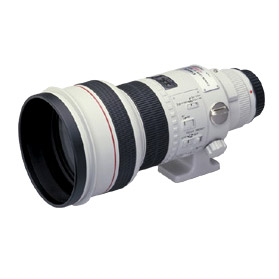
Opinion: The EF 300mm f/2.8L usm was the first L-series supertelephoto lens with an EF mount, released in 1987. For the time it was an excellent lens, in terms of image quality and autofocus performance, which for the time was something still in its infancy (the first EOS 1, from 1989, had only one focus point). Today, of course, it gets better: the only reason to prefer the EF 300mm f2.8L usm to the IS and IS II versions is the lower price. That said, the optics still have merits. The image quality, for example, is still more than satisfactory with digital cameras, even at the maximum aperture of the diaphragm: clearly the microcontrast levels do not reach those of the IS and IS II versions, but at the time there were also different standards, with film SLRs. The f2.8 aperture, together with the 300mm focal length, is the main attraction. With the addition of extenders, especially the 2x, there is a fairly noticeable drop, but the result is still acceptable, and you have a 600mm f5.6 equivalent on your hands. As for the autofocus, it is a system from 37 years ago: the focusing speed is not very high (a 100-400 II is much faster) and, with the addition of extenders, it drops further. The electronics are also of old conception, so even coupled with a camera with high-performance autofocus, the optics can be the bottleneck, as far as autofocus is concerned. Not surprisingly, one of the improvements of the IS and, above all, IS II versions is the autofocus. The lens has an electronically controlled manual focusing system: it is possible to vary the travel of the ring, i.e. the ratio between the angle of rotation of the ring and that of the usm motor. This makes it interesting for video applications. In addition to the usual focus distance limiters, there is also a useful focus preset: this function allows you to memorize a focus distance, and to make the lens return to that position: this is very useful if you photograph subjects at a great distance, and want to avoid unnecessary focusing. This feature is not usable with Canon mirrorless cameras (M or R), however. The dimensions are completely similar to those of a 300mm f2.8 today. As for the weight, there is a difference between this and the ef 300mm f2.8 L II usm there is about 500g of difference. The handling is good, although the weight (and the imbalance towards the front) is noticeable. Personally, I use a pistol grip connected to the tripod mount, to have greater stability in the management of the optics. Last but not least, there is the question of assistance. The lens has been out of the market since 1999, and Canon has not supplied spare parts for decades (except perhaps for a few screws): the example I bought had a worn coupling flange, which caused excessive play and consequent errors on the camera side, but the component was nowhere to be found. On the contrary, Canon modified the internal part of the coupling flange, during production, so there was also the problem of finding the correct spare part: fortunately the seller saved me, who had another ef 300mm f2.8 L usm, from which he took the coupling flange (worn, but less than mine). This, with all due respect to those who claim that L-series optics are eternal or similar amenities. All it takes is the wear of a relatively trivial component to find yourself with a problem that cannot be solved, if spare parts are not found. Personally, I knew what I was up against, and I took the risk, but personally I wouldn't use such a perspective on a professional level. In other words, if you need it for work, I think it's better to aim for something newer. |


 The following opinions have been automatically translated with Google Translate.














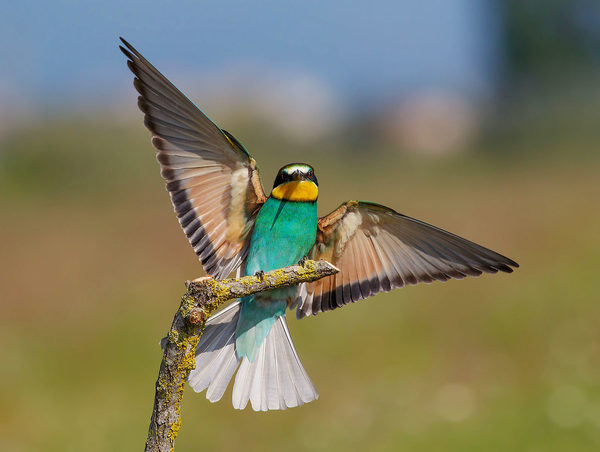

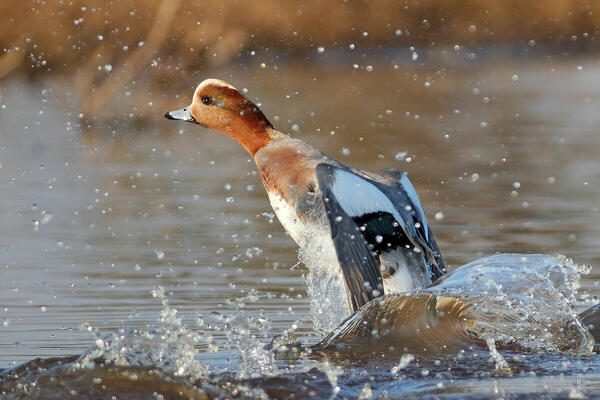



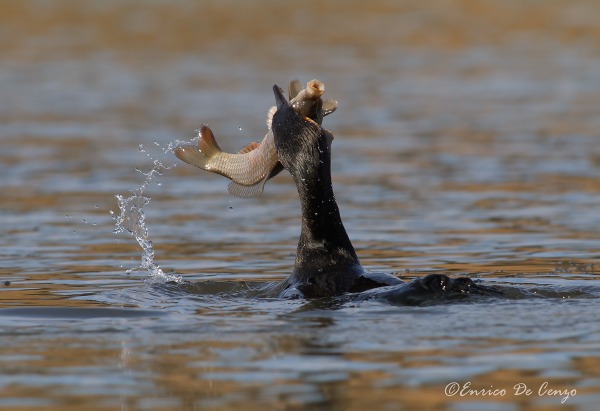


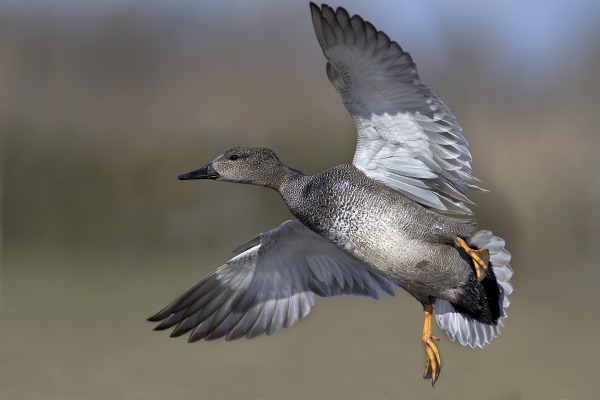





 JuzaPhoto contains affiliate links from Amazon and Ebay and JuzaPhoto earn a commission in case of purchase through affiliate links.