|
| sent on 22 Maggio 2024
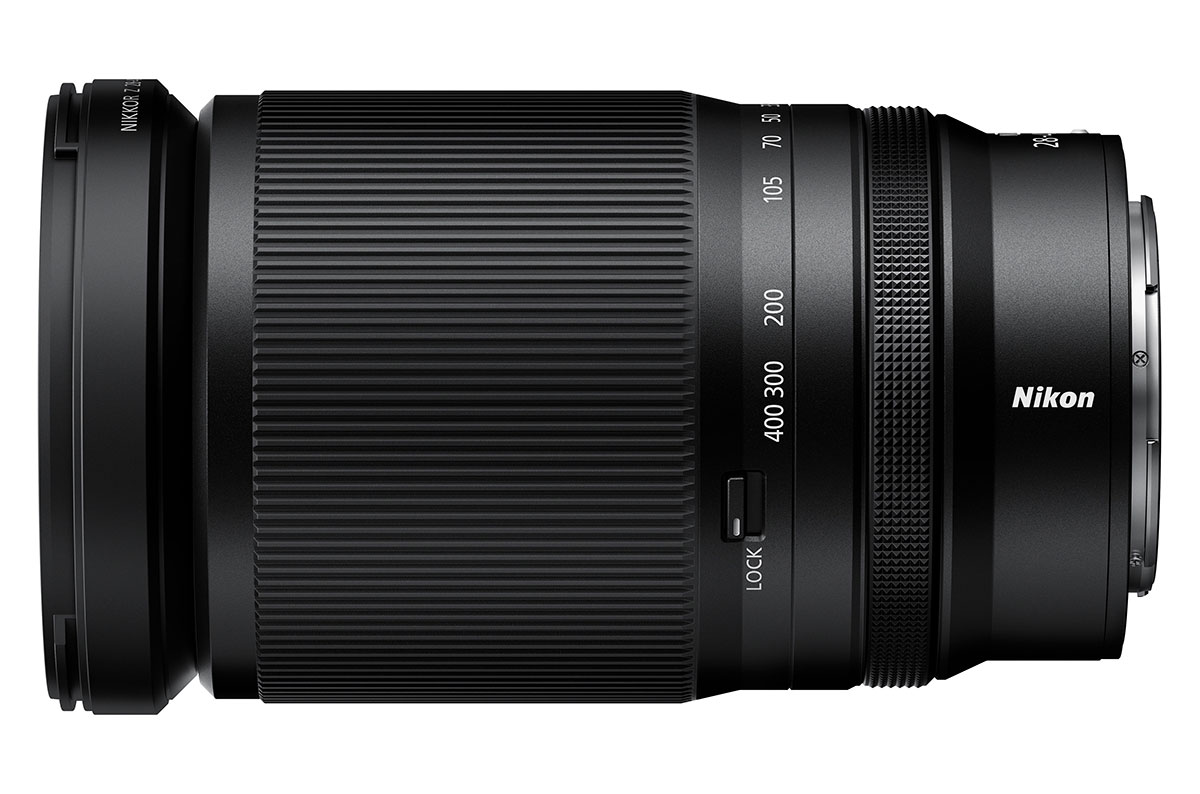
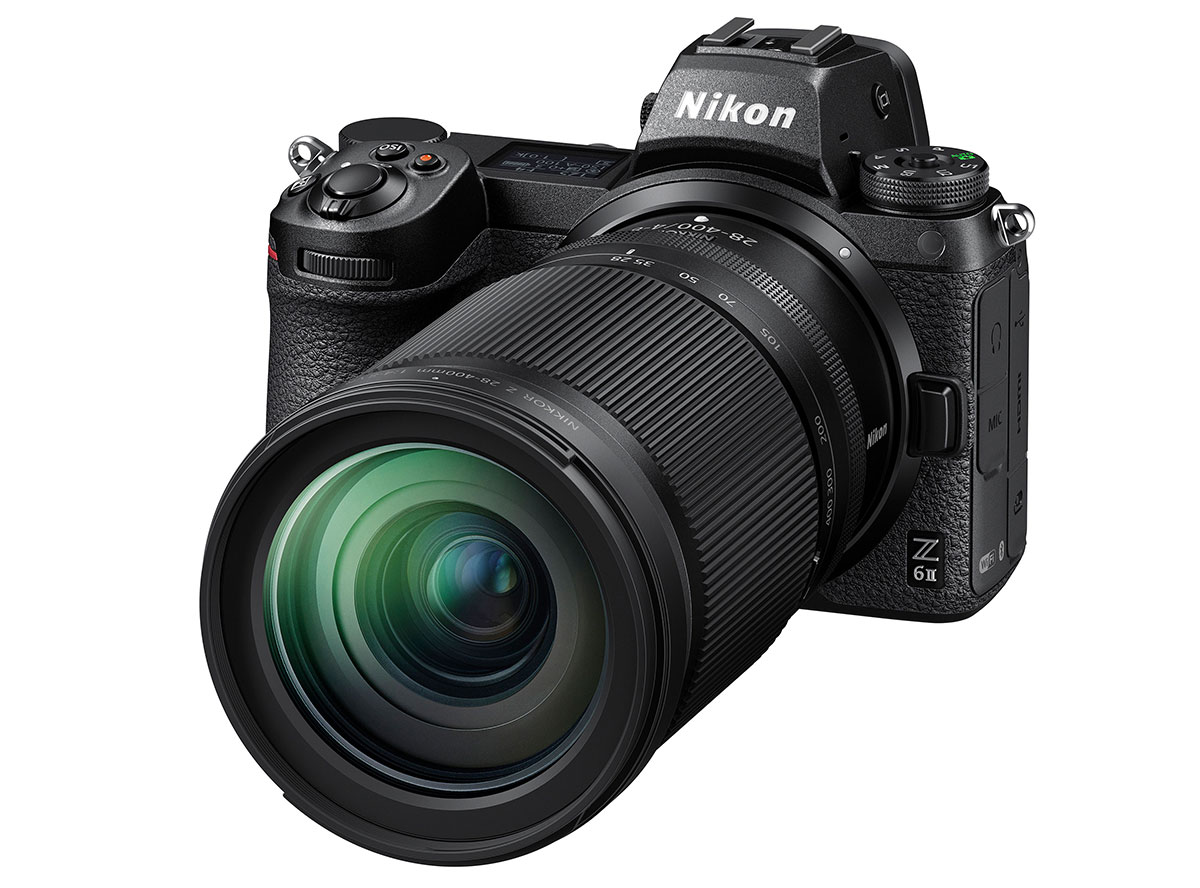
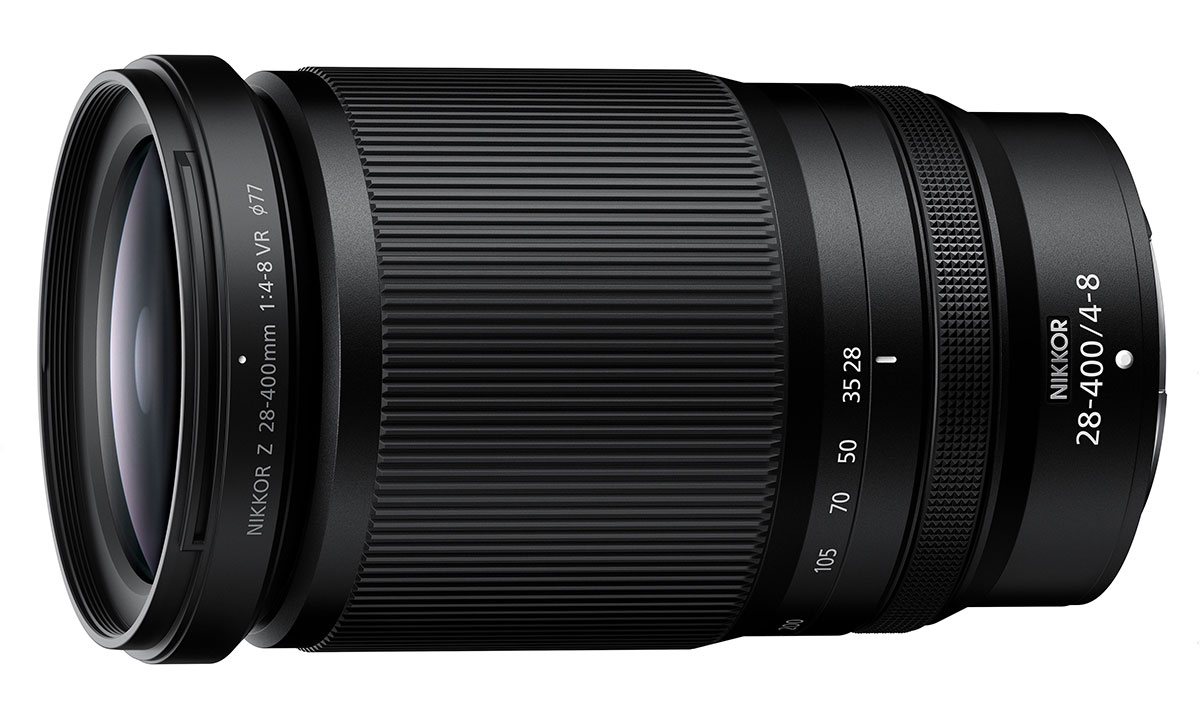
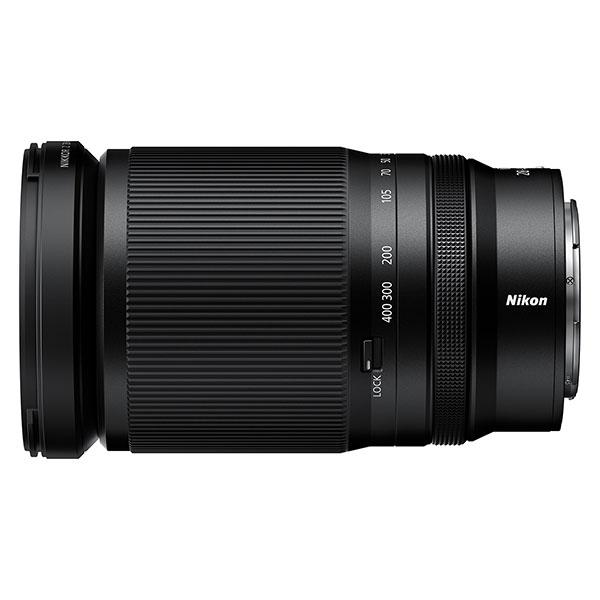
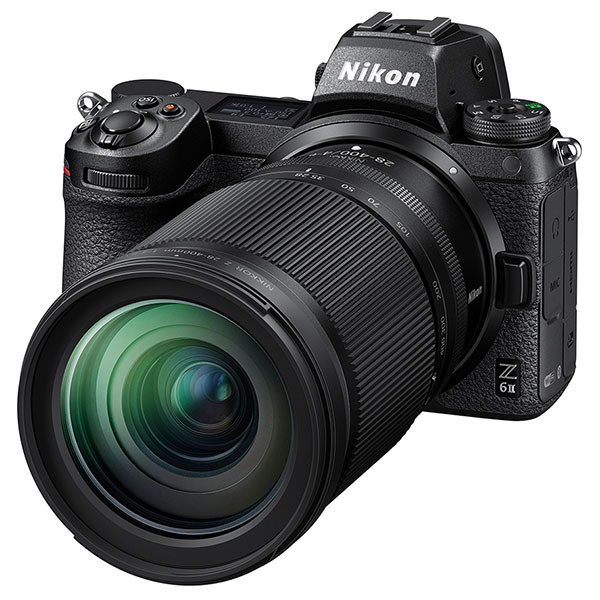
Pros: Very good on all focal lengths. Light. Compact at the lowest focal length, it lengthens by increasing the focal length. Very comfortable and creative lens. It allows you to range over any type of frame. Very good stabilization. It's not macro but it allows 'almost' macro shooting, meaning very close (obviously not at macro magnification but almost).
Cons: Dimly lit.
Opinion: I think it's a unique lens (at least until now), as it allows you to photograph from 28mm to 400mm. I find it very convenient (on bright days) for long walks, for trips, for excursions, for general photographs. Optical performance that once did not even exist with zooms with a shorter focal range and that today is really very good despite the considerable excursion. Well stabilized. What is it and what is it not? It is not (and should not be thought of) as a lens that replaces a kit. Optically (in terms of focal lengths) it certainly replaces a kit, but it is wrong to think that it is the same thing and you must avoid making comparisons with other kinds of lenses. It's pretty obvious (and it needs to be very clear) that a 28-400 f4/f8 can't (and shouldn't) be compared to any other lens. It will never be as good as a fixed camera, it will never be as good as a much brighter zoom with a shorter focal range. It is a fact linked to the type of project. When is it good? Always, whenever for whatever reason you want to have a wide focal range but you don't want to or can't carry numerous lenses with you. Comparisons like this should be avoided, but if I want to do macro I bring the 105 Micro Z vr or the 50 MC (very true but if I don't want to and can't take them with this I can settle for close-up shots even if not macro in the true sense of the term), but the 24-120 f4 is much better (certainly but it stops at 120), but the 28-400 starts from 28 and not from 24 (but what does it matter to you? bring the 14-30 if you need a wide angle, or bring the 24-120 if you don't have to go up to 400 which from 24 to 120 is certainly better), but the 70-200 f2.8 is another thing (obviously yes, but bring that and then also a 100-400 or a 180-600 or a fixed 400 and then you have to cover the focal lengths below 70 And if you don't need focal lengths below 70mm, what are we talking about? it's not the lens for you). Is it good for photo hunting? In my opinion it is not recommended as a lens for that purpose, but if you go out with only the 28-400 you can also do photographic hunting (but you don't have to choose it for that precise purpose, there is better). That is, it is an excellent lens (28-400 f4/f8, to be emphasized and kept in mind), versatile, universal, which knows how to do everything and in the best way (in bright light or going up in sensitivity with the sensor and then maybe using an excellent noise reduction SW), it has no terms of comparison with other lenses, as any other lens does not have this focal range, But it should also not be compared (in terms of quality and performance) to lenses with a shorter focal range designed for more specific uses. If you know a priori what you will have to photograph and you can bring brighter, fixed or zoom lenses with focal range, it is better to bring those, weight permitting. If, on the other hand, you photograph for pure pleasure, on a bright day, you have a camera with a sensor that holds noise well at high ISO (and maybe then uses the noise reduction SW), with the 28-400 you can take all kinds of photos from almost macro to super-telephoto with a single body and lens. Considering the excursion, it is really a very well made and correct optics. |


 The following opinions have been automatically translated with Google Translate.


 JuzaPhoto contains affiliate links from Amazon and Ebay and JuzaPhoto earn a commission in case of purchase through affiliate links.