|
| sent on 16 Ottobre 2020
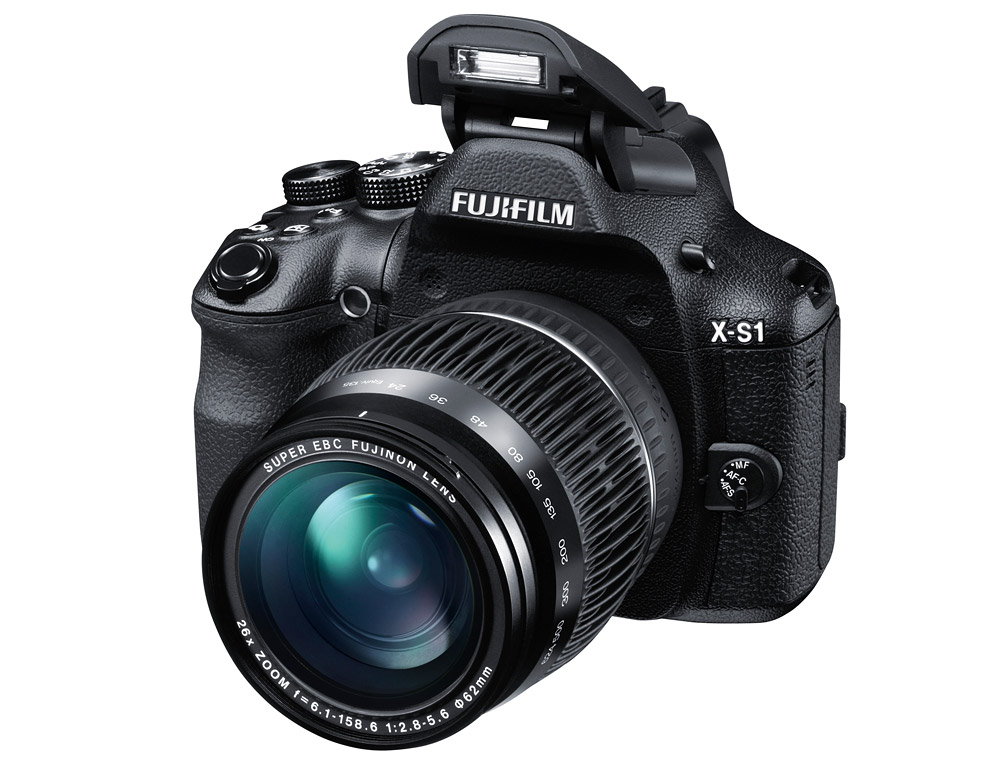
Pros: Very robust body with excellent grip, very valid optics for the entire extension, except for the canvas extremes a little less incisive (as is logical to expect). Good stabilization, some features useful to compensate for the limits of the sensor ("Pro little light"). Central shutter that then allows flash synchronization on all times. Metal lampshed (just to emphasize the care of the realization).
Cons: Fujifilm did not consider evolving the camera as it did with the X10, creating the X20 equipped with an X-trans sensor; an X-S2, with this hardware and the insertion of a sharper sensor and the most usable ISOs, would have defeated the competition. One consequence of the central shutter is that at larger diaphragms the minimum shutter time is less rapid than narrower ones, which can cause surprises. The machine does not have the Q-menu, which instead had been implemented in the X10 with firmware update, and this nowadays can annoy. In some configurations the photos produced are half resolution, i.e. 6 mpx; to some they may seem a little.
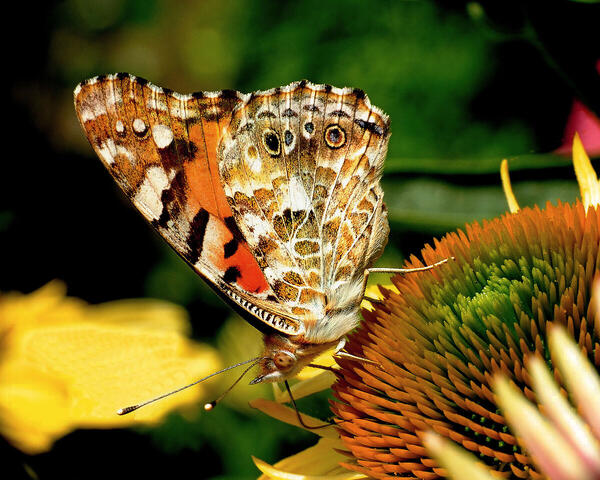
Opinion: A safe, solid, very versatile machine, of very high quality. When you don't know how to compose your photo bag, you stick your X-S1 in and you don't feel like you need anything anymore. Of course we are talking about a bridge and with the same light conditions an X-H1 with the right lens will give better results, this is obvious, as is the fact that a FF sensor, APS-C (better if X-Trans), or m4/3 is better than the 2/3 inch Bayer that equips the X-S1. However, it is often a question of balance and in X-S1 colour, sensitivity, autofocus and practicality of use are balanced extremely well; the photos have a unique color paste and detail, which in many cases I do not know how else you could get, merit in equal parts of the sensor, which is the same as the X10 and XF1 and the same generation as the X100 with which it shares the battery, and the optics that is a mixture of resolvency and versatility. Once you reach the ISO limits of the sensor you can rely on electronic options including "Pro little light", of the Advanced section, which stacks 4 shots (or less, if the light is not poor) with results that exceed expectations. The shutter is central, so not being a curtain like most other machines means that it has particular characteristics, which I expressed between the PRO and CON, not because they are real advantages or disadvantages, but to point out that these are peculiarities that can be felt as limitations or as splendid opportunities (being able to use the flash with any shooting time is no small matter). Of course, given the seniority of the project, some technical contents are somewhat outdated: the electronic viewfinder and the monitor have fewer pixels than the most recent ones and the controls are grouped according to a somewhat outdated logic. Fujifilm also soon forgot this model during its updates and did not feature the very comfortable Q-menu, as it did for sister X10. This is a real shame. Despite its limitations it is a real camera, equipped with a strong personality and able to support (and endure) for a long time the photographic manias of anyone. |


 The following opinions have been automatically translated with Google Translate.










































 JuzaPhoto contains affiliate links from Amazon and Ebay and JuzaPhoto earn a commission in case of purchase through affiliate links.