|
| sent on 31 Agosto 2018
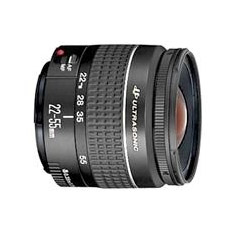
Pros: Extremely compact and light optics-focal length excursion from Ultragrandangle to normal focal lengths-unshowy and versatile lens, excellent for street photography-purchase price (used) extremely content
Cons: -Considerable flare problems (the ghosting is relatively small)-optical rendering not excellent, in terms of microcontrast and containment of aberrations-spare parts no longer supplied by the manufacturer
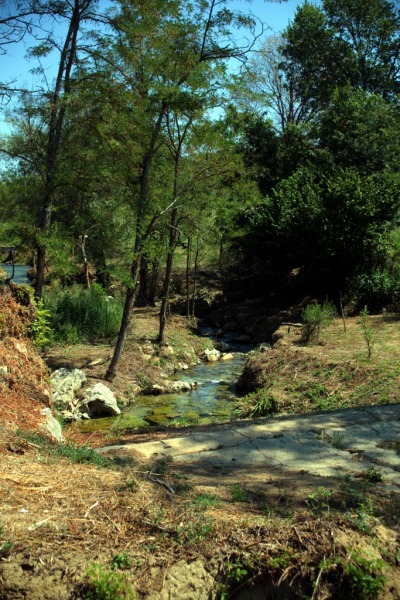
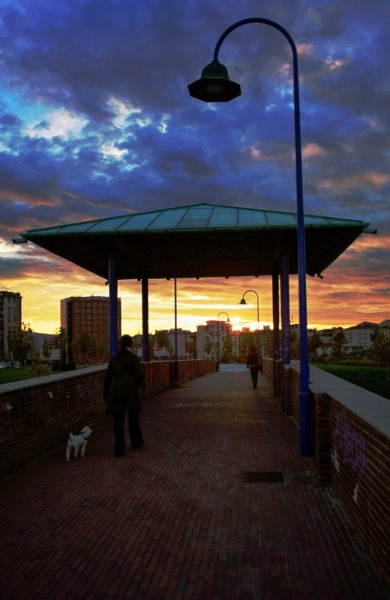
Opinion: It is a commercially introduced optics in 1998, and specifically intended for APS-film SLR cameras (very close to the surface and aspect ratio of an APS-H sensor). Having an EF attack is still usable on all EOS DSLRs so far produced. The primary merit is undoubtedly the compactness: the current EF-S 18-55 are heavier and bulky. Also, being able to switch from a ultragrandangular focal length to a normal one is more than appreciable. The optics equipped with a focusing unit with micro-USM technology: The front of the lens extends, during the focus. The speed of focus is not very high, but at least the noise is quite contained. Since it is a medium-low range optics, at a constructive level we cannot expect the standards of a L-series optics: There is wide use of plastic, also with regard to the bayonet coupling. However, since it is an object from 175g, it does not cause any problems whatsoever. In terms of optical rendering, of course the standards of the time must be taken into account, together with the constraints of encumbrances and costs. Using Fluorspar or UD lenses was therefore unthinkable, and therefore one cannot expect the level of aberration containment and MTF performance analogous to those of a 24-70 F4 is USM. That said, by closing the diaphragm to F8 or F11, the yield is also dignified wide-angle side, for prints up to the A4 format (at the limit working in post production files). The yield in the peripheral areas of the lenses, however, does not improve that much (especially wide-angle side): Of course, correcting the curvature of the field and contain the distortion is rather difficult, without adopting optical patterns of a certain complexity and cost . Therefore, anyone who is critical in terms of image quality is better than evaluate other, but can never have similar levels of compactness and lightness. Another limitation of the optical scheme, partly due to the fact that it was not designed to work with digital sensors, is the backlight: the ghosting is quite contained, but the flare is rather marked, so that the lights of lampposts are enough, in the evening , to cause problems. However, you can also deliberately exploit this to get certain types of effects in your photographs. For street photography, maybe coupled to one of the two EF 55-200 F 4.5-5.6 USM, I find that the EF 22-55 is an interesting option: inconspicuous, compact and lightweight, it allows to have a remarkable versatility of use. The optics can be found used around 50 euros or less: Unfortunately the spare parts are no longer supplied by Canon, so in case of malfunction it is better to look for another used specimen. |


 The following opinions have been automatically translated with Google Translate.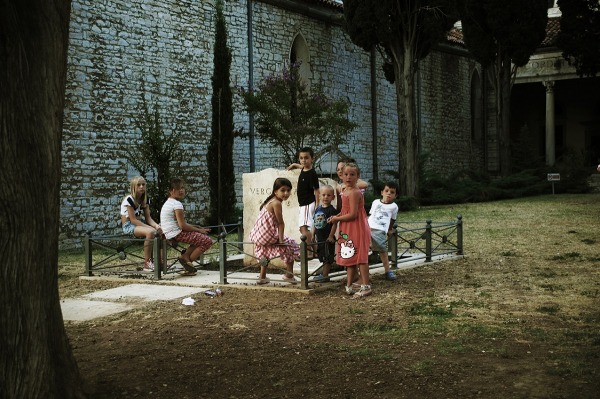











 JuzaPhoto contains affiliate links from Amazon and Ebay and JuzaPhoto earn a commission in case of purchase through affiliate links.