|
| sent on 19 Febbraio 2016
Pros: Build, Ergonomics, Finish, Sharpness, Useful angle of view, A pleasure to use, lenshood
Cons: Pronounced barrel distortion,Back focussing AF, backlit colour fringing at wide apertures noticeable in some conditions, image quality is/reported to be less than FX Art 35mm f1.4 and 50mm's, less common pre-owned in Nikon mount, 62mm filters large for a standard fixed lens.
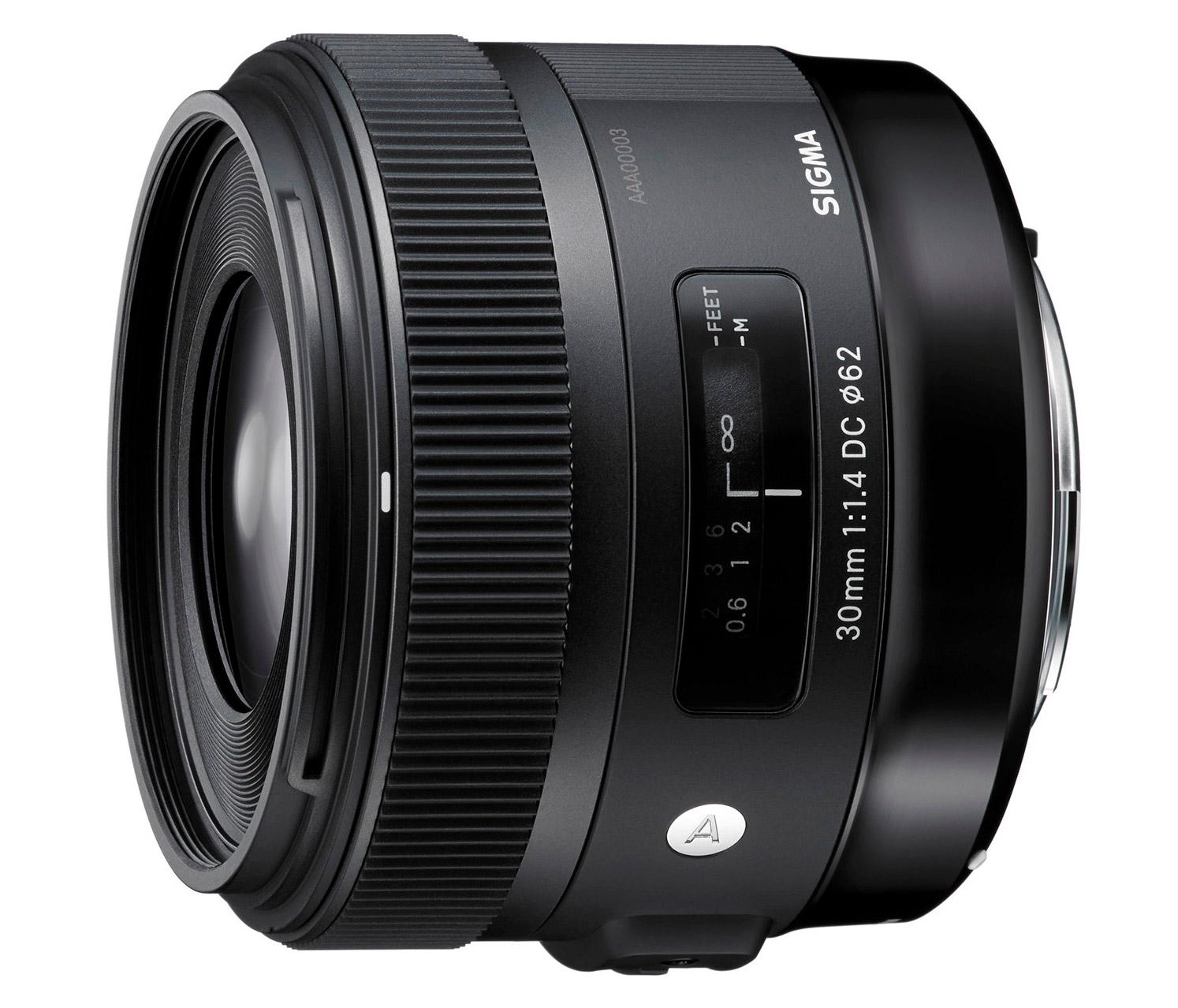
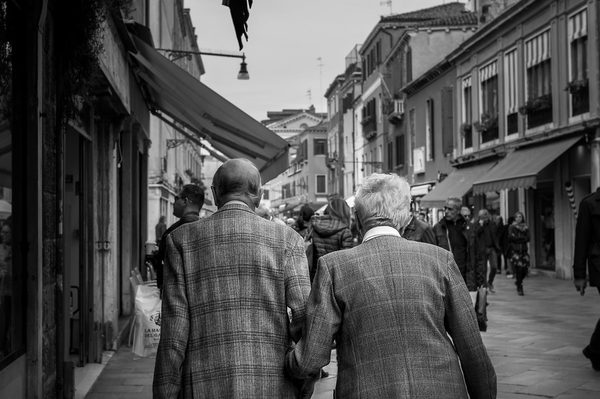
Opinion: Replaces my Nikkor DX 35mm f1.8, which did the job and had fine sharpness throughout the aperture range but was not a pleasure to use - and so I didn't use it much. The EX predecessor to this Sigma was apparently very popular but suffered very poor edge sharpness wider than f4, for some reasons, this Art replacement has not been that well received or that popular. Why? Possibly because it is so overshadowed by the (reported) ground-breaking performances of the FX 35mm and 50mm's f1.4. I've not had a chance to try either of these but would say that the 30mm DC is around 40% less expensive than the 35mm DG and has just one aspheric element, whereas the better two have more. So, look at this 30mm at providing a solid but not outstanding resolution curve, equating that of a more traditional 50mm f1.4 - though it out performs my old Nikkor D 50mm f1.4 wide open by a good distance. With this Sigma, you can use f1.4 should you wish to or need to use it, Open aperture's central definition and contrast is impressively very good, but won't blow you away. Corners don't fall off noticeably wide open either and on stopping down it gets better. At f2.8, interior shots handheld at 1/30 sec inside my local cathedral are punchy and sharp when viewing at actual pixels, across the frame, which is about what you would expect from a 'normal' quality 50mm f1.4. You could shoot between f2.8 and f8 happily all day knowing that resolution exceeds that of all current DX sensors. Smaller than f11 and diffraction kicks in and f16 is the minimum aperture. I also like the 45mm equivalent angle of view, that little bit wider than the 52mm of the 35mm Nikkor DX, which was just too long for street and environmental shots, which is where this Sigma excels. It's the same angle of view that the eye naturally takes in. Build quality and solidity is a major plus but is twice the weight of the little plastic Nikkor 35mm f1.8 DX and is almost as heavy as my Nikkor 16-85mm VR! But as it stubby and short, this size and weight makes it seem heavier than it is and on the D7000 does make for quite a well-balanced if rather heavy combination, which I rather like but not everybody will. Whereas the Nikkor was popped into a pocket for emergency lowlight use, the Sigma is carried like a celebrity, with its own proper case coming as standard. Now, the downsides - the AF on my sample backfocusses by quite a degree - a minus "12" (scale 0-20) is needed to be set in the D7000's 'AF fine tune' data bank. That figure is actually less than my Sigma's 24-70mm f2.8 and 70-200mm f2.8 Apo HSM, which require even more adjustment. The new Sigma "Dock" might rectify this but that's an option I don't want to try and is yet more expense, after all. For me though, the biggest fault is the rather marked barrel distortion - for portraits and live music shots this is not an issue but for interiors, then it definitely is. For a fixed focal standard it is unacceptable, but for me is the only bad point in an otherwise almost perfect package, a lens that is a joy to have on the camera and to use, to be proud of and which is an extremely sharp lens in almost all conditions. Many Nikon users will find their little cheap Nikkor 35mm f1.8 DX's perfectly adequate and will not feel the need to spend twice as much getting the vastly superior build quality, very usable f1.4 aperture and very much more pleasurable to use Sigma 30mm f1.4 Art. Canon and other users have less choice and so may be a much more attractive option. 9/10 |


 The following opinions have been automatically translated with Google Translate.

































 JuzaPhoto contains affiliate links from Amazon and Ebay and JuzaPhoto earn a commission in case of purchase through affiliate links.