|
| sent on 10 Ottobre 2025
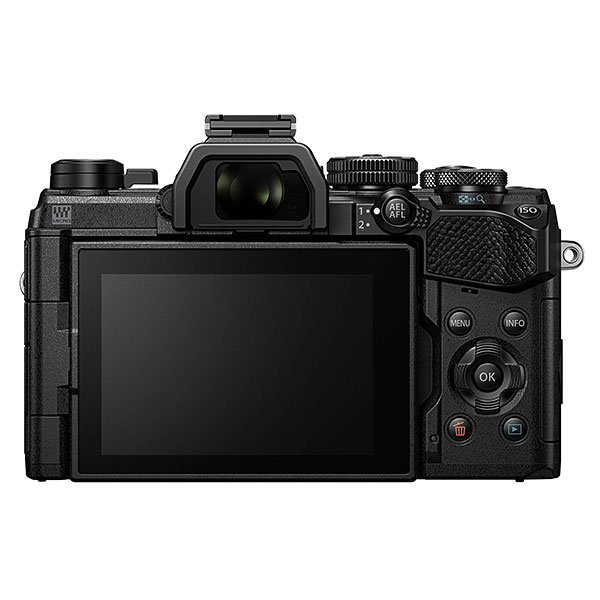
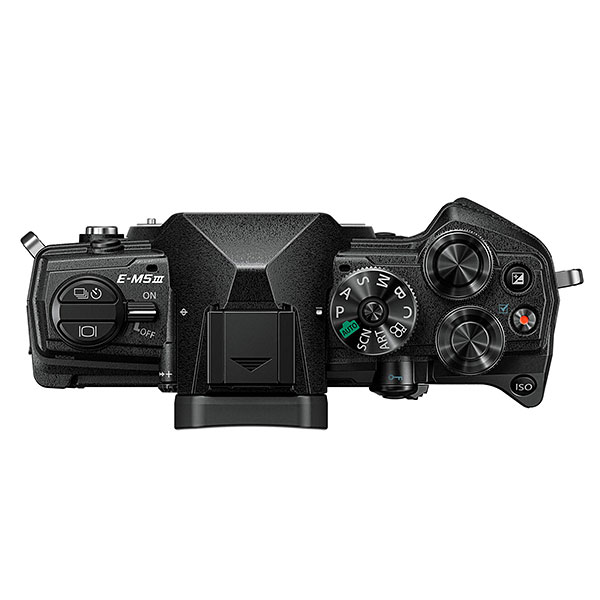
Pros: Compactness, Image quality, stabilization, robustness, good dynamic range considering the sensor, ISO up to 4000 ISO acceptance and containable in post, optical park
Cons: A bit plasticky, battery of 6 politicians, Iso above 6400, the menu (if you are not used to it)
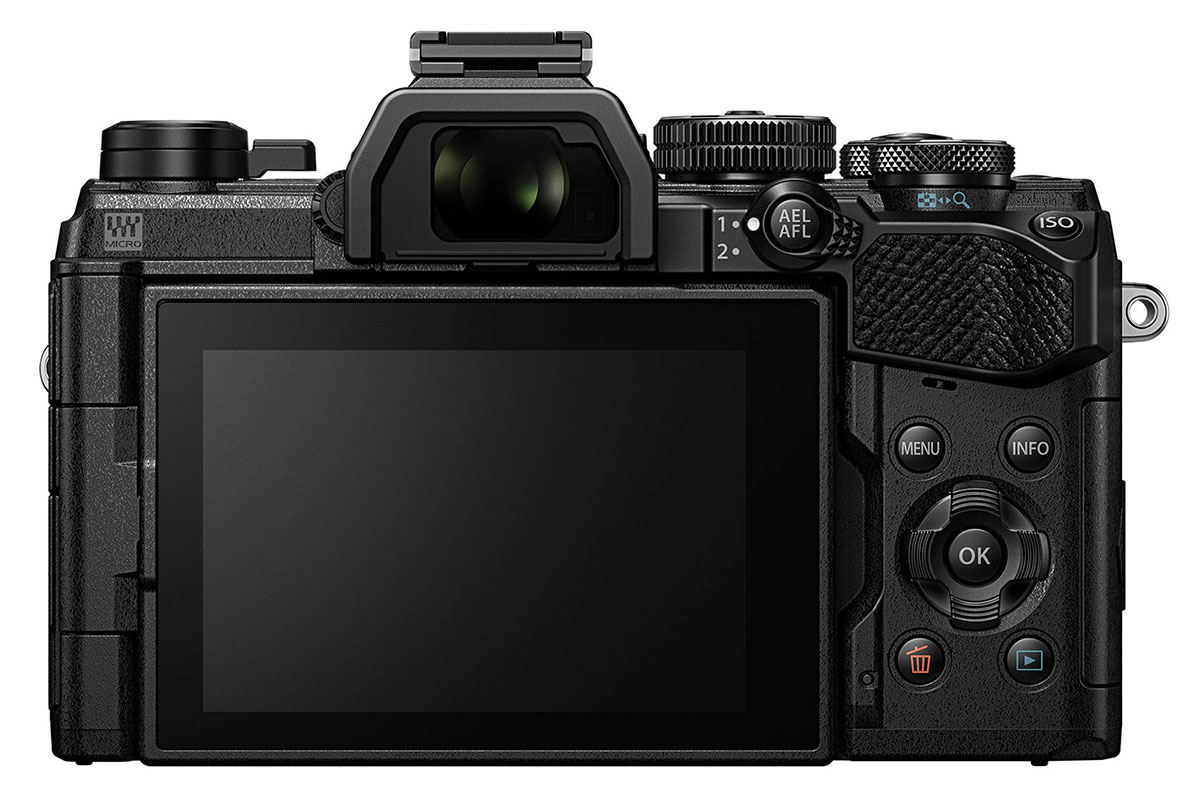
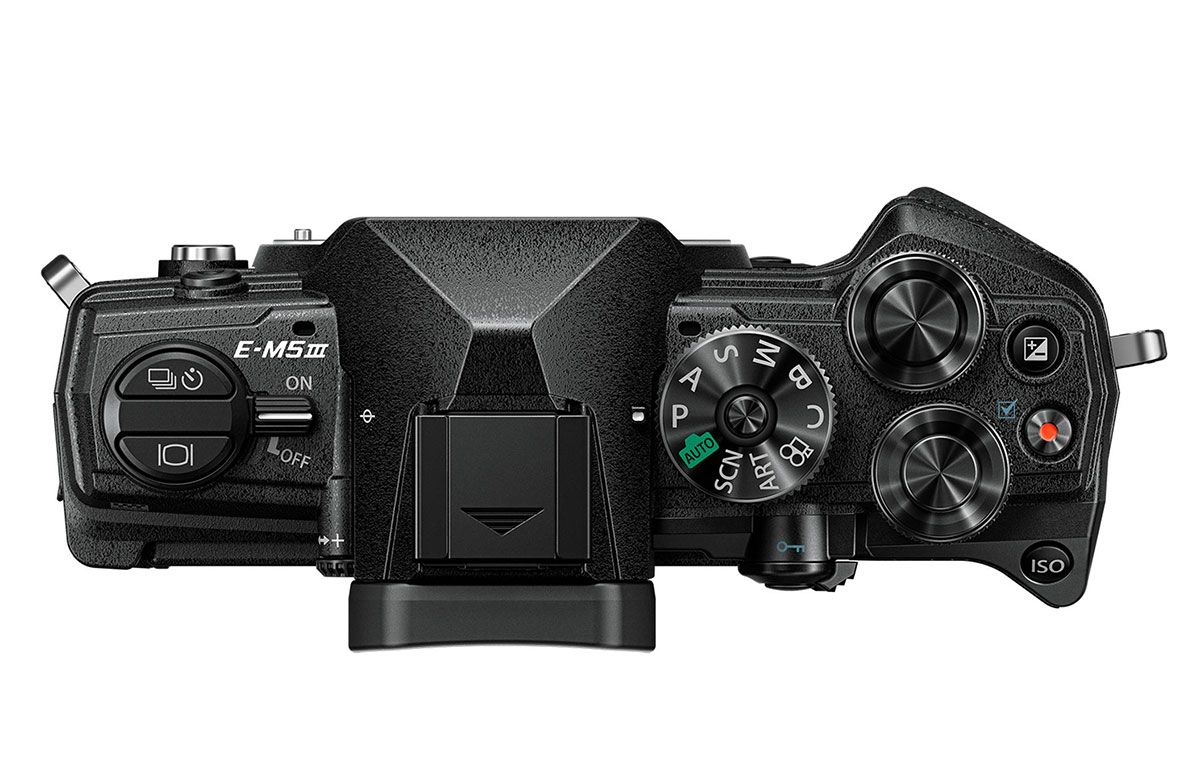
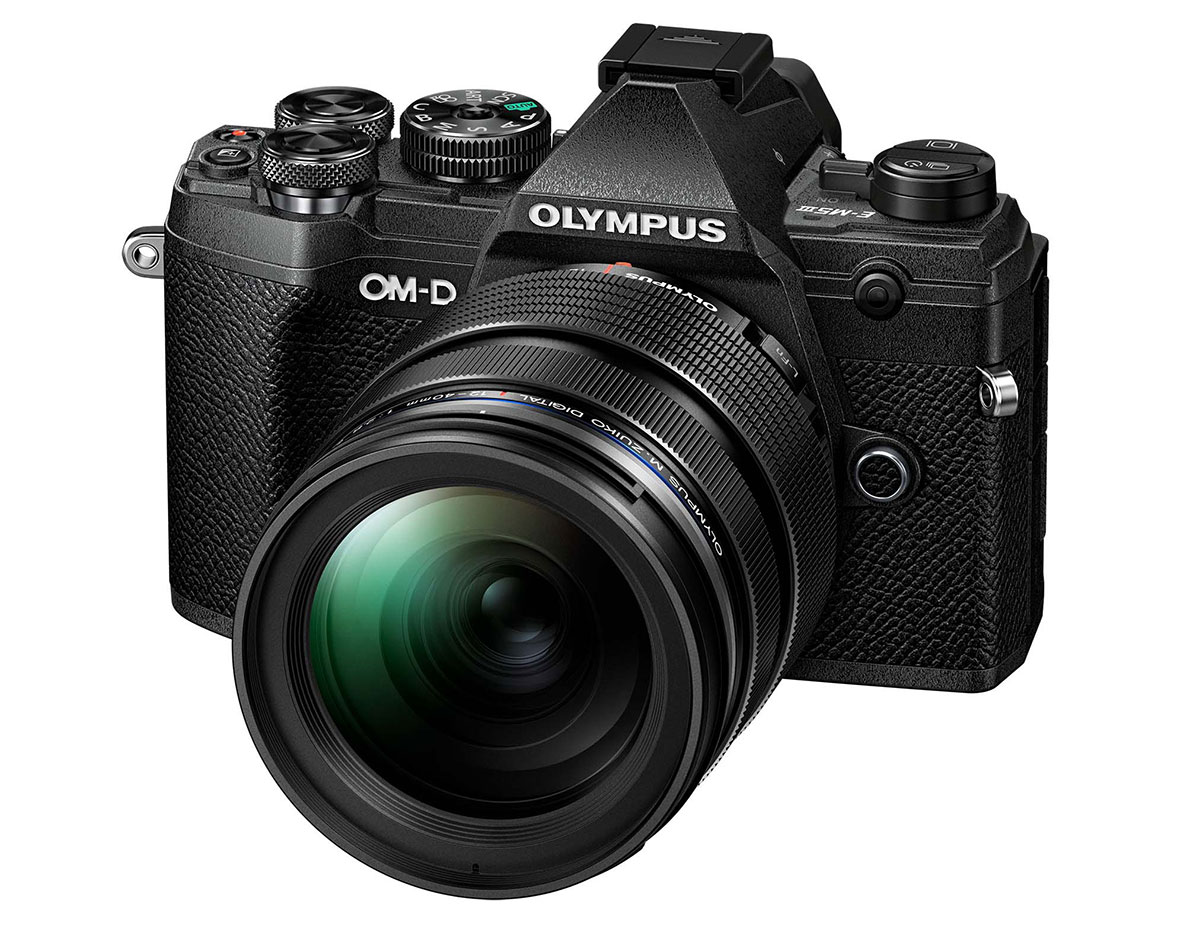
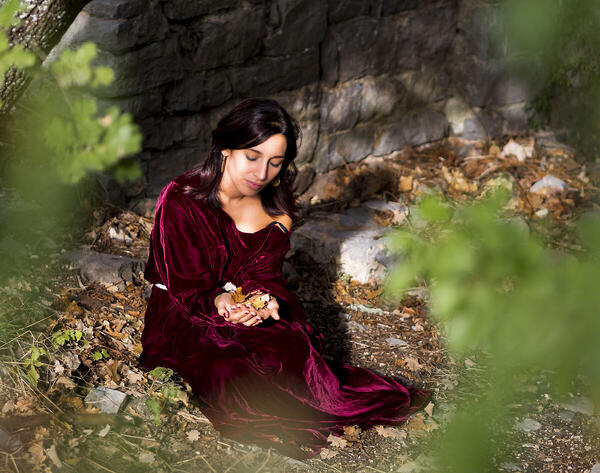
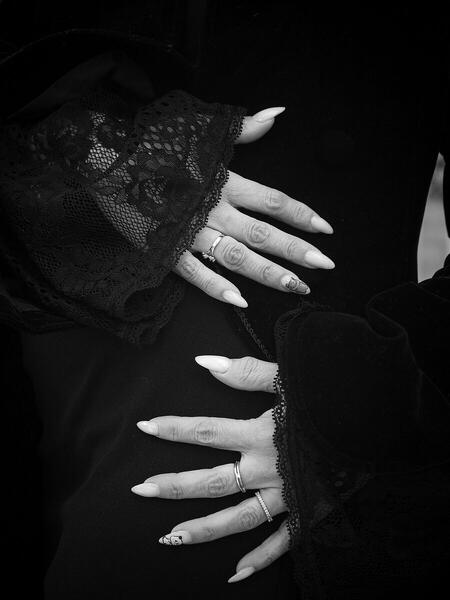
Opinion: Taken a few years ago to replace the E-M5 Mark II, the leap in quality of the sensor from 16mpx to this is quite appreciable and noticeable especially in the fine detail which is really excellent considering the modest 20.4mpx. The build quality gives a sense of excellent robustness despite the use of polycarbonate and not metal, which I would have preferred as in the previous version. On shadow recovery, considering that we are talking about an M4/3 sensor, it behaves more than well but obviously you have to be careful with exposure and ISO. The latter are also decently manageable up to 3200 almost on a par with an Apsc, in some conditions even 4000 iso especially considering the new noise reduction functions of some software such as lightroom. A 6400 is really to be used only in extreme cases, above pretend they don't exist. It helps a lot to manage these factors to have a large lens park with very generous apertures at unthinkable costs (I recommend, try the sigma 56 1.4) and the stabilization on the sensor that made me shoot up to 1 second handheld. Of course, it would be as nice as for the later model, to have some more effective computational functions, such as Freehand High Resolution and Live ND. That said, the battery is only just enough, but just take a couple more and you're good to go. I think it is, net of the polycarbonate construction, one of the most successful and balanced models ever, as far as the Micro 4/3 philosophy is concerned: a well-made compact body, tropicalized, very customizable, light with fantastic optics to take anywhere that really offers an image quality that even today, although an outdated sensor, still says its own very clearly. Recommended, rating 9.5 |


 The following opinions have been automatically translated with Google Translate.


















 JuzaPhoto contains affiliate links from Amazon and Ebay and JuzaPhoto earn a commission in case of purchase through affiliate links.