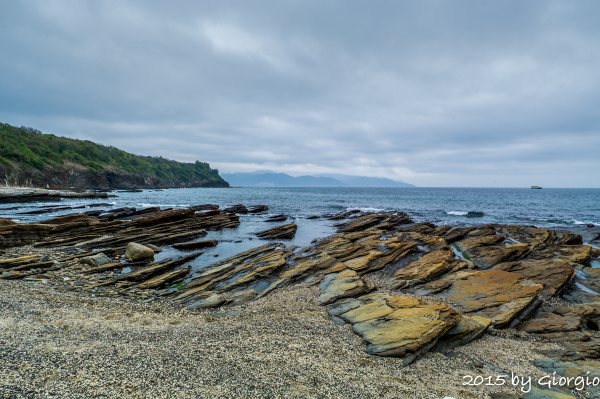
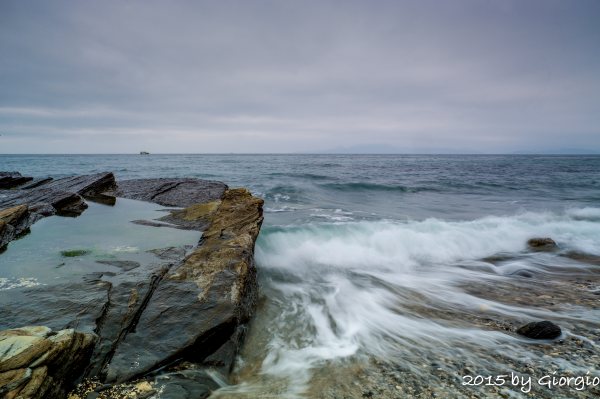
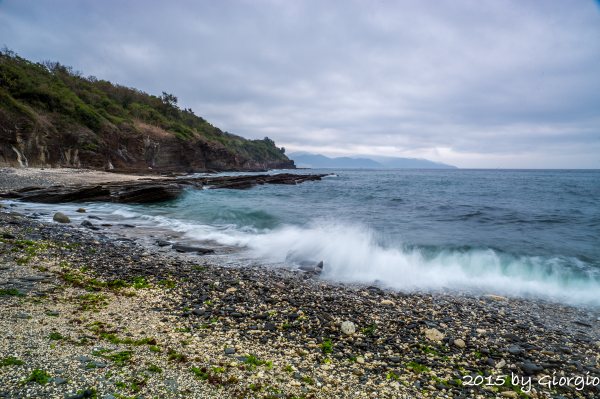
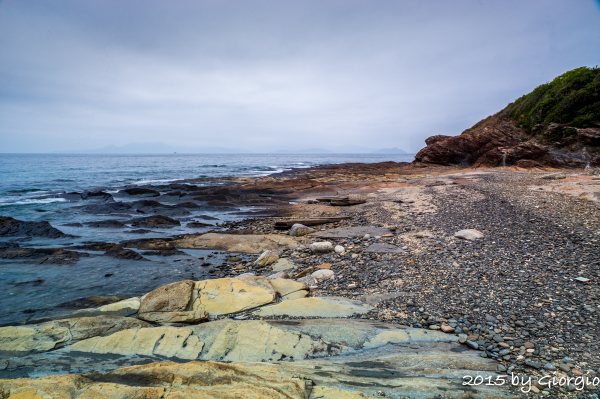
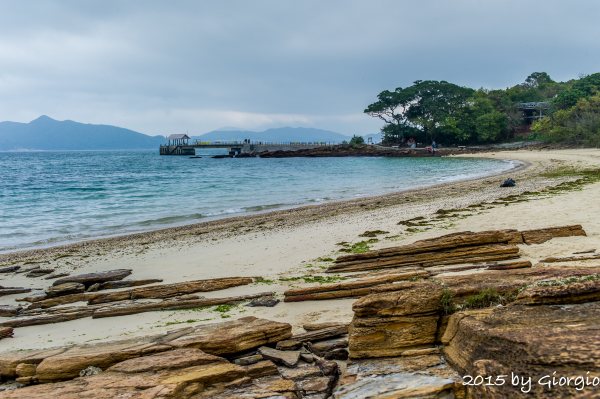
Tung Ping Chau
Ping Chau has a checkered history. Guns and opium were once smuggled from here, and during the Cultural Revolution many mainlanders swam in hopes of reaching Ping Chau and the freedom of Hong Kong.
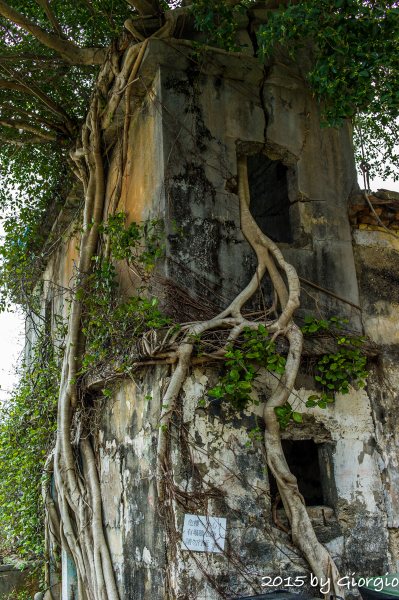
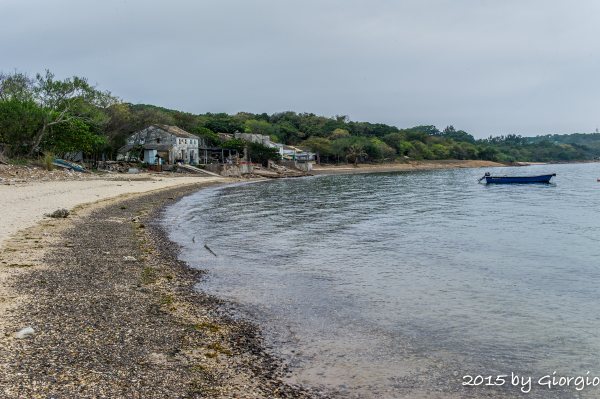
The now virtually deserted island was once home to a thriving fishing and farm community of 3,000 people, with over 100 fishing junks. Historical villages of Ping Chau included the five oldest: Chau Mei, Chau Tau , Nai Tau, Sha Tau and Tai Tong, as well as five other smaller family villages, which were subsequently developed: Chan Uk, Lam Uk, Lei Uk , Tsau Uk and Tsoi Uk. The village of Chau Mei was settled by fishermen who sold their catch at Tai Po Market and at Sha Yu Chong, a coastal village now part of the Longgang District of Shenzhen.
During the Japanese occupation of Hong Kong (1941-1945), Ping Chau was used as a logistics base for the supply of military resources, including petrol, to the Chinese army. Several allied military leaders were transported to the mainland via the island.
In the 1950s, there were about 1,500 people living in the ten villages on the island. Two primary schools were built: Kwan Ying School in Tai Tong and Wai Sun School in Chau Tau. At that time, the economy of the island deteriorated due to the dry up of fishery resources and the termination of trade with the mainland as a consequence of the Korean War (1950-1953).During the Cultural Revolution (1966-1976), political turmoil cut off commerce with the mainland and most villagers moved away. By the early 1970s, only a few elderly people remained on the island.In 2004, the last permanent resident moved out of Tung Ping Chau. Some may return on weekends. In 2013, the District Offices estimated that Tung Ping Chau had a population of 8.
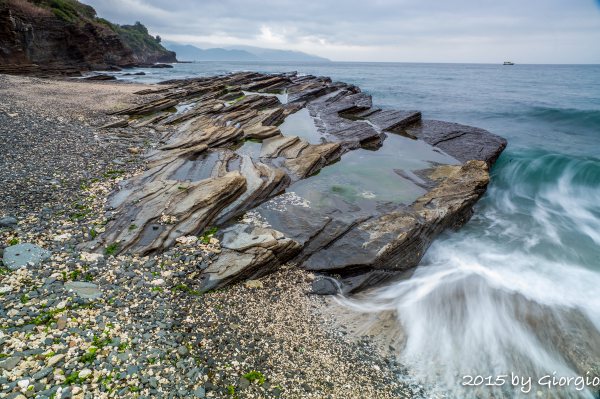
Almost surreal ...
by
Giorgio Lo
0 comments,
192 views
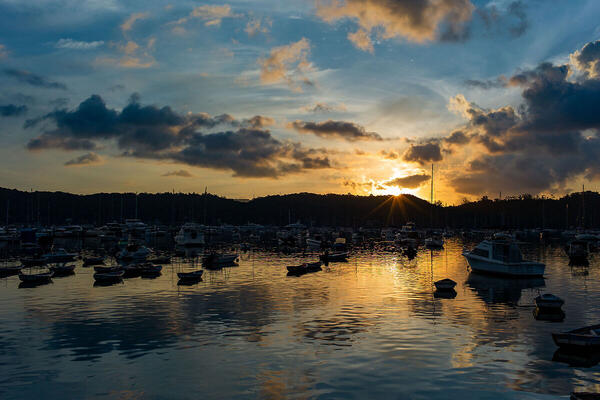
Sunrise to Stanley
by
Giorgio Lo
0 comments,
178 views


 JuzaPhoto contains affiliate links from Amazon and Ebay and JuzaPhoto earn a commission in case of purchase through affiliate links.
