
| Accept Cookies | Customize | Refuse Cookies |
|
 |
 The following opinions have been automatically translated with Microsoft Translator.
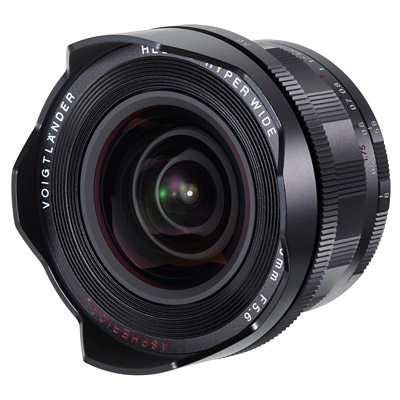 |
Voigtlander (E, VM) 10mm f/5.6 Hyper-Wide-Heliar Pros: HUGE coverage angle but ALMOST SMALL lens Great definition Solid construction: typical VC Cons: Filters cannot be mounted Opinion: It's the widest lens in my kit (all Voigtlander) for Leica M (before I had the M11P but since January I replaced it with the EV1). I do travel and architecture photography and I need this lens on some occasions when I need a very wide but not distorted angle (this is not a fish-eye but a rectilinear one). Excellent, excellent definition. Obviously in the evening/night I have to use the tripod because it is not bright (f5,6). sent on 02 Marzo 2026 |
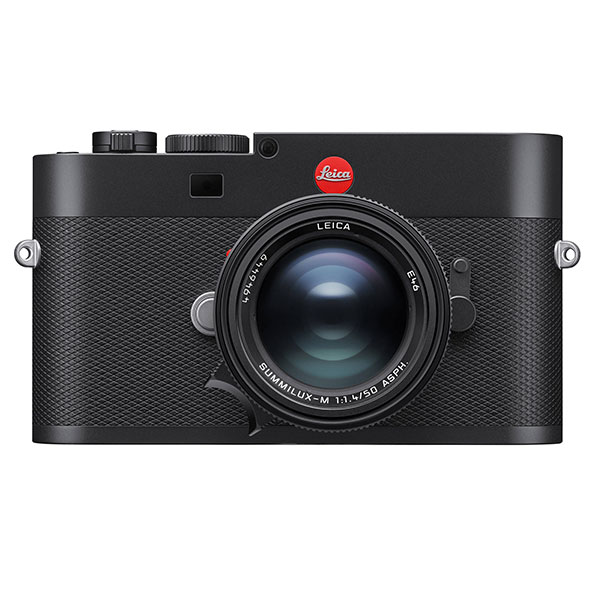 |
Leica M EV1 Pros: Now the M is a digital platform on which you can mount any lens and frame everything in the viewfinder, focusing precisely (manual of course). In terms of MAF I found it easier, with objectives from 28 to 90, to use the rangefinder. Now the maf is great for any optic. It is also lighter than the M11P. Cons: I would say none (at least for now). I would suggest Leica work on integrating sensor stabilization to avoid micro blur. However, nothing that makes the use of this gem critical. However, I do not understand the speculation of implementing an internal memory of only 64Gb. Opinion: I switched from M11P to M11EV1 in order to make the best use of the lens park that supports my needs. All Voigtlander: 10/5.6; 15/4,5; 28/2,8; 50/2 Apo Lanthar; 90/2.8 Apo skopar; 180/4 Apo Lanthar. I sold the Leica Super Elmar 21/3.4 because, although it was excellent, I never used it. I actually also have two old Leica lenses: 90/4 collapsible and 135/4 (fantastic for portraits). Already with the M11P I had made settings in order to optimize the use of Digital Crop and Perspective Control. Here the thing is even easier thanks to the front controls available with the former frame lever which can be set on two distinct commands: maf help and crop level selection. For sensor quality see M11P. As mentioned in the comments of the M11P, I went back to Leica to reduce weight, volume and have perspective control on board the camera. I find it very convenient to combine the use of Voigtlander prime lenses (which don't have the prestige of Leica, but the optical quality equals it, at a fraction of the cost) and digital cropping. The 28/2.8 Color Skopar II is a 107 gram jewel !!!! with which you also get a 35 and a 50, using only the central part of its shooting field. With the 28 and 50 set you have 6 lenses: 28(60Mp), 35(38Mp), 50(18Mp), 50(60Mp), 75(38Mp) and 90(18Mp), with a total weight of only 1100 grams. If, on the other hand, I use the 28 and 90 set I get up to a focal length of 162 with only 997 grams. Another reason to use the M11 series is perspective control: after 35 years of tilt-shift lenses (28PC Nikkor and then Laowa 20 oD Shift) with the M11 I can have propstic control over every lens from 15 to 90. I agree with the criticism that the optical CP of a tilt-shift lens is better than a digital emulation, but in terms of comfort and weight, there is no contradiction. sent on 29 Gennaio 2026 |
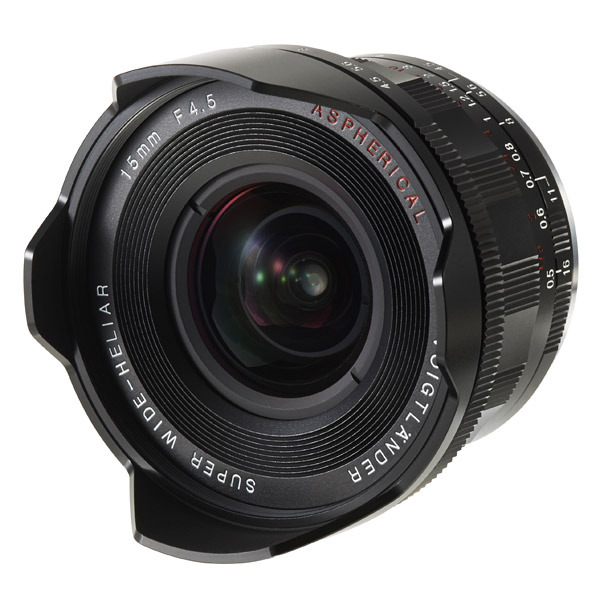 |
Voigtlander Super Wide Heliar 15mm f/4.5 Pros: Build quality, sharpness, distortion, weight. Cons: as I use it (overview and architecture), no cons. Opinion: I use it on Leica M11, manually re-encoded at 6bit to make it recognized by the machine. I often use it with the perspective control of the M11: FANTASTIC. Excellent resolution and distortion. Small and compact. It's part of my basic kit because with the crops of the machine (1.3x and 1.8x) it gives me a perfect 15-20-27. The brightness of 4.5 is not a problem given the ISO tightness of the Leica. Like all the Voigtlander lenses I have (10, 15, 28, 50, 90) it is a jewel, much cheaper than other brands, but not inferior in quality. sent on 22 Luglio 2025 |
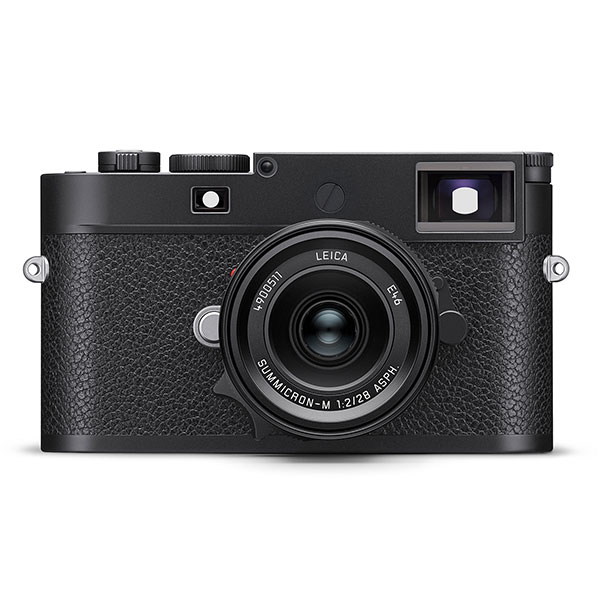 |
Leica M11p Pros: Sensor with a sensitivity such as to obtain 3 focal lengths from a single lens: with a 28 (60Mpx) you also have a 35 (36Mpx) and a 50 (18Mpx). In addition, with the Crop you only use the central part of the lens (the best). Perspective Control with each lens (using Lenses coded from 16 to 135). High ISO sealing. Long-lasting battery. With the rangefinder you can focus on what and when you want (very often you work in hyperfocal and it is faster than any AF). 256Gb internal memory: faster and safer saves, more responsive machine, no risk if you forget the card. Cons: They are not cons but suggestions (or hopes for future evolution): the possibility of combining Perspective Control and Digital Zoom (1,3 and 1,8). Then maybe the stabilized sensor (with age I risk micromoves). Opinion: Just returned to Leica. In the past I had the M4. P then sold because I needed a tilt-shift lens (architecture photo) and I couldn't continue to go around with two different systems (Leica and Nikon). I made the mistake of switching to Leica R (R5 - a blank promissory note for repeated repairs) on which I had mounted the modified Nikkor 28PC. Then back to Nikon. so in the transition to digital I went to Fuji (X-Pro 2 excellent electronic emulation of the Leica). Then switched to Canon R6 to have the bubble in double axis. then finally back to Leica: M11-P. I like it. It has everything and only what I need. With the R6 I used maybe 10% of the autofocus features etc. I also reduced the weight. Then the brilliant (already tested with the Fuji X100, but here more usable) of the triple resolution. I confess that I was tempted by Q3, very tempted, to reduce weight and change lenses. Then it has the Perspective Control that can be combined with the digital Zoom but .... the 28 (even if it is a 26) is not enough for me. Considering the cost of the body (even if I used A++++ practically new) I only allowed myself the Super Elmar 21/3.4. For the rest I went on Voigtlander: 10/5,6 and 50/2 Apo Lanthar, both really good. Just purchased VC 28/2.8 type II (very small and very light). Next Voigtlander purchases will be the 15/4.5 and 90 f2 Apo Ultron (although they are doubtful with the 90/2.8 Apo skopèar, lighter and smaller). I find the crop in the camera fantastic, practical and effective: you reduce the resolution ("at worst" you are at 18Mp) but you compensate by using the best part of the lens. Very satisfied. I will share photos shortly. sent on 11 Febbraio 2025 |
 JuzaPhoto contains affiliate links from Amazon and Ebay and JuzaPhoto earn a commission in case of purchase through affiliate links.
May Beauty Be Everywhere Around Me

