What do you think about this photo?Do you have questions or curiosities about this image? Do you want to ask something to the author, give him suggestions for improvement, or congratulate for a photo that you really like?
You can do it by joining JuzaPhoto, it is easy and free!
There is more: by registering you can create your personal page, publish photos, receive comments and you can use all the features of JuzaPhoto. With more than 257000 members, there is space for everyone, from the beginner to the professional.
| sent on September 02, 2013 (22:25)
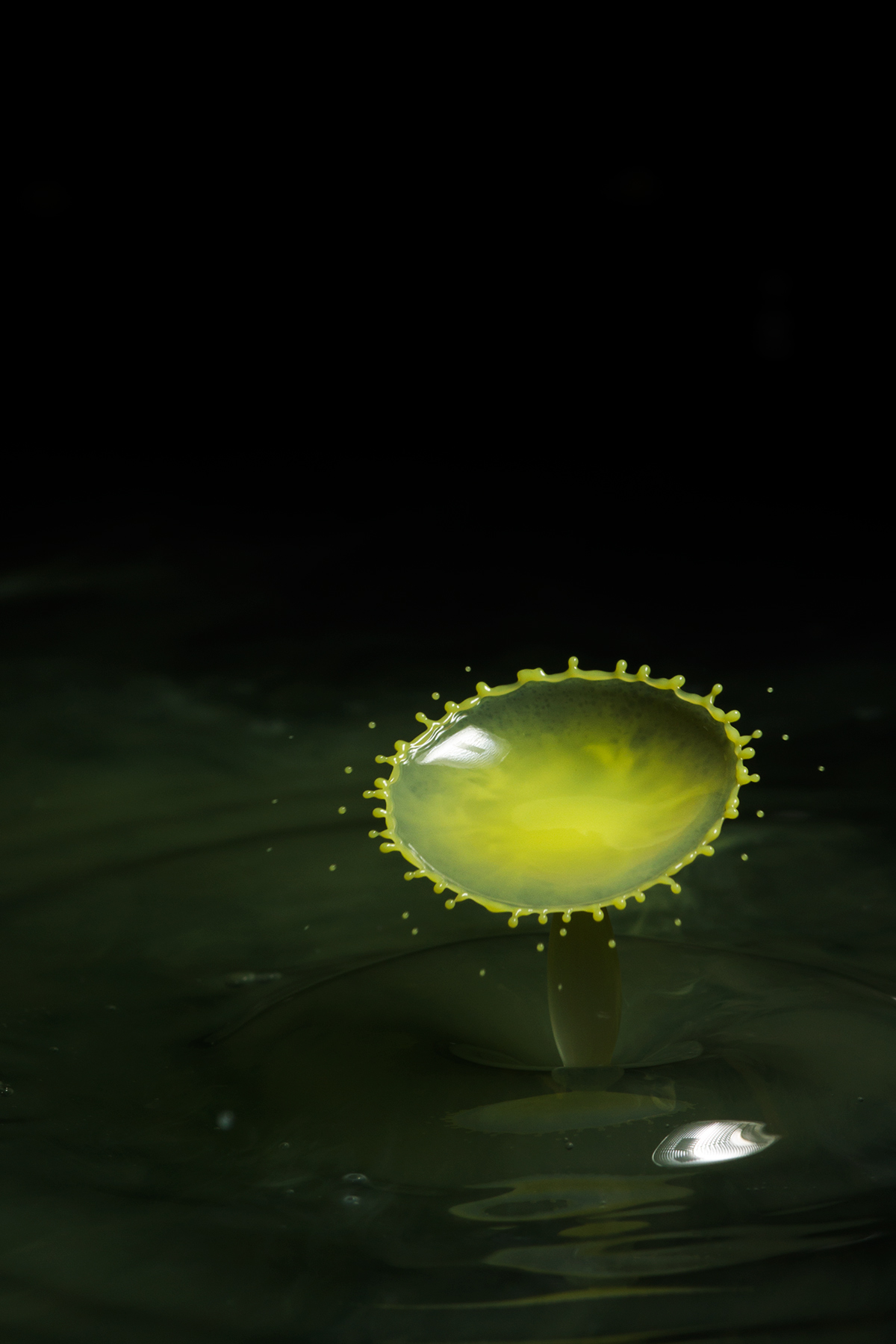
peccato il riflesso del flash. prova a clonarlo.
sin the reflection of the flash. try to clone it. peccato il riflesso del flash. prova a clonarlo. |
| sent on November 14, 2013 (2:26)
come crei queste forme?
how to create these forms? come crei queste forme? |
| sent on November 14, 2013 (14:12)
sono gocce che cadono in sequenza ravvicinata, al punto che la prima che cade innesca una colonna d'acqua che va verso l'alto, la seconda si schianta con la punta della colonna e crea una forma sferoidale, i risultati, quando le gocce sono fatte cadere con uno strumento manuale (tipo pipetta contagocce) sono imprevedibili. esistono anche delle attrezzature digitali che possono controllare numero e frequenza delle gocce emesse, di questa maniera saprai esattamente che forma potrai catturare con un determinato setting dei parametri, lo strumento mi sembra si chiami time-machine. saluti p
are drops that fall in sequence close to the point that the first triggers a falling column of water that goes upward, the second crashes with the tip of the column and creates a spheroidal form, the results, when the droplets are made to fall with a hand instrument (type dropper) are unpredictable. There are also digital equipment that can control the number and frequency of the drops emitted, this way you'll know exactly what form you can capture with a given setting of the parameters, the tool seems to me it's called time-machine.
greetings p sono gocce che cadono in sequenza ravvicinata, al punto che la prima che cade innesca una colonna d'acqua che va verso l'alto, la seconda si schianta con la punta della colonna e crea una forma sferoidale, i risultati, quando le gocce sono fatte cadere con uno strumento manuale (tipo pipetta contagocce) sono imprevedibili. esistono anche delle attrezzature digitali che possono controllare numero e frequenza delle gocce emesse, di questa maniera saprai esattamente che forma potrai catturare con un determinato setting dei parametri, lo strumento mi sembra si chiami time-machine. saluti p |
|

Publish your advertisement on JuzaPhoto (info) |