JuzaPhoto uses technical cookies and third-part cookies to provide the service and to make possible login, choice of background color and other settings (click here for more info).

By continuing to browse the site you confirm that you have read your options regarding cookies and that you have read and accepted the Terms of service and Privacy.


OK, I confirm


You can change in every moment your cookies preferences from the page Cookie Preferences, that can be reached from every page of the website with the link that you find at the bottom of the page; you can also set your preferences directly here

Accept Cookies Customize Refuse Cookies
RCE Foto


Login Logout Join JuzaPhoto!


  1. Galleries
  2. »
  3. Macro and Flora
  4. » Panurgus sp.: bee with pollen load
 
Panurgus sp.: bee with pollen load

Insect Macro

View gallery (24 photos)

Panurgus sp.: bee with pollen load sent on 23 Maggio 2026 (23:41) by Federico Kiswarday. 7 comments, 168 views.

, 1/200 f/11.0, ISO 160, hand held. Sierra Nevada National Park (Spain), Spain.

Flash Godox V860II. Diffusore macro Cygnustech. Esemplare femmina di Panurgus sp., un'ape selvatica e solitaria fotografata in fase di foraggiamento su un fiore nella zona di Granada (Spagna). Si distingue dalla comune ape da miele per l'esoscheletro nerissimo, lucido e privo delle classiche striature addominali. Sulle zampe posteriori spiccano enormi "bisacce" di polline giallo, impacchettate grazie a una fitta peluria chiamata "scopa". È un insetto estremamente selettivo: bottina quasi esclusivamente fiori gialli per poi portare il raccolto al nido, che scava direttamente nel terreno. Sulla sommità del capo sono ben visibili tre piccole sporgenze sferiche disposte a triangolo: gli ocelli. Questi tre occhi semplici non formano immagini, ma rilevano la polarizzazione della luce celeste: un vero e proprio sistema di navigazione biologico, indispensabile per ritrovare con esattezza l'ingresso del nido sotterraneo.


View High Resolution 21.6 MP  


What do you think about this photo?


Do you have questions or curiosities about this image? Do you want to ask something to the author, give him suggestions for improvement, or congratulate for a photo that you really like?


You can do it by joining JuzaPhoto, it is easy and free!

There is more: by registering you can create your personal page, publish photos, receive comments and you can use all the features of JuzaPhoto. With more than 260000members, there is space for everyone, from the beginner to the professional.


avatarjunior
sent on 23 Maggio 2026 (23:58)    

This comment is too long to be automatically translated, so it will be shown in its original language (Italian)

Click here to translate the comment in English [en]


Per chi fosse curioso di osservare il comportamento di queste api in natura, consiglio questo breve video su una Panurgus in fase di foraggiamento. Si vede benissimo il suo "bagno di polline" all'interno del fiore ed è possibile notare chiaramente la differenza tra le zampe posteriori ancora vuote e quelle già cariche con le tipiche bisacce gialle:


Crediti video:
Aurea - Ramon (YouTube)
Bany de pol·len - Pollen bath - Panurgus bee - Abella - Abeja

avatarsupporter
sent on 24 Maggio 2026 (11:53) | This comment has been automatically translated (show/hide original)    

Good for having photographed rather well considering the free hand this subject.

avatarsenior
sent on 24 Maggio 2026 (12:38) | This comment has been automatically translated (show/hide original)    

Nice shot, interesting caption

avatarjunior
sent on 24 Maggio 2026 (21:50) | This comment has been automatically translated (show/hide original)    

Thank you so much Pigi and Gigi for the appreciation! :)

avatarjunior
sent on 25 Maggio 2026 (18:16) | This comment has been automatically translated (show/hide original)    

Beautiful photography, perhaps an underexposed .
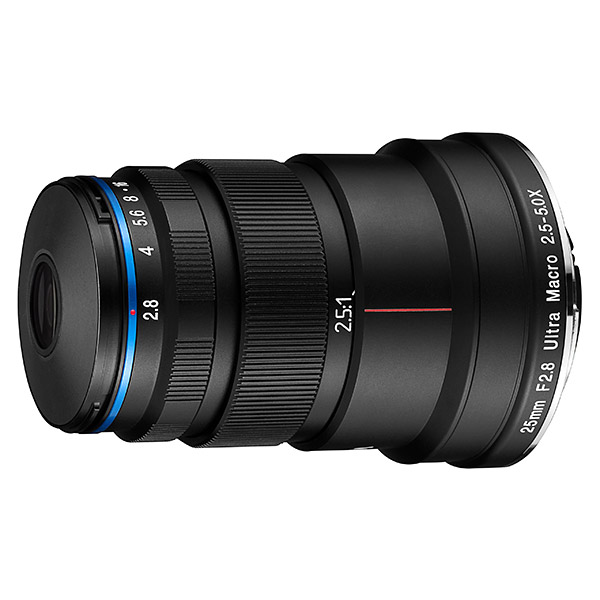
Thank you very much for the video and for the explanation. That venus laowa 25 mm I would like to try.

avatarjunior
sent on 25 Maggio 2026 (19:53)    

This comment is too long to be automatically translated, so it will be shown in its original language (Italian)

Click here to translate the comment in English [en]


Grazie mille Beppe!

Bellissima fotografia, forse un sottoesposta .
Capisco possa risultare un pelo scura. Con l'ape così nera e il fiore così brillante ho preferito tenere i neri un po' chiusi per non bruciare le alte luci del polline.

Quel venus laowa 25 mm mi piacerebbe provarlo.
Per quanto riguarda il Laowa 25mm te lo straconsiglio. Qui l'ho usato al suo ingrandimento minimo (2.5x), quindi ha ancora un potenziale enorme dato che arriva a 5x. A mano libera è una bella sfida, ma nulla di impossibile; se poi nel congelare ci aggiungiamo un buon diffusore gran parte del lavoro è fatto. Rispetto al Sony 90mm o al Laowa 100mm è una vera piuma. L'unica accortezza è che a f/11 inizia già a farsi sentire la diffrazione... ovviamente l'ideale sarebbe aprire e fare stacking. Se ti capita l'occasione, provalo assolutamente! ;-)

avatarjunior
sent on 25 Maggio 2026 (22:05) | This comment has been automatically translated (show/hide original)    

Thank you Federico


RCE Foto

Publish your advertisement on JuzaPhoto (info)

Some comments may have been automatically translated with Microsoft Translator.  Microsoft Translator


 ^

JuzaPhoto contains affiliate links from Amazon and Ebay and JuzaPhoto earn a commission in case of purchase through affiliate links.

Mobile Version - juza.ea@gmail.com - Terms of use and Privacy - Cookie Preferences - P. IVA 01501900334 - REA 167997- PEC juzaphoto@pec.it

May Beauty Be Everywhere Around Me