JuzaPhoto uses technical cookies and third-part cookies to provide the service and to make possible login, choice of background color and other settings (click here for more info).

By continuing to browse the site you confirm that you have read your options regarding cookies and that you have read and accepted the Terms of service and Privacy.


OK, I confirm


You can change in every moment your cookies preferences from the page Cookie Preferences, that can be reached from every page of the website with the link that you find at the bottom of the page; you can also set your preferences directly here

Accept Cookies Customize Refuse Cookies
RCE Foto


Login Logout Join JuzaPhoto!


  1. Galleries
  2. »
  3. Wildlife (no birds)
  4. » less than 2%
 
less than 2%

Other Animals 2

View gallery (60 photos)

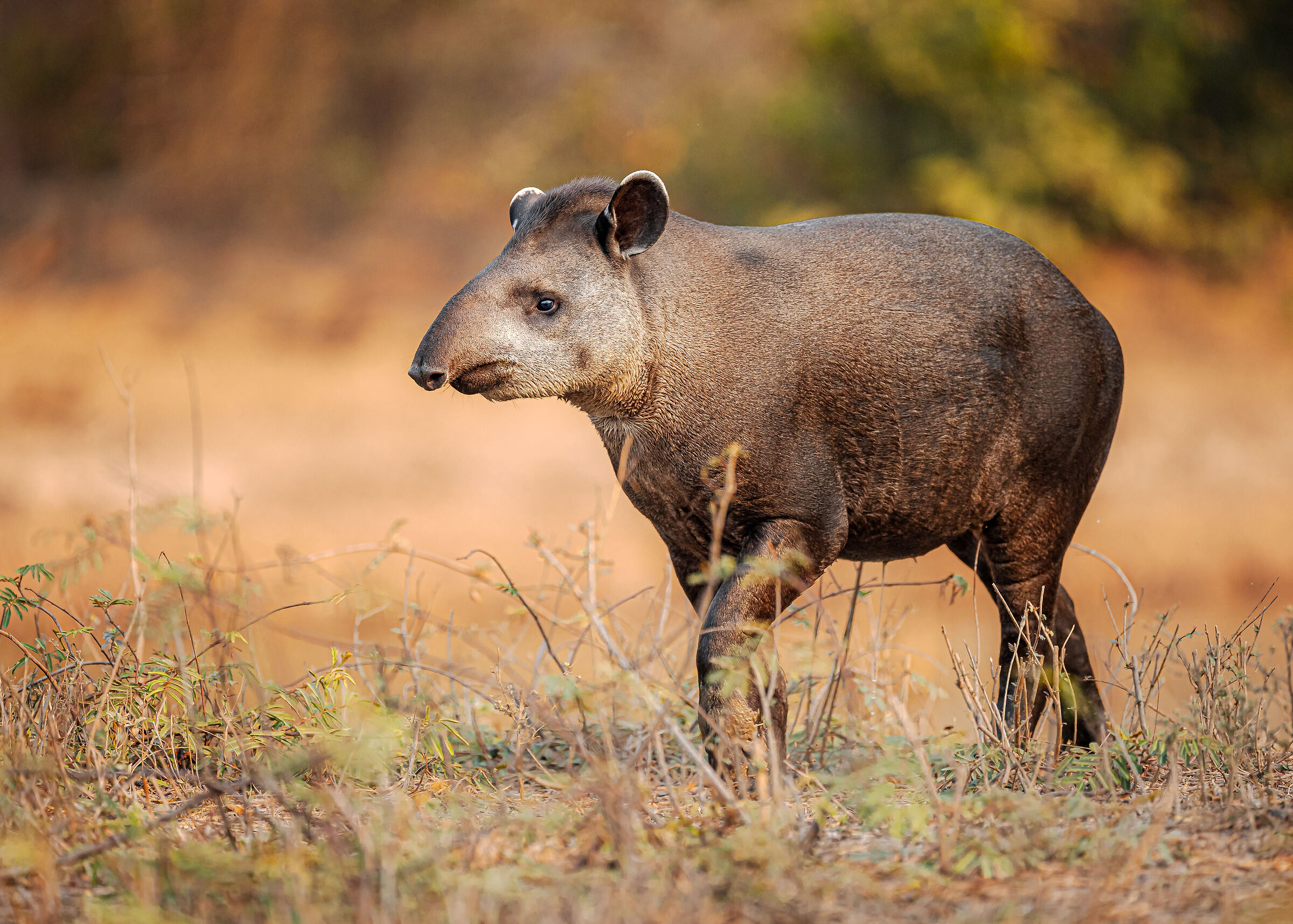
less than 2% sent on 13 Aprile 2026 (11:11) by Gian Luca T. 0 comments, 27 views.

, 1/2500 f/4.0, ISO 1000, hand held.

Il Tapiro risale all’Eocene (periodo geologico compreso tra 58 e 27 milioni di anni fa) e si ritiene si sia evoluto poco rispetto ai suoi antenati ed è sopravvissuto a diverse ondate di estinzione. Oggi sopravvivono quattro specie di tapiro, tre specie hanno il manto bruno e vivono nelle foreste tropicali dell’America Meridionale, mentre la quarta è di colore bianco-nero ed è diffusa nel Sud-Est asiatico. Tutte le quattro specie sono considerate a rischio (Lista Rossa IUCN), sono minacciate dalla deforestazione, dal bracconaggio e dall’impatto delle attività antropiche. La scomparsa di questi animali avrebbe gravi conseguenze su interi ecosistemi, i tapiri sono infatti considerati una “specie ombrello” (cioè una specie che si posiziona al vertice di una catena trofica e la cui protezione implica la conservazione dei livelli trofici sottostanti). I tapiri occupano vasti areali e condividono l’habitat con molti altri animali, ciò significa che se si protegge l’habitat del tapiro si tutelano molte altre specie. I tapiri svolgono inoltre l’indispensabile compito di “giardinieri della foresta”, ingoiano i semi della frutta, camminano a lungo e defecano lungo i loro percorsi, disperdendo i semi e favorendo la creazione di un flusso genetico vegetale tra gli habitat. La struttura delle foreste sarebbe molto diversa senza i tapiri. Il Tapiro terrestre era largamente diffuso nella Foresta Atlantica che si estende in Brasile, Paraguay e Argentina, ma la sua situazione è cambiata drasticamente e drammaticamente per via dell’uomo che ha cacciato il mammifero per anni e anni e ha stravolto il suo habitat, disboscando i territori che erano a tutti gli effetti la sua casa, così come di tantissime altre specie, e costruendo infrastrutture e piantagioni e allevamenti di bestiame. Nella Foresta Atlantica oggi vivono meno del 2% (!!!) dei tapiri sudamericani che erano qui presenti in origine. Tapiro del Brasile • South American Tapir • Tapirus terrestris


View High Resolution 22.4 MP   Buy Usage License  

2 persons like it: Ambrogio60, Nonnachecca


What do you think about this photo?


Do you have questions or curiosities about this image? Do you want to ask something to the author, give him suggestions for improvement, or congratulate for a photo that you really like?


You can do it by joining JuzaPhoto, it is easy and free!

There is more: by registering you can create your personal page, publish photos, receive comments and you can use all the features of JuzaPhoto. With more than 259000members, there is space for everyone, from the beginner to the professional.


RCE Foto

Publish your advertisement on JuzaPhoto (info)

Some comments may have been automatically translated with Microsoft Translator.  Microsoft Translator


 ^

JuzaPhoto contains affiliate links from Amazon and Ebay and JuzaPhoto earn a commission in case of purchase through affiliate links.

Mobile Version - juza.ea@gmail.com - Terms of use and Privacy - Cookie Preferences - P. IVA 01501900334 - REA 167997- PEC juzaphoto@pec.it

May Beauty Be Everywhere Around Me