What do you think about this photo?
Do you have questions or curiosities about this image? Do you want to ask something to the author, give him suggestions for improvement, or congratulate for a
photo that you really like?
You can do it by joining JuzaPhoto, it is easy and free!
There is more: by registering you can create your personal page, publish photos, receive comments and you can use all the features of JuzaPhoto.
With more than 260000members, there is space for everyone, from the beginner to the professional.
|
|
sent on 17 Novembre 2017 (10:41) | This comment has been automatically translated (show/hide original)
Compliments!! Give us some more info about the remotion you are making to your observatory :) Do not leave us in a mess! I'm curious to understand how dome and telescope work together :-D Complimenti!! Dacci qualche info in piu sulla remotizzazione che stai apportando al tuo osservatorio :) non ci lasciare in sopspeso!! Sono curioso di capire come cupola e telescopio lavorino insieme  |
user44198
|
sent on 17 Novembre 2017 (11:58) | This comment has been automatically translated (show/hide original)
apart from blooming on a few stars I would say no harm, just to make a cutout to eliminate the effect of stacking and a suitable coloring for the stars that seem a little under tone ... ;-) but this will surely not stop you , your project is taking over ;-) ;-) a parte il blooming su qualche stella direi niente male,solamente da fare un ritaglio per eliminare l'effetto dello stacking e una colorazione adeguata per le stelle che mi sembrano un pò sotto tono... ma questo di sicuro non ti fermerà,il tuo progetto sta prendendo corpo ma questo di sicuro non ti fermerà,il tuo progetto sta prendendo corpo |
|
|
sent on 17 Novembre 2017 (12:29)
Grazie ragazzi, eh per il bloomington posso farci poco, questa volta non ho passato le immagini su Maxim prima di portarle in Pixinsight dato che non pretendevo molto.
Vega assolutamente non mi ferma, anzi, mi da ancora più carica e voglia di proseguire, spero il prossimo mese di avere internet in modo tale da lanciare ufficialmente il remoto; il colore delle stelle non ho voluto esagerare perchè altrimenti avrei solo dato risalto al difetto del filtro Blu, con l'AF il problema sarà risolto.
Slashleo, il progetto è in realtà semplice ma complesso allo tempo: tutto si basa su Maxim e i driver ASCOM.
Il telescopio è comandato tramite FS2 e driver Asco LX200 Advanced; la cupola invece da un software a pagamento chiamato LesveDome (costa solo 50euro ma è perfetto), questi due lavorano insieme tramite POTH HUB di ASCOM che mette in comunicazione tutti i software. La gestione della sicurezza in questo caso è fondamentale, abbiamo quindi montato una ASI120MC con la sua lente all'esterno e per il controllo del meteo abbiamo acquistato un CloudWatcher della Lunatico,questo controlla Copertura, vento, umidità e temperatura e raggiunta una cerca soglia manda un segnale al pc che chiude la cupola.
Per controllare i cali di tensione ci sono dei dispositivi che in caso di caduta di tensione bloccano tutto e chiudono la cupola.
Il tutto sarà gestito in remoto tramite il software TeamViewer.
Spiegato molto brevemente non rende l'idea di quanto sia complicato in realtà far lavorare tutte queste cose all'unisono, tutto infatti deve essere a conoscenza di ciò che stanno facendo cupola, telescopio e CCD, e agire di conseguenza.
Una volta completato sicuramente pubblicherò i dettagli del progetto sul sito dell'associazione Grazie ragazzi, eh per il bloomington posso farci poco, questa volta non ho passato le immagini su Maxim prima di portarle in Pixinsight dato che non pretendevo molto.
Vega assolutamente non mi ferma, anzi, mi da ancora più carica e voglia di proseguire, spero il prossimo mese di avere internet in modo tale da lanciare ufficialmente il remoto; il colore delle stelle non ho voluto esagerare perchè altrimenti avrei solo dato risalto al difetto del filtro Blu, con l'AF il problema sarà risolto.
Slashleo, il progetto è in realtà semplice ma complesso allo tempo: tutto si basa su Maxim e i driver ASCOM.
Il telescopio è comandato tramite FS2 e driver Asco LX200 Advanced; la cupola invece da un software a pagamento chiamato LesveDome (costa solo 50euro ma è perfetto), questi due lavorano insieme tramite POTH HUB di ASCOM che mette in comunicazione tutti i software. La gestione della sicurezza in questo caso è fondamentale, abbiamo quindi montato una ASI120MC con la sua lente all'esterno e per il controllo del meteo abbiamo acquistato un CloudWatcher della Lunatico,questo controlla Copertura, vento, umidità e temperatura e raggiunta una cerca soglia manda un segnale al pc che chiude la cupola.
Per controllare i cali di tensione ci sono dei dispositivi che in caso di caduta di tensione bloccano tutto e chiudono la cupola.
Il tutto sarà gestito in remoto tramite il software TeamViewer.
Spiegato molto brevemente non rende l'idea di quanto sia complicato in realtà far lavorare tutte queste cose all'unisono, tutto infatti deve essere a conoscenza di ciò che stanno facendo cupola, telescopio e CCD, e agire di conseguenza.
Una volta completato sicuramente pubblicherò i dettagli del progetto sul sito dell'associazione |
|
|
sent on 18 Novembre 2017 (13:47) | This comment has been automatically translated (show/hide original)
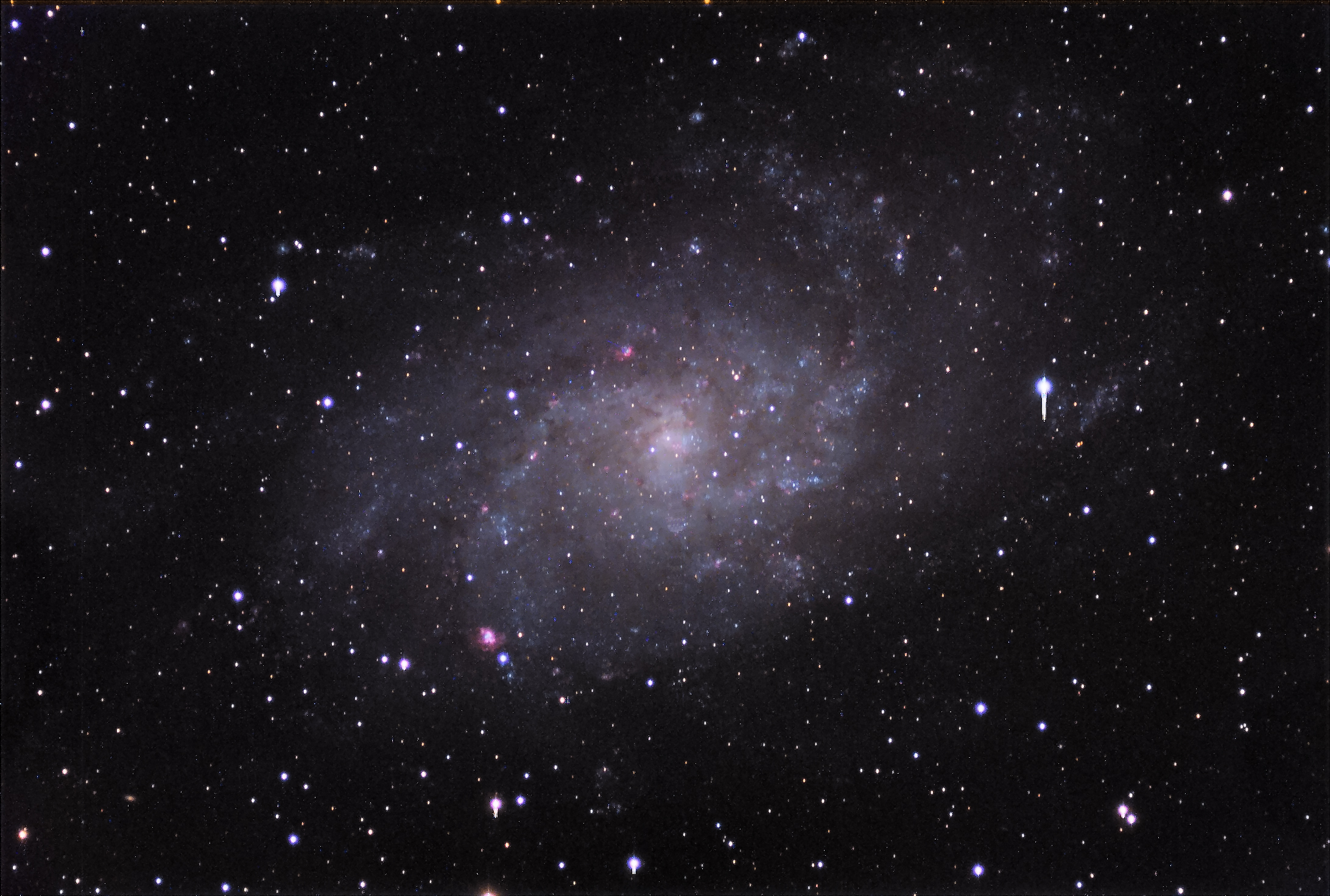
Call me ugly .... well for me, that I'm an illiterate, it's unattainable stuff so I look at my mouth open and I do not add anything else. I just have a curiosity (wonder why it will surely be a trivial question): why are some bright spots having that little wake and many others not? Chiamala brutta .... vabbè per me, che sono un analfabeta, è roba irraggiungibile per cui guardo a bocca aperta e non aggiungo altro. Ho solo una curiosità (chiedo venia perché sarà sicuramente una domanda banale): perché alcuni punti luminosi hanno quella piccola scia e molti altri no? |
user44198
|
sent on 18 Novembre 2017 (17:31)
ciao Valterio,ti rispondo io ,ecco cosa sono quelle scie verticali:
La fioritura avviene quando la carica in un pixel supera il livello di saturazione e la carica inizia a riempire i pixel adiacenti. Tipicamente, i sensori CCD sono progettati per consentire un facile spostamento verticale della carica, ma vengono create barriere potenziali per ridurre il flusso in pixel orizzontali. Quindi l'eccesso di carica fluirà preferenzialmente nei vicini verticali più vicini. La fioritura quindi produce una caratteristica striscia verticale, ad esempio vedi l'immagine in basso a destra.
La fioritura può essere una seccatura quando un segnale forte può oscurare i dati da un debole segnale di interesse, specialmente su un'immagine con un intervallo dinamico elevato. La fioritura è solitamente meno problematica nelle applicazioni di spettroscopia quando il CCD è allineato per essere nello stesso orientamento della fessura dello spettrografo. Qualsiasi eccesso di carica è dovuto alla luce della stessa lunghezza d'onda e la fioritura serve solo ad aumentare efficacemente la gamma dinamica del sistema. Alcuni sensori sono progettati con strutture incorporate che limitano le strutture in fiore e anti-fioritura. Le strutture anti-fioritura eliminano l'eccesso di carica prima che possano traboccare il pixel e quindi smettere di fiorire. Le strutture anti-fioritura possono ridurre l'efficienza quantica efficace e introdurre la non linearità nel sensore. Pertanto, i sensori anti-fioritura non sono raccomandati per applicazioni che richiedono misurazioni di luce molto bassa o alta precisione. In alternativa all'utilizzo di sensori anti-fioritura è possibile acquisire un'immagine utilizzando la modalità di accumulo. La modalità di accumulo consente di sommare le scansioni successive di esposizioni più brevi per ottenere efficacemente un'esposizione più lunga per il numero di accumulazioni acquisite. Se ciascuno degli accumuli ha luce appena al di sotto del punto di saturazione da sommare, anche il campo dinamico del segnale accumulato viene aumentato del numero di accumuli. ciao Valterio,ti rispondo io ,ecco cosa sono quelle scie verticali:
La fioritura avviene quando la carica in un pixel supera il livello di saturazione e la carica inizia a riempire i pixel adiacenti. Tipicamente, i sensori CCD sono progettati per consentire un facile spostamento verticale della carica, ma vengono create barriere potenziali per ridurre il flusso in pixel orizzontali. Quindi l'eccesso di carica fluirà preferenzialmente nei vicini verticali più vicini. La fioritura quindi produce una caratteristica striscia verticale, ad esempio vedi l'immagine in basso a destra.
La fioritura può essere una seccatura quando un segnale forte può oscurare i dati da un debole segnale di interesse, specialmente su un'immagine con un intervallo dinamico elevato. La fioritura è solitamente meno problematica nelle applicazioni di spettroscopia quando il CCD è allineato per essere nello stesso orientamento della fessura dello spettrografo. Qualsiasi eccesso di carica è dovuto alla luce della stessa lunghezza d'onda e la fioritura serve solo ad aumentare efficacemente la gamma dinamica del sistema. Alcuni sensori sono progettati con strutture incorporate che limitano le strutture in fiore e anti-fioritura. Le strutture anti-fioritura eliminano l'eccesso di carica prima che possano traboccare il pixel e quindi smettere di fiorire. Le strutture anti-fioritura possono ridurre l'efficienza quantica efficace e introdurre la non linearità nel sensore. Pertanto, i sensori anti-fioritura non sono raccomandati per applicazioni che richiedono misurazioni di luce molto bassa o alta precisione. In alternativa all'utilizzo di sensori anti-fioritura è possibile acquisire un'immagine utilizzando la modalità di accumulo. La modalità di accumulo consente di sommare le scansioni successive di esposizioni più brevi per ottenere efficacemente un'esposizione più lunga per il numero di accumulazioni acquisite. Se ciascuno degli accumuli ha luce appena al di sotto del punto di saturazione da sommare, anche il campo dinamico del segnale accumulato viene aumentato del numero di accumuli. |
|
|
sent on 19 Novembre 2017 (11:21) | This comment has been automatically translated (show/hide original)
Great this 33, really compliments ;-)
As for the blooming if you really want to take it off,
if I do not remember a few soft processing devoted to
Astronomical pictures (which I can not remember) had the chance to select the stars
want to remove it, someone remembers soft?
Anyway show, thanks for sharing :-)
Ottima questa 33, davvero complimenti
Per quanto riguarda il blooming se proprio si vuole togliere,
se non ricordo male qualche soft di elaborazione dedicato alle
foto astronomiche ( che non ricordo) aveva la possibilita' selezionando le stelle
desiderate di toglierlo, qualcuno ricorda il soft ?
Comunque spettacolo, grazie per la condivisione 
|
|
|
sent on 19 Novembre 2017 (11:41) | This comment has been automatically translated (show/hide original)
Thank you ;-)
I use Maxim DL Pro for capturing images, I usually take it with that software but this time I did not think the photo was up and then I did not.
Grazie
Io uso Maxim DL Pro per l'acquisizione delle immagini, di solito lo tolgo con quel software ma questa volta non ritenevo la foto all'altezza e quindi non l'ho fatto.
|
|
|
sent on 20 Novembre 2017 (0:39) | This comment has been automatically translated (show/hide original)
Thanks Vega! This is a very technical aspect but also an exciting challenge for those who deal with this type of photography. Good job, everyone.
Grazie Vega! Si tratta di un aspetto molto molto tecnico ma anche una sfida appassionante per chi affronta questo tipo di fotografia. Bravi tutti.
|
|
|
sent on 20 Novembre 2017 (7:16) | This comment has been automatically translated (show/hide original)
Thanks Gianluca, look at the project! :-D Also our association is very interested ;-) Grazie Gianluca, aspetto il progetto! Anche la nostra associazione è molto interessata |
|
|
sent on 17 Gennaio 2018 (7:46) | This comment has been automatically translated (show/hide original)
Hey Gianluca, did you go on with the project ?? You have news, how is it going? :-D Ehi Gianluca, sei andato avanti con il progetto?? Hai novità,come procede?? |
|
|
sent on 17 Gennaio 2018 (17:32) | This comment has been automatically translated (show/hide original)
Hello, yes we went ahead even if a bit 'more slowly than I hoped.
Dome and telescope now work well, I solved almost all the problems, now I'm fixing the autofocus and the Cloudwatcher then once the municipality gives us the internet we'll be ready to go.
Now I'm in full exam session so I'll slow down a bit but then as soon as I finish the exams I'll resume and hopefully I'll finish the job :-) Ciao, sì siamo andati avanti anche se un po' più a rilento rispetto a quello che speravo.
Cupola e telescopio adesso lavorano bene, ho risolto quasi tutti i problemi, adesso sto sistemando l'autofocus e il Cloudwatcher poi una volta che il comune ci darà internet saremo pronti a partire.
Adesso sono in piena sessione d'esame quindi rallenterò un po' ma poi appena finiti gli esami riprenderò e, si spera, terminerò il lavoro |
|
|
sent on 18 Gennaio 2018 (7:27) | This comment has been automatically translated (show/hide original)
can you give me a link to your association ?? ;-) in the ass to the whale for the exams :-D mi dai il link alla tua associazione?? in culo alla balena per gli esami |
|

Publish your advertisement on JuzaPhoto (info) |



 JuzaPhoto contains affiliate links from Amazon and Ebay and JuzaPhoto earn a commission in case of purchase through affiliate links.


 Resize to fit window
 3.2 MEGAPIXEL



![[en]](shared_files/layout/country_flags/flag_196.jpg)