JuzaPhoto uses technical cookies and third-part cookies to provide the service and to make possible login, choice of background color and other settings (click here for more info).

By continuing to browse the site you confirm that you have read your options regarding cookies and that you have read and accepted the Terms of service and Privacy.


OK, I confirm


You can change in every moment your cookies preferences from the page Cookie Preferences, that can be reached from every page of the website with the link that you find at the bottom of the page; you can also set your preferences directly here

Accept Cookies Customize Refuse Cookies
RCE Foto


Login Logout Join JuzaPhoto!


  1. Galleries
  2. »
  3. Macro and Flora
  4. » Papilio machaon
 
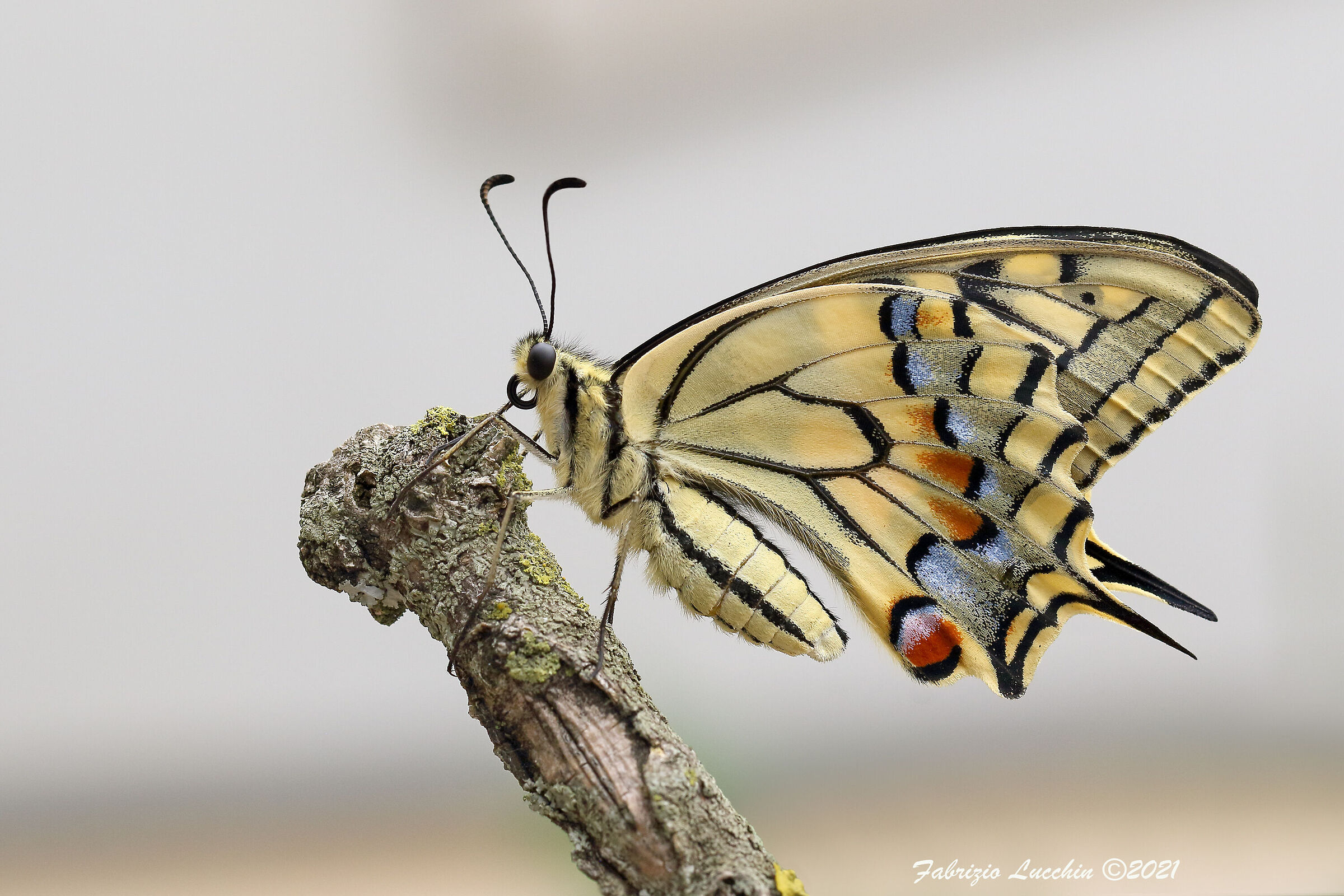
Papilio machaon

Papilionidi

View gallery (37 photos)

Papilio machaon sent on 30 Agosto 2021 (9:08) by Lucchin Fabrizio. 22 comments, 988 views.

, 1/400 f/9.0, ISO 500, hand held.

Papilio machaon, Linné, 1758 - Famiglia Papilionidae - Sottofamiglia Papilioninae - Apertura alare: Da 5,5 a 8 cm. - Distribuzione in Italia: Presente in tutte le regioni, isole comprese. - Habitat: Prati, ampie radure dal livello del mare sino a oltre 2000 m. - Periodo di volo: Nelle popolazioni alpine univoltina da maggio ad agosto. Polivoltina nelle popolazioni del nord d'Italia; da aprile a maggio e da luglio ad agosto. Con tre sfarfallamenti nelle zone favorevoli climaticamente come in prossimità dei laghi e in tutta la regione peninsulare; da marzo a maggio, da giugno a luglio e da agosto a settembre. - Pianta alimentare dei bruchi: Finocchio selvatico e altre ombrellifere dei generi Daucus, Carum, Anethum, Peucedanum e Crithmum. - Dimorfismo sessuale: Femmina con disegno identico al maschio, ma spesso di dimensioni maggiori. Si riconosce facilmente dalla forma dell'addome. - Variazioni: Gli esemplari della prima generazione sono più piccoli rispetto a quelli estivi. - Specie simili: Papilio hospiton, i cui esemplari presentano la fascia scura premarginale delle ali anteriori con bordi ampiamente arcuati tra una nervatura e l'altra che danno a questa fascia un andamento a zigzag. La “coda” delle ali posteriori è più corta e la macchia rossastra all'angolo anale delle ali posteriori è più piccola e scura.


View High Resolution 6.0 MP  


PAGE: « PREVIOUS PAGE | ALL PAGES |


What do you think about this photo?


Do you have questions or curiosities about this image? Do you want to ask something to the author, give him suggestions for improvement, or congratulate for a photo that you really like?


You can do it by joining JuzaPhoto, it is easy and free!

There is more: by registering you can create your personal page, publish photos, receive comments and you can use all the features of JuzaPhoto. With more than 258000members, there is space for everyone, from the beginner to the professional.


avatarsupporter
sent on 21 Ottobre 2021 (19:02) | This comment has been automatically translated (show/hide original)    

The most beautiful Italian butterfly. 8-)
A greeting Claudio :-)

avatarsupporter
sent on 22 Ottobre 2021 (13:06) | This comment has been automatically translated (show/hide original)    

Thanks Claudio, you are right the Macaone is very nice, a warm greeting and thank you, hello Fabrizio.


RCE Foto

Publish your advertisement on JuzaPhoto (info)

Some comments may have been automatically translated with Microsoft Translator.  Microsoft Translator


PAGE: « PREVIOUS PAGE | ALL PAGES |


 ^

JuzaPhoto contains affiliate links from Amazon and Ebay and JuzaPhoto earn a commission in case of purchase through affiliate links.

Mobile Version - juza.ea@gmail.com - Terms of use and Privacy - Cookie Preferences - P. IVA 01501900334 - REA 167997- PEC juzaphoto@pec.it

May Beauty Be Everywhere Around Me