JuzaPhoto uses technical cookies and third-part cookies to provide the service and to make possible login, choice of background color and other settings (click here for more info).

By continuing to browse the site you confirm that you have read your options regarding cookies and that you have read and accepted the Terms of service and Privacy.


OK, I confirm


You can change in every moment your cookies preferences from the page Cookie Preferences, that can be reached from every page of the website with the link that you find at the bottom of the page; you can also set your preferences directly here

Accept Cookies Customize Refuse Cookies
RCE Foto


Login Logout Join JuzaPhoto!


  1. Galleries
  2. »
  3. Macro and Flora
  4. » Edelweiss-Grand Puy
 
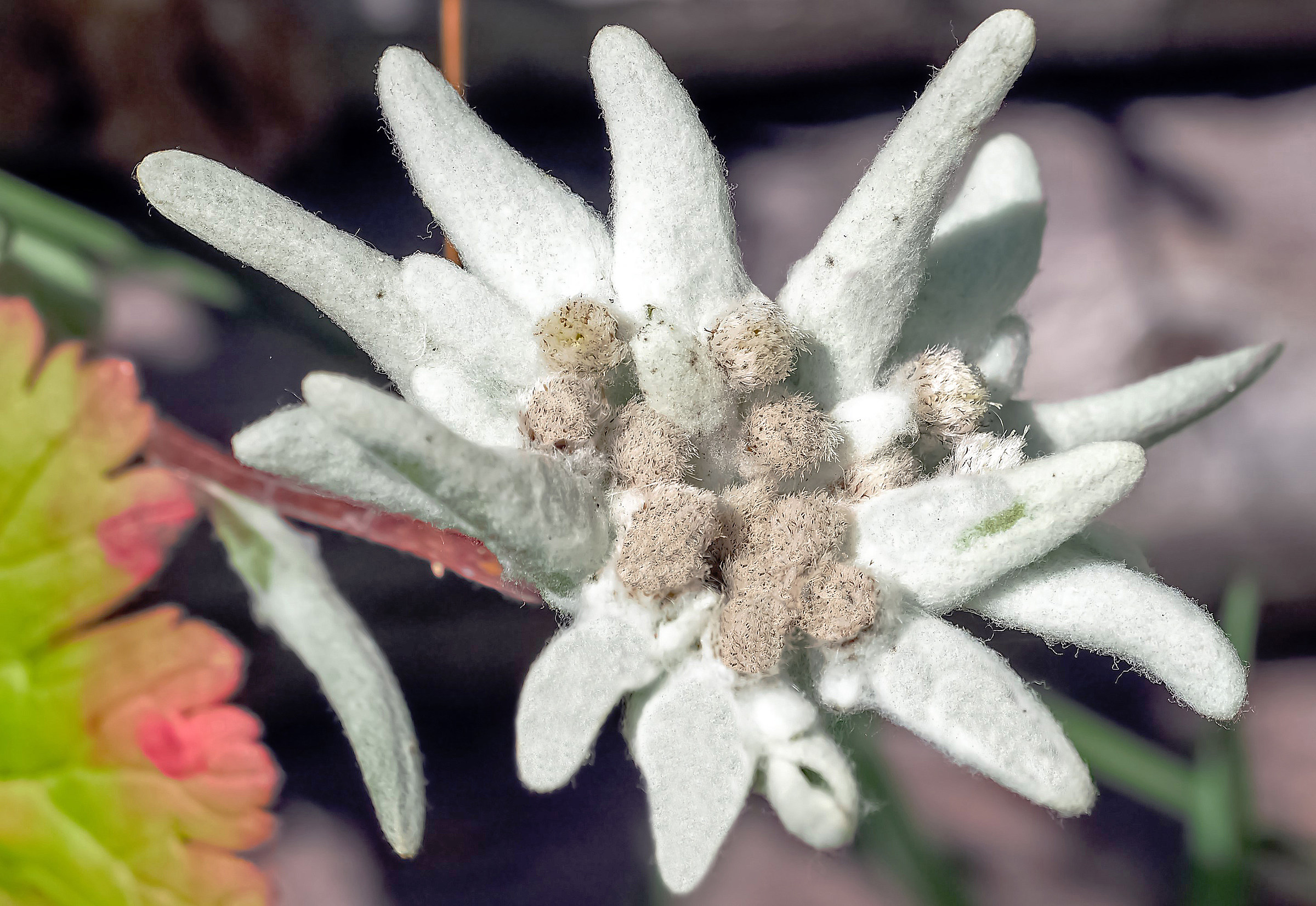
Edelweiss-Grand Puy

Pourrieres e dintorni

View gallery (56 photos)

Edelweiss-Grand Puy sent on 03 Febbraio 2019 (12:42) by Massimo Massarenti. 2 comments, 315 views.

at 150mm, 1/800 f/7.1, ISO 200,

Leontopodium è un genere di piante erbacee appartenente alla famiglia delle Asteraceae o Compositae. Il nome del genere (Leontopodium) significa letteralmente “piede leonino”, ed è un adattamento latino del greco “leontopódion” da “léon” (= leone) e “pódion” (= piede), ed è stato introdotto nella nomenclatura floristica dal botanico Robert Brown, nella pubblicazione ”Observations on the Natural Family of Plants Called Compositae” del 1817, facendo riferimento alla forma dei capolini fiorali simili ad una zampa di leone. In tedesco prende il nome di Edelweiss. I dati morfologici si riferiscono soprattutto alle specie europee e in particolare a quelle spontanee italiane. Sono piante non molto alte (20 ? 30 cm). La forma biologica è almeno per le specie europee emicriptofita scaposa, ossia sono piante perenni, con gemme svernanti al livello del suolo e protette generalmente dalla neve, dotate di un asse fiorale eretto e spesso con poche foglie. In genere queste specie sono riccamente lanose per limitare l'eccessiva traspirazione in quanto la maggior parte sono originarie di habitat aridi e secchi. Più il sole è intenso, più si ricoprono della fitta inconfondibile lanugine bianco-argento che rende questo fiore così amabile, tenero e morbido all'aspetto. Testo preso da Wikipedia.


View High Resolution 5.8 MP  


What do you think about this photo?


Do you have questions or curiosities about this image? Do you want to ask something to the author, give him suggestions for improvement, or congratulate for a photo that you really like?


You can do it by joining JuzaPhoto, it is easy and free!

There is more: by registering you can create your personal page, publish photos, receive comments and you can use all the features of JuzaPhoto. With more than 258000members, there is space for everyone, from the beginner to the professional.


avatarsupporter
sent on 20 Dicembre 2019 (18:43) | This comment has been automatically translated (show/hide original)    

My beloved Alpine Stars....................
.....................Hello Ray Palm-

avatarsenior
sent on 09 Gennaio 2020 (19:20) | This comment has been automatically translated (show/hide original)    

Thanks for the visit
Greetings
Massimo


RCE Foto

Publish your advertisement on JuzaPhoto (info)

Some comments may have been automatically translated with Microsoft Translator.  Microsoft Translator


 ^

JuzaPhoto contains affiliate links from Amazon and Ebay and JuzaPhoto earn a commission in case of purchase through affiliate links.

Mobile Version - juza.ea@gmail.com - Terms of use and Privacy - Cookie Preferences - P. IVA 01501900334 - REA 167997- PEC juzaphoto@pec.it

May Beauty Be Everywhere Around Me