Rank : 9.0 (average on 1 votes)Coordinates : 51.178807, -1.825723 (
Open in Google Maps)
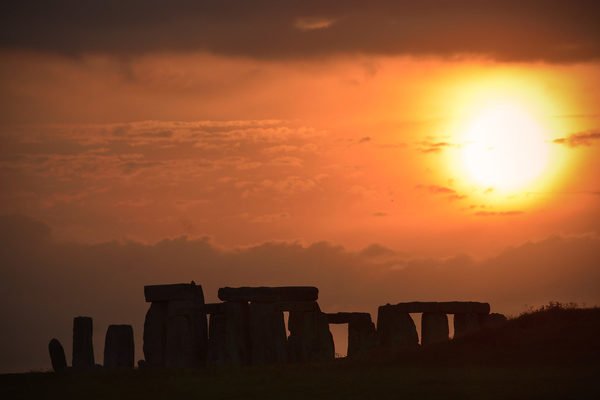
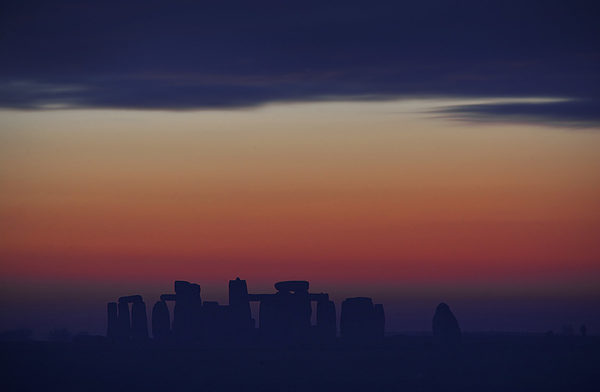
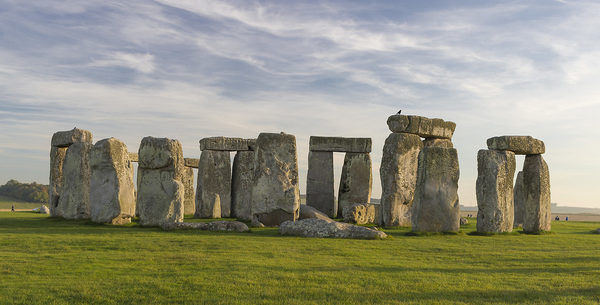
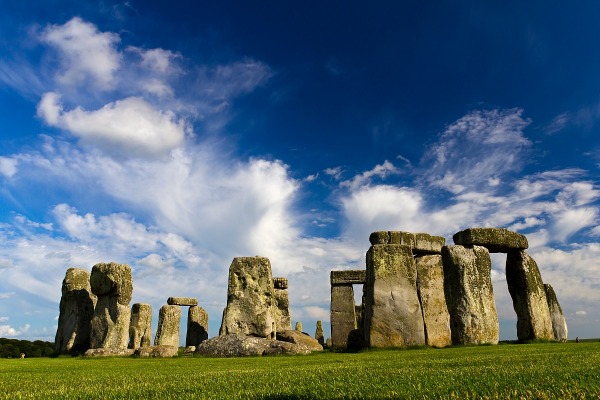
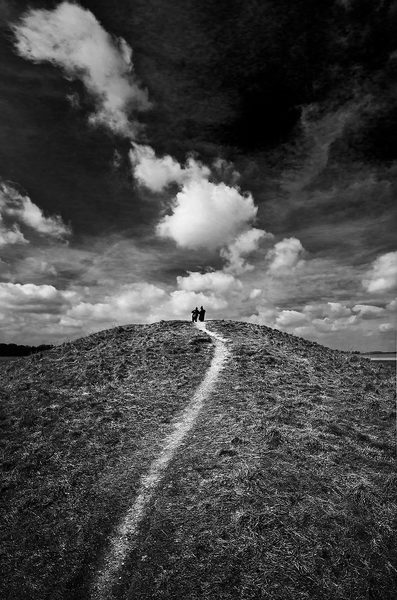
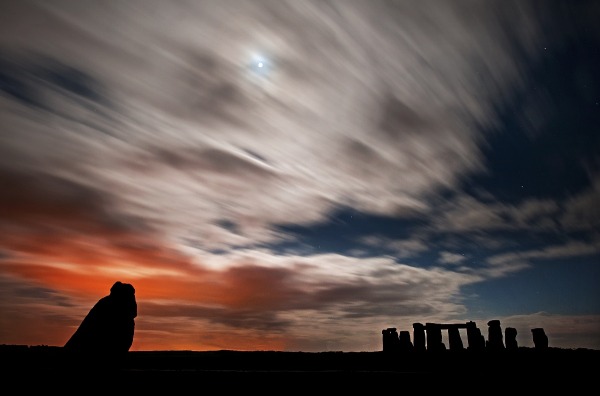
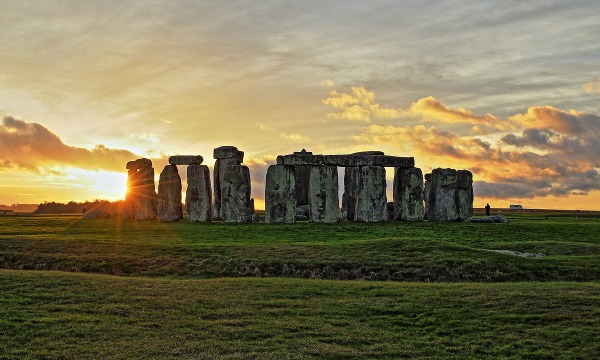
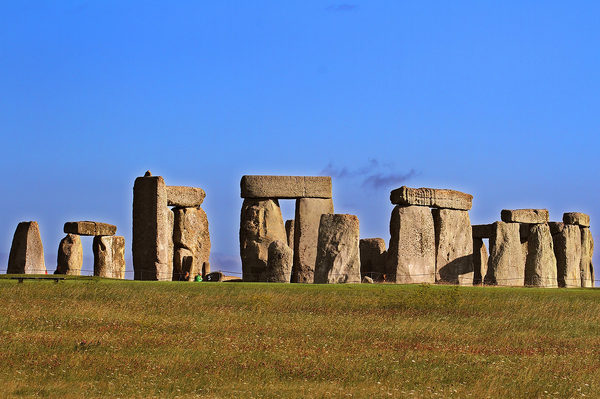
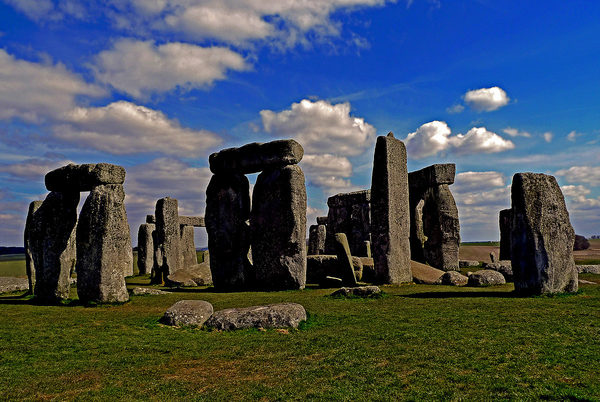
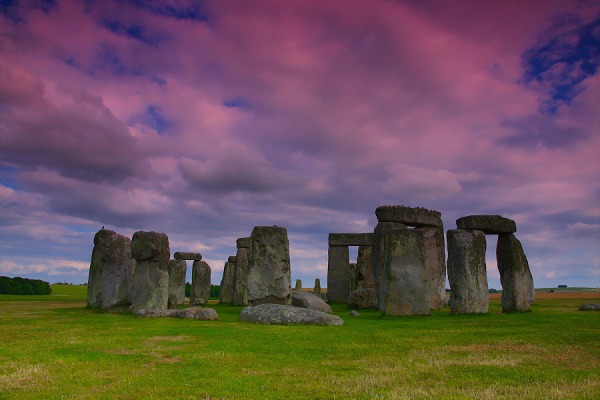
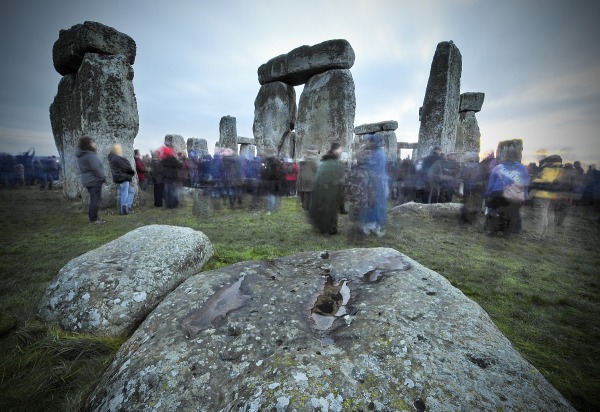
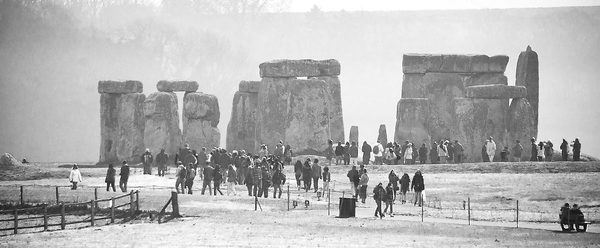
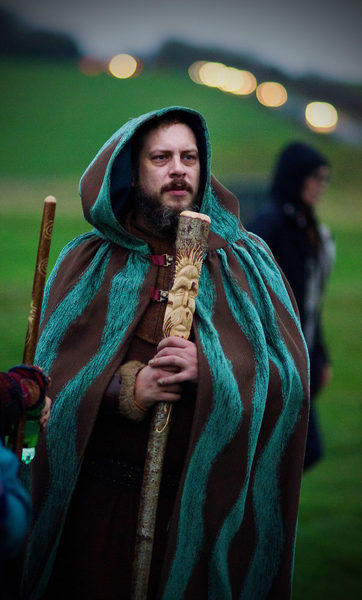
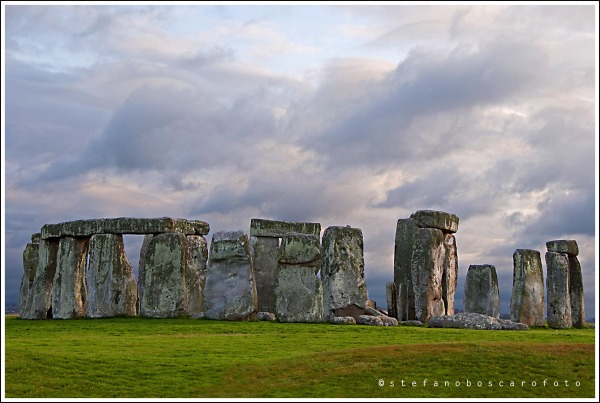
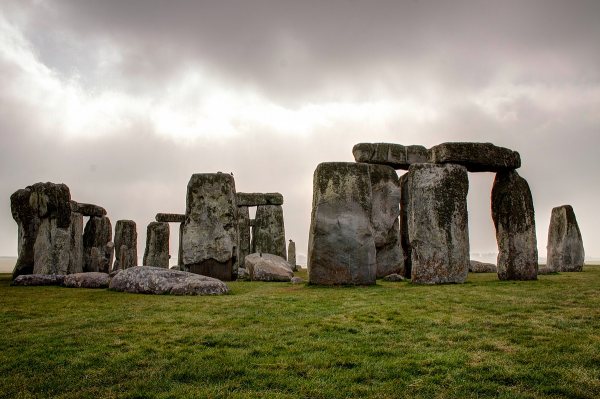
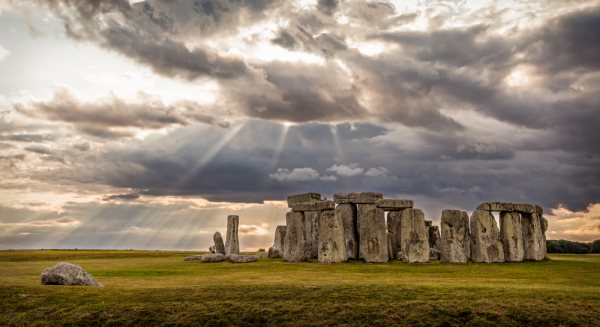
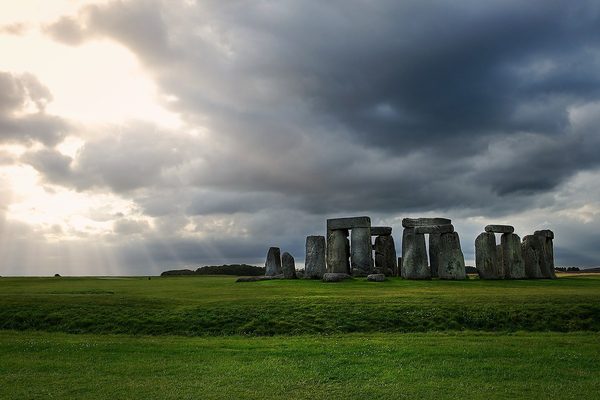
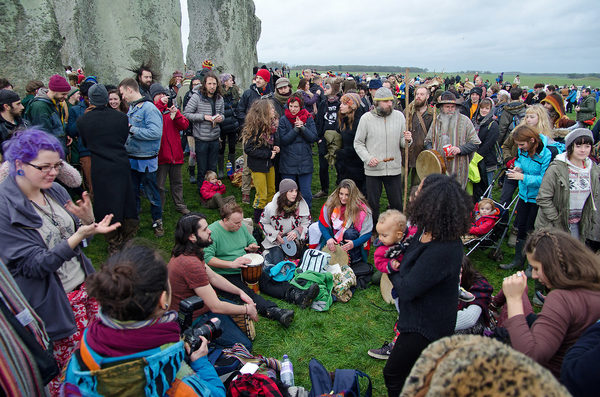
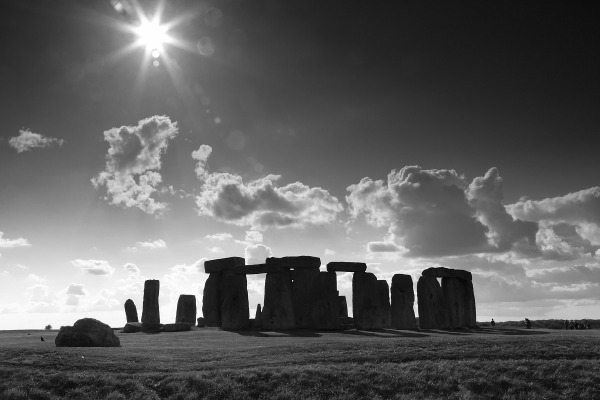
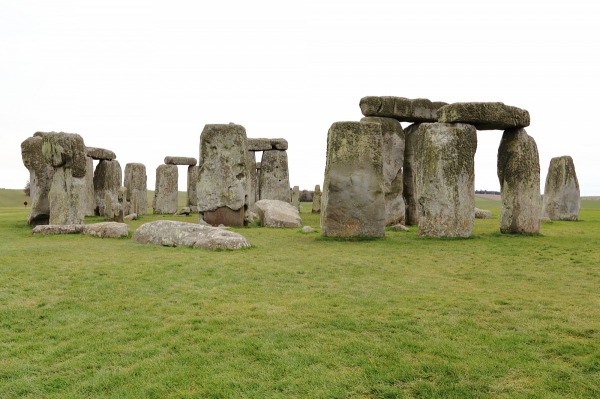
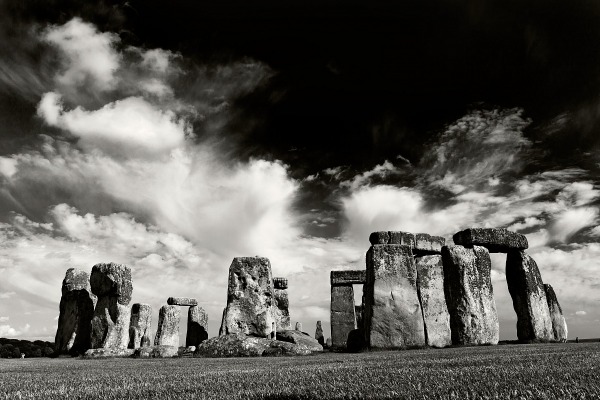
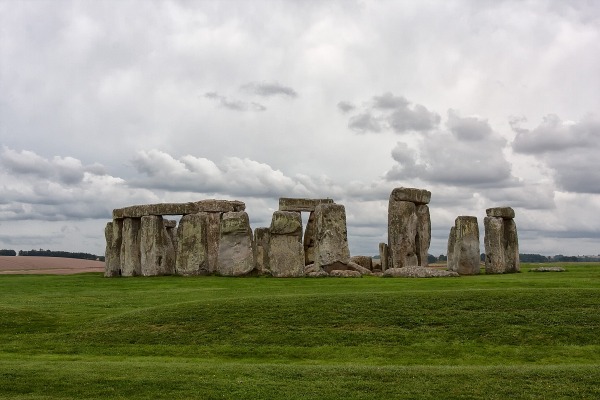
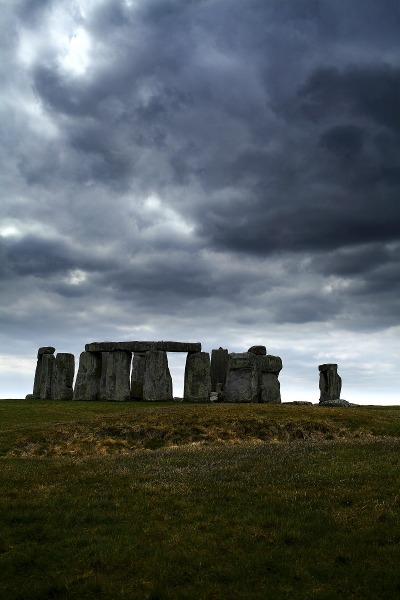
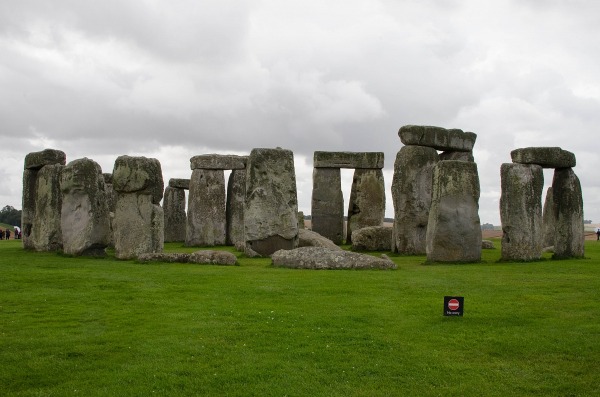
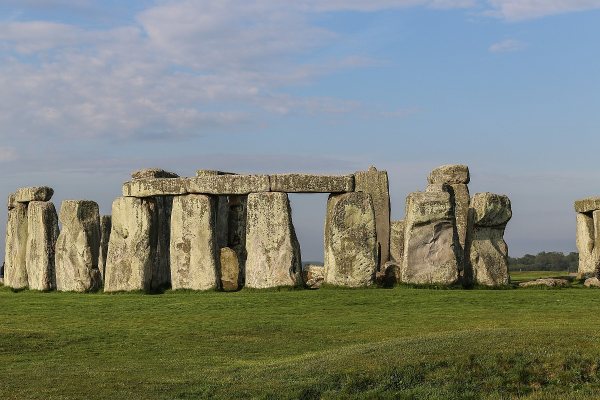
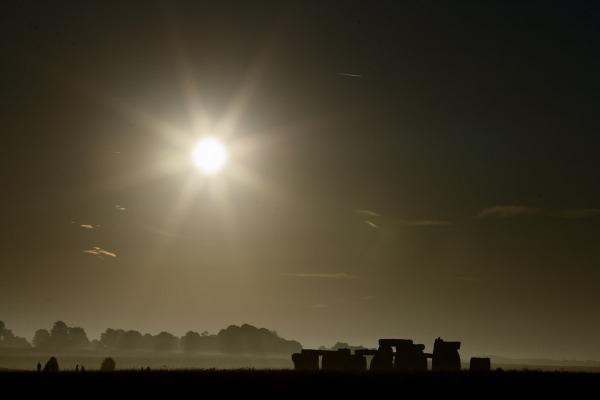
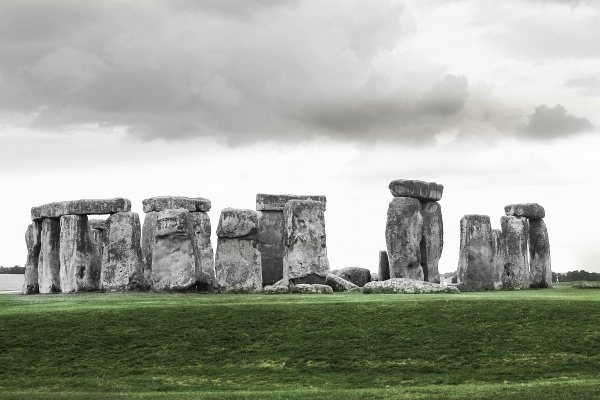
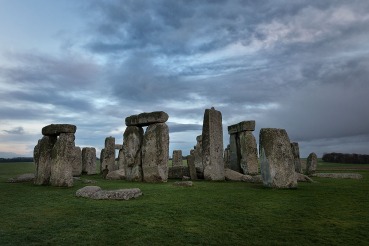
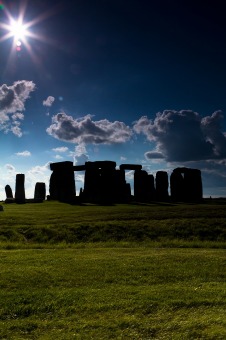
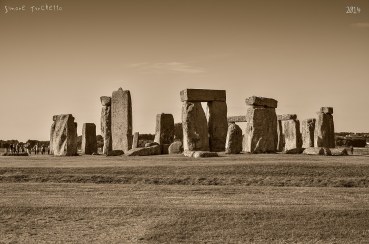
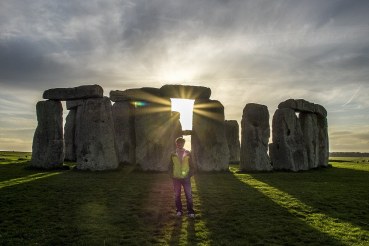
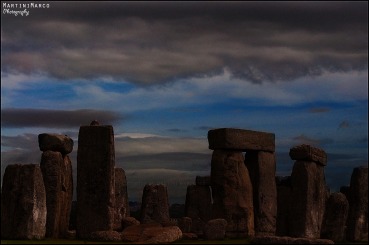
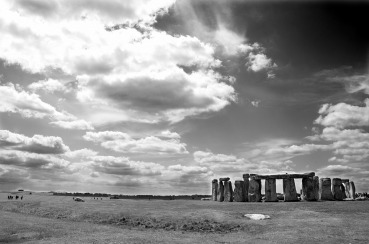
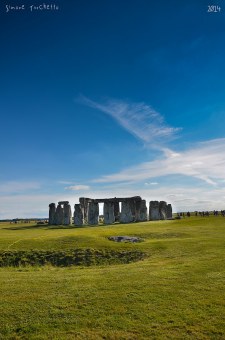
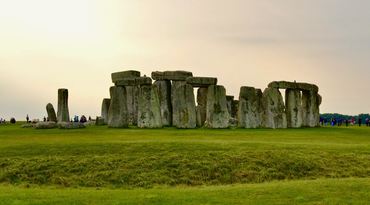
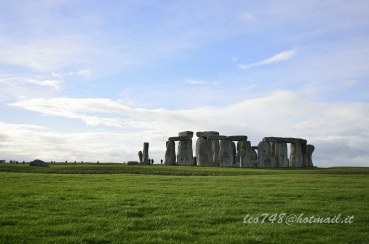
Subjects : The World's most famous and iconic Neolithic prehistoric standing stone circle. A World Heritage Site. Full of mystery. Full of Druids and pagan ritual during the summer and winter Solstices, which are both the best times to get decent proper photos, as otherwise, as a normal visitor or tourist, you're only allowed outside the actual stone circle. The surrounding area is littered with prehistoric and bronze age artefacts such as burial mounds and excavations. The new Visitor Centre is very much improved start to the visitor experience, for many years, an embarrassing and shameful set of huts were all you got.
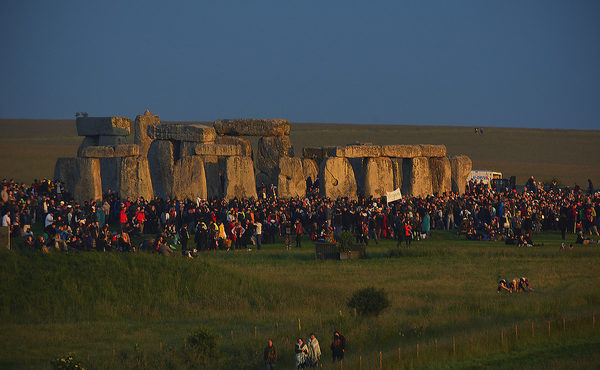
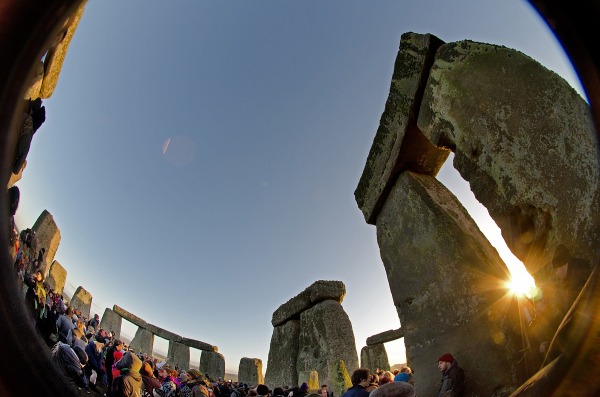
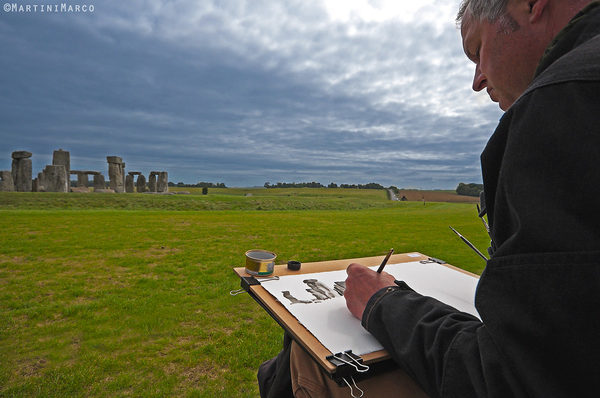
Recommended equipment : As a normal visitor, you only get limited access and distance from the Stones. A basic compact camera would suffice. Solstices however, are a true journalistic expedition and experience and you can try and take too much gear which you have to carry round with you at all times - it can get extremely busy and packed with 1000s of people (30,000+ for a summer solstice!!) so you do have to be careful with your expensive gear at all times. But as it goes from darkness to light, then sunrise, the lenses you need, change, of course. But a good fast f2.8 standard zoom is probably your best friend, plus say, a fisheye to get eyecatching wide and weird shots. Tripods are allowed but you shouldn't hinder people walking around so you might need to move further away from the crowds. Everybody has some sort of camera at these free events and it seems they're all on selfie sticks and use flash, or so it seems...
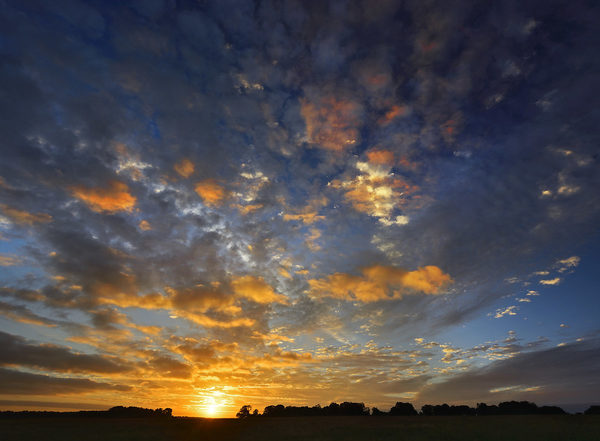
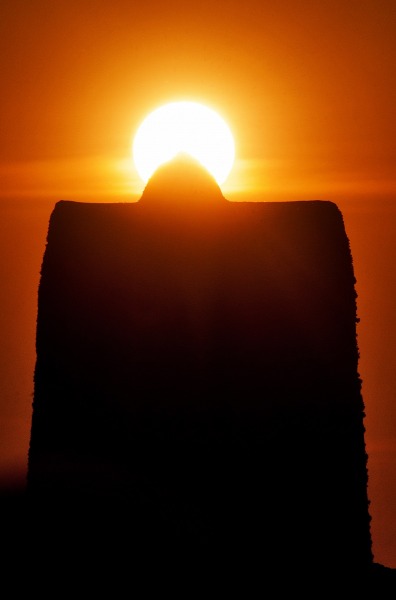
Best months : Stonehenge is open every day (except Christmas, Boxing and New Year's Day). Summer is the best time for the best chance of nice sunny days but later (earlier) in the year you get a better chance of more interesting light - ie sunset. The Summer Solstice is on the longest day of the year, on the 21st June and the winter one is on the shortest, the 21st December. The winter one carries on even in the snow (when it does look really rather special!) but most years recently it's been a typical dull and wet affair. But this does not seem to diminish the enthusiasm from those celebrating these Earth events, with dance, song and playing of traditional instruments.
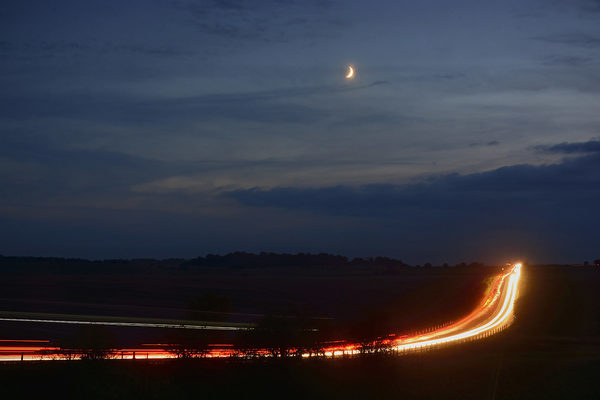
How to get there : There has been much political and media controversy over the access to Stonehenge. It has long been considered that such a special site should be not be in sight of the main road that clips the southern edge of the site, the A303. The A303 is the main route from London to the west country by car and is how you should drive to Stonehenge, though you will be directed to the new Visitor Centre, about 2 km west of Stonehenge itself. Another main road has been totally dug up and covered over. Future plans are for the A303 to placed in a tunnel UNDER the site, but in these times of economic decline, these plans have been shelved. It is possible to come by train - at Salisbury railway station, special "Visit the Stones" buses depart hourly in the summer and will drive you there. Airports would be Heathrow or possibly Southampton. The town of Amesbury is just a few km to the east and is where you'll find shops, cafes and places to stay. Special buses are laid on from Salisbury for the Summer Solstice and have cost ten pounds for a return ticket, returning the next morning. This is how I have travelled there.
Visits : See Best Months (above)Entrance to Stonehenge, including the 'virtual tour and audio visual experience' is around 22 Euro (15 pounds sterling). English Heritage recommend that you book in advance - thousands visit every year.
Notes : Stonehenge is an iconic, mysterious and very special place, but unfortunately, it is extremely difficult to achieve that through photography and to even experience it in person. This is due to the needs of the tourist machine that has been set up to accommodate the millions who have visited over the years. For years, that experience was a shameful and embarrassing one but now, with lots of money and years of planning, it now is becoming more in keeping of what is appropriate. It should improve slightly more in future years. I live just 20 kms from Stonehenge.
CalendarSunrise: 04:51, Sunset: 21:25
Show Sunrise and Sunset Calendar DiscussionNo replies
Read the discussion Moon Phase🌒 Waxing Crescent,
Brightness: 4%
Show Moon Phases Calendar 

 JuzaPhoto contains affiliate links from Amazon and Ebay and JuzaPhoto earn a commission in case of purchase through affiliate links.